
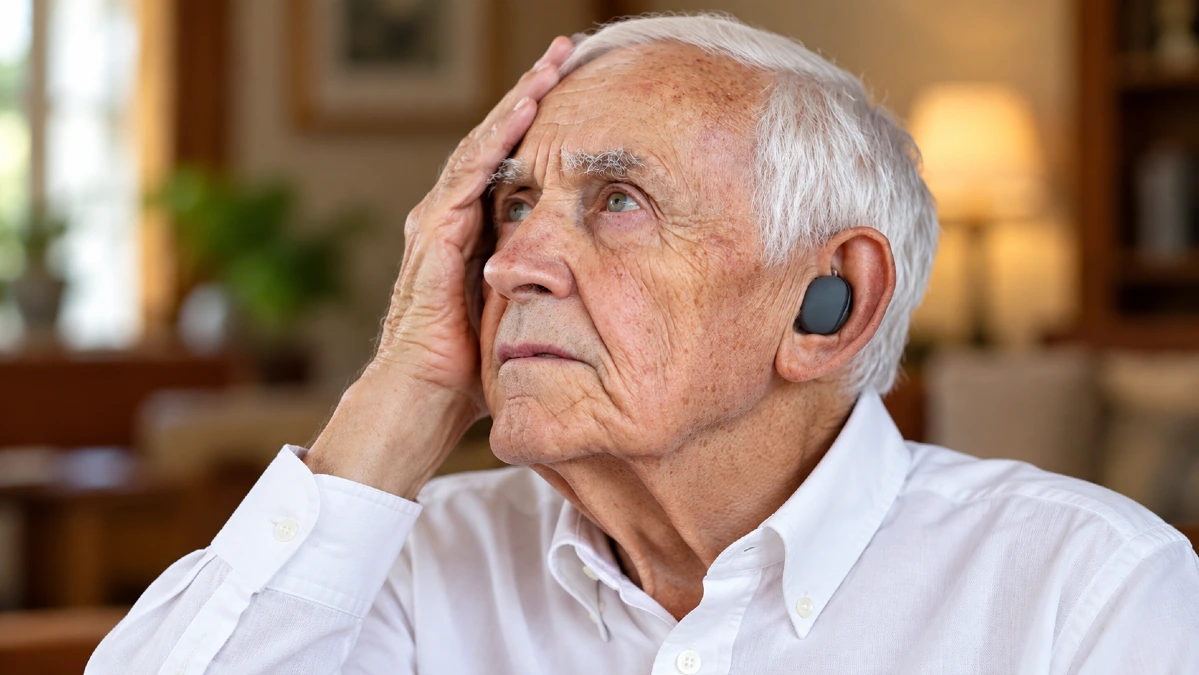
You can feel perfectly healthy at 70 or even 80 while your body begins changing in ways you barely notice. Maybe getting out of a chair takes more effort, conversations feel exhausting, or activities that once made you happy no longer bring the same pleasure.
The problem is that these small changes can slowly affect your strength, confidence, and independence when they go unnoticed. Some are expected parts of aging, but others could signal health problems that deserve attention.
Knowing the difference can help you respond early and continue enjoying the life you’ve worked so hard to build.
1. Loneliness Can Slowly Replace Your Normal Social Life

One of the quietest changes after 70 is losing regular contact with other people. It may happen gradually as friends move away, family members become busy, and familiar social routines disappear.
At first, spending more time alone might feel peaceful. But when days turn into weeks without meaningful conversation, loneliness can begin affecting your emotional and physical well-being.
Research has linked loneliness and social isolation with higher risks of depression, cognitive decline, heart disease, and other health problems. These connections do not mean loneliness directly causes every condition, but they show why social relationships deserve attention.
Regular conversations also give your brain opportunities to listen, remember details, follow ideas, and respond to other people. These activities help keep your mind engaged while giving everyday life more meaning.
What you can do: Plan social contact instead of waiting for invitations. A weekly lunch, regular phone call, walking group, or community activity can provide something enjoyable to look forward to.
When it deserves attention: If you regularly feel disconnected, avoid people you once enjoyed seeing, or spend long periods without meaningful interaction, consider discussing the change with someone you trust.
Living alone does not automatically mean being lonely. The concern is whether isolation is beginning to affect your mood, health, or ability to enjoy daily life.
2. Activities That Once Brought Happiness May Stop Feeling Rewarding

Many people expect their retirement years to be filled with enjoyment. Yet some older adults gradually lose interest in hobbies, friendships, family gatherings, and other activities that once made life satisfying.
This change can be easy to overlook because it does not always look like sadness. Someone might simply spend more time watching television, decline invitations, or stop making plans for the future.
Depression is not a normal part of aging, even though it can affect older adults. It may cause changes in mood, sleep, appetite, energy, and interest in everyday activities.
Having a sense of purpose may help support emotional well-being. That purpose does not need to be a major responsibility or something that impresses other people.
For one person, it might mean helping grandchildren with homework. For another, it could involve volunteering, gardening, caring for a pet, or spending time with neighbors who appreciate their company.
What you can do: Choose activities that provide enjoyment, connection, or a sense of accomplishment. Try scheduling one meaningful activity each week, especially if your normal routine has become empty.
When it deserves attention: Persistent loss of interest, hopelessness, or changes in sleep and appetite should be discussed with a healthcare professional. If these symptoms last two weeks or interfere with daily life, do not simply dismiss them as aging.
Grief after a loss is different from depression, although they can overlap. Both deserve support, particularly when emotional pain begins affecting your ability to function.
3. Chronic Pain Can Begin Controlling More of Your Day

A little stiffness after waking up may not seem unusual after 70. However, ongoing pain in your knees, hips, back, shoulders, or hands can gradually change how much you move and what you feel comfortable doing.
The problem is that chronic pain rarely affects just one part of life. It can disturb sleep, make exercise difficult, reduce social activity, and contribute to feelings of frustration or sadness.
Some older adults stop going for walks because their knees hurt. Others give up gardening, shopping, or visiting friends because they worry the discomfort will become worse.
Chronic pain generally refers to pain that lasts longer than three months. It can interfere with everyday activities, sleep, eating habits, and relationships.
Pain may come from arthritis, nerve conditions, old injuries, or other health problems. Finding the cause matters because different types of pain require different treatments.
What you can do: Keep track of where the pain occurs, how long it lasts, and which activities make it worse. Discuss treatment options such as physical therapy, suitable exercise, medication, or other pain management methods with your doctor.
When it deserves attention: New pain, worsening discomfort, or pain that interferes with sleep or normal activities should be evaluated. Sudden severe pain, especially with chest discomfort or breathing difficulties, needs emergency attention.
You do not have to accept constant suffering simply because you are older. The right treatment may help you stay active while improving comfort and quality of life.
4. Muscle Loss Can Make Simple Household Tasks Feel Harder

Muscle loss often begins long before retirement. As the years pass, gradual reductions in muscle mass and strength can become more noticeable, especially when physical activity decreases.
By your 70s, you may discover that carrying groceries feels heavier or climbing stairs requires more effort. Getting out of a low chair may also become difficult, even when you have no obvious illness.
This age-related loss of muscle is sometimes called sarcopenia. It can affect walking speed, balance, and the ability to complete everyday tasks independently.
The encouraging part is that older adults can still build strength through resistance exercise. Health experts generally recommend muscle-strengthening activities at least two days per week, along with aerobic and balance activities.
You do not need heavy weights or a gym membership to begin. Resistance bands, simple chair exercises, and appropriate movements using light weights can help strengthen muscles.
What you can do: Start with manageable exercises suited to your current ability. Combining strength training with adequate protein and balanced meals can help support muscle health.
When it deserves attention: Noticeable weakness, frequent difficulty standing from a chair, declining walking ability, or trouble completing normal activities should prompt a medical evaluation.
A physical therapist can help identify safe exercises, particularly if you have arthritis, osteoporosis, previous falls, or other health concerns.
Habit Tip: Try connecting strength exercises to an existing routine, such as after breakfast or before an afternoon walk. Begin with a few comfortable movements and gradually increase the challenge with professional guidance.
5. Nutrient Shortfalls Can Develop Without Obvious Symptoms

Getting enough nutrients can become more challenging after 70. Some older adults eat smaller meals, while others have difficulty absorbing certain vitamins from food.
One example is vitamin B12, which helps support nerve function and healthy blood cells. Some older adults have trouble absorbing the vitamin B12 naturally present in foods.
Vitamin D and calcium also deserve attention because they support bone health. Older adults need adequate amounts of these nutrients to help maintain healthy bones and normal body functions.
Low nutrient levels may contribute to symptoms such as fatigue, weakness, or nerve problems, depending on the deficiency. However, these symptoms can have many causes, so testing should be guided by your medical history and concerns.
What you can do: Include a variety of nutrient-rich foods, such as eggs, fish, beans, dairy products, fortified foods, vegetables, and whole grains. Discuss your diet, medicines, and possible nutrient deficiencies with your healthcare professional.
When it deserves attention: Persistent fatigue, unexplained weakness, numbness, poor appetite, or other concerning symptoms deserve evaluation. People with restricted diets, absorption problems, or certain medical conditions may need specific tests.
Routine testing of every vitamin and mineral is not necessary for everyone. Your doctor can determine whether checking vitamin B12, vitamin D, iron, or other nutrients makes sense for your situation.
Do not begin large doses of supplements without medical guidance. Some vitamins and minerals can cause harm when taken in excessive amounts.
6. Balance Problems Can Make You Afraid to Move Around
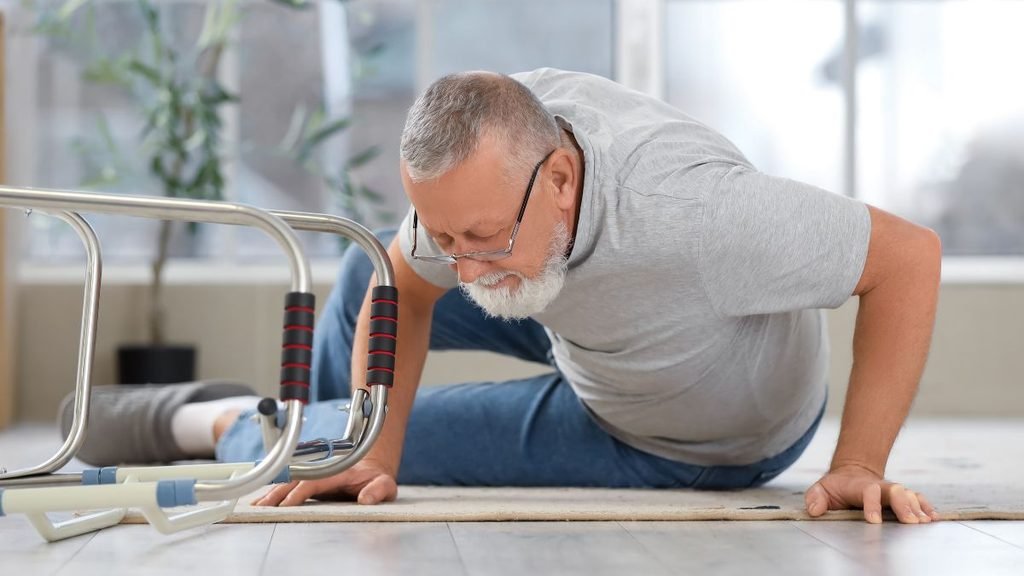
Losing confidence in your balance can change daily life before you experience a serious fall. You might begin holding furniture while walking, avoiding uneven sidewalks, or feeling nervous when stepping into the shower.
Balance depends on several systems working together, including your muscles, vision, inner ears, nerves, and brain. Changes in any of these areas can make standing and walking less steady.
The concern is that fear of falling can lead people to move less. Over time, reduced activity can weaken muscles and make balance problems even harder to manage.
More than one in four adults aged 65 and older experience a fall each year. Yet many falls can be prevented through exercise, medication reviews, vision care, and improvements to home safety.
What you can do: Practice appropriate strength and balance exercises, improve lighting, remove tripping hazards, and install support rails where needed. A physical therapist can provide exercises suited to your ability.
When it deserves attention: Repeated stumbling, dizziness, near falls, unexplained falls, or growing fear of walking should be discussed with your doctor. A fall involving a head injury, particularly if you take blood thinners, needs prompt medical assessment.
Small Changes That May Signal a Bigger Problem
| Everyday Activity | Change Worth Noticing | Helpful First Step |
|---|---|---|
| Standing from a chair | Requiring more support | Ask about strength and mobility |
| Walking outdoors | Feeling increasingly unsteady | Request a balance assessment |
| Sleeping | Pain or discomfort disrupting rest | Discuss pain management |
| Eating meals | Regularly skipping meals | Review appetite and nutrition |
| Socializing | Avoiding activities you once enjoyed | Explore mood and connection |
These changes do not automatically mean something serious is wrong. Their importance often depends on whether they are new, getting worse, or beginning to interfere with your normal routine.
7. Hearing Difficulties Can Make Conversations Exhausting

Hearing loss often develops so gradually that people do not recognize it immediately. You might notice that family members seem to mumble or that following conversations in crowded restaurants has become difficult.
Sometimes, the first noticeable change is not hearing itself but social behavior. Someone may stop attending gatherings because concentrating on every conversation requires too much effort.
Hearing difficulties can also affect communication with healthcare professionals. Missing medication instructions or misunderstanding medical advice can create additional problems.
Age-related hearing loss is common among older adults. Untreated hearing difficulties can contribute to social withdrawal and make everyday communication harder.
You might find yourself turning up the television or avoiding phone conversations because speech sounds unclear. These small adjustments can become so familiar that you stop noticing them.
What you can do: Arrange a hearing assessment if you regularly ask people to repeat themselves or struggle with conversations. Hearing aids and other communication tools may make daily life easier.
When it deserves attention: Gradually worsening hearing, difficulty following conversations, or withdrawal from social activities should prompt evaluation.
Sudden hearing loss is different and requires immediate medical attention. It should not be treated as an ordinary age-related change.
8. Changes in Vision Can Affect More Than Reading
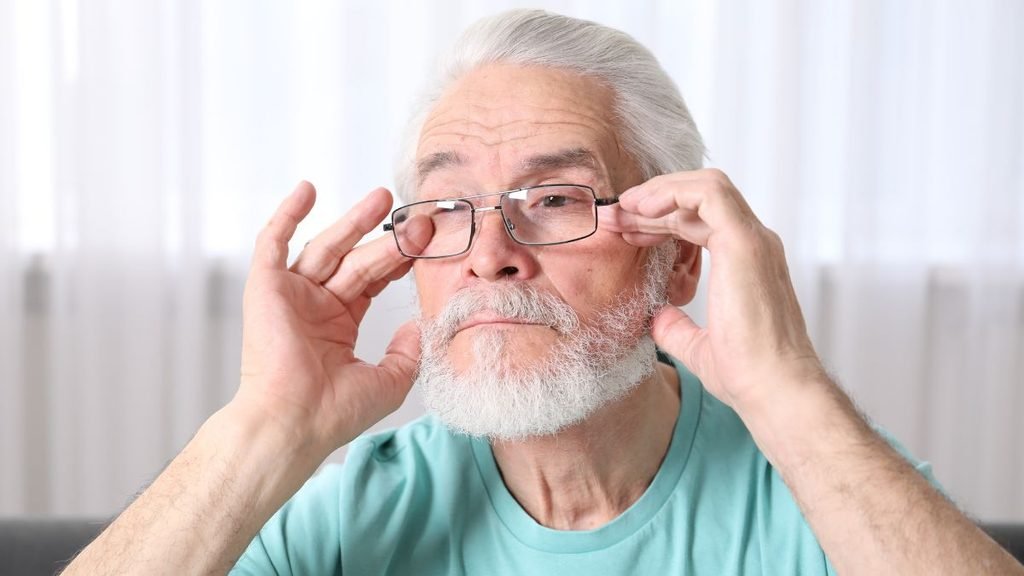
Many people expect to need stronger reading glasses as they age. However, changes in vision can also affect driving, walking, cooking, recognizing faces, and noticing objects around the home.
Some eye conditions develop slowly enough that people adjust without realizing how much their sight has changed. They may stop driving at night, avoid reading small print, or become less comfortable walking in unfamiliar places.
Vision problems can also increase the risk of falls. Poor depth perception, limited side vision, or difficulty seeing obstacles may make everyday movements less safe.
Common eye conditions in later life include cataracts, glaucoma, and age-related macular degeneration. These conditions affect vision in different ways, which is why regular eye examinations are useful.
Some problems can be treated or managed more effectively when detected early. Waiting until your sight becomes seriously affected may reduce the treatment options available.
What you can do: Keep up with recommended eye examinations, update your glasses when needed, and make sure your home has enough lighting. Report changes in vision even if they seem minor.
When it deserves attention: Persistent blurry vision, increasing difficulty reading, or problems seeing while driving should be evaluated.
Sudden vision loss, a dark curtain over part of your vision, or new flashes and floaters accompanied by visual changes require urgent eye care.
9. Memory Changes Can Become More Noticeable
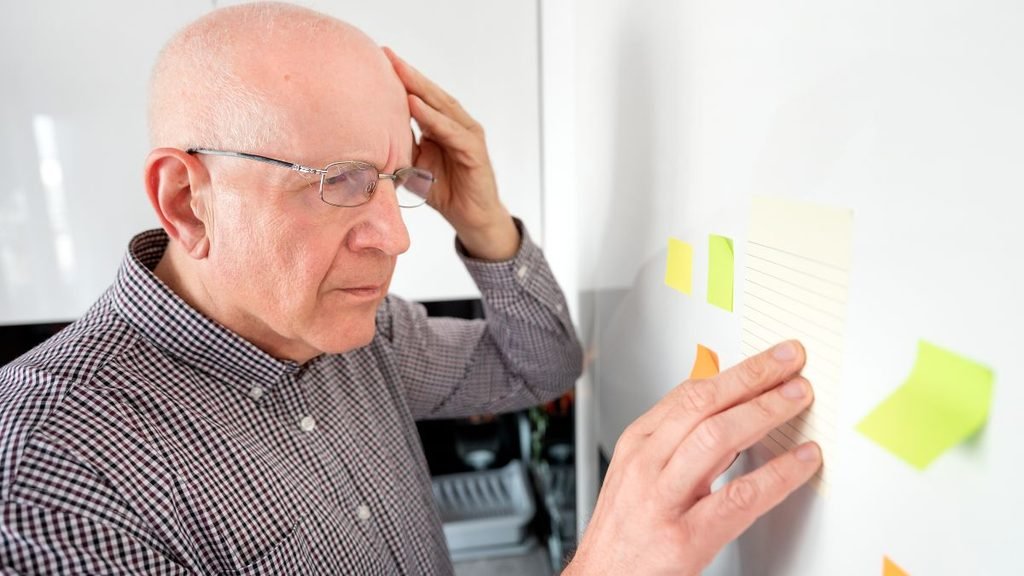
Occasionally forgetting someone’s name or misplacing your keys can happen at any age. After 70, these moments may become more noticeable, especially when you are tired, stressed, or managing several responsibilities.
However, there is a difference between occasional forgetfulness and memory problems that interfere with everyday life. Repeatedly missing important appointments, getting lost in familiar places, or struggling with routine financial tasks deserves attention.
Not every memory problem means dementia. Sleep problems, medication side effects, depression, thyroid conditions, and low vitamin B12 levels can also affect memory and thinking.
This is why medical evaluation matters. Some conditions that affect memory can be treated, while others benefit from early diagnosis and planning.
Regular physical activity, social interaction, and mentally engaging hobbies can support overall brain health. However, no single activity can guarantee protection against dementia.
What you can do: Stay physically active, maintain social connections, follow a regular sleep schedule, and keep your medical conditions properly managed. Calendars and medication reminders can also make daily life easier.
When it deserves attention: Speak with your doctor if memory problems become more frequent, interfere with independence, or are noticed by people close to you.
Sudden confusion is not a normal aging change and needs immediate medical assessment, especially when accompanied by weakness, speech problems, or other possible stroke symptoms.
Normal Forgetfulness Versus Changes Worth Checking
| Occasional Change | More Concerning Pattern |
|---|---|
| Forgetting a name and recalling it later | Frequently forgetting familiar people |
| Misplacing keys occasionally | Repeatedly putting objects in unusual places |
| Forgetting the date briefly | Regularly losing track of time or place |
| Making an occasional mistake with money | Struggling to manage familiar bills |
| Searching for a word sometimes | Having growing difficulty following conversations |
This table is a guide, not a diagnostic test. If memory concerns are affecting your daily life, a medical assessment is more useful than trying to diagnose yourself.
10. Sleep Patterns Can Change and Leave You Feeling Tired
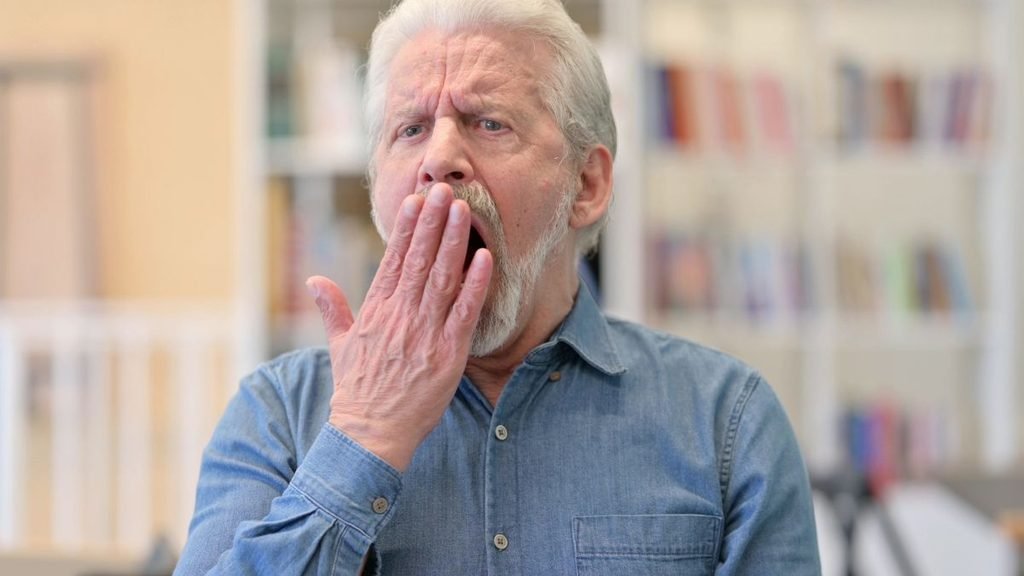
After 70, you may find yourself getting sleepy earlier in the evening and waking earlier in the morning. Some changes in sleep timing are common with age, but regularly feeling exhausted is not something to ignore.
Poor sleep can affect concentration, mood, memory, and physical energy. It can also make existing pain feel harder to manage.
Sleep problems may develop for several reasons, including medications, nighttime bathroom trips, breathing problems, anxiety, or chronic medical conditions.
Older adults generally still need about seven to nine hours of sleep each night. Consistently feeling sleepy during the day or struggling to get enough rest should be discussed with a doctor.
The quality of sleep matters as much as the time spent in bed. Frequently waking up, struggling to fall asleep, or feeling tired every morning may indicate that something needs attention.
What you can do: Keep a regular bedtime, get natural daylight during the day, and stay active within your abilities. Limit late caffeine and develop a relaxing evening routine.
When it deserves attention: Persistent insomnia, loud snoring with breathing pauses, severe daytime sleepiness, or sleep problems that affect daily functioning deserve a medical review.
Do not rely on sleeping pills without discussing their risks and benefits. Some sleep medications can increase dizziness, confusion, and fall risk in older adults.
11. Appetite Changes Can Lead to Unplanned Weight Loss
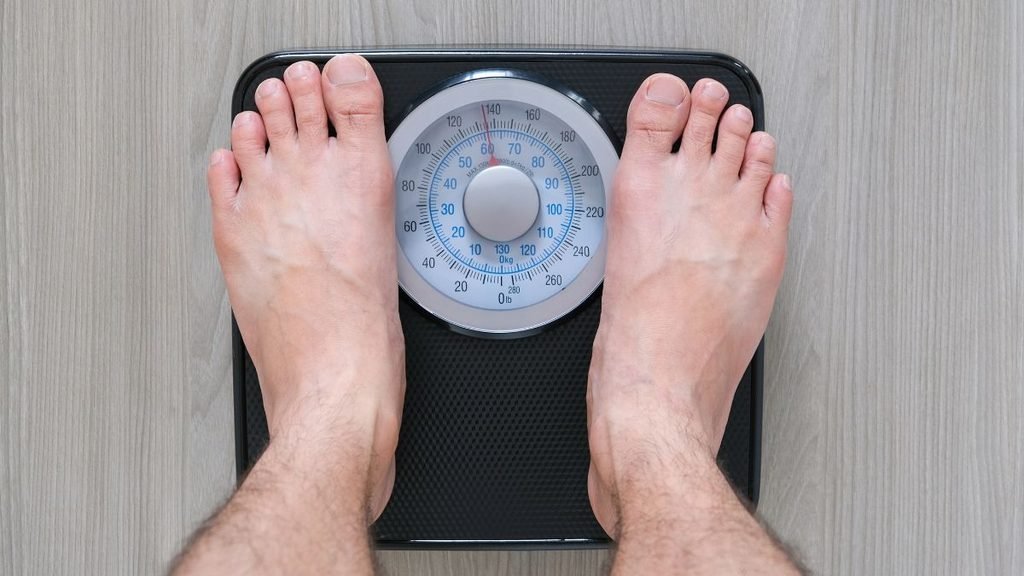
Some older adults begin eating less without making a conscious decision to change their diet. Meals may become smaller because food tastes different, chewing becomes difficult, or hunger does not feel as strong.
Other factors can contribute, including medications, dental problems, loneliness, digestive conditions, and difficulty shopping or preparing meals.
The concern is that eating less may eventually mean consuming too little protein, energy, and other nutrients. This can contribute to weakness and make maintaining muscle strength more difficult.
Weight loss is sometimes mistaken for a harmless part of aging. However, losing weight without trying can be a warning sign, especially when the change happens over a short period.
For example, someone who stops cooking full meals after losing a spouse may gradually eat less than their body needs. Another person may avoid certain foods because of dental pain or swallowing difficulties.
What you can do: Pay attention to your appetite and any unplanned changes in body weight. Choose balanced meals containing protein, vegetables, healthy fats, and other nutrient-rich foods.
If larger meals feel difficult, smaller meals spread throughout the day may be more manageable. Address dental discomfort, swallowing problems, and other barriers that make eating unpleasant.
When it deserves attention: Unexpected weight loss, ongoing poor appetite, difficulty swallowing, or rapid changes in eating habits should be discussed with a healthcare professional.
Unexplained weight loss can sometimes signal a significant medical condition. It should never be dismissed simply because someone is in their 70s or 80s.
12. Medications May Begin Affecting You Differently

Many adults over 70 take medicines for blood pressure, diabetes, arthritis, heart conditions, or other health concerns. These treatments can be helpful, but medication effects may change as the body ages.
Some medicines can cause dizziness, fatigue, constipation, sleep problems, or confusion. The risk of side effects may also increase when several medications and supplements are taken together.
A person might begin feeling unsteady after starting a new prescription. Someone else may notice unusual tiredness but assume it is simply another part of growing older.
The kidneys and liver help process many medications. Changes in how these organs function, along with changes in body composition, can affect how certain medicines work.
This does not mean medications become unsafe simply because you turn 70. It means that regular reviews can help ensure each treatment is still appropriate.
What you can do: Keep an updated medication list, including doses and supplements. Review it with your doctor or pharmacist, especially when starting a new treatment.
When it deserves attention: New dizziness, confusion, excessive sleepiness, or other symptoms appearing after a medication change should be reported promptly.
Never stop or reduce a prescribed medication on your own. Your healthcare professional can determine whether the dose, timing, or medicine needs adjusting.
When Should You Seek Medical Attention?
A major part of healthy aging is knowing when a small adjustment is enough and when professional help is needed. Some changes are gradual and manageable, while others require medical attention much sooner.
| Level of Concern | Examples | What to Do |
|---|---|---|
| Routine monitoring | Mild stiffness, occasional forgetfulness, or earlier sleep timing without problems | Track changes and discuss them during regular checkups |
| Schedule a medical visit | Ongoing pain, declining strength, persistent low mood, poor appetite, or repeated balance problems | Arrange an evaluation rather than waiting for symptoms to worsen |
| Seek prompt assessment | Rapid unexplained weight loss, new significant weakness, worsening confusion, or a fall with possible injury | Contact a healthcare professional promptly |
| Emergency | Sudden stroke symptoms, chest pain, severe breathing difficulty, or sudden major vision or hearing loss | Seek emergency medical care immediately |
Red Flags: When to Get Help Quickly
Sudden confusion, facial drooping, weakness on one side of the body, or difficulty speaking may signal a stroke. Severe chest pain, serious breathing problems, and sudden major sensory loss also need emergency care.
Thoughts of suicide or self-harm require immediate support from emergency or crisis services. Persistent hopelessness should never be treated as an unavoidable part of growing older.
A Simple Weekly Routine That Can Help Protect Your Independence
You do not have to make dramatic lifestyle changes to take better care of yourself after 70. Often, the most useful improvements come from consistent activities that protect physical strength, emotional health, and everyday confidence.
Start by creating a weekly routine that includes movement, social contact, enjoyable activities, and enough time for rest. The goal is to make daily life easier without turning retirement into another demanding schedule.
Here is one realistic approach:
| Day | Activity | Main Benefit |
|---|---|---|
| Monday | Take a comfortable walk or do suitable indoor exercises | Supports movement and physical health |
| Tuesday | Call a friend or attend a social activity | Encourages connection |
| Wednesday | Practice safe strength exercises and prepare nutritious meals | Supports muscle health |
| Thursday | Spend time on a hobby or volunteer activity | Provides enjoyment and purpose |
| Friday | Review medications and upcoming appointments | Helps manage health needs |
| Saturday | Enjoy time outdoors, with family, or in the community | Supports emotional well-being |
| Sunday | Rest and plan something enjoyable for the coming week | Encourages recovery and routine |
This schedule is only an example. Someone managing arthritis, mobility limitations, or another medical condition may need a different approach.
Physical activity should always reflect your current health and abilities. If you have been inactive or have significant health concerns, ask a healthcare professional which activities are appropriate before beginning a new exercise program.
What Matters Most After 70 Is Noticing What Has Changed

Getting older does not mean that every change is a warning sign. Some people remain active, socially connected, and independent well into their 80s and 90s, while others need additional support much earlier.
What matters is recognizing when something begins changing the way you live. If you stop seeing friends because of pain, avoid walking because of poor balance, or lose interest in activities that once made you happy, those changes deserve attention.
You do not need to solve every concern at once. Start with the change affecting your daily life the most, and consider what practical support or medical guidance could make it easier to manage.
Aging will bring changes, but it does not have to mean giving up everything that makes life enjoyable. Protecting your independence often begins with noticing small problems before they become bigger ones.