
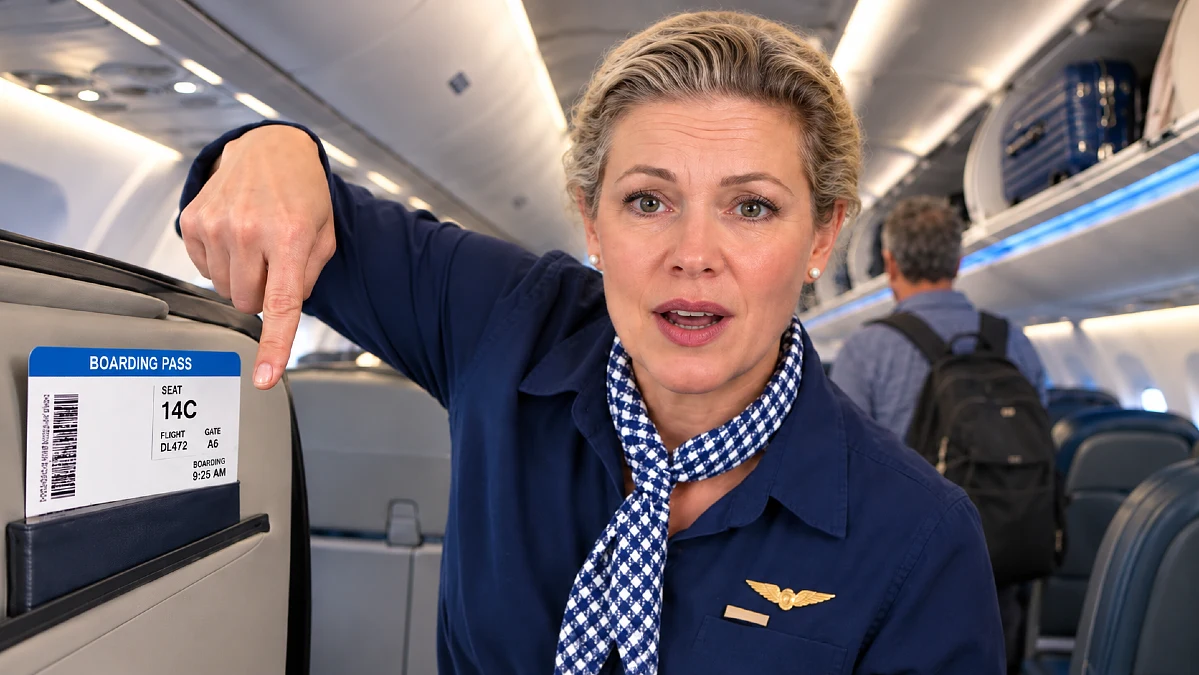
Many older travelers struggle through boarding when they don’t have to. They wrestle heavy bags into overhead bins, wait in crowded lines and stay quiet about needs that crew members could easily help with.
The result is sore shoulders, missed medication times and stressful flights. Some travelers even lose money because they don’t know the refund rules when a flight is canceled.
Here are 12 air travel tips for seniors, based on what cabin crews see every day and what federal rules actually say. A few short sentences at the right moment can make flying safer, calmer and cheaper.
Why Older Travelers Miss Out on Help

Flight attendants see the same pattern on almost every flight. Older passengers often avoid asking for help because they don’t want to slow anyone down or make a fuss.
At the same time, crew members can’t read minds. On a crowded flight with a tight boarding schedule, they often wait to be asked rather than approaching every passenger.
Some of the help available comes from the Air Carrier Access Act and Department of Transportation rules that protect passengers with disabilities. These can include mobility, vision, hearing or medical limitations that are common later in life.
Age alone doesn’t qualify you for these protections. Still, many older travelers do have conditions these rules cover, and crew members are often happy to help anyone who asks politely.
| Key Rule or Fact | What It Means (Source) | Why It Matters |
|---|---|---|
| Preboarding for passengers with disabilities | Airlines must offer it to people who self-identify as needing extra time or help (DOT) | You can board before the crowd |
| Help stowing carry-on items | Airlines must assist passengers with disabilities who ask (DOT rules) | Protects shoulders and backs |
| Individual safety briefing | Available on request for passengers with disabilities (DOT rules) | Private, personalized safety information |
| TSA shoe removal | No longer required for most travelers since July 2025 (TSA) | Easier screening, though officers may still ask |
| Refunds for canceled or significantly changed flights | Cash refund if you don’t accept rebooking or a voucher; significant delays are 3+ hours domestic, 6+ international (DOT) | Protects your money |
These rules give older travelers more options than many realize. The tips below explain how to use them politely and effectively.
1. Ask for Help With Your Bag Before You Struggle
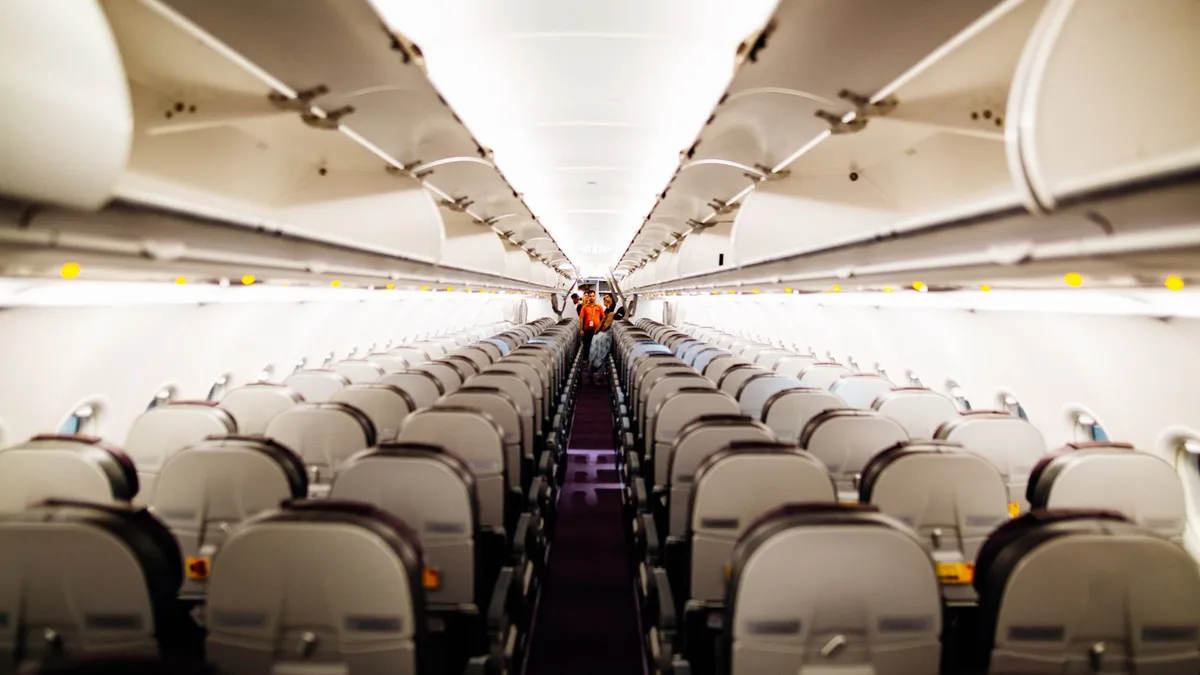
Overhead bins can be high, and lifting a heavy carry-on over your head is a common way to strain a shoulder or lose your balance. Many older travelers try to manage on their own because they don’t want to bother anyone.
Under DOT’s disability rules, airlines must help passengers with disabilities stow and retrieve carry-on items when asked. Even if you don’t have a qualifying condition, many flight attendants will help or find a fellow passenger to assist.
The key is asking early and simply. As you board, try saying, “I could use some help with my bag, please,” before the aisle gets crowded.
Packing smarter also helps. A lighter roller bag, or checking your larger suitcase and carrying only a small personal item, can save your back, though checked bag fees vary by airline and fare.
2. Many Aisle Armrests Lift Out of the Way
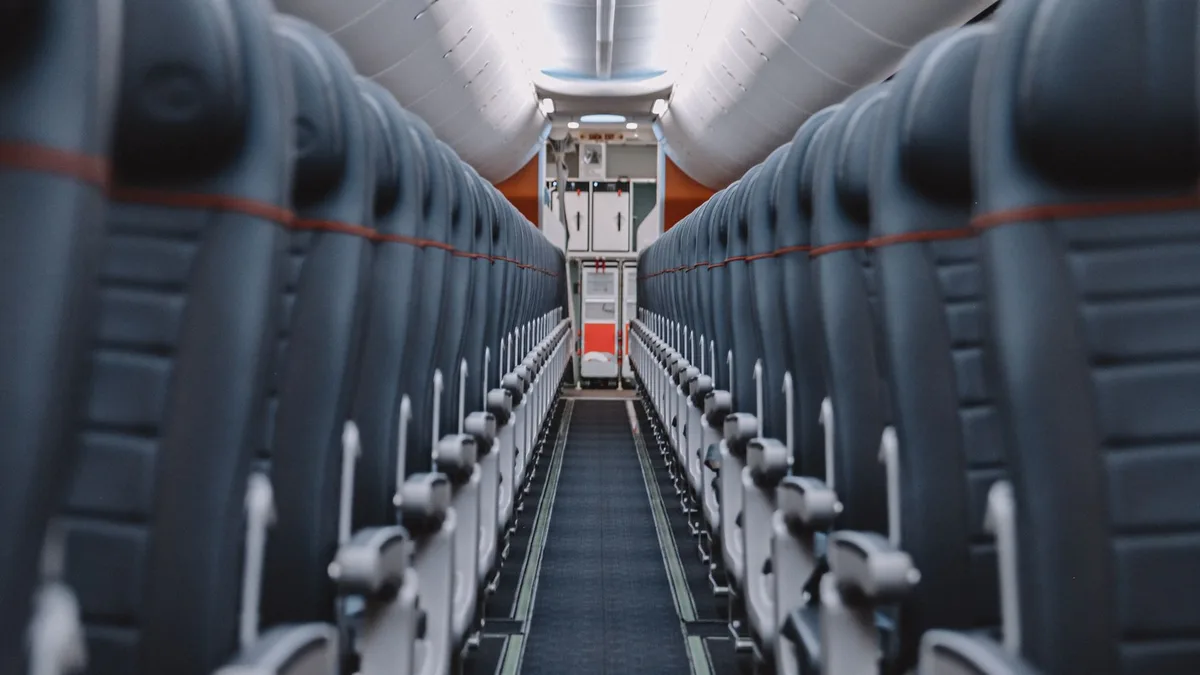
Getting in and out of an aisle seat can be awkward, especially after a hip or knee replacement. Many travelers don’t realize that the armrest on the aisle side often lifts up.
DOT rules require that on many larger aircraft, at least half of the aisle seats have movable armrests. There’s usually a small button or lever under the back of the armrest that releases it.
If you can’t find it, simply ask a flight attendant, “Can you show me how to raise the aisle armrest?” It can make reaching the lavatory or letting a seatmate out much easier.
When you book, consider requesting an aisle seat with a movable armrest. Airline accessibility desks can often help you choose a seat that suits your needs.
Not every seat has this feature, and some aircraft have fixed armrests in certain rows. If a movable armrest is important for you, mention it during booking so the airline can try to match you with the right seat.
3. Preboarding Can Take Just One Sentence
Many older travelers assume preboarding is only for people in wheelchairs or families with small children. In fact, airlines must offer preboarding to passengers with disabilities who self-identify as needing extra time or help to board, stow equipment or get seated.
You don’t usually need a medical form. Tell the gate agent before boarding begins, “I need a little extra time to board today.”
Preboarding means you can find your seat, store your bag and get settled before the aisle fills. Some airlines allow a travel companion to board with you, so ask the agent about their policy.
Arrive at the gate early so you hear the preboarding call. Gate agents are busier once general boarding starts, and it’s easier to ask calmly before the crowd lines up.
Preboarding is also helpful on the way off the plane. If you need extra time or assistance, tell the crew, and they may ask you to stay seated until other passengers leave so you can exit without being rushed.
4. Ask the Crew When and Where to Use the Lavatory
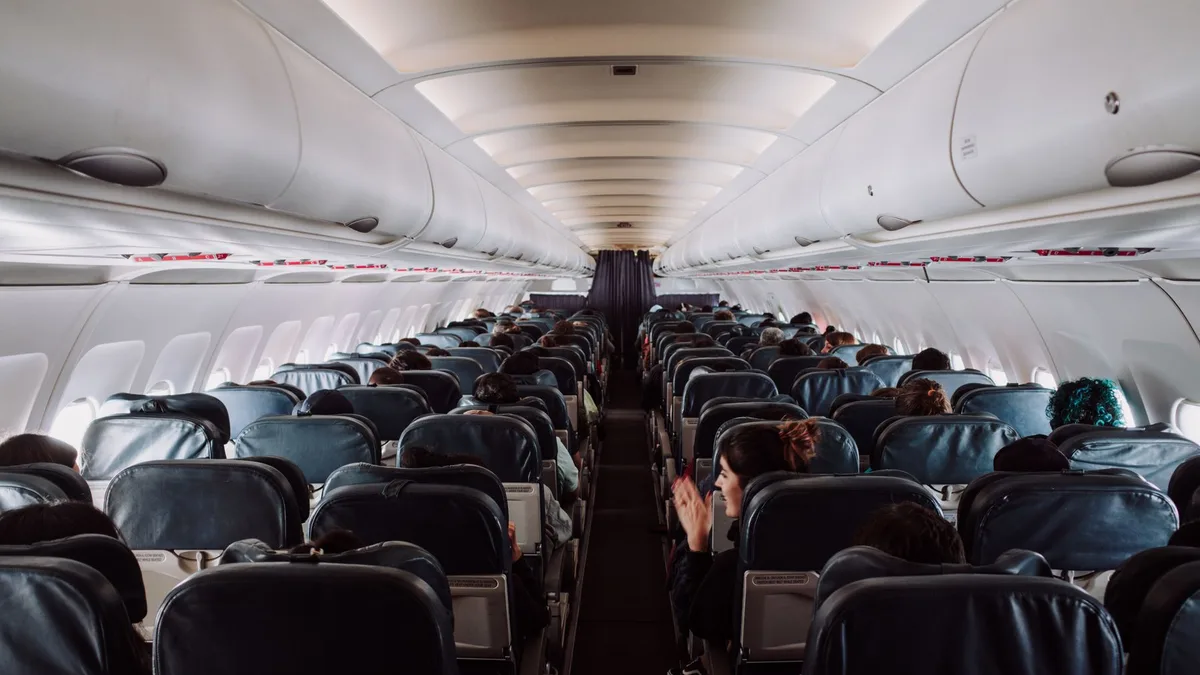
The first stretch after the seatbelt sign turns off is often the busiest time for restrooms. Many passengers get up at once, and the aisle can be crowded and unsteady.
Don’t assume you can use any lavatory. Many airlines reserve the front lavatory for premium cabins, so ask a flight attendant which one you should use and when it’s usually quieter.
Timing matters around the beverage cart as well. Once the cart is in the aisle, getting past it can be difficult, so it helps to go before service begins or after it passes your row.
If you need frequent bathroom access, an aisle seat closer to the lavatory can make a big difference. Mention it when you book, and ask about seats near the restroom if mobility is limited.
5. Keep Medications Within Reach, Not in the Overhead Bin

Flight attendants often see passengers who need medication mid-flight, only to find it in a bag several rows away or in checked luggage. In an emergency, those minutes matter.
Keep all essential medications in your personal item, the bag that fits under the seat in front of you. Include a list of your medications, conditions, allergies and your doctor’s contact information.
TSA allows medically necessary liquids in reasonable quantities over the usual 3.4-ounce limit, but you should declare them at the checkpoint. Keeping medications in their original labeled containers can also make screening smoother.
If you take medication with food or water, pack a small snack and an empty water bottle to fill after security. That way you’re not depending on when the beverage cart reaches your row.
6. Seat Changes Are Easier After the Door Closes
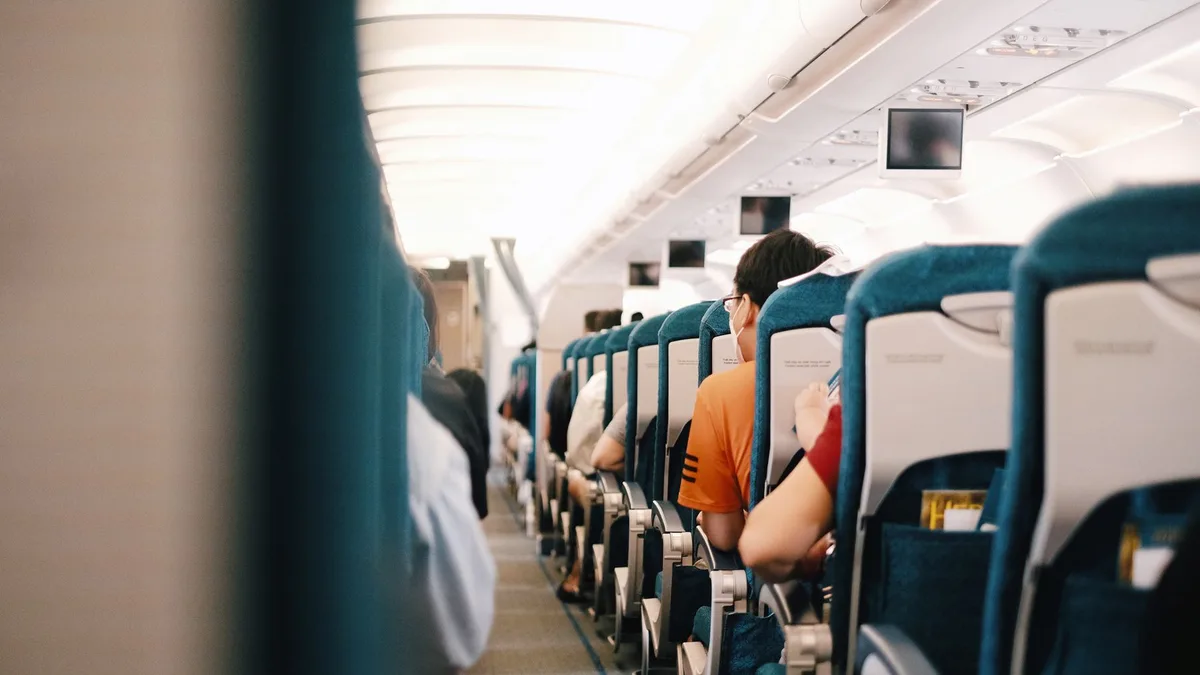
If you’re stuck in a cramped seat, there may still be options once boarding is complete. No-shows and missed connections often leave empty seats.
Wait until the boarding door closes and the crew has finished seating everyone. Then politely ask a flight attendant if a seat with more room or aisle access is available, especially if you have a mobility concern.
Be aware that many airlines charge for extra-legroom seats, and crew may not be able to move you into them for free. A calm, polite request gives you the best chance.
Your seat choice when booking matters even more. Paying a little extra for an aisle seat near the front can mean shorter walks, faster exits and less time standing in a crowded aisle after landing.
7. Tell the Crew About Serious Medical Conditions
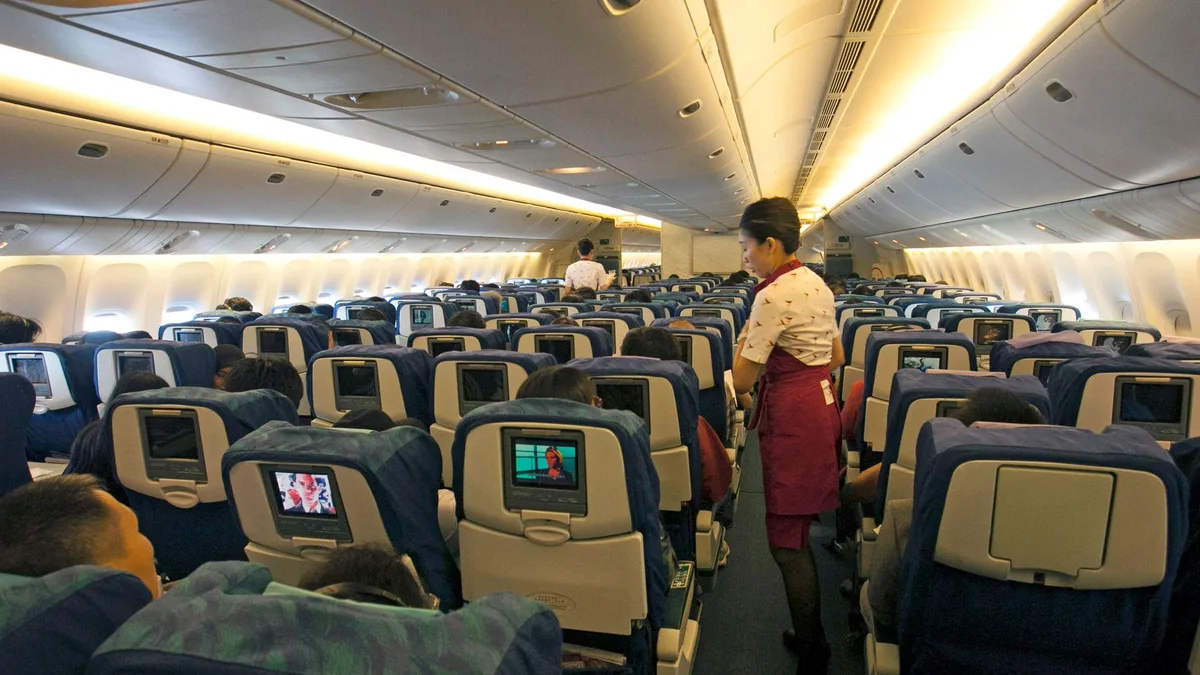
Crew members are trained in first aid, CPR and the use of onboard medical equipment. They can respond faster if they already know about a passenger’s serious condition.
When you book, you can contact the airline’s accessibility or special assistance team to note your needs. If you didn’t, a quiet word as you board works too, such as, “I have a heart condition, and my medication is in my bag under seat 24B.”
If you use supplemental oxygen, plan well ahead. Airlines generally allow FAA-approved portable oxygen concentrators on board, but you usually need to notify the airline in advance and bring enough battery power for the whole trip, while personal oxygen tanks generally aren’t allowed.
It’s also smart to talk with your doctor before long flights if you have heart or lung disease, recent surgery or a history of blood clots. They may recommend compression socks, walking breaks or other precautions.
On longer flights, stand and stretch when it’s safe, flex your ankles while seated and drink water regularly. These simple habits help circulation and can make you feel much better when you land.
8. Don’t Count on the Cart for Meals or Water

Many older travelers take medication with food or water, but the beverage cart usually starts at one end of the cabin and can take a long time to reach some rows. Turbulence can delay service further.
It helps to ask politely for a cup of water once the crew is free, or to bring your own after security. A small snack in your personal item covers you if service is slow or limited.
Special meals, such as diabetic or low-sodium options, are offered on some flights, often longer or international ones, but many U.S. airlines don’t serve special meals in economy on domestic routes. Check with your airline at least a day or two before departure if food matters for your health.
Hydration matters at altitude, where cabin air is dry. Sipping water throughout the flight, and limiting alcohol and caffeine, can help you feel more alert and steady when you stand up.
9. Know What an Exit Row Really Requires
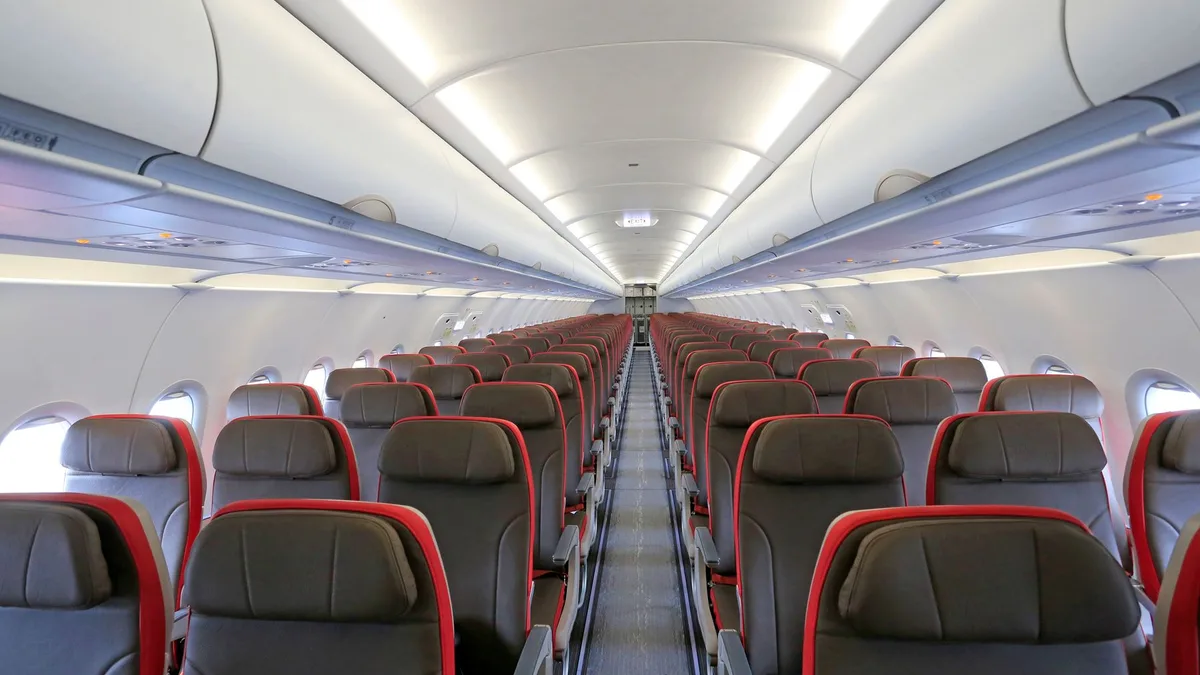
Exit rows offer extra legroom, which makes them tempting. But federal rules require passengers in exit rows to be willing and able to help in an emergency, including opening a heavy exit door and following crew instructions.
Flight attendants must confirm this before departure and can move passengers who don’t appear able to perform those duties. Saying yes just to keep the legroom isn’t wise if you have mobility or strength limitations.
A better option is often a seat with extra legroom that isn’t an exit row, such as a bulkhead seat or a premium economy seat. These may cost extra, so compare prices when you book.
| Seat Choice | Typical Cost | Comfort | Main Tradeoff |
|---|---|---|---|
| Standard aisle seat | Often free or low cost | Easy access, normal legroom | May need to stand for window passengers |
| Exit row | Often an extra fee | Extra legroom | Must be able to assist in an emergency |
| Bulkhead | Sometimes an extra fee | More legroom on some planes | Bags go in overhead bins for takeoff |
| Extra-legroom economy | Extra fee varies | More space, often earlier boarding | Cost adds up on long trips |
The table shows that comfort often comes with tradeoffs. Choose the seat that fits both your body and your budget, rather than the one with the most legroom alone.
Some airlines also sell seats with more space for a fee during check-in. Checking your reservation 24 hours before departure can reveal better seats that have just opened up.
10. You Can Ask for an Individual Safety Briefing
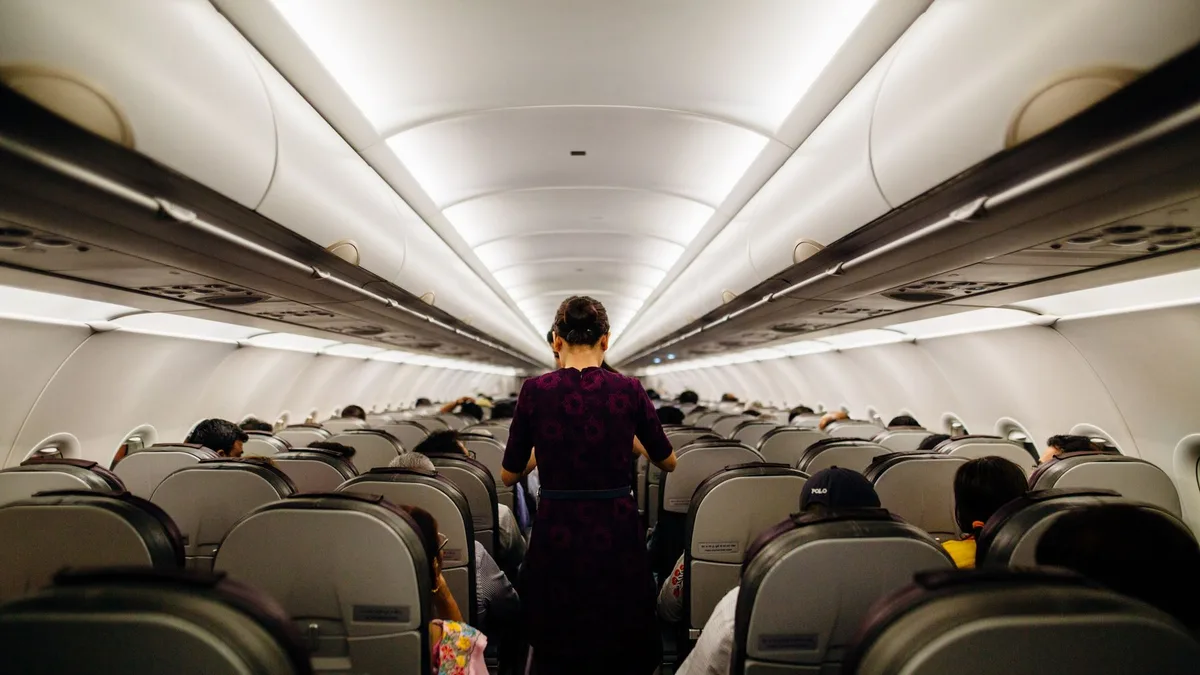
The safety demonstration at the start of each flight is designed for everyone at once. If you have hearing, vision or mobility limitations, it may not answer your specific questions.
Under DOT’s disability rules, passengers with disabilities can request an individual safety briefing. A crew member can explain the nearest exits, how to use the oxygen mask and what to do in an emergency based on your needs.
Simply say, “I’d like to request an individual safety briefing before we depart, please.” Many crew members say passengers rarely ask, even though it can make flying feel much safer.
It’s especially useful if you have trouble hearing announcements. The crew can tell you how they’ll get your attention in an emergency and where to look for instructions.
11. Request Free Assistance at the Airport
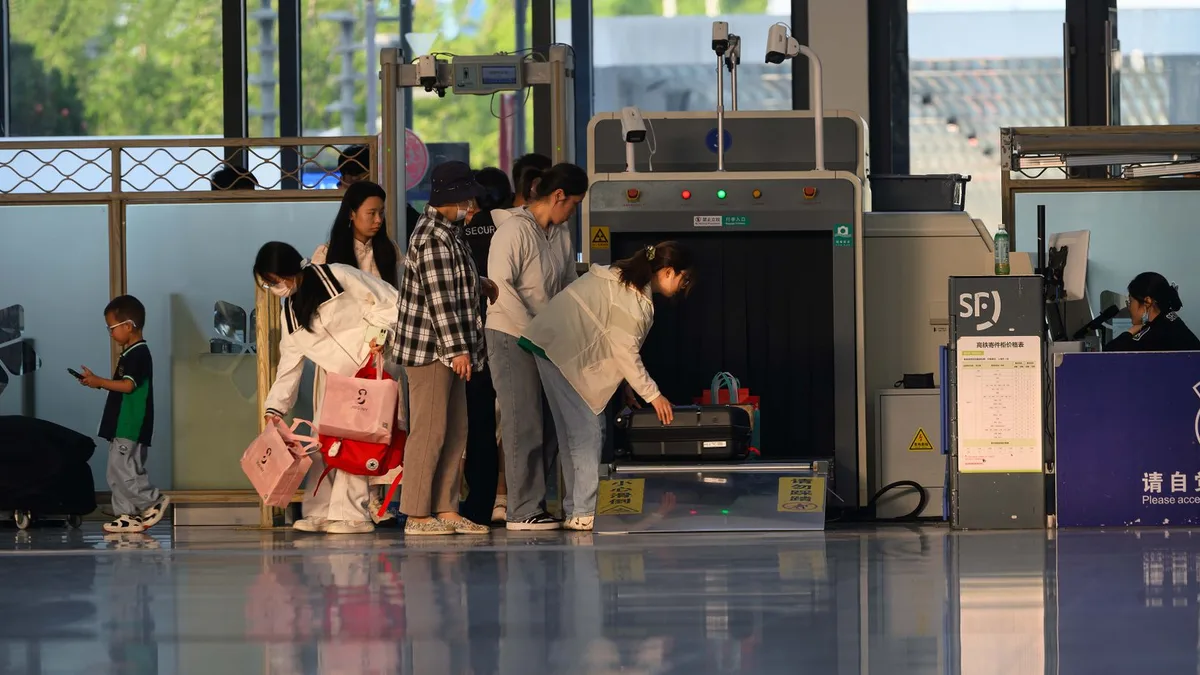
Airports can involve long walks, crowded security lines and tight connections. Airlines must provide wheelchair assistance and help getting through the airport to passengers with disabilities who request it, at no charge.
Request assistance when you book or at least 48 hours ahead when possible, and confirm at check-in. Tipping the attendant is customary in many places, though not required.
Security screening has also become easier. TSA ended its general shoe-removal requirement in July 2025, though officers may still ask you to remove shoes for additional screening, and the TSA Cares helpline can help travelers with disabilities and medical conditions prepare.
TSA PreCheck can make screening faster too, letting eligible travelers keep laptops and liquids in their bags at many checkpoints. Enrollment costs a fee and lasts five years, so it may be worth it if you fly several times a year.
A few polite, prepared phrases can change the whole experience. Practice them before your trip so they feel natural when you need them.
12. Know Your Refund Rights Before Something Goes Wrong
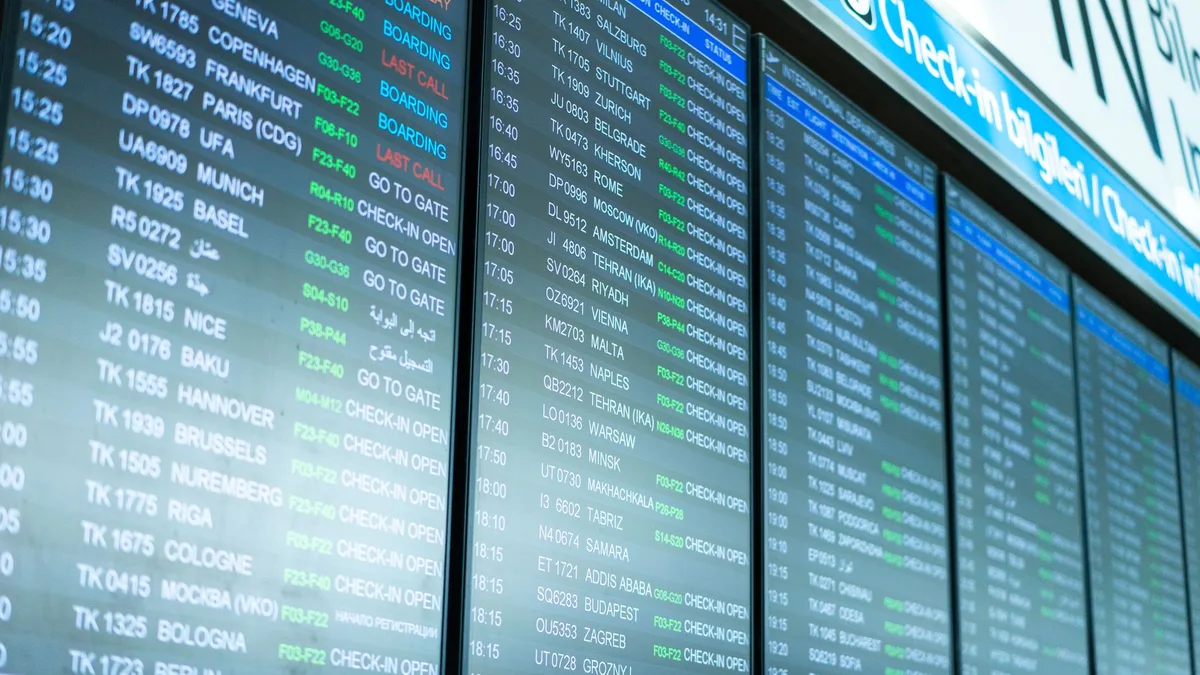
Cancellations and long delays can be stressful, and many travelers accept a voucher without realizing they may be owed cash. Under DOT’s refund rule, you’re entitled to a refund if your flight is canceled or significantly changed and you don’t accept rebooking or other compensation.
For domestic flights, a significant change includes a departure or arrival delay of three hours or more, and for international flights, six hours or more. Changes to a different airport or added connections can also qualify.
In 2026, DOT paused enforcement in one narrow situation, when an airline renumbers a flight but it otherwise operates without a significant change. If your trip is truly disrupted, ask for a refund in writing and file a complaint with DOT if the airline refuses.
Travel insurance is worth considering for expensive trips, especially overseas. Original Medicare generally doesn’t cover care outside the U.S., so check whether your coverage includes emergencies abroad or buy a policy that does.
| Situation | What You’re Usually Owed | What to Do |
|---|---|---|
| Flight canceled, you decline rebooking | Cash refund of the ticket | Ask for a refund, not a voucher |
| Domestic delay of 3+ hours | Refund if you choose not to travel | Request it in writing |
| International delay of 6+ hours | Refund if you choose not to travel | Keep your boarding pass and receipts |
| Medical emergency abroad | Original Medicare generally won’t pay | Buy travel medical insurance before you go |
The most important habit is asking for what you’re owed. Airlines may offer vouchers first, but a calm, specific request for a refund is often all it takes.
Your Before-You-Fly Checklist
A few minutes of planning before your trip can prevent most of the problems flight attendants see. Use this short list the week before you travel.
| Priority | What to Check | What to Do Next |
|---|---|---|
| 1 | Assistance needs | Call the airline to request wheelchair help or note medical needs |
| 2 | Medications | Pack them in your personal item with a written list |
| 3 | Seat | Choose an aisle seat with a movable armrest if possible |
| 4 | Bags | Pack light or check larger bags to avoid lifting |
| 5 | Coverage | Confirm travel insurance and how Medicare works abroad |
The first row is often the most helpful. Requesting assistance ahead of time means a wheelchair or escort is more likely to be waiting when you arrive, instead of searching for help at a busy gate.
Fly Smarter, Safer and Calmer
Flight attendants are one of the most valuable resources on any flight. They can’t offer every service to every passenger unprompted, but most will help when asked politely at the right time.
Before your next trip, pick the three tips that matter most to you, such as preboarding, keeping medications in your personal item and requesting airport assistance. Write down the phrases you plan to use and practice them once or twice.
A little preparation can make flying far less stressful at any age. The traveler who boards informed and asks clearly usually has a smoother, safer and more comfortable trip.
Note: This article provides general educational information, not legal or medical advice. Airline policies and federal rules can change, so check with your airline, TSA and the Department of Transportation before you travel.