

Many people imagine old age arriving all at once. In reality, it’s built slowly, one daily habit and one choice at a time.
Some people grow older with peace, good company and a sense of dignity. Others end up in pain, short on money and surrounded by regrets they could have avoided.
This story follows a hypothetical 95-year-old diner owner who spent decades watching his customers age. Here are the seven habits he says shaped their final years, along with what research shows about each one.
The Diner Owner Who Watched People Age

Consider a hypothetical man we’ll call Eugene, now 95. He opened a small diner in his hometown at 24 and ran it until he was 82, serving eggs at 6 a.m., meatloaf on Thursdays and pie all day.
For 58 years, he poured coffee for many of the same customers. He brought each of them a glass of water before they asked, and he watched them grow old.
Some became gentle and content with age. Others became bitter and made everyone around them miserable too.
After a while, Eugene says he could predict which way a person was heading years in advance. It usually came down to seven habits he saw play out at his counter again and again.
1. Ignoring Your Health

When you’re young, it’s easy to believe your body will hold up no matter what. You stay up late, eat whatever’s in front of you and drive everywhere, because nothing hurts yet.
Eugene remembers a regular we’ll call Leon, who ate three eggs, sausage and home fries every morning with a cigarette and coffee. Leon lived two blocks away but always drove, and he laughed when Eugene told him to walk.
By retirement, Leon’s knees were failing. A few years later he couldn’t climb onto a counter stool, and in his final years Eugene carried breakfast to his house, where Leon ate in a chair by the window.
Eugene isn’t a doctor, and he served pie all day. But he walked to the diner most mornings of his life, and at 95 he still walks to his mailbox.
The CDC recommends that adults 65 and older get at least 150 minutes of moderate activity a week, such as brisk walking. It also recommends muscle-strengthening activities on at least two days and activities that improve balance.
| CDC Guideline for Adults 65+ | Example | How Often |
|---|---|---|
| Moderate aerobic activity | Brisk walking, swimming, dancing | 150 minutes a week |
| Muscle strengthening | Resistance bands, light weights, chair stands | At least 2 days a week |
| Balance activities | Standing on one foot, heel-to-toe walking, tai chi | Several days a week |
Balance matters because falls are a major risk with age. About one in four adults 65 and older falls each year, according to the CDC, and falls are the leading cause of injury in that age group.
It’s never too late to start. Quitting smoking brings health benefits at any age, and even short daily walks can improve strength, mood and sleep.
2. Keeping People Close Who Make You Feel Small
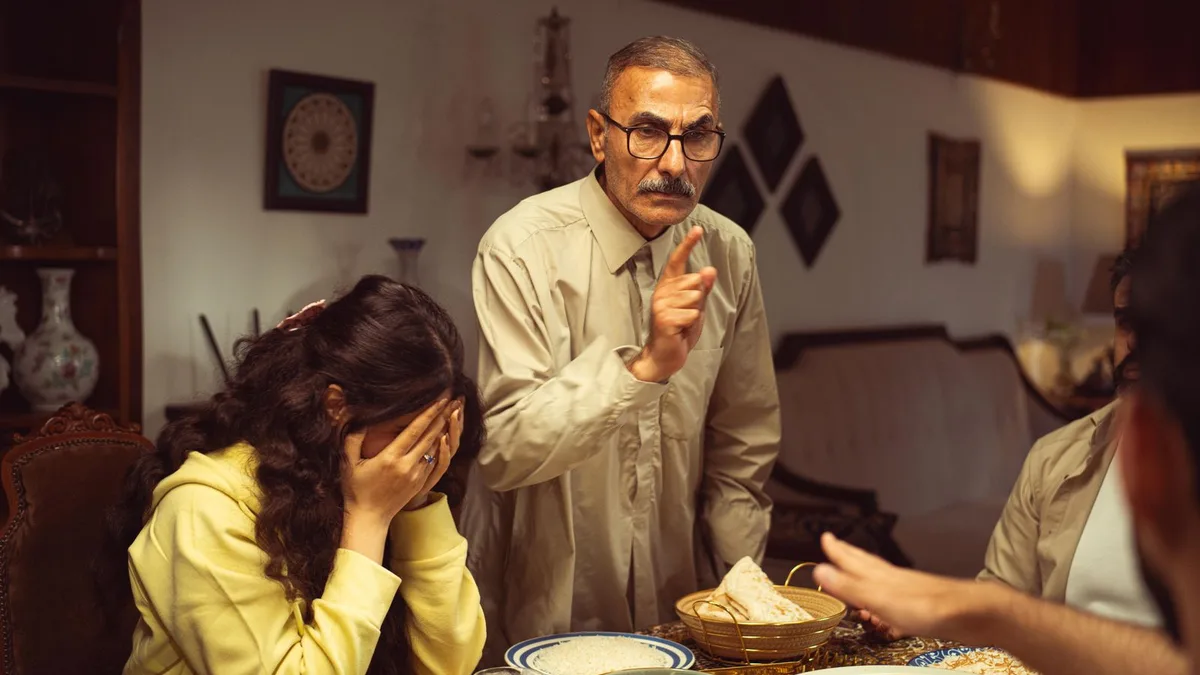
Most people can name someone who leaves them feeling worse every time they’re together. Later in life, there are fewer years to spend on those relationships.
Eugene’s wife, whom we’ll call Ruth, had a brother we’ll call Clyde. For 30 years, Clyde came into the diner, ate every bite of the special and then joked to the whole counter that it was a wonder the place hadn’t been shut down.
They invited him to Sunday dinner every week because he was family. One night after he left, Ruth told Eugene she watched him shrink every time Clyde walked in, and she said they were done inviting him.
They did it quietly and still sent a Christmas card each year. They simply stopped giving Clyde their Sundays, and Eugene says he started liking his own diner again.
Research supports the value of good relationships. The Harvard Study of Adult Development, which has followed participants since 1938, found that people most satisfied with their relationships at 50 were the healthiest at 80.
| Draining Relationship | Supportive Relationship |
|---|---|
| Constant criticism disguised as jokes | Honest feedback given with respect |
| You feel tense before seeing them | You look forward to seeing them |
| Your successes are dismissed | Your successes are celebrated |
| You leave feeling smaller | You leave feeling understood |
Setting limits doesn’t have to mean cutting someone off. Seeing a person less often, keeping visits short or changing the subject can protect your peace without a dramatic break.
The other half is making room for the right people. Joining a club, volunteering or simply calling a friend more often can fill the space a draining relationship leaves behind.
3. Spending Money to Look Good

Nice cars, fancy clothes and expensive gestures can feel like success. But spending to impress others can leave you with little at the one stage of life when it’s hardest to earn more.
Eugene remembers a customer we’ll call Vernon, the best-dressed man who ever sat at his counter. He wore pressed suits, drove a new car every couple of years and paid for the whole counter’s coffee on Fridays so people would see it.
Vernon never saved, and he liked to say money was for spending. At 78, he waited until the counter cleared one morning and quietly asked if he could run a tab for his coffee.
Eugene ran that tab for about two years and finally tore it up without saying a word. Vernon never mentioned it either, but he stopped coming in on Fridays.
Social Security usually isn’t enough on its own. The average retired-worker benefit was about $2,071 a month in 2026, which is why savings matter so much for a comfortable retirement.
| Amount Saved Each Month (Hypothetical) | After 10 Years | After 20 Years |
|---|---|---|
| $100 | About $15,500 | About $41,100 |
| $300 | About $46,600 | About $123,300 |
| $500 | About $77,600 | About $205,500 |
These examples assume a steady 5% annual return compounded monthly, before taxes and fees. Real returns vary, but the point is clear: small, regular savings can grow into a meaningful cushion.
Ask yourself one question. If your income stopped tomorrow, how long could you live without asking someone else for help?
A simple rule can help. Before a big purchase, wait a few days and ask whether you’d still want it if no one else would ever see it.
It also helps to pay yourself first. Setting up an automatic transfer to savings on payday makes saving a habit instead of a decision you have to make every month.
4. Living Your Life for What People Will Say

Many people make decisions based on what others might think. Later, they look back and realize they rarely lived the way they truly wanted to.
Eugene admits this one was his own mistake. For 20 years, he kept the diner open seven days a week, not because he needed the money on Sundays, but because he worried people would think he was lazy or business was bad.
As a result, he missed most of his son’s Sunday ball games. Ruth went to every one, then stopped by the diner afterward to tell him about the game while he wiped down the counter.
When Eugene finally started closing on Sundays at 60, he put a small sign in the window. He says not one person mentioned it, and by then his son was grown and gone.
Eugene didn’t lose his business by closing one day a week. What he lost was time with his son that he could never get back.
This regret is common. Bronnie Ware, a former palliative care worker, wrote that the most common regret she heard from dying patients was wishing they’d had the courage to live a life true to themselves, not the life others expected.
5. Carrying a Grudge

A grudge can feel like a way to punish someone. In reality, the person holding it usually carries most of the damage.
Eugene tells the story of two brothers we’ll call Otis and Russell, who fought over the farm their father left them. They stopped speaking for 26 years.
Both ate breakfast at Eugene’s diner every day. Otis came in at 6 a.m. and left just before Russell arrived at 7, sitting on the same stool an hour apart for 26 years.
When Russell died in his sleep at 74, Otis came in at 7 the next morning. He sat on his brother’s stool, ordered his brother’s breakfast and didn’t eat a bite.
Otis finally sat in his brother’s seat, but his brother wasn’t there to see it. Twenty-six years of silence had cost both men far more than the farm was worth.
The Mayo Clinic notes that letting go of grudges and bitterness can lead to healthier relationships, less anxiety and stress, and lower blood pressure. Forgiveness doesn’t mean excusing what happened, but it can free you from carrying it.
If there’s someone you haven’t spoken to in years, start small. A short card, a brief phone call or a message through a relative can open the door without forcing a big conversation.
Sometimes the other person won’t respond, and that’s out of your control. Even then, many people find that deciding to let go brings relief.
6. Trying to Change the People You Love

Many people spend years trying to reshape a spouse or grown children. Often, the only thing that changes is how much those loved ones want to be around them.
Eugene wanted his son, whom we’ll call Paul, to take over the diner. Paul wanted to teach eighth-grade history, but Eugene brought up the diner at Thanksgiving, on Paul’s birthday and even at his wedding.
Paul began calling less and visiting less. One night Ruth told Eugene he was trying to fix a boy who wasn’t broken.
That spring, Ruth made Eugene attend a parents’ day at Paul’s school. He sat in the back of the classroom and watched his son teach a room full of 13-year-olds about the Civil War, with every student listening.
Eugene says he spent 10 years trying to change his son when he should have spent one afternoon in his classroom. Accepting adult children as they are often brings them closer, not further away.
The same goes for spouses. After decades together, asking questions about their interests usually builds more closeness than repeating the same complaints.
If you want to share advice, ask first whether they’d like your opinion. That small step shows respect and makes it more likely your words will be heard.
7. Deciding You’re Done Learning

The moment a person decides they already know everything, the world starts moving on without them. Over time, they can become strangers in their own lives.
A longtime customer we’ll call Lloyd announced at 65 that he was too old to learn anything new. He refused to use a new phone, the ATM or video calls, even after his grandchildren moved across the country and asked to see him.
They eventually stopped asking. By his last years, Lloyd mostly talked about how things used to be, and few people were left who remembered.
Refusing new technology can also create practical problems. Banks, doctors’ offices and government agencies increasingly expect people to check accounts, refill prescriptions and get updates online.
Eugene took a different path. After he sold the diner, the new owners’ son set him up with a tablet, and it took him about a month to master video calls, but now he sees his great-granddaughter at college every Sunday night.
Research suggests that learning keeps the brain engaged. In the Synapse Project, published in Psychological Science in 2014, older adults spent months learning demanding new skills, like digital photography or quilting.
Those learners showed improvements in memory compared with people doing less challenging activities. The key seemed to be skills that felt hard at first, not just staying busy.
The Glass of Water That Matters Most
For 58 years, the first thing Eugene did when someone sat down was bring them a glass of water. It was his way of letting them know someone had noticed them come in.
In his final years at the diner, some regulars became too frail to visit. After the lunch rush, Eugene packed their usual meals and drove them over, which let him see inside many homes.
One was a retired judge who lived in the biggest house in town. He sat alone with the television on and told Eugene his children hadn’t visited since Christmas, though it was already June.
Another was a widow who lived in two small rooms on a modest pension. Every evening her grandson stopped by after work, brought her a glass of water and sat with her for a few minutes.
Eugene knows which of them he’d rather have been. Money matters, but no bank account can walk across a room and bring you a glass of water.
That lesson has strong research behind it. In 2023, the U.S. Surgeon General warned that a lack of social connection can raise the risk of early death about as much as smoking up to 15 cigarettes a day.
When Ruth was sick in her final year, Paul drove up every weekend and held the glass for her while she drank. Today, Eugene’s granddaughter stops by most evenings, brings him water and sits with him to talk.
Why Small Habits Add Up Over Decades
None of these seven habits looks dangerous on any single day. Skipping a walk, avoiding a hard conversation or buying something to impress people rarely feels like a big decision.
The trouble is that habits compound, much like money in a savings account. Twenty years of daily choices can decide whether you can climb stairs, whether you have savings and whether anyone visits.
| Habit to Quit | What to Do Instead |
|---|---|
| Ignoring your health | Walk daily and add strength and balance work |
| Keeping people who make you feel small | Spend more time with people who lift you up |
| Spending to look good | Save first and spend on what you value |
| Living for others’ opinions | Make choices that fit your own priorities |
| Carrying a grudge | Reach out or let it go for your own peace |
| Trying to change loved ones | Accept them and show interest in their lives |
| Deciding you’re done learning | Pick one new skill and practice it weekly |
The good news is that habits work in both directions. Small positive changes can build up just as steadily, even when you start late in life.
What You Can Start This Week
You don’t have to change everything at once. Picking one habit and making one small move this week is enough to begin.
Take a 10-minute walk after lunch, then add a few minutes each week. If you already walk, try adding two short strength sessions using a chair or resistance band. If you haven’t spoken to a sibling or old friend in years, consider writing a short note or making a brief phone call.
Look at your last month of spending and find one expense that’s mostly about appearances. Redirect that money to savings, even if it’s a small amount.
Ask a grandchild, neighbor or librarian to show you one new skill on your phone or computer. And make time for someone you love, because the people who show up at the end are usually the ones you made room for in the middle.
It’s Never Too Late to Change Course

Eugene’s story is a reminder that old age isn’t only about luck. Genes and health problems play a role, but daily habits shape much of what happens.
At 95, he still walks, still learns and still visits the diner he sold every week. He didn’t get everything right, but he changed the habits he could while there was still time.
Ask yourself whether what you’re doing today is likely to bring peace or regret later. Then think about who brings you a glass of water, and who you might bring one to.
Note: Eugene and the other people in this article are hypothetical examples used to illustrate common experiences. This article provides general information, not medical, financial or mental health advice, so talk with your doctor before starting a new exercise program.