Asymmetrical Bob Haircuts: 15 Bold and Modern Ideas to Try Now
An asymmetrical bob never needs much help to feel interesting.
One longer side can soften the face, sharpen the jawline, or completely change the balance of the cut.
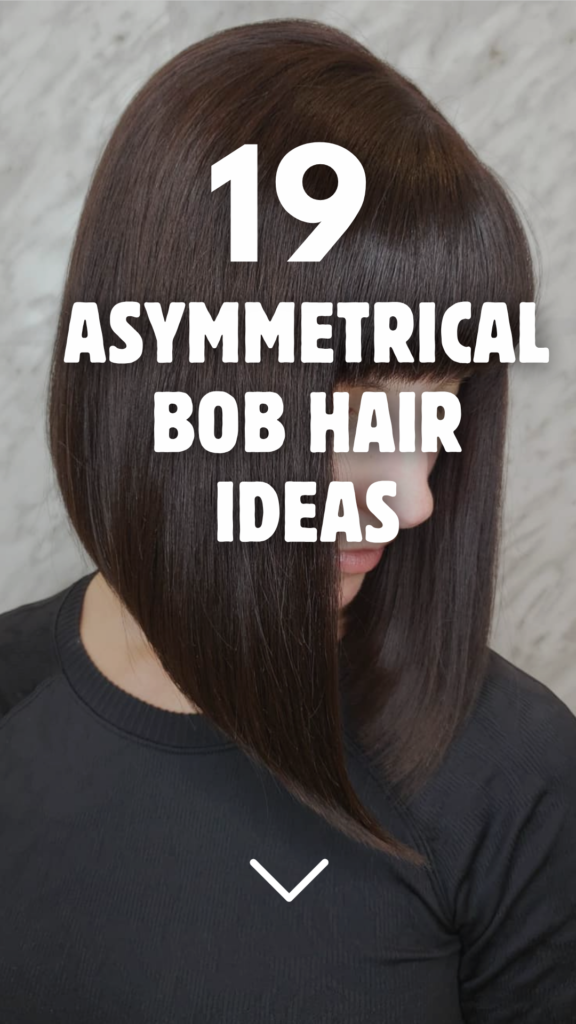
These 15 ideas range from sleek salon shapes to textured, easy-going versions with plenty of movement.
Sleek Side-Parted Bob
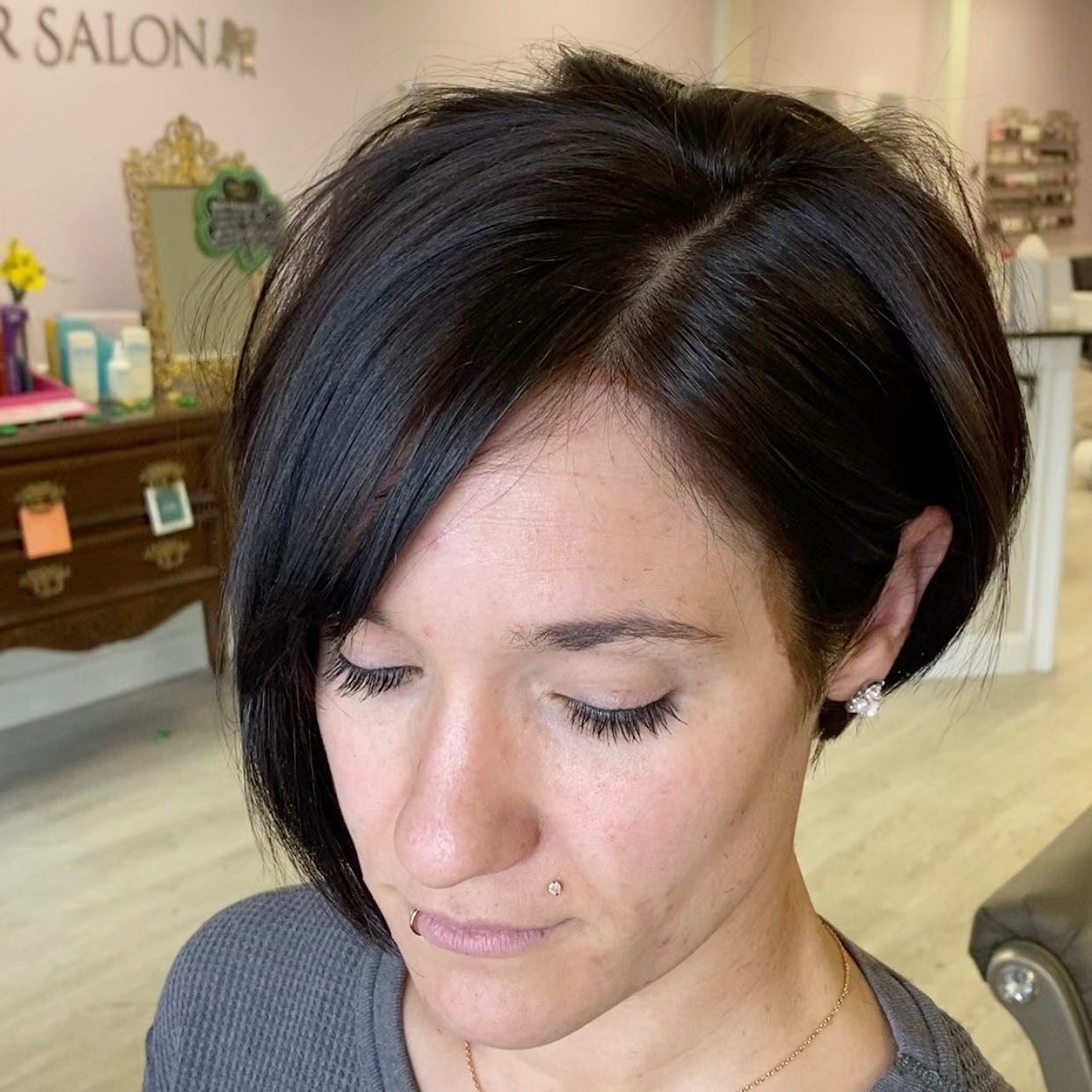
The deep part sends most of the weight across the forehead, giving the longer side a clean, sweeping line.
Tucking the shorter side behind the ear makes the uneven length feel deliberate rather than subtle.
A smooth finish suits this precise shape, but a little crown lift keeps it from sitting too flat.
Best for: Straight or lightly wavy hair that holds a polished outline.
Keeps it smooth: Direct the dryer downward and finish the longer piece with a flat brush.
Asymmetrical Pixie Bob
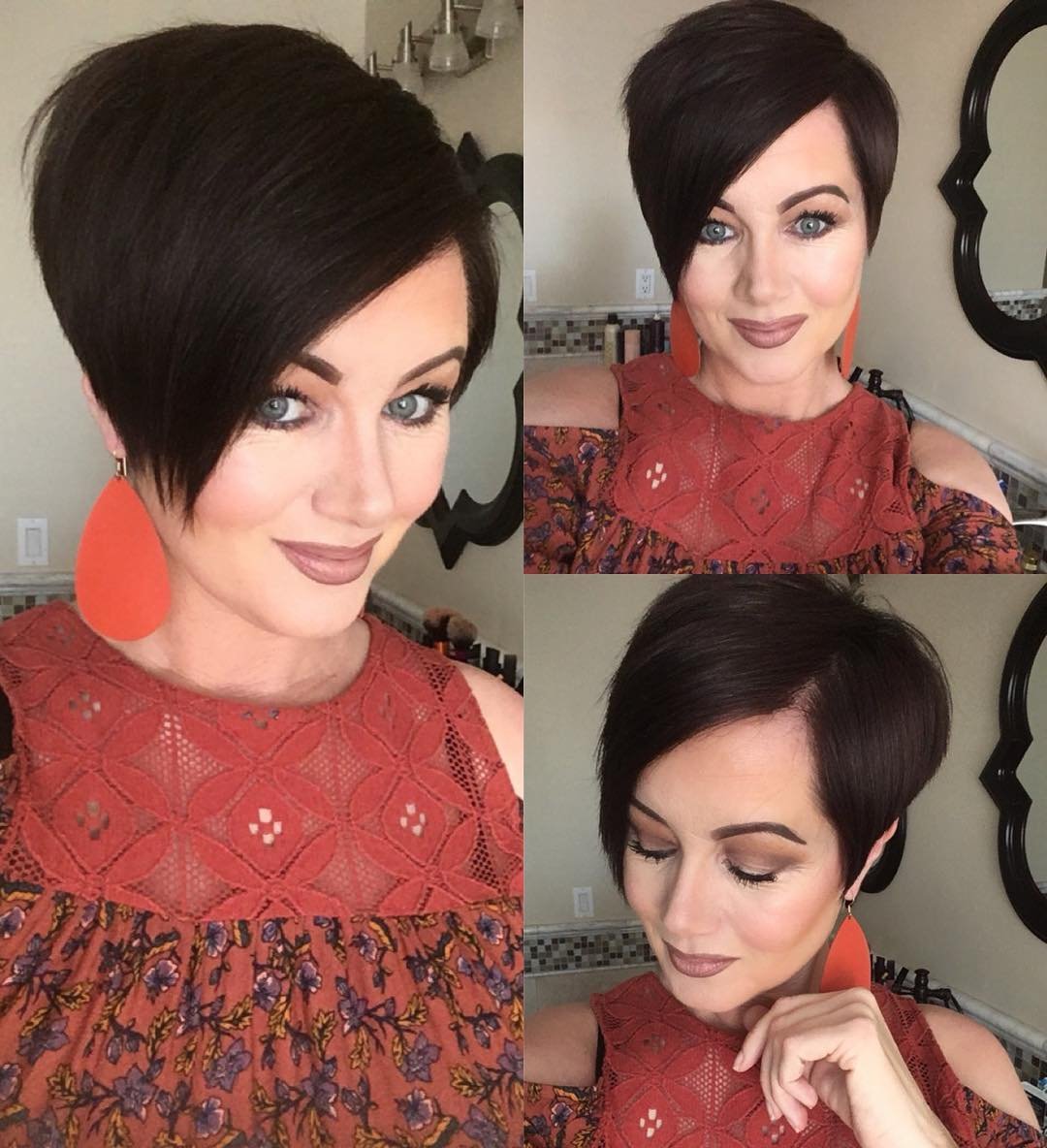
A rounded crown gives the shorter cut enough fullness to balance the long diagonal fringe.
The close side keeps the neckline neat while the front still has room to move and frame the eye.
This shape is easier to restyle than it looks because most of the work happens in the fringe.
Quick styling: Blow-dry the fringe across the face, then separate the ends with your fingers.
Salon tip: Keep soft weight through the crown so the cut does not collapse between trims.
Undercut Bob with a Long Opposite Side
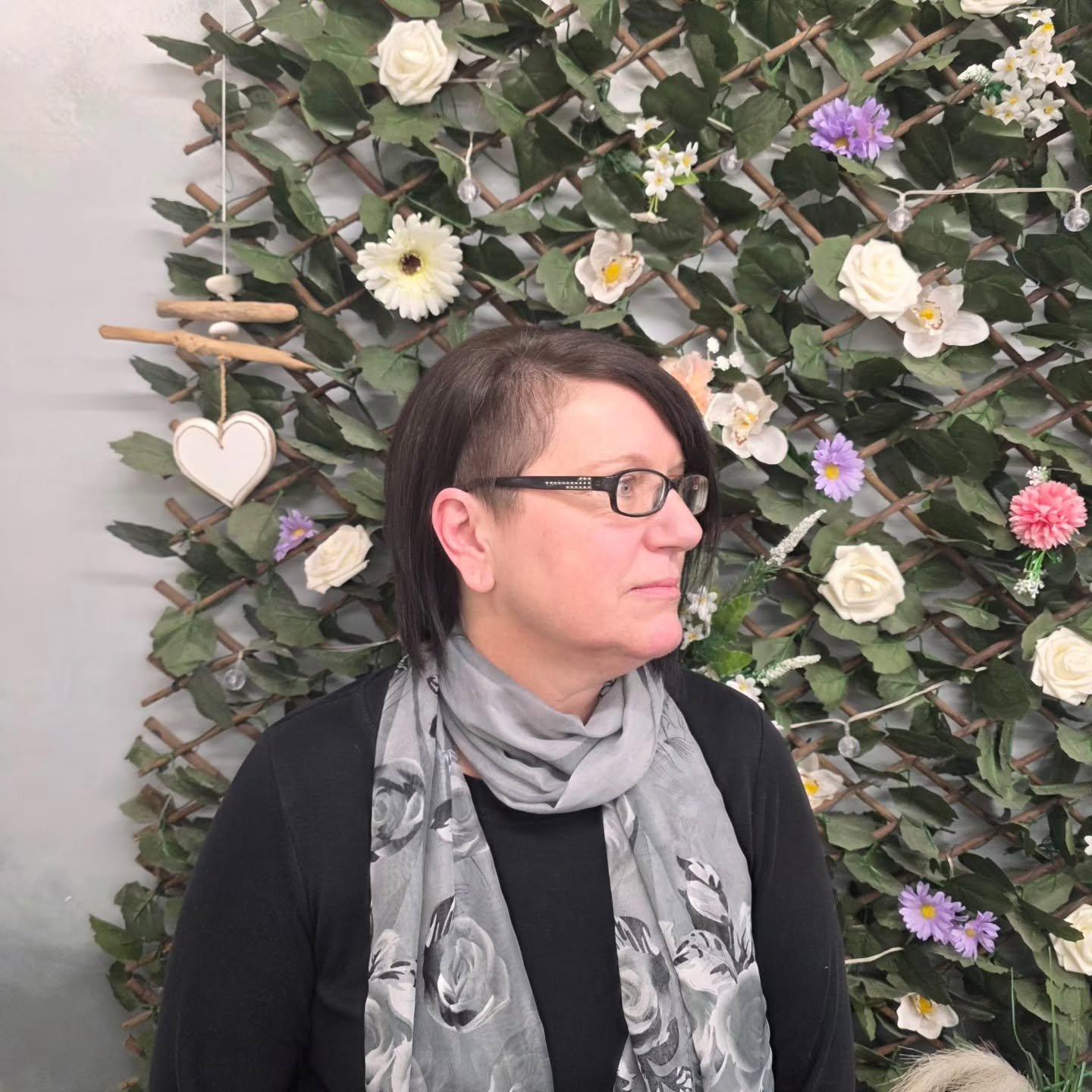
The close-cut side removes bulk and makes the longer section feel even more defined.
Leaving length through the opposite front keeps the style flexible enough to wear forward or tucked back.
Regular clean-ups matter here because the contrast softens quickly as the undercut grows.
Ask your stylist: To blend the back carefully so the two lengths connect cleanly.
Easy to maintain: Refresh the short side every few weeks and leave the longer panel mostly untouched.
Precision Angled Bob with a Rounded Back
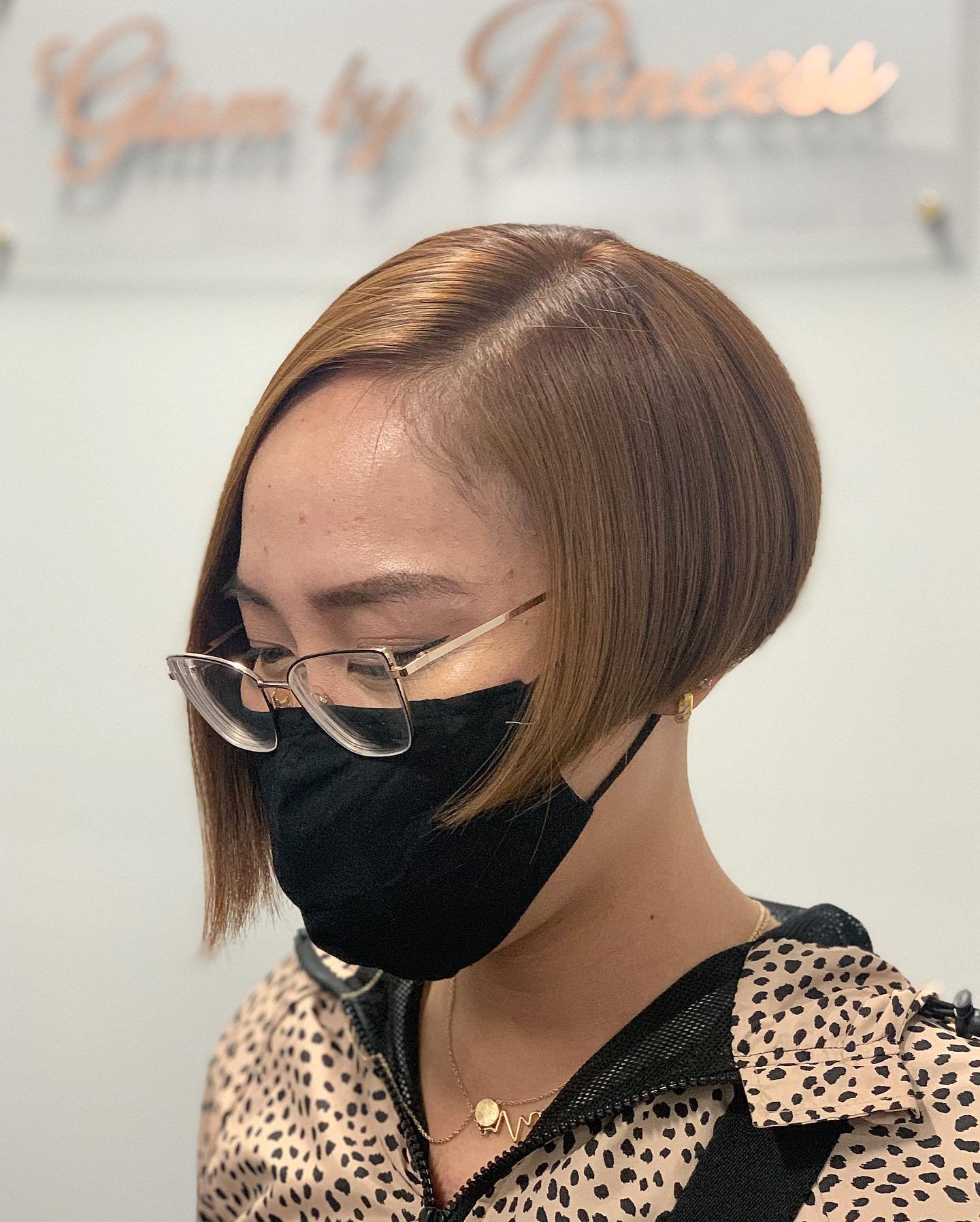
The rounded back gives the cut structure while the longer front creates a sharp diagonal line.
Minimal layering keeps the surface sleek and allows the perimeter to do all the work.
This kind of precision cut holds its shape best when the ends stay dense and freshly trimmed.
Best for: Fine to medium straight hair that benefits from a strong outline.
For that finish: Use a paddle brush first, then curve the back gently under with a round brush.
Long Asymmetrical Bob with a Full Fringe
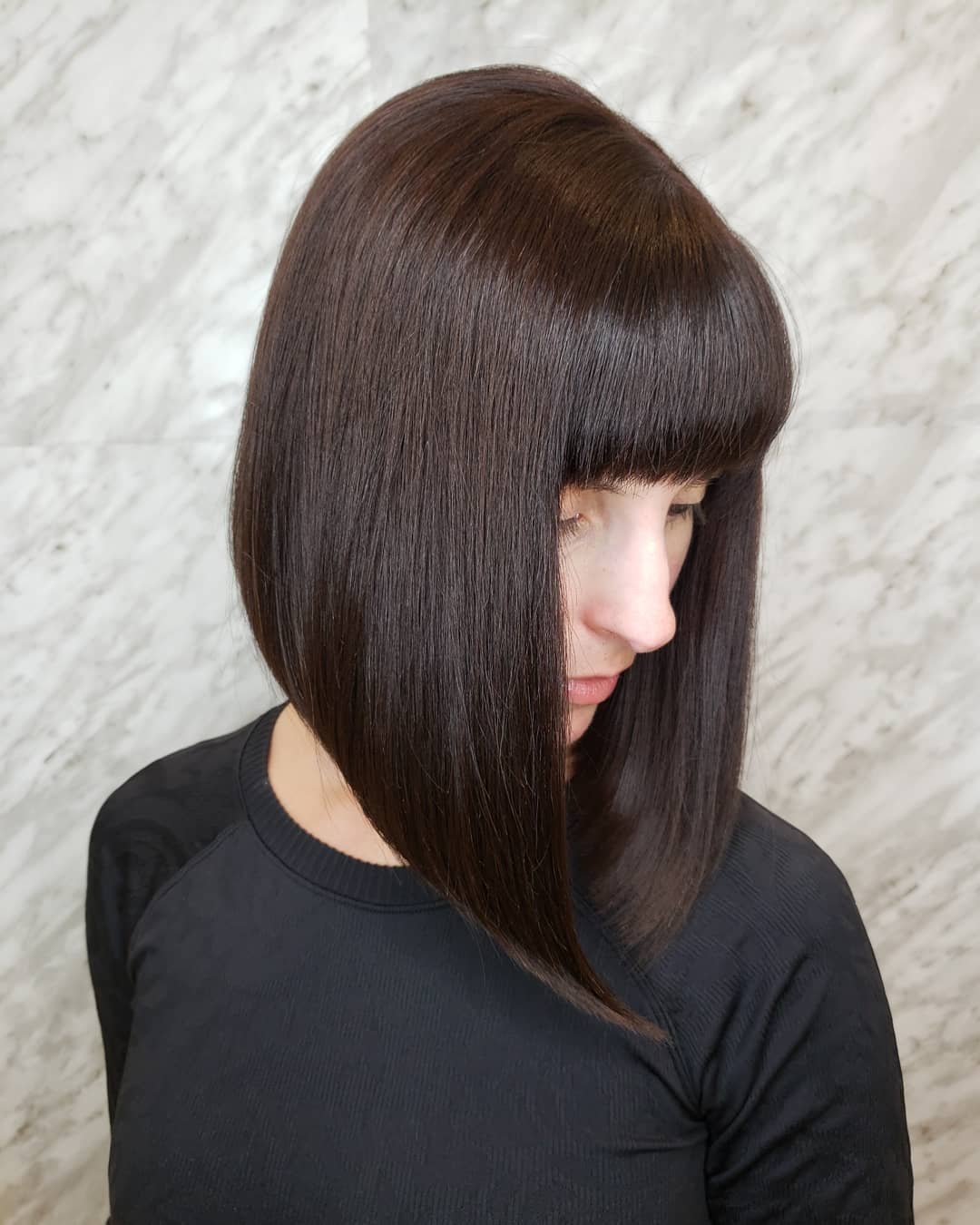
A full fringe gives the front a strong horizontal line against the sloping lengths.
The longer side extends the face frame while the shorter back keeps the overall shape recognisably bobbed.
Keeping the surface smooth makes the difference in length look cleaner and more graphic.
Good to know: The fringe and perimeter will need regular trims to stay crisp.
Keeps it in place: Use a light anti-humidity spray rather than a heavy finishing oil.
Classic Side-Parted Asymmetrical Bob
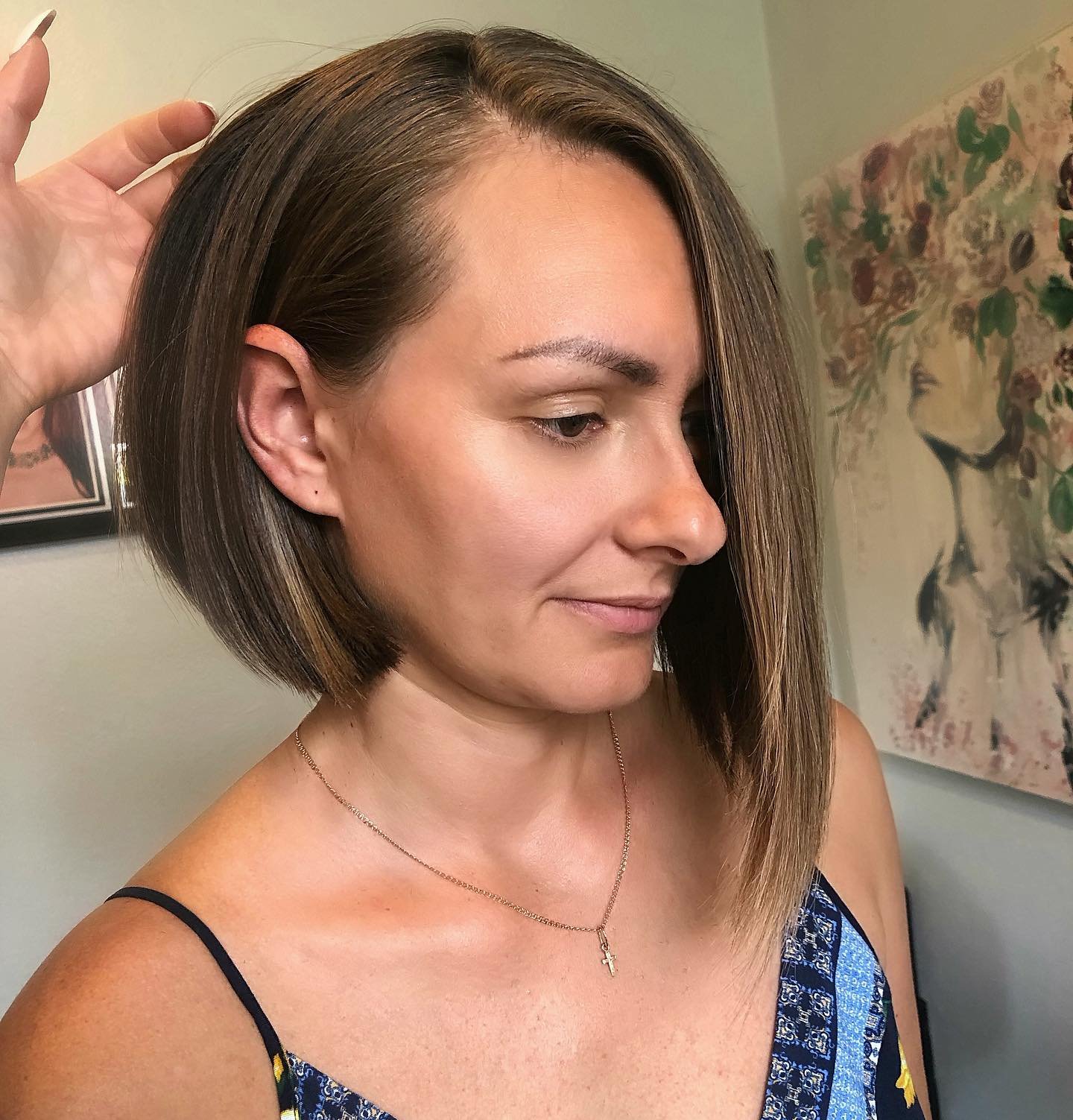
The difference in length is noticeable without feeling extreme, which makes this an easy first asymmetrical cut.
A side part adds natural lift and guides the longer section across the cheekbone.
The shorter side can be tucked back for a sharper finish or left loose for a softer outline.
Works great if: You want a modern bob that still feels practical for everyday wear.
At home tip: Dry the shorter side close to the head and give the longer side a gentle bend.
Disconnected Pixie Bob with an Extended Fringe
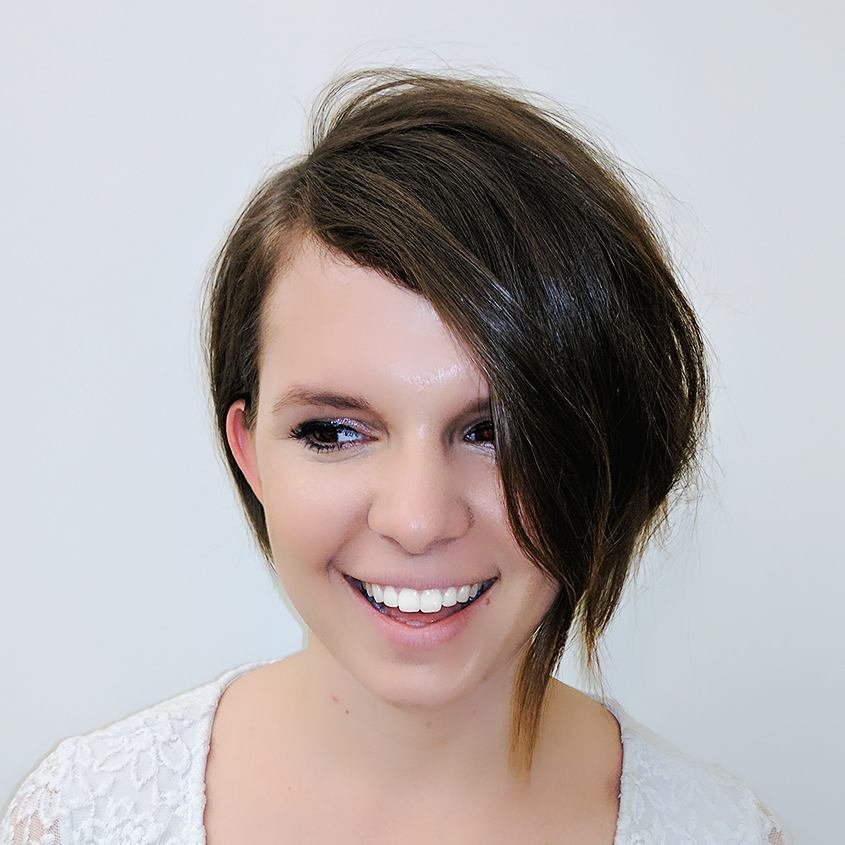
The long front panel creates a bold line while the opposite side stays cropped and light.
Extra height through the crown prevents the fringe from pulling the whole cut downward.
A slightly piecey finish suits the disconnected shape better than perfectly flat styling.
For root volume: Lift the crown with a vent brush while directing the fringe forward.
Holds better with: A small amount of dry texture paste worked into the ends.
Extra-Long Angled Bob with a Pointed Side
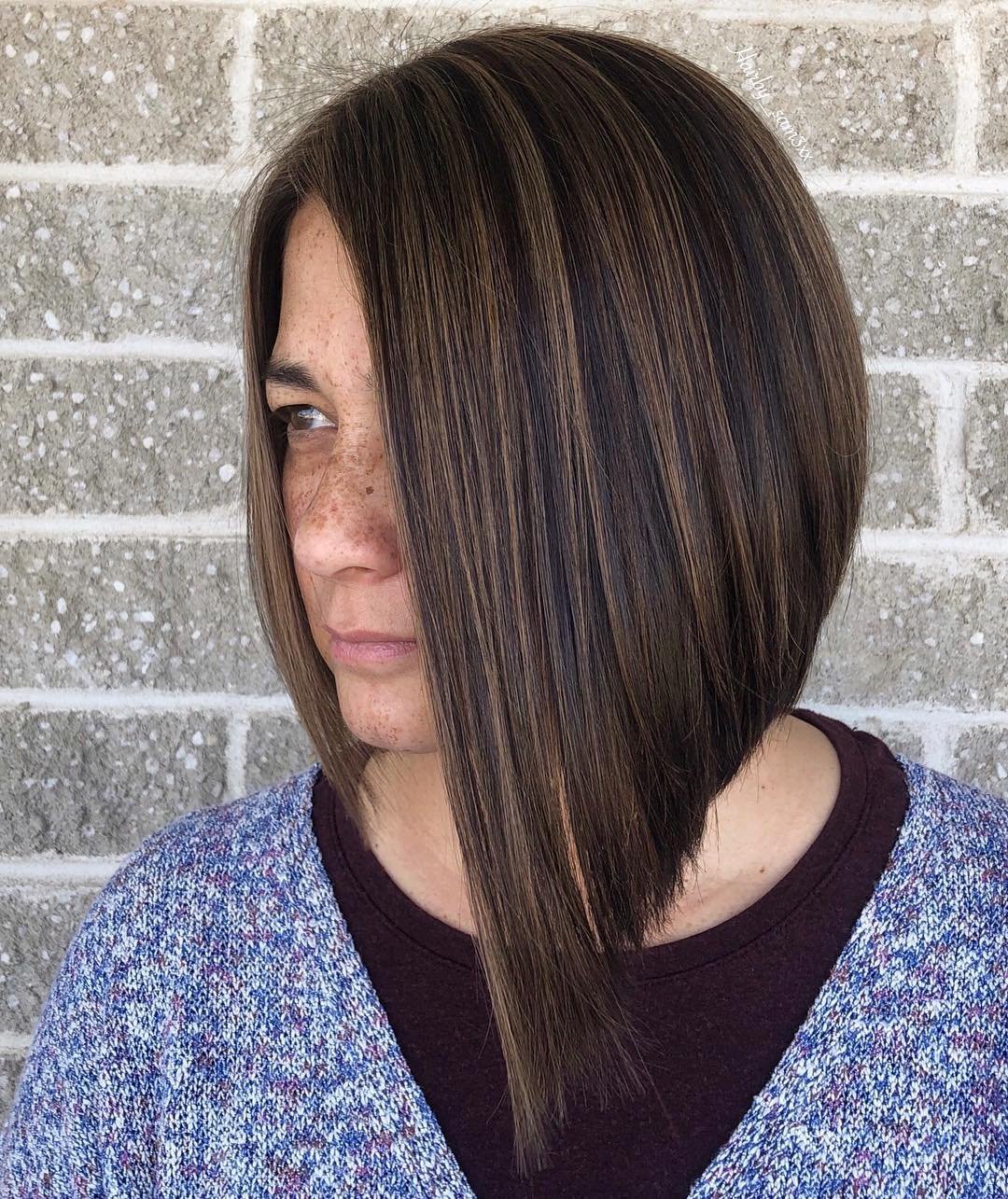
The extended side gives the cut a dramatic line without requiring short layers through the top.
A compact back keeps the weight controlled and allows the long point to sit close to the body.
This shape depends on a clean perimeter, so over-thinning the ends can weaken the effect.
Ask your stylist: For a solid long point with minimal texturising near the front.
Keeps it smooth: Straighten in narrow sections and follow each pass with a fine comb.
Graduated Asymmetrical Bob with Face-Framing Highlights
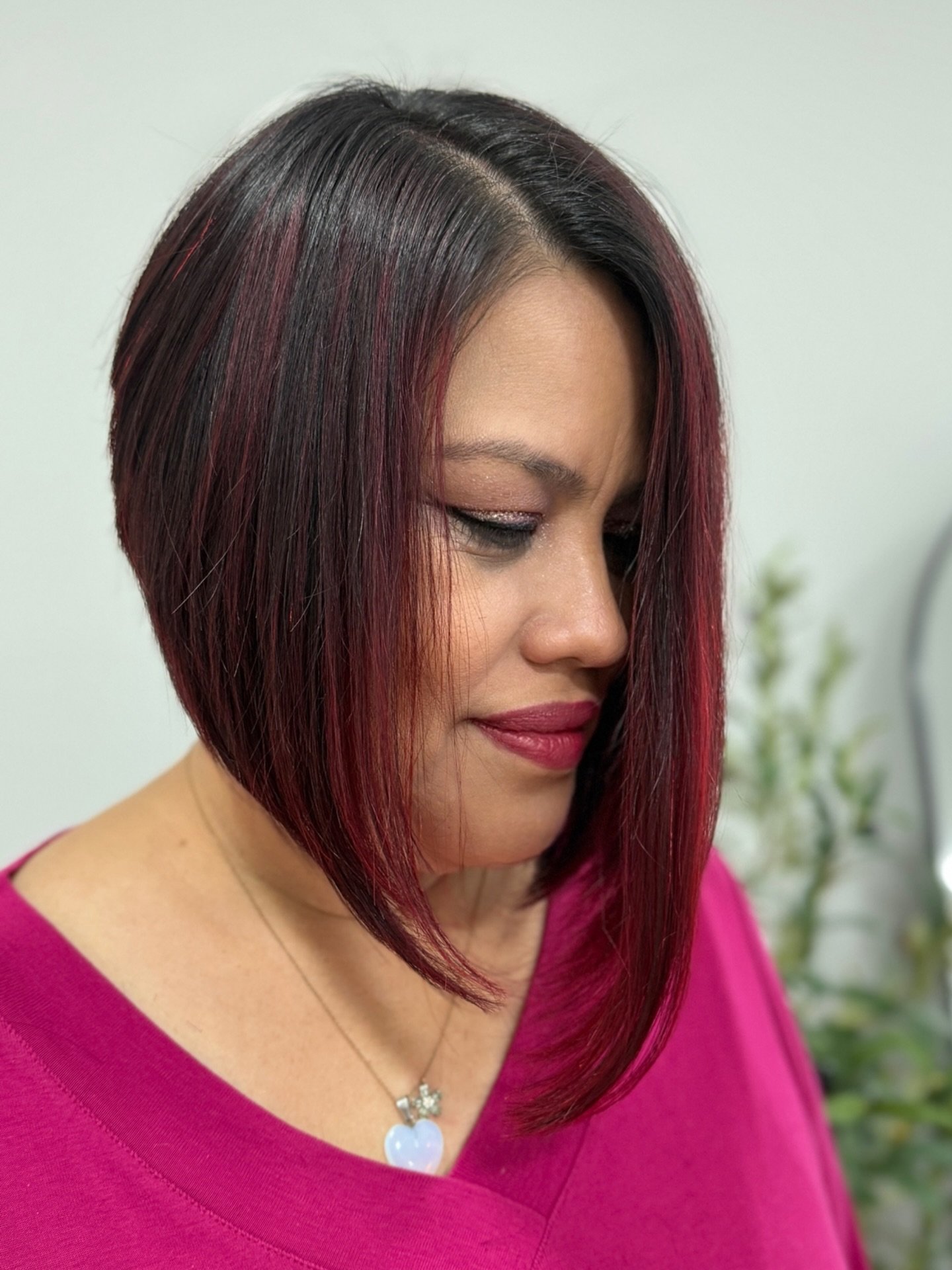
A graduated back builds a rounded shape while the front lengths stay sleek and elongated.
The brighter face-framing pieces draw attention to the angle and make the longer side stand out.
Keeping the ends softly curved stops the strong cut from feeling overly rigid.
Salon tip: Place brighter colour near the front rather than throughout the entire bob.
Quick styling: Turn the front ends slightly inward after smoothing the rest straight.
Long Asymmetrical Bob with a Sweeping Front
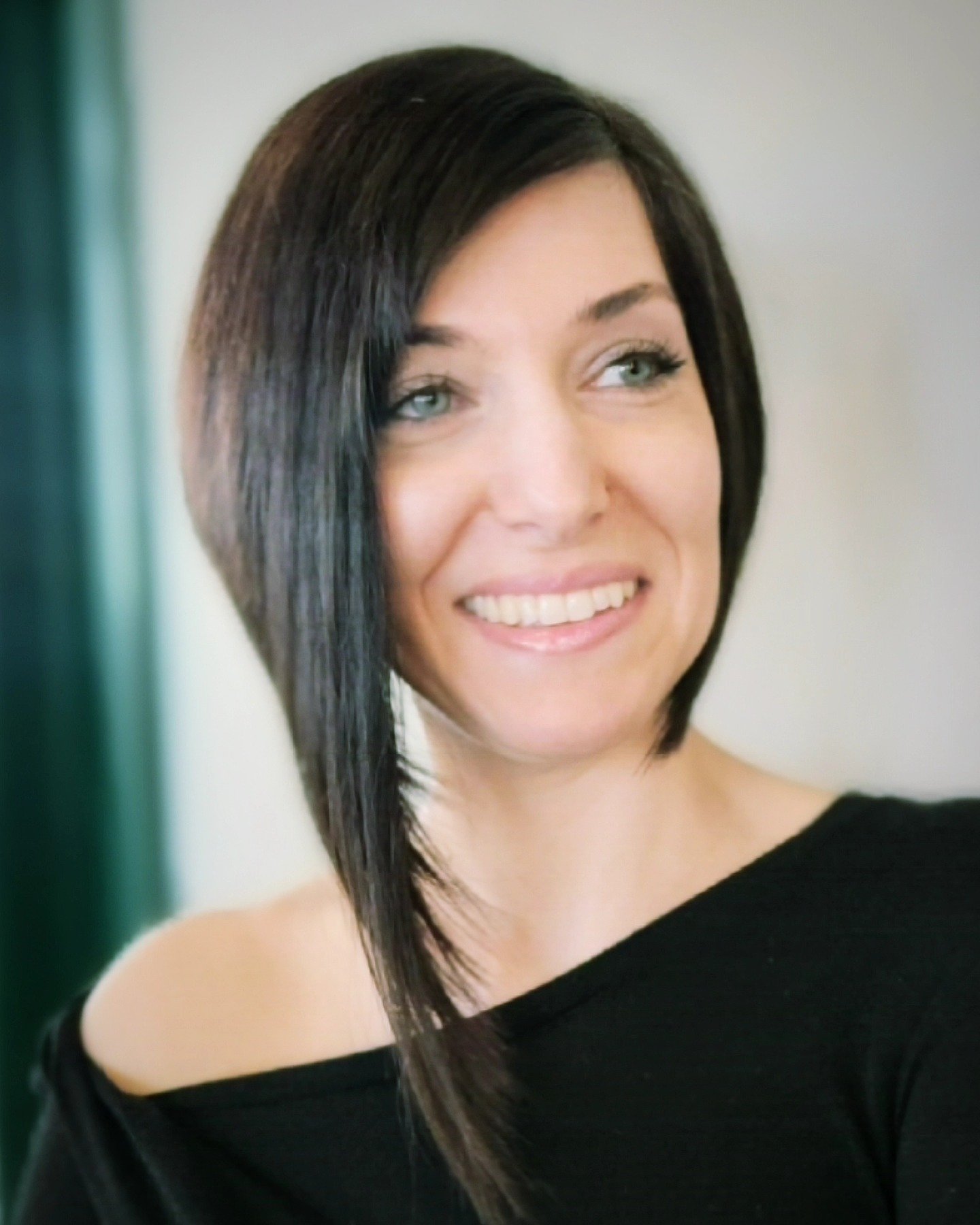
The long front falls well below the jaw while the opposite side keeps a compact bob length.
A broad side sweep helps the two lengths connect visually across the top.
Keeping the crown smooth allows the extended side to remain the main feature.
Best for: Straight medium-density hair with enough weight to hold the long front line.
For that finish: Use a shine spray on the mid-lengths only so the roots stay light.
Blunt Bob with a Hidden Side Undercut
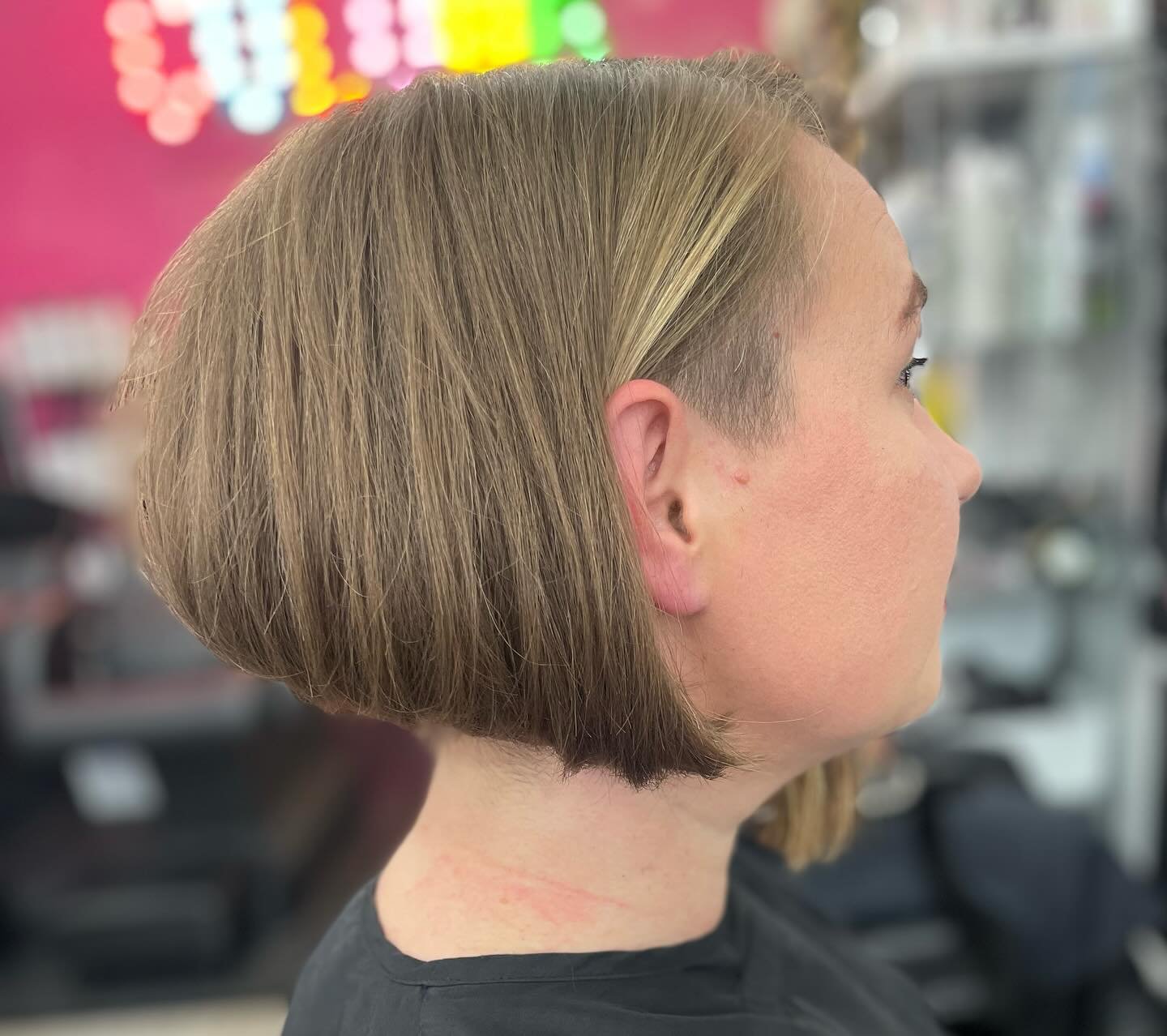
The undercut removes weight around one temple while the outer bob keeps a smooth, rounded shape.
Worn down, the cut can look subtle; tucked behind the ear, the shorter section becomes the focus.
This is a practical way to reduce bulk without losing the appearance of a fuller bob.
Works great if: Thick hair feels heavy around the sides or behind the ears.
Good to know: The undercut needs more frequent upkeep than the outer perimeter.
Soft Asymmetrical Bob with Natural Volume
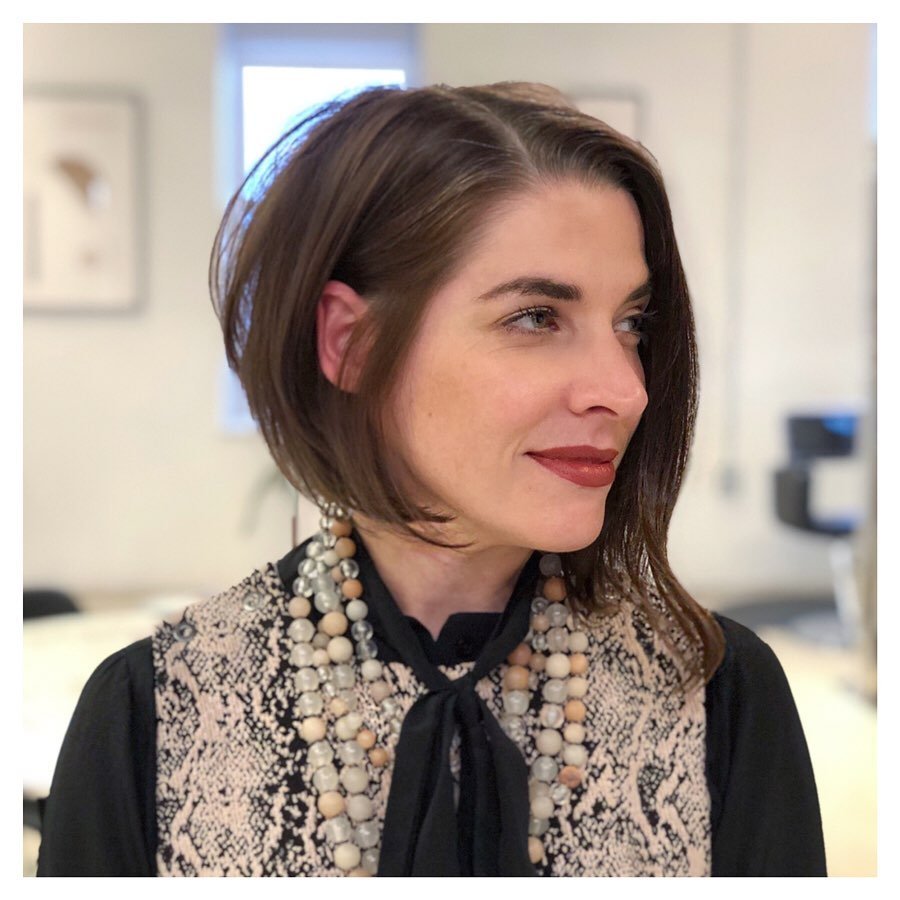
A rounded back and gently longer front create asymmetry without a severe diagonal edge.
The side part gives the crown relaxed lift and lets the longer section fall naturally beside the face.
Soft movement through the ends makes this version forgiving between salon visits.
Easy to maintain: The subtle length difference grows out more gently than a sharp angle.
At home tip: Use a large round brush for movement rather than trying to make every strand pin-straight.
Textured Stacked Bob with a Longer Side
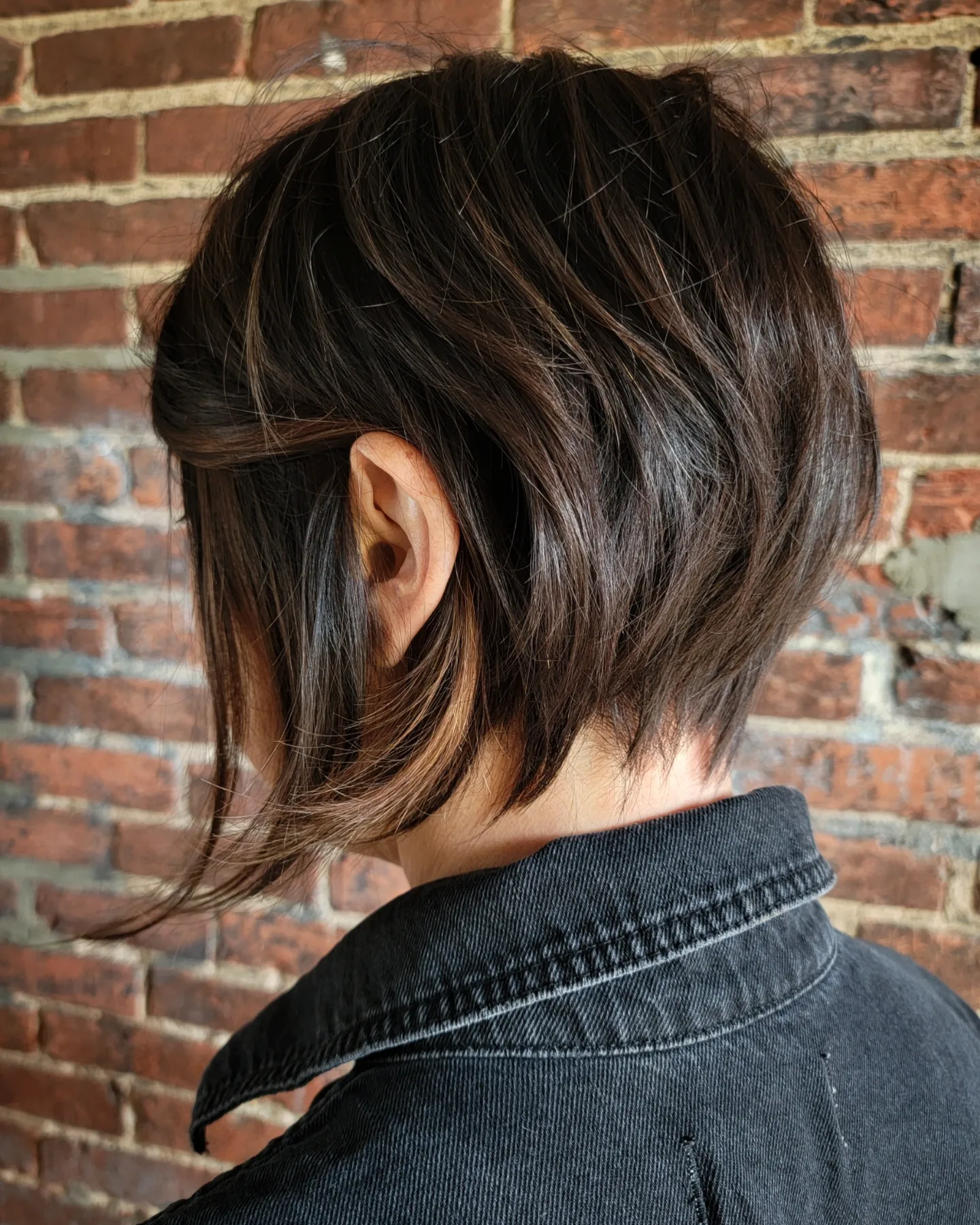
Short stacked layers build lift through the back while the longer side keeps the silhouette uneven and modern.
The textured finish softens the graduation, so the cut feels less formal than a polished angled bob.
Leaving a little separation at the nape helps the layers show without looking bulky.
For root volume: Dry the back upward with your fingers before shaping the longer side.
Holds better with: A light texture spray applied underneath the top layer.
Wavy Asymmetrical Bob with a Long Side Sweep
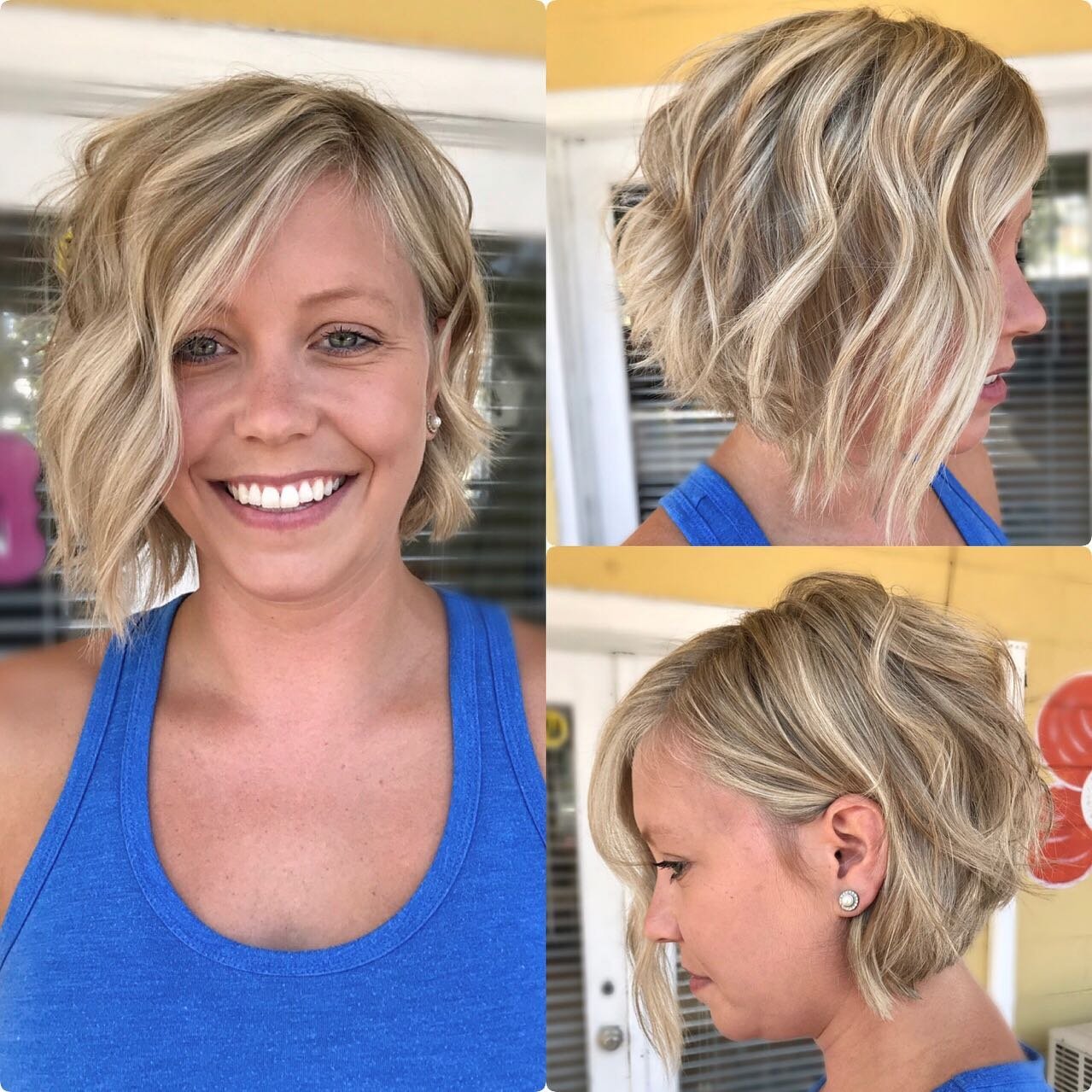
Loose waves make the uneven length feel softer and more relaxed.
The longer front section frames the face while the shorter side keeps the neckline light.
Alternating the wave direction stops the shape from becoming too round or overly styled.
Quick styling: Curl only the surface and front pieces, then loosen them with your fingertips.
Fighting frizz: Press a small amount of styling cream over the ends after the waves cool.
Sleek Pointed Bob with Side-Swept Fringe
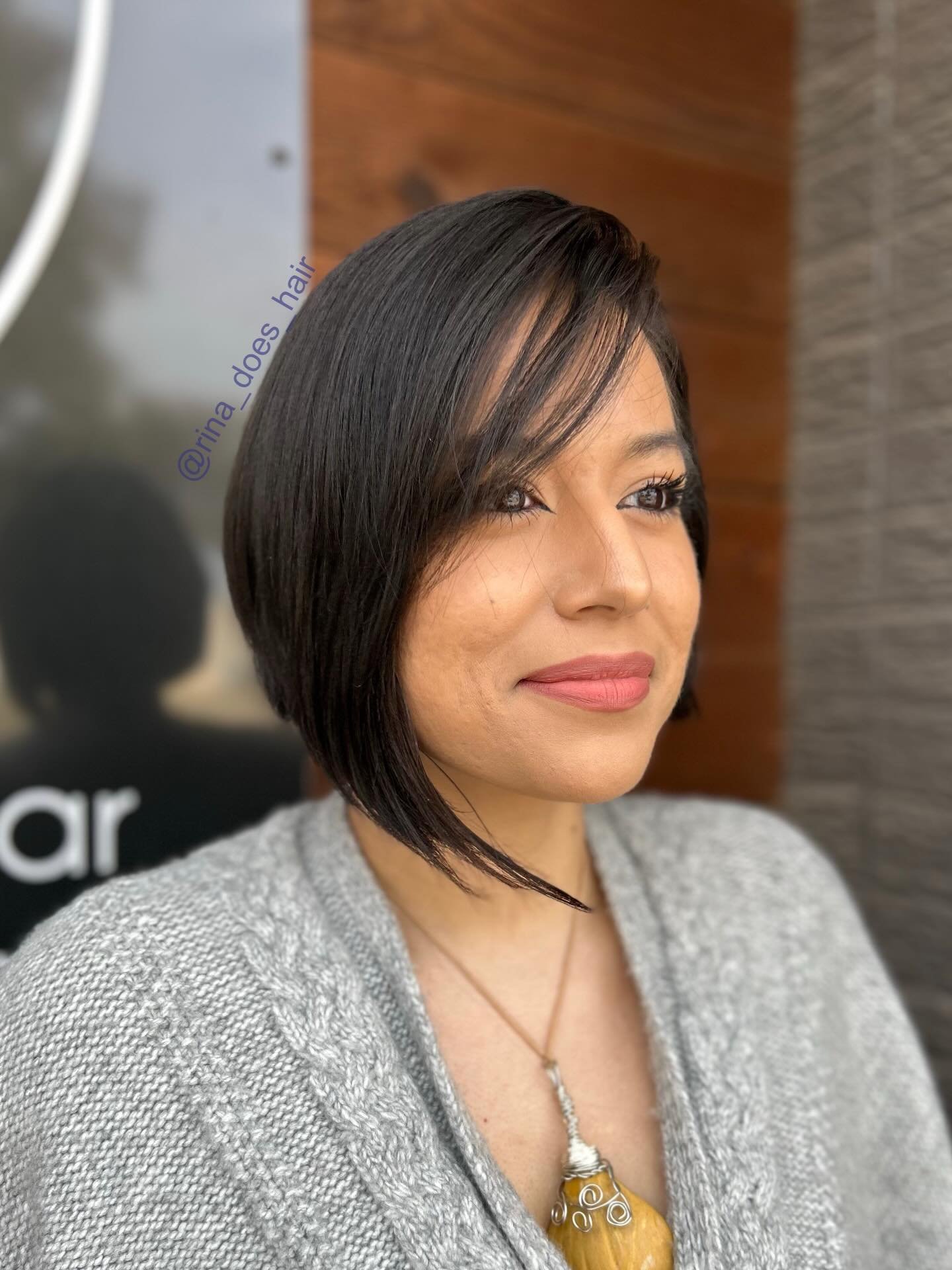
The pointed front gives the cut a strong face-framing line while the shorter side keeps it balanced.
A side-swept fringe connects smoothly into the longer length and softens the sharp perimeter.
The sleek surface keeps the angle visible, so lightweight products work better than heavy creams.
Keeps it in place: Set the fringe with cool air after directing it across the forehead.
Ask your stylist: To preserve a dense point at the front instead of feathering it away.