
Wavy Hairstyles for Women Over 50: 19 Timeless Ideas
Waves add softness and shape without demanding a complicated routine.
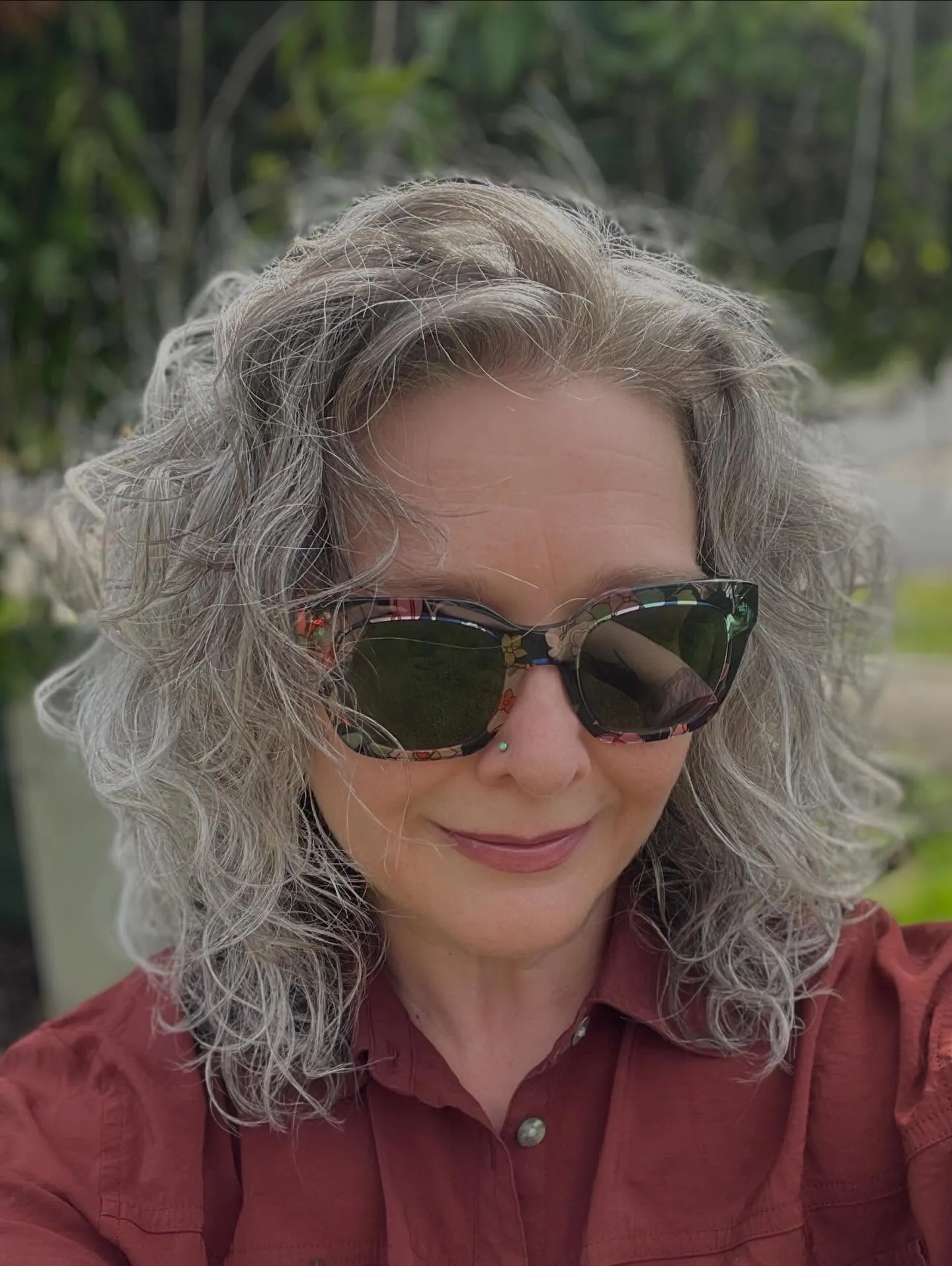
KEY TAKEAWAYS
- Wavy hair over 50 works at any length when layers support the natural bend instead of weighing the shape down.
- Face-framing layers, soft bangs, and side parts can shift volume and keep waves from sitting heavily around the face.
- Lighter products and diffused or air-dried texture usually preserve movement better than heavy creams that flatten the wave pattern.
Long Center-Part Waves
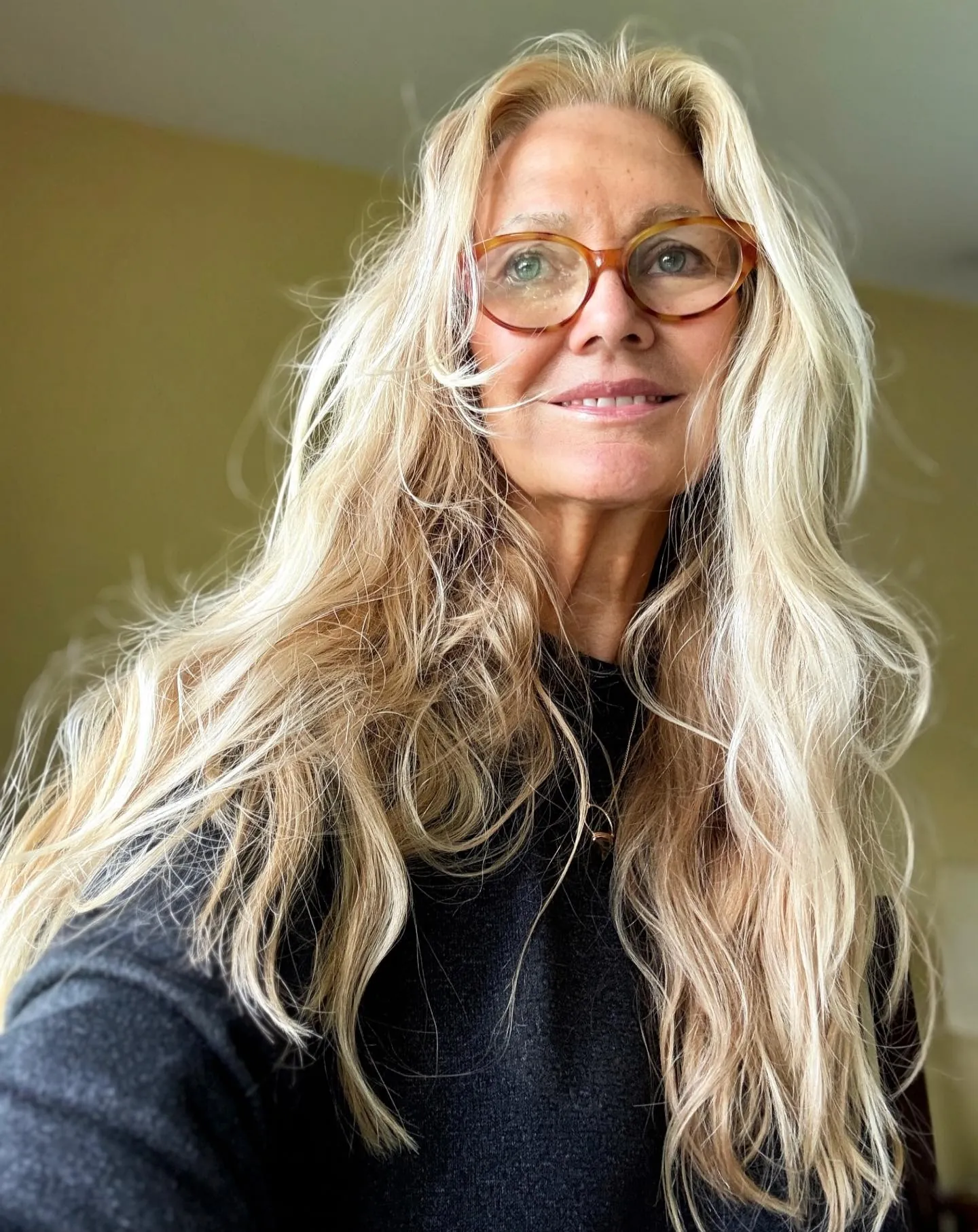
Long, loose waves keep the length fluid rather than heavy, especially when the front sections fall away from the face. This shape works well when you want movement without losing substantial length.
Wavy Bob With Bangs
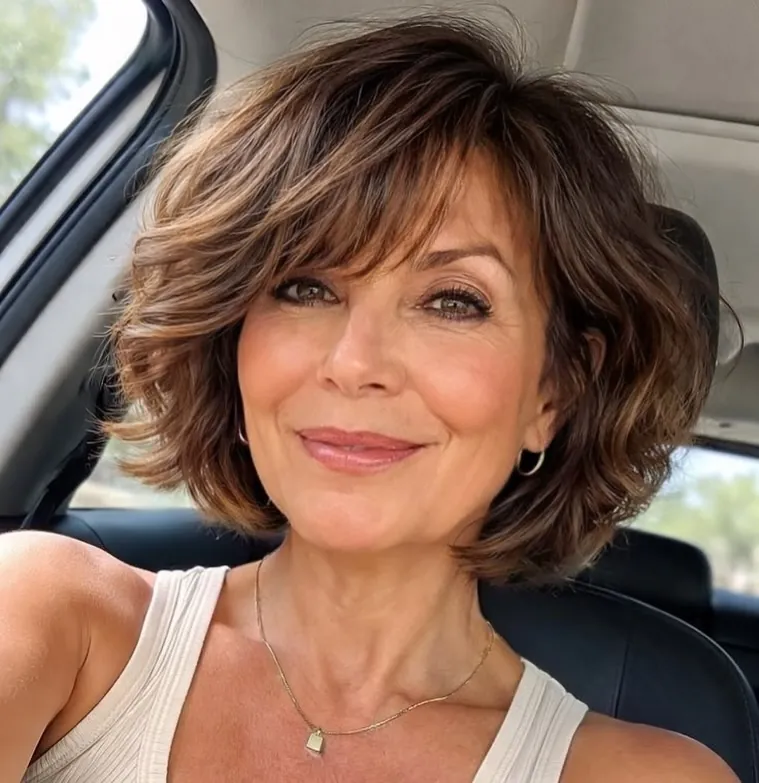
A chin-length bob gains softness from broken waves and a light fringe. The shorter length keeps the sides buoyant, so the style holds shape without relying on lots of volume at the crown.
Tousled Side-Part Bob
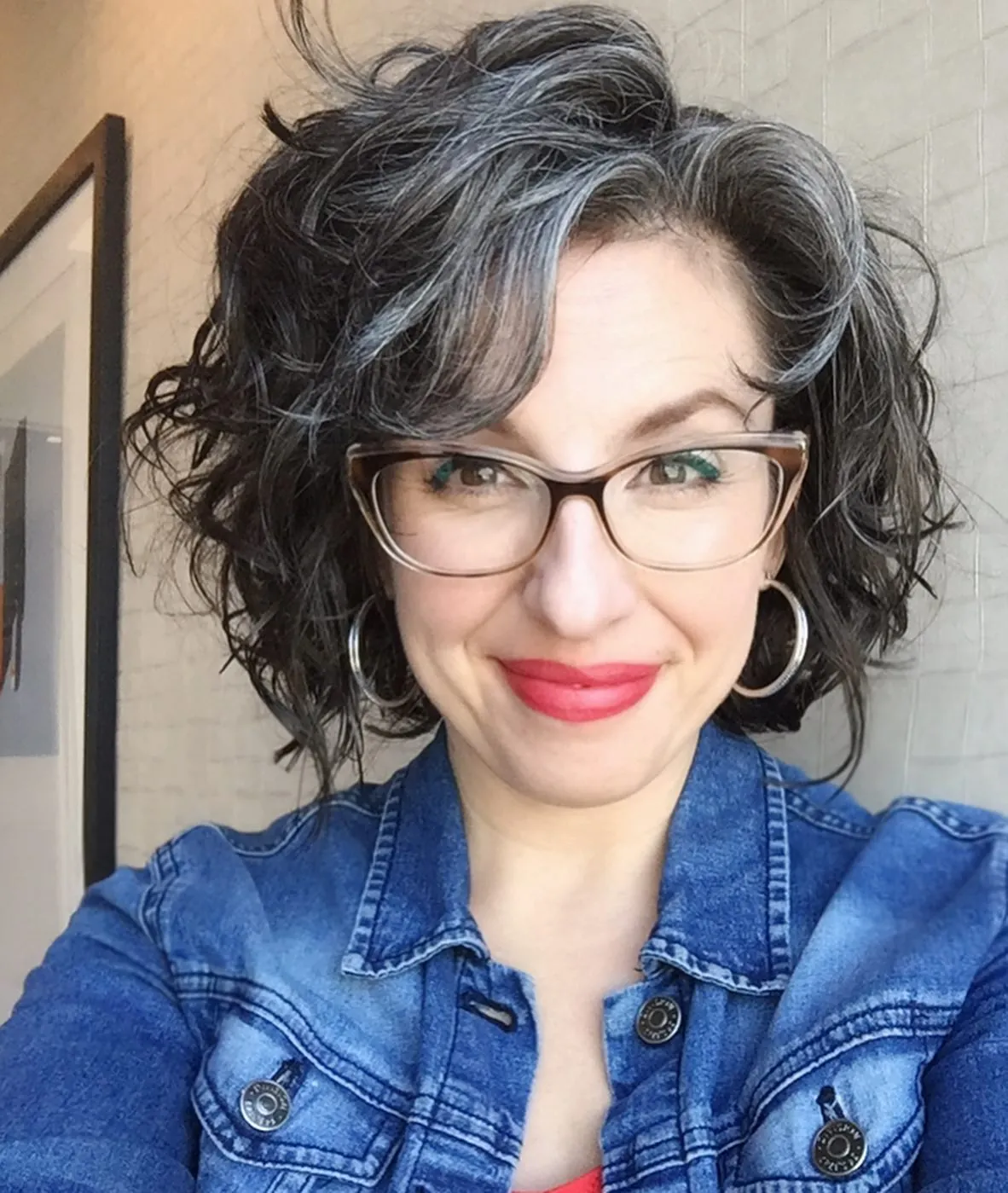
A deep side part shifts the volume across the forehead and gives short waves a lively, uneven shape. The tousled finish also makes natural bend look intentional rather than overly set.
Curtain Bang Waves
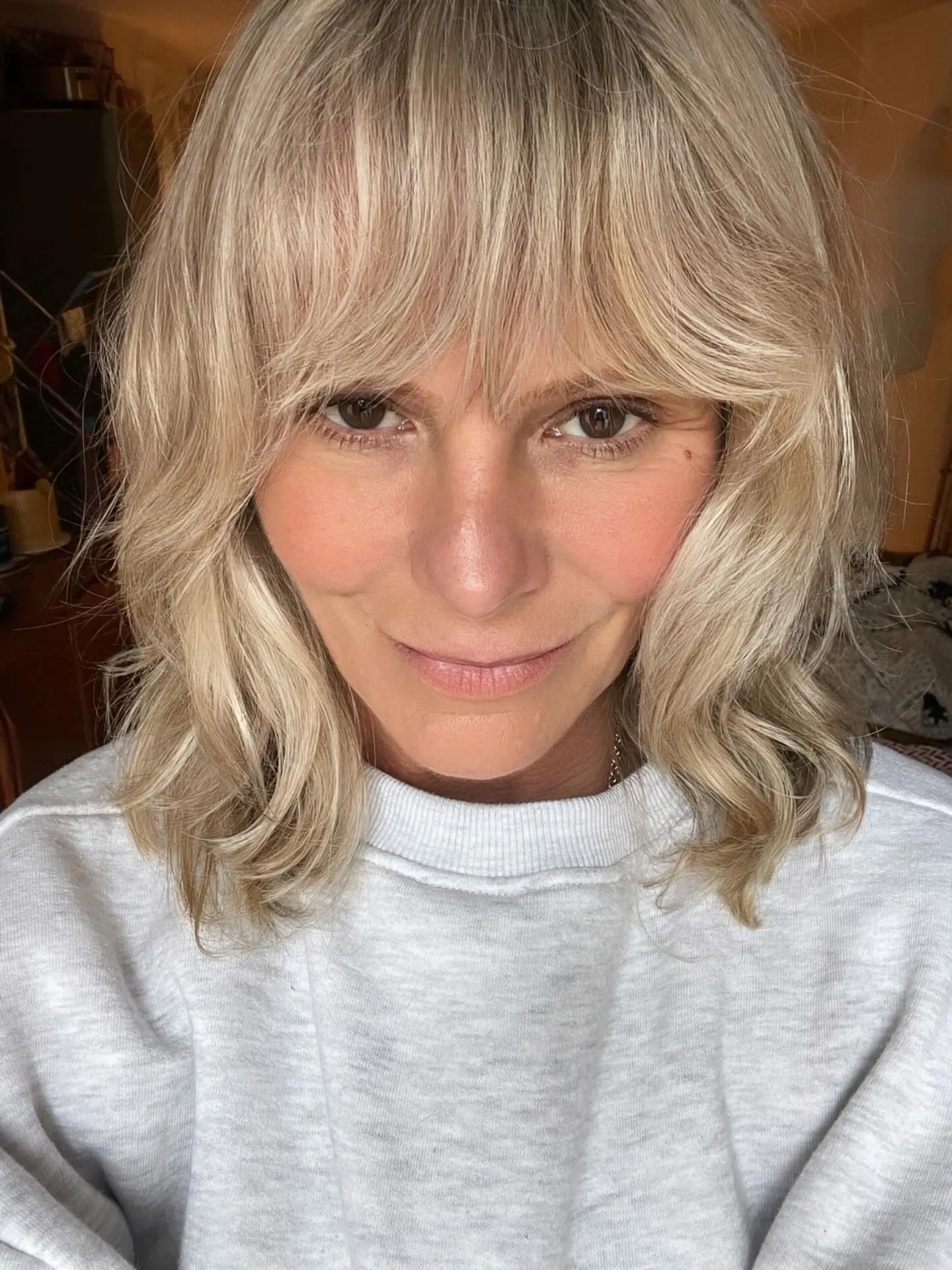
Curtain bangs connect smoothly into shoulder-skimming waves, bringing attention to the cheekbones while keeping the overall shape open. The fringe can be styled lightly, so it does not compete with the movement through the ends.
For root volume: Lift the fringe and crown away from the scalp while drying, then let the waves cool before separating them.
Long Natural Waves
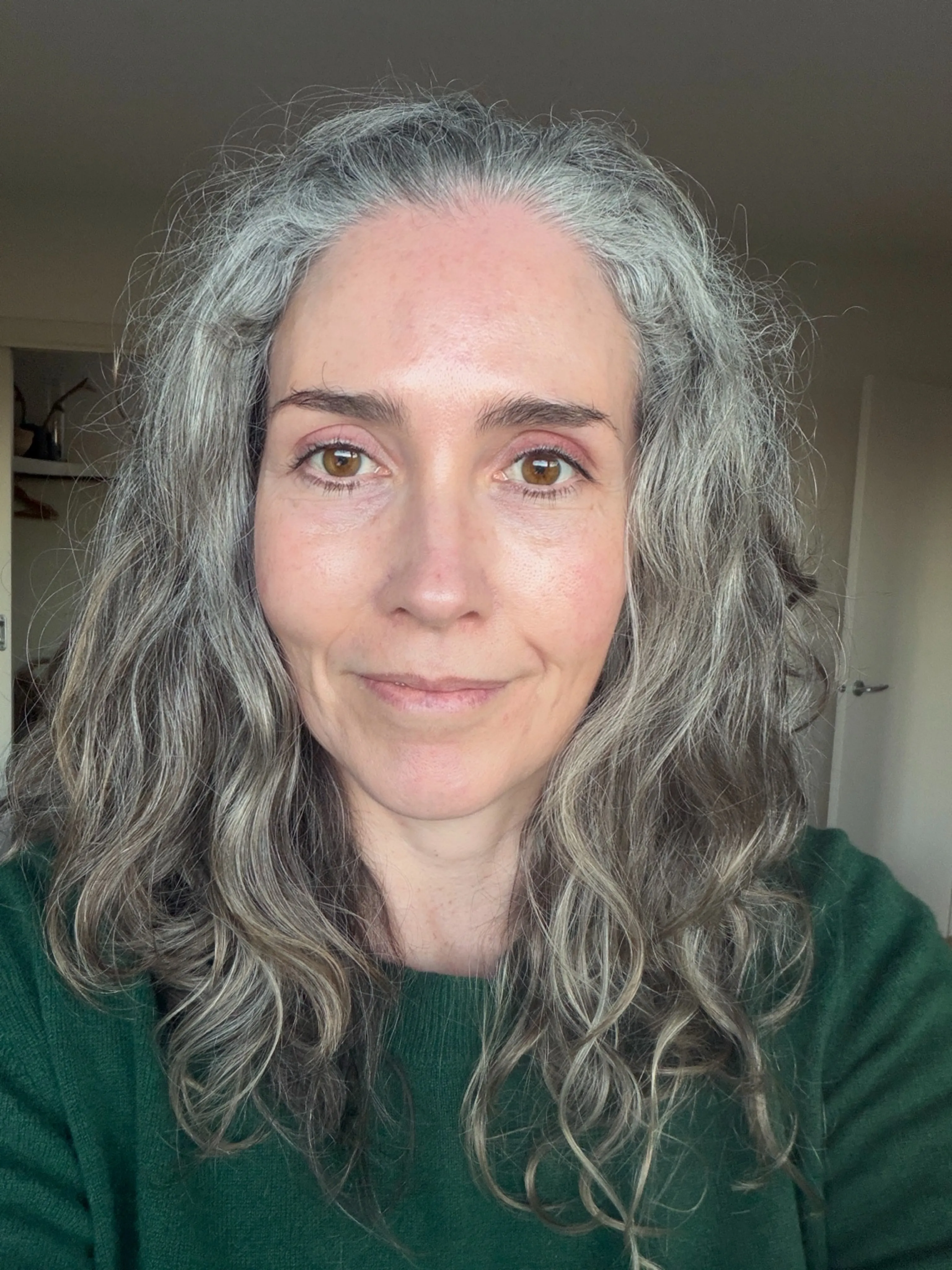
Long natural waves show how a simple center part can let silver texture do most of the work. Keeping the ends lightly shaped prevents the length from looking weighed down.
Soft Curly Layers
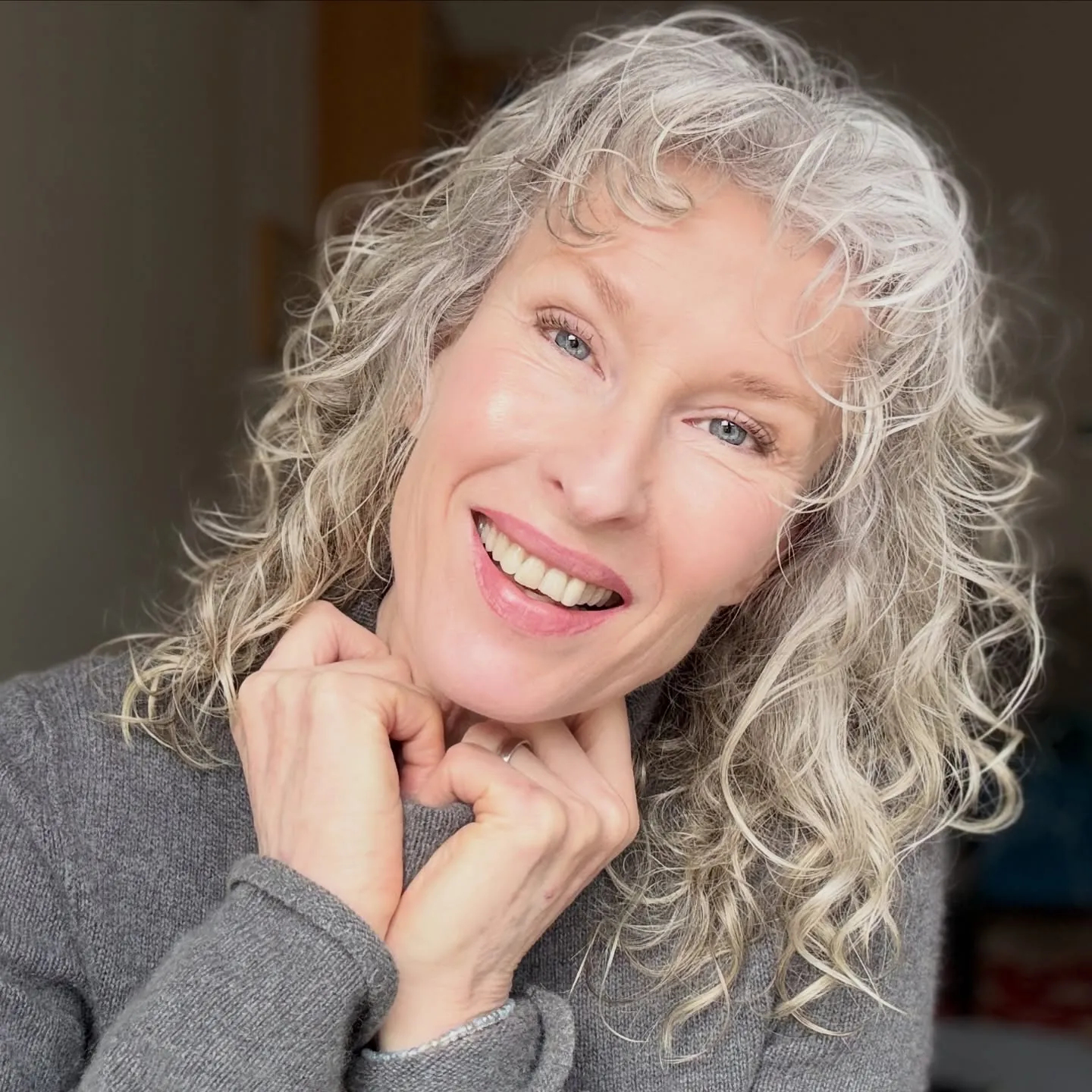
Loose curls and short face-framing pieces give this shoulder-length shape lift around the temples and jaw. The lighter perimeter keeps the texture from stacking too heavily at the bottom.
Tousled Wavy Bob
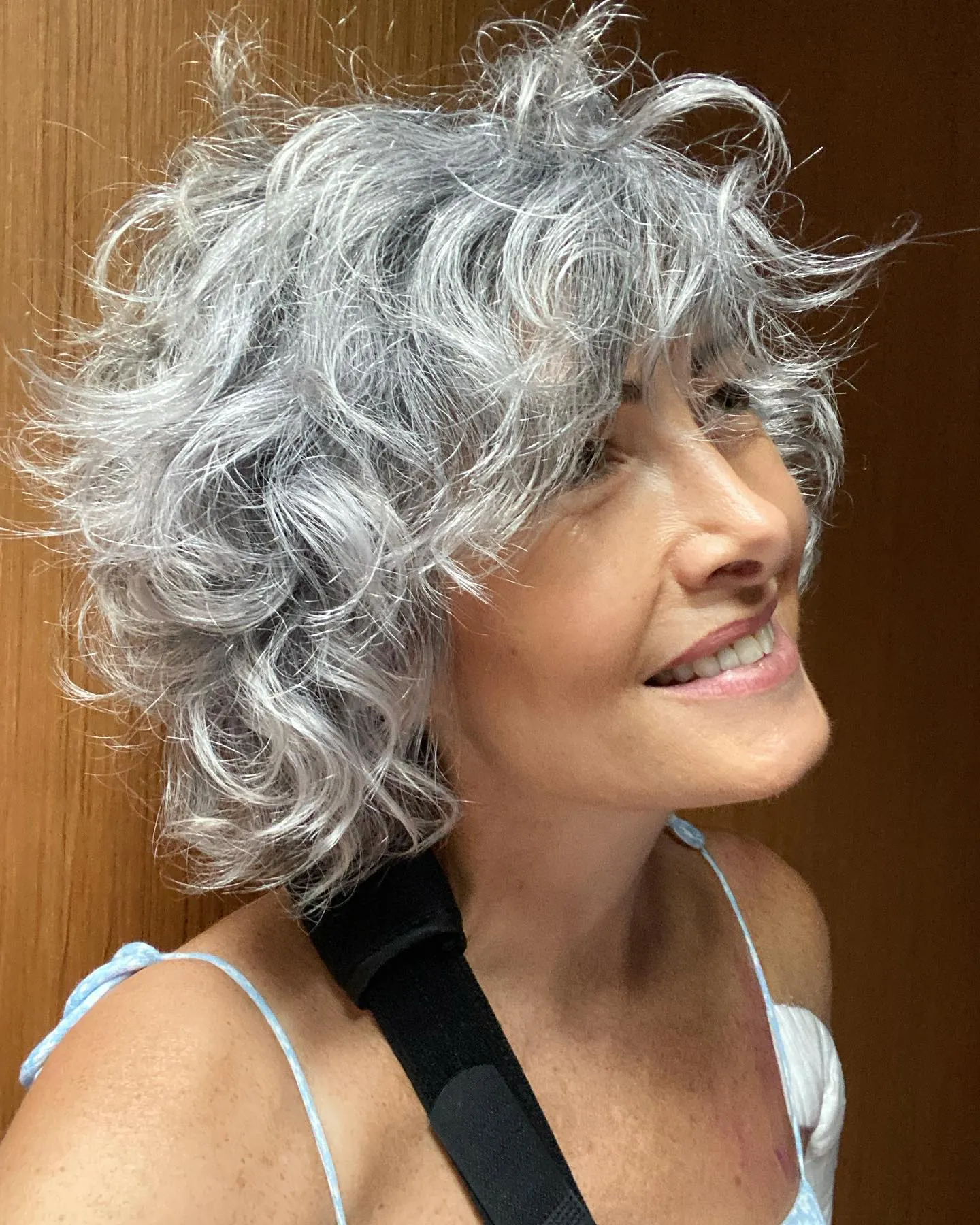
A shaggy bob with airy bangs gives silver waves plenty of room to separate around the face. Shorter layers at the crown add lift while the loose edges keep the cut relaxed.
Rounded Curly Bob
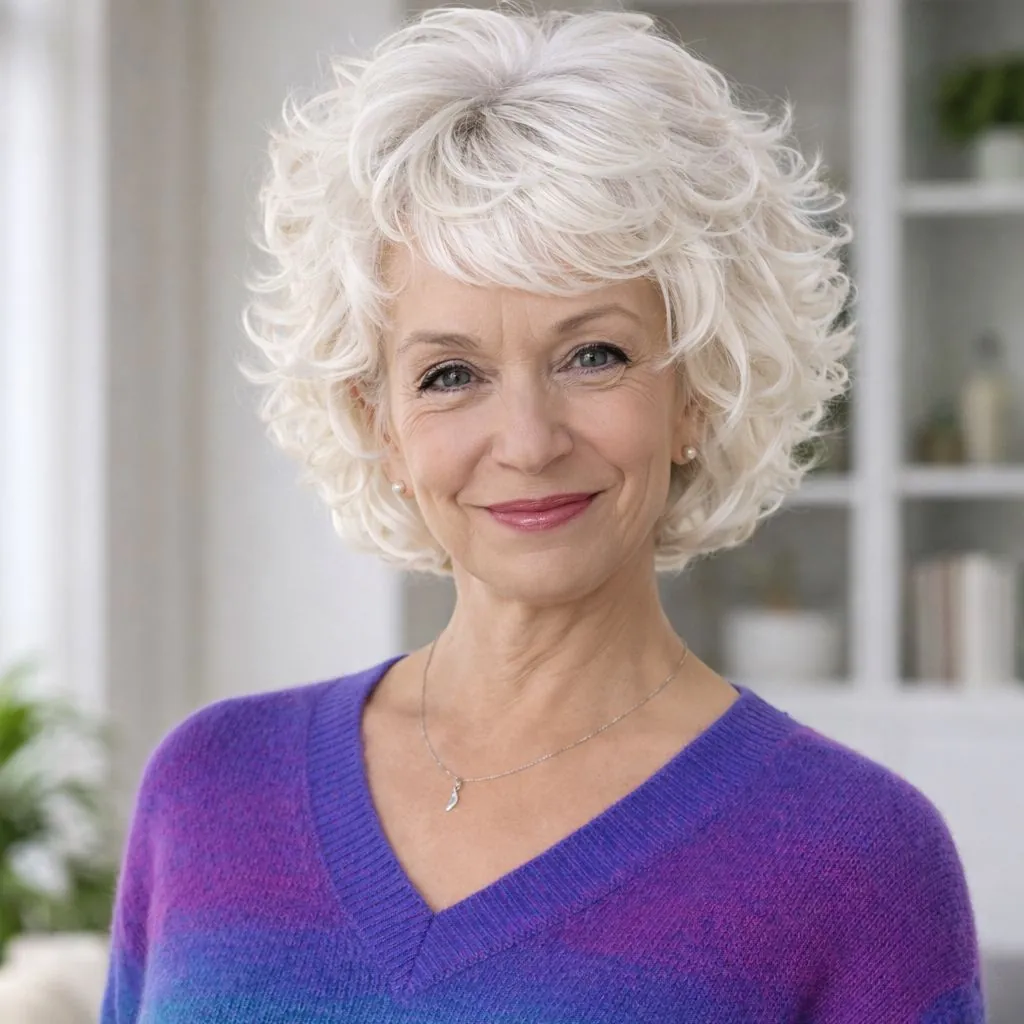
A rounded short bob uses curl definition to build fullness evenly around the head instead of concentrating it at the sides. The short fringe keeps the shape connected through the front.
Ask your stylist: Keep the shortest layers above the widest part of the cheeks so the rounded shape stays lifted.
Long Layered Waves
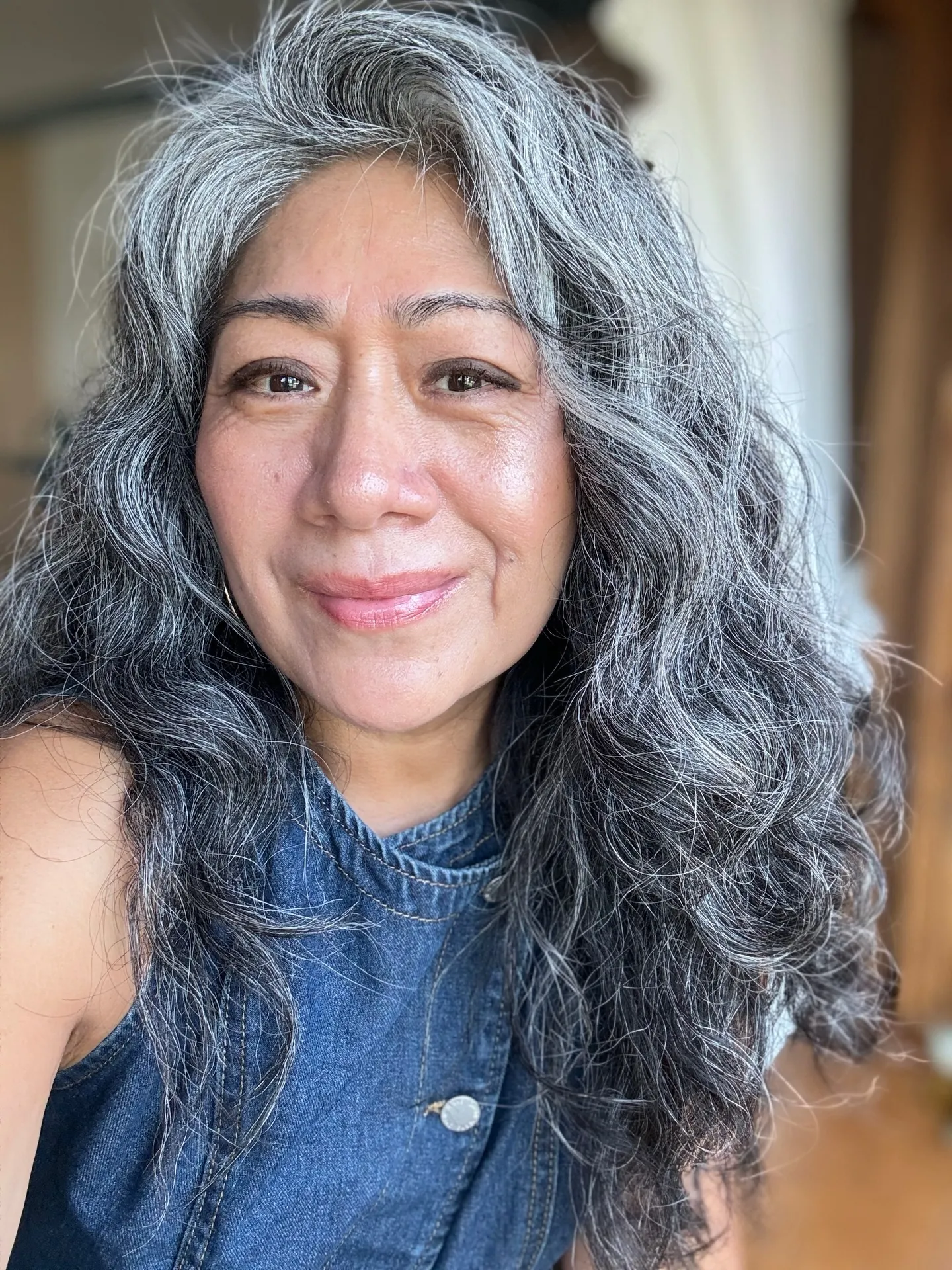
Long layers break up dense waves so they fall in sections instead of forming one heavy outline. The extra movement around the face helps keep substantial length from sitting flat through the top.
Long Loose Waves
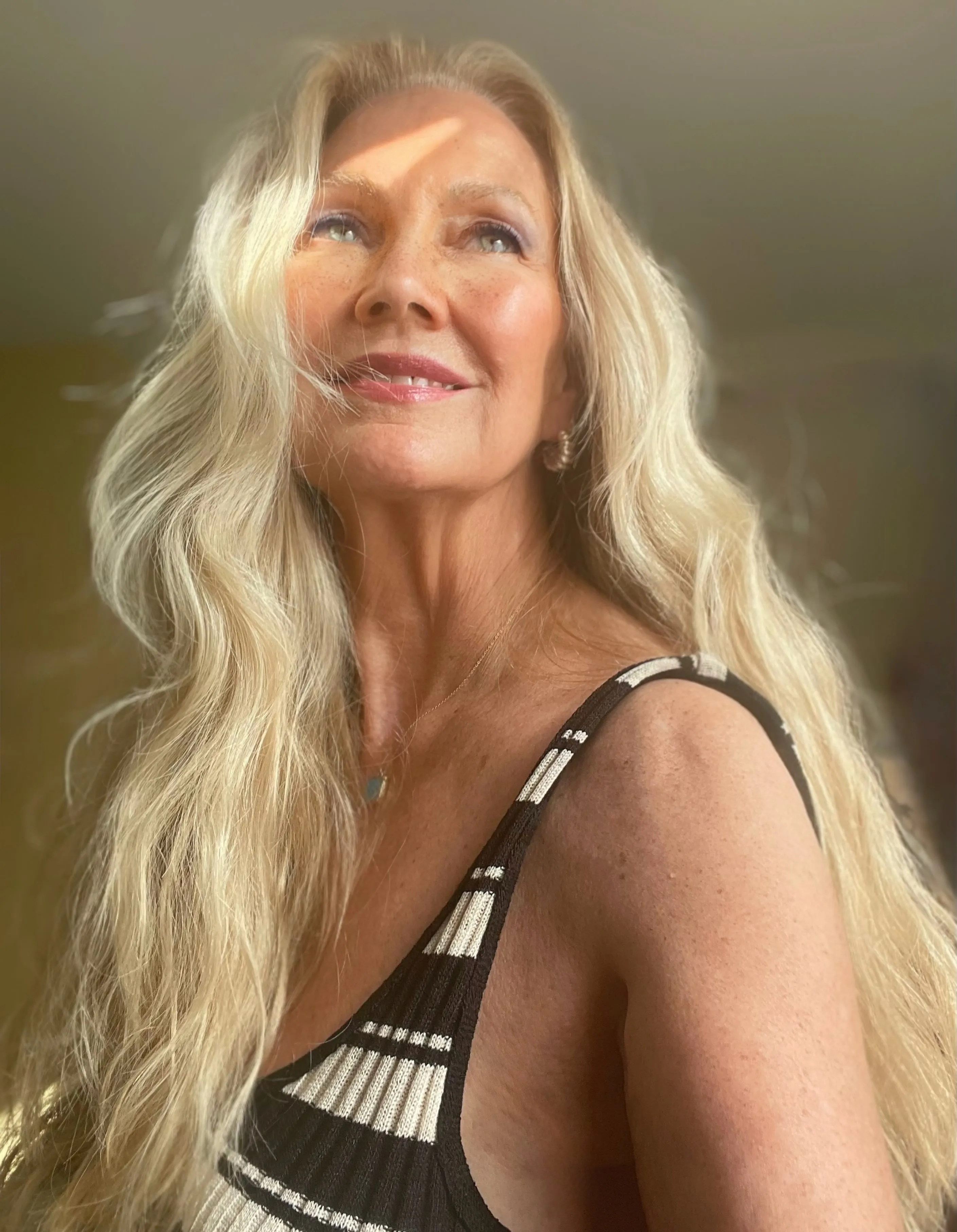
Long loose waves create a simple shape that relies on length and natural movement rather than heavy layering. A soft center part keeps the front open and lets the wave pattern frame both sides evenly.
Side-Part Wavy Lob
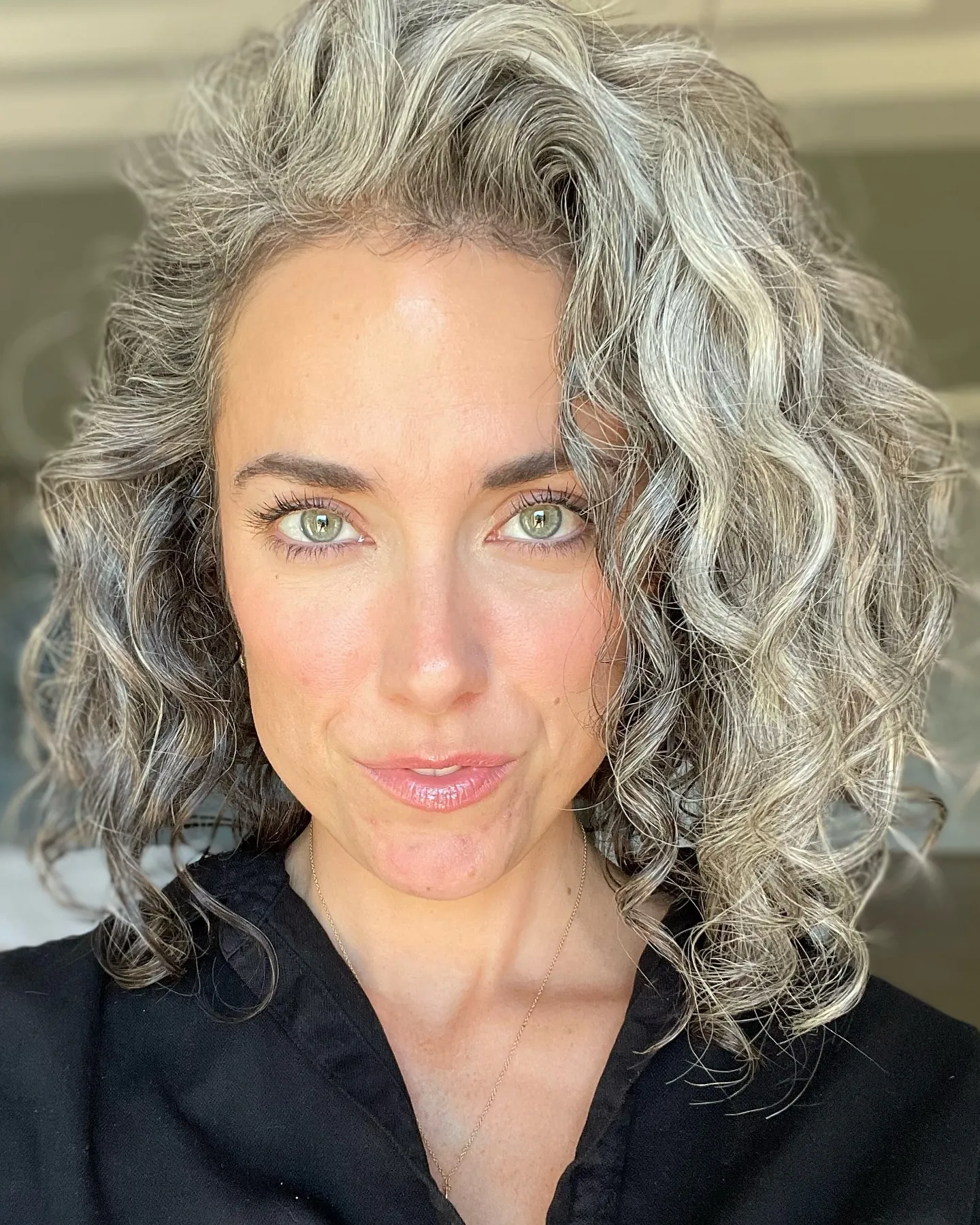
A side-parted lob makes room for volume on one side while keeping the opposite side close to the face. This works particularly well with defined waves because the asymmetry gives the texture a clear direction.
Long Defined Waves
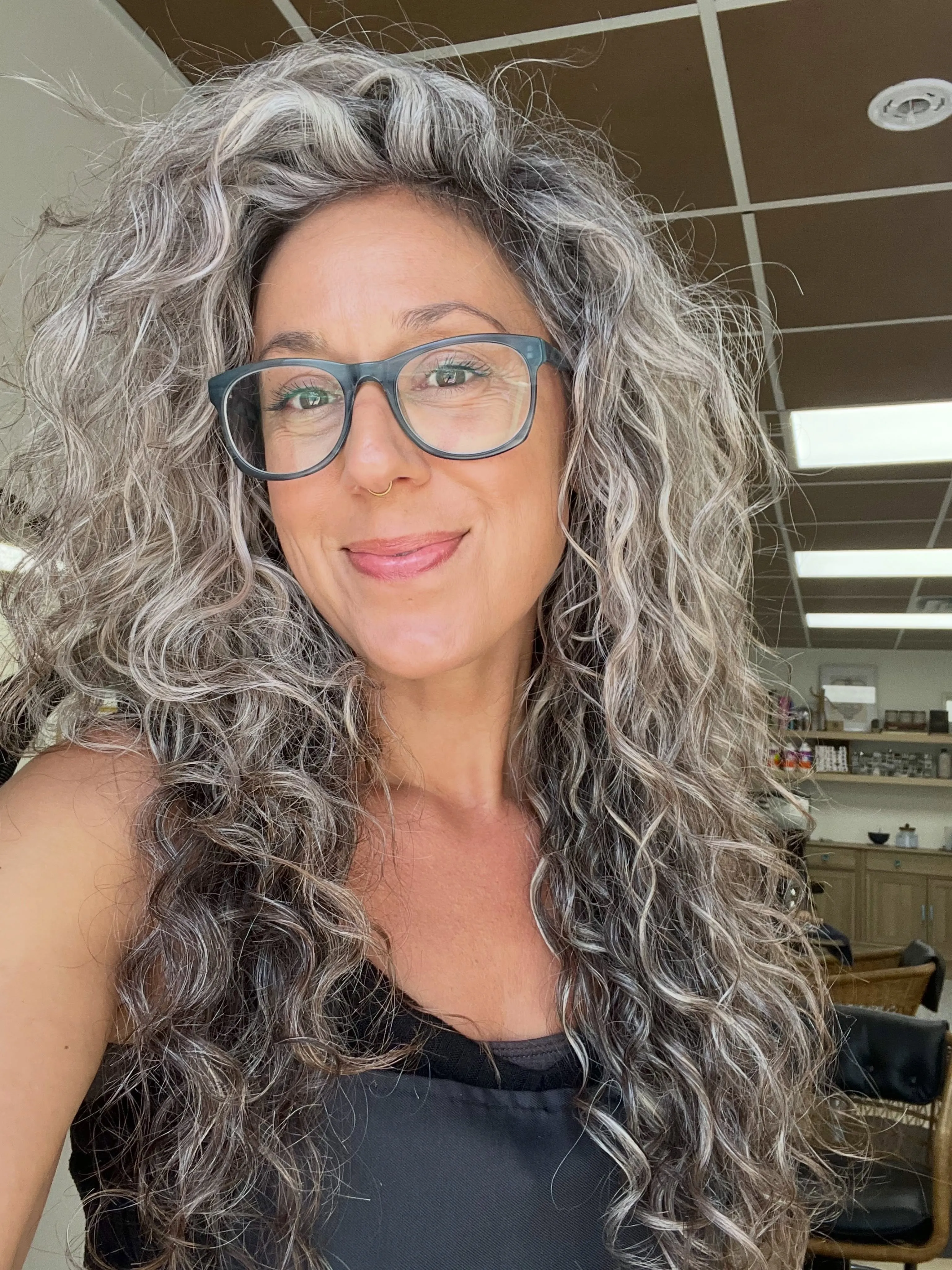
Long, defined waves can carry plenty of texture without looking bulky when the layers are staggered through the lower half. The lifted top section keeps the shape from collapsing around the crown.
Shag With Bangs
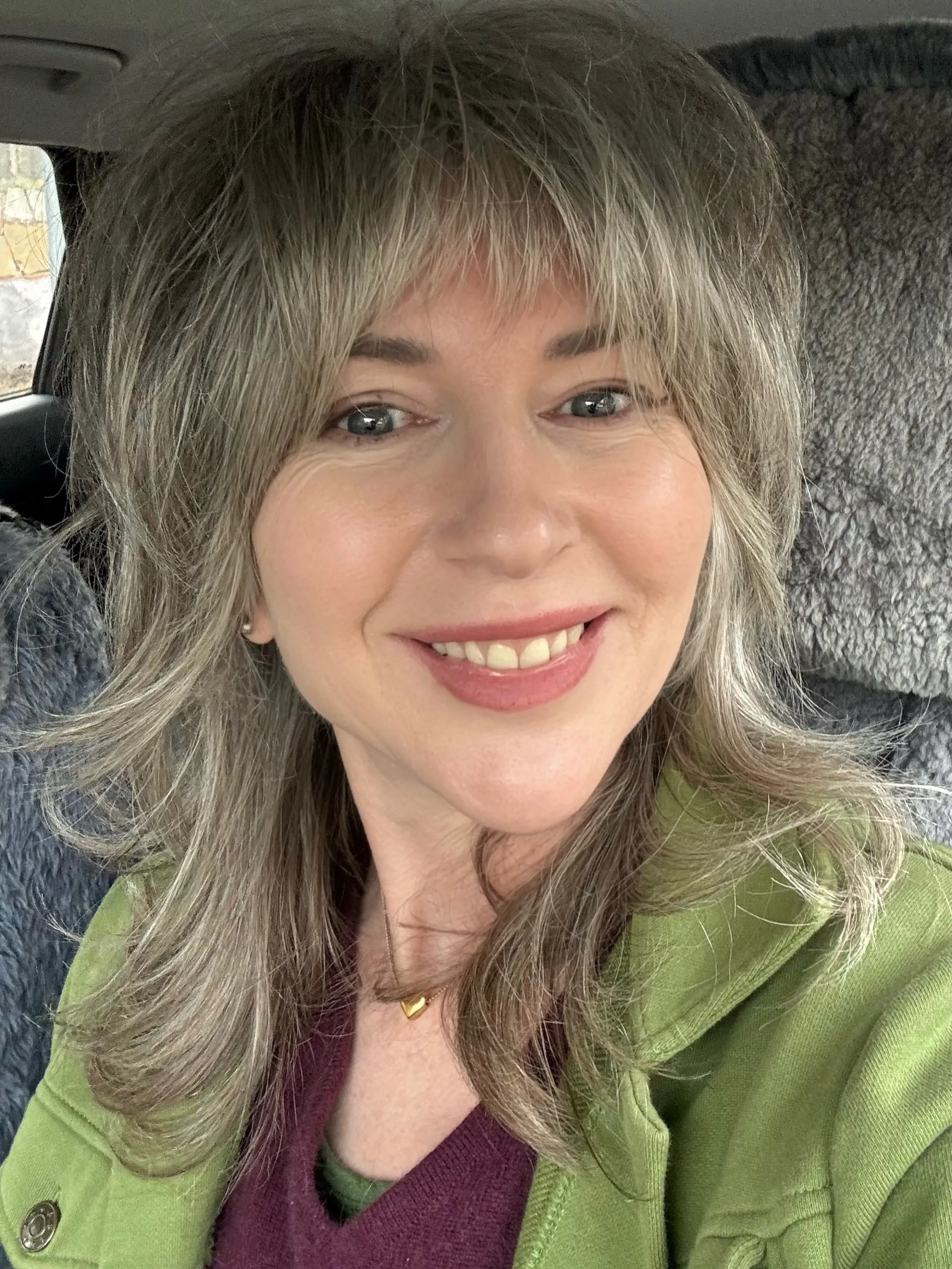
A soft shag pairs wispy bangs with flicked, wavy layers around the cheeks and shoulders. The uneven lengths keep the outline light and make it easy to refresh with a quick bend rather than a full restyle.
Easy to maintain: Refresh only the front layers and bangs on day two instead of restyling the full head.
Short Side-Part Waves
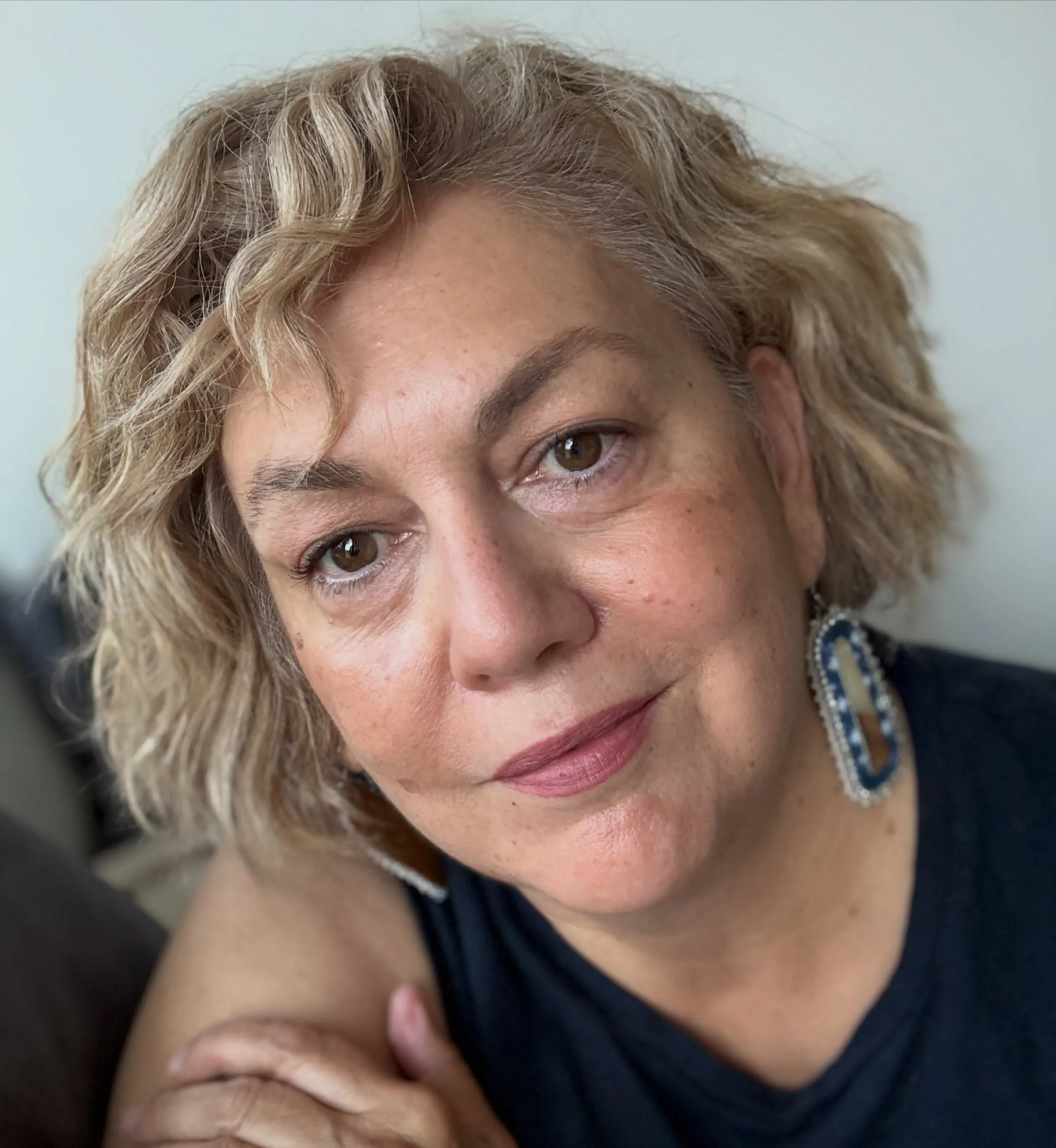
Short side-parted waves give a cropped cut movement without losing its neat outline. Leaving a little extra length across the front creates enough sweep to soften the forehead and balance the shorter sides.
Rounded Wavy Bob
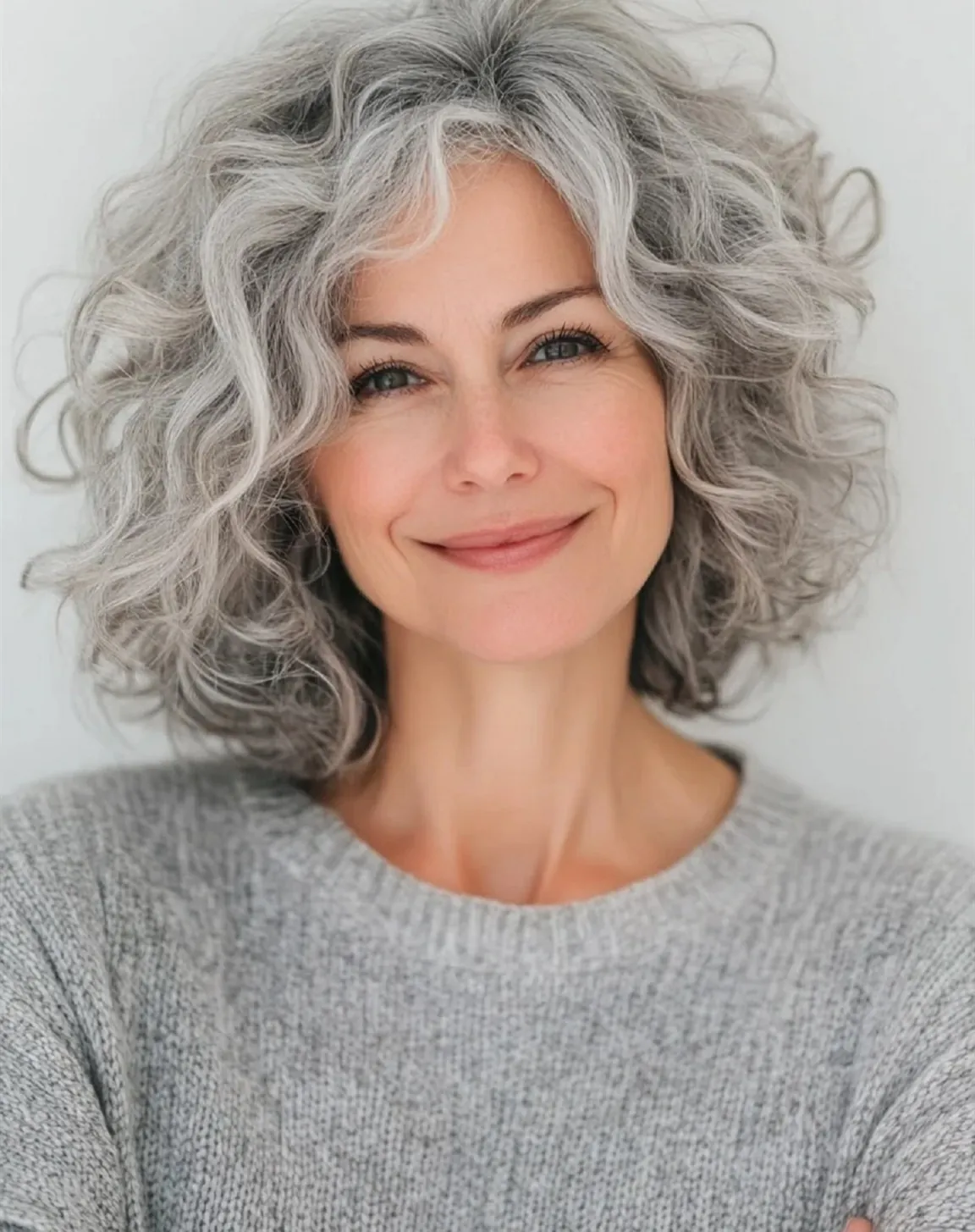
A rounded bob lets silver waves build fullness around the cheeks while the lifted front keeps the face open. The curved outline is compact, but the separated texture stops it from looking stiff.
Short Natural Waves
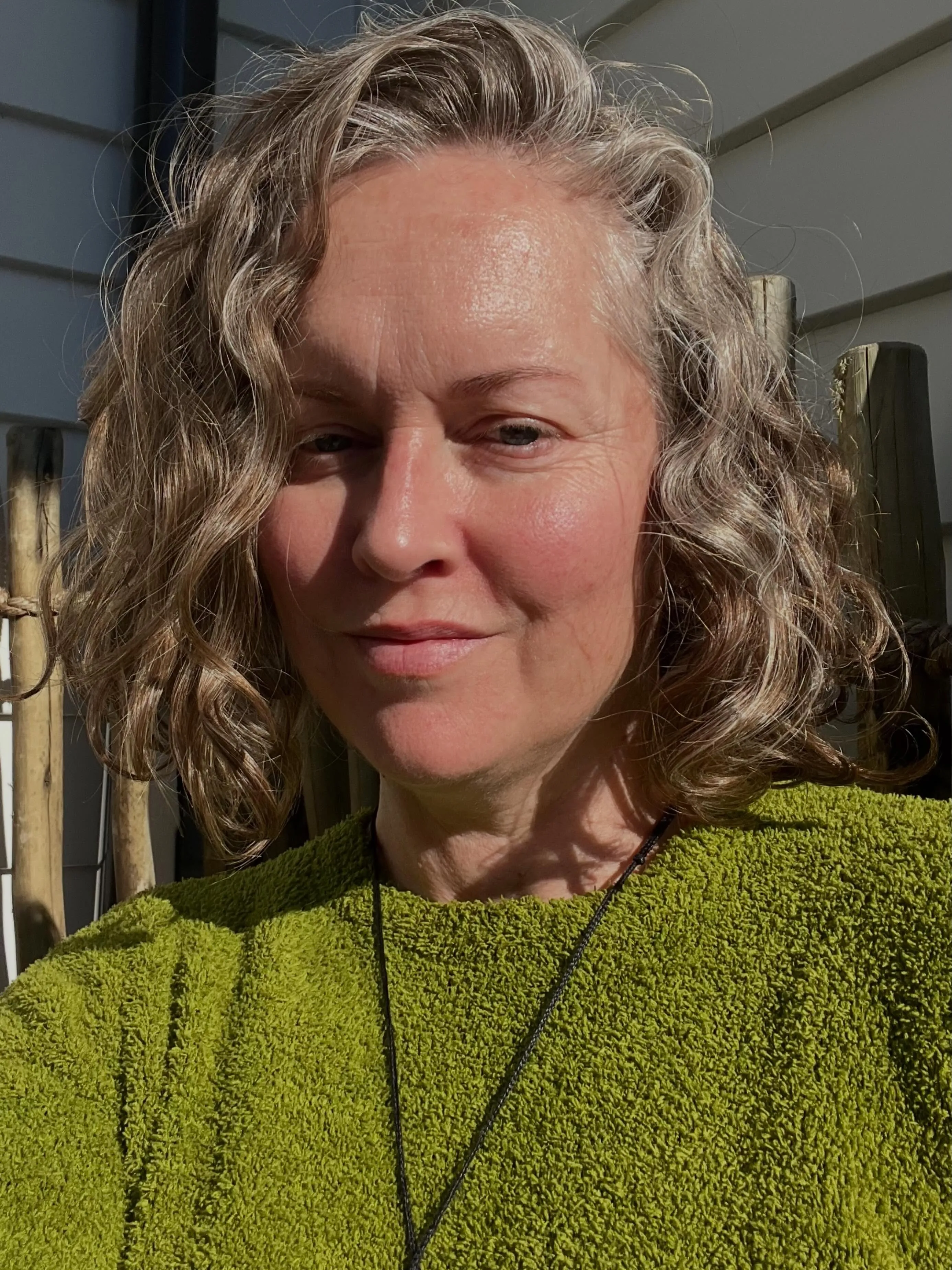
A short natural wave pattern keeps styling simple because the bend itself creates volume through the sides and crown. A loose side part adds direction without forcing the hair into a precise shape.
Deep Side-Part Waves
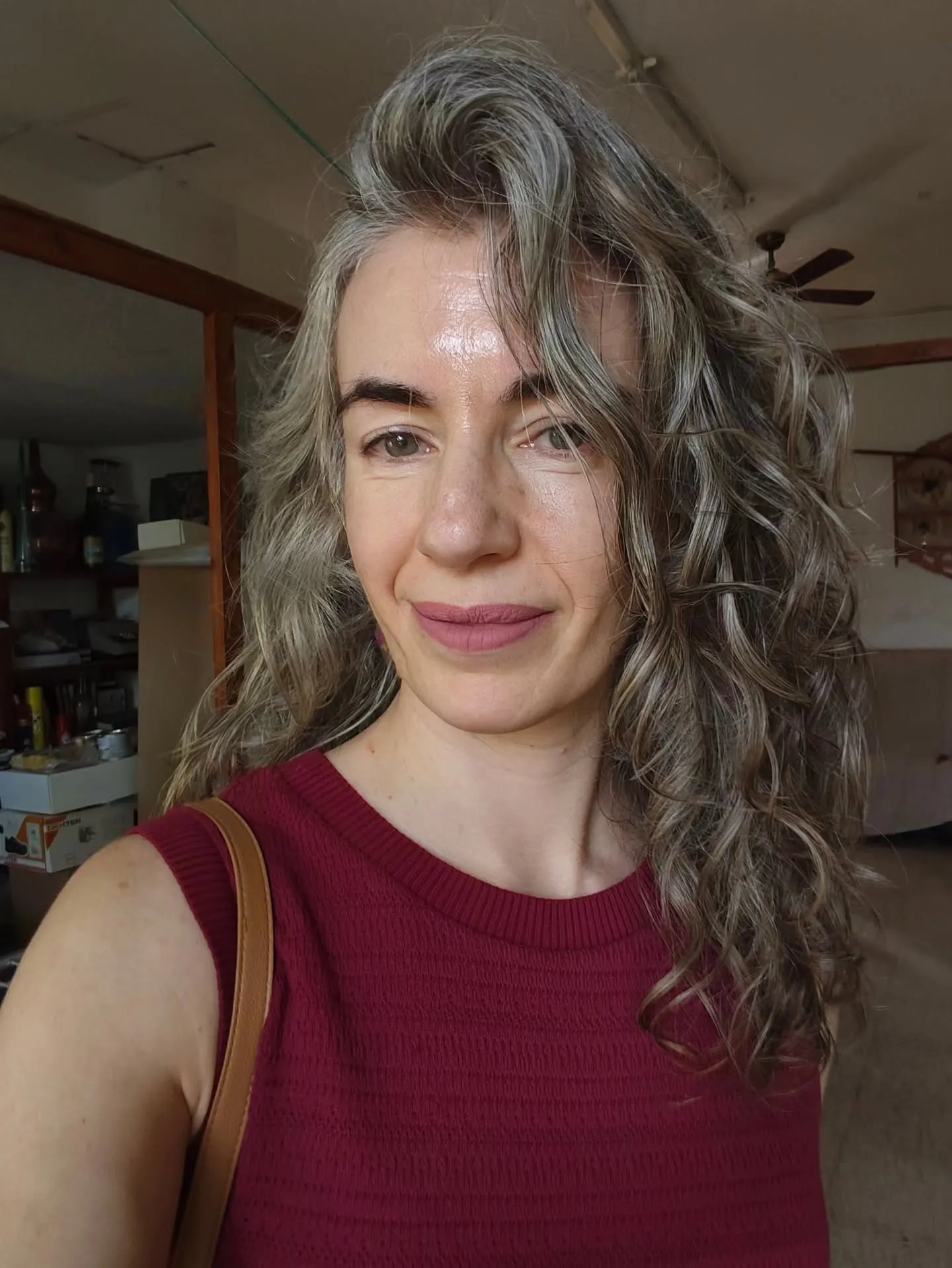
A deep side part lifts the front and pushes most of the wave pattern to one side, creating height without teasing. The longer opposite side keeps the shape balanced and easy to wear loose.
Face-Framing Long Waves
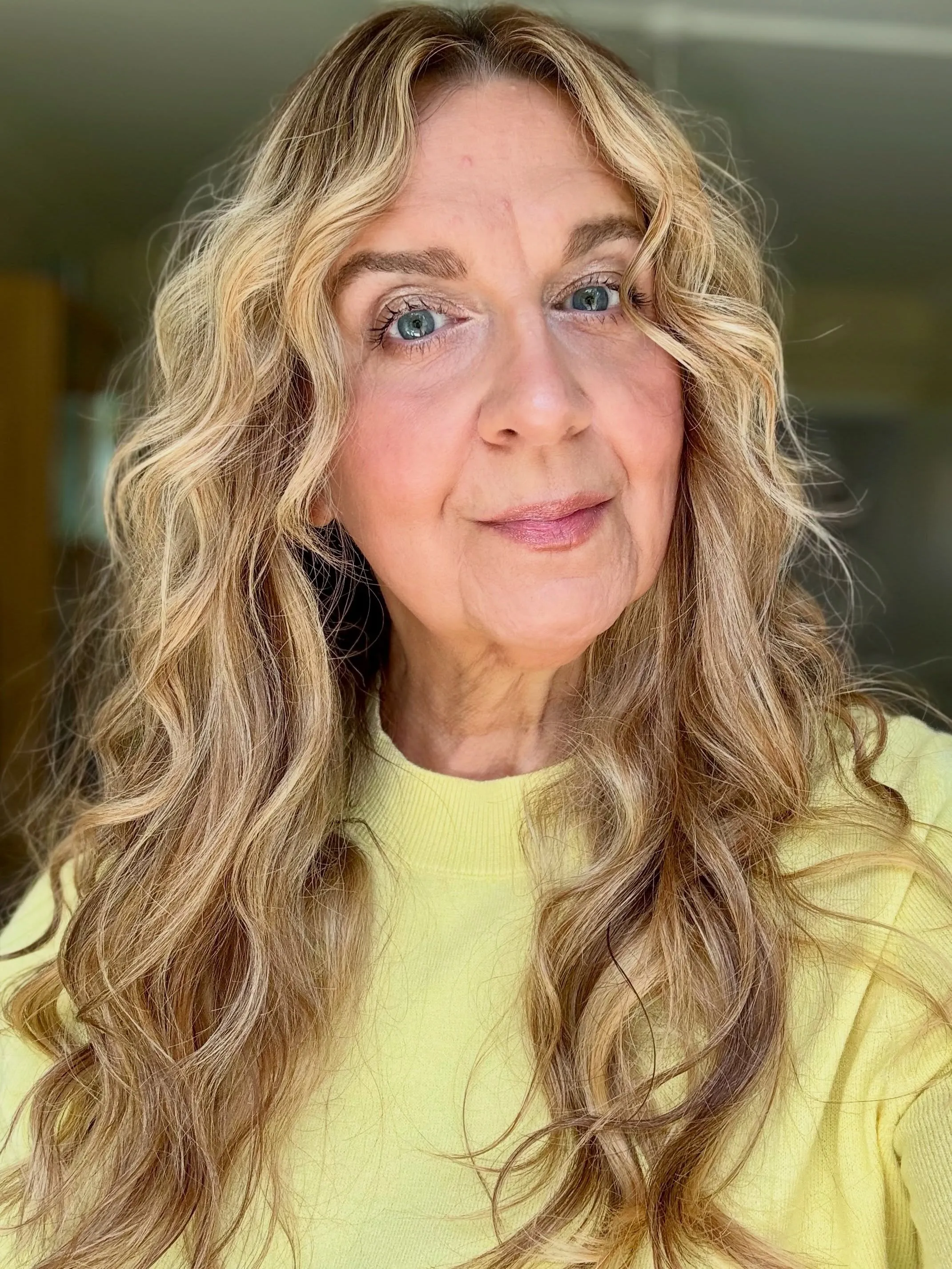
Long waves with shorter front pieces create movement around the face while preserving plenty of length through the back. The soft layers also help the wave pattern start higher instead of sitting only at the ends.
Holds better with: Work a light mousse through damp mid-lengths before diffusing, then leave the waves untouched until fully cool.
Wavy Layers With Bangs
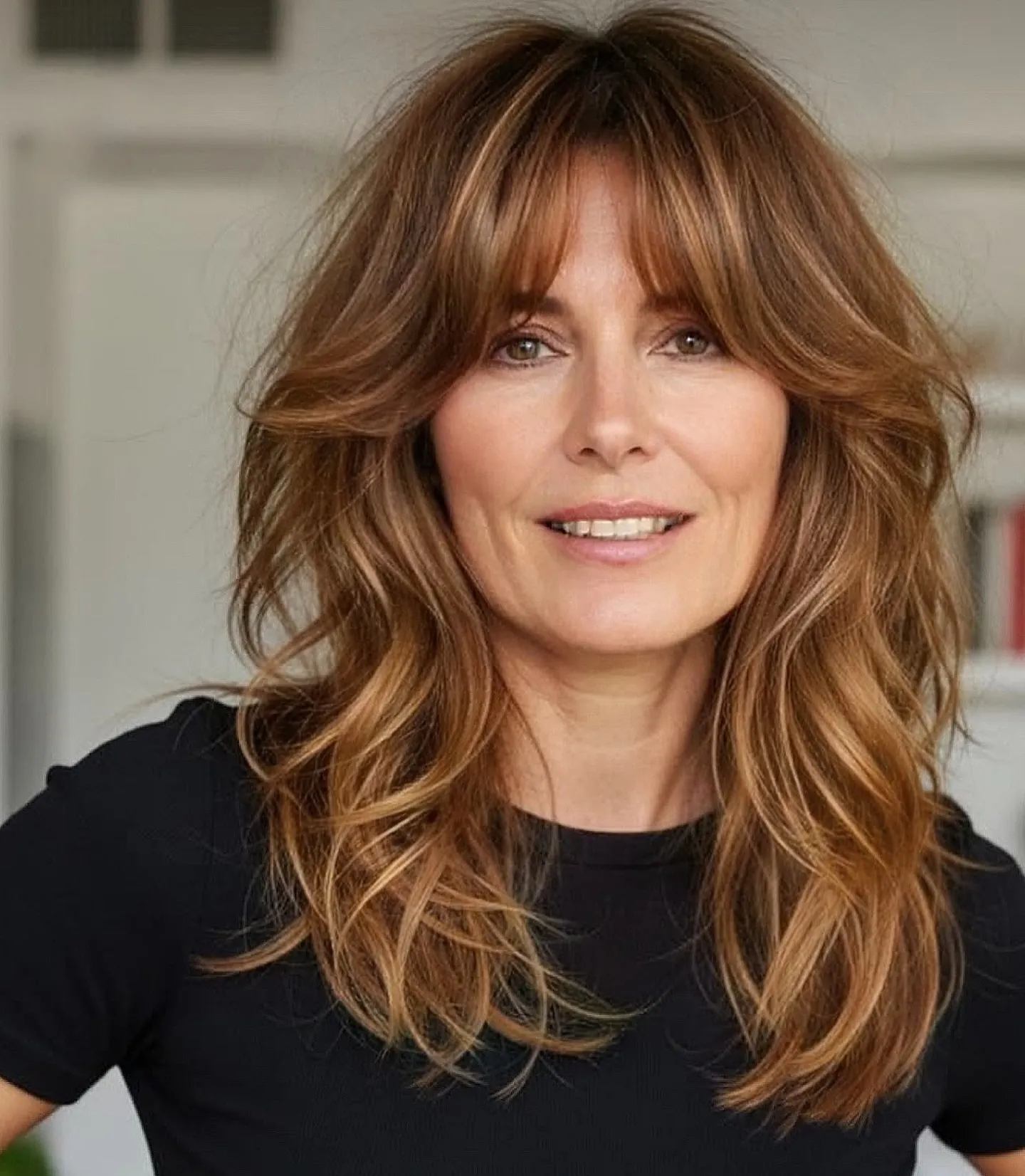
Long wavy layers and full, parted bangs create a clear frame around the eyes and cheekbones. The fringe blends into the side layers, so the front feels connected rather than cut off from the rest of the length.