
Deep Layered Haircuts: 18 Awesome Ideas
Deep layers add shape without sacrificing the longer lengths.
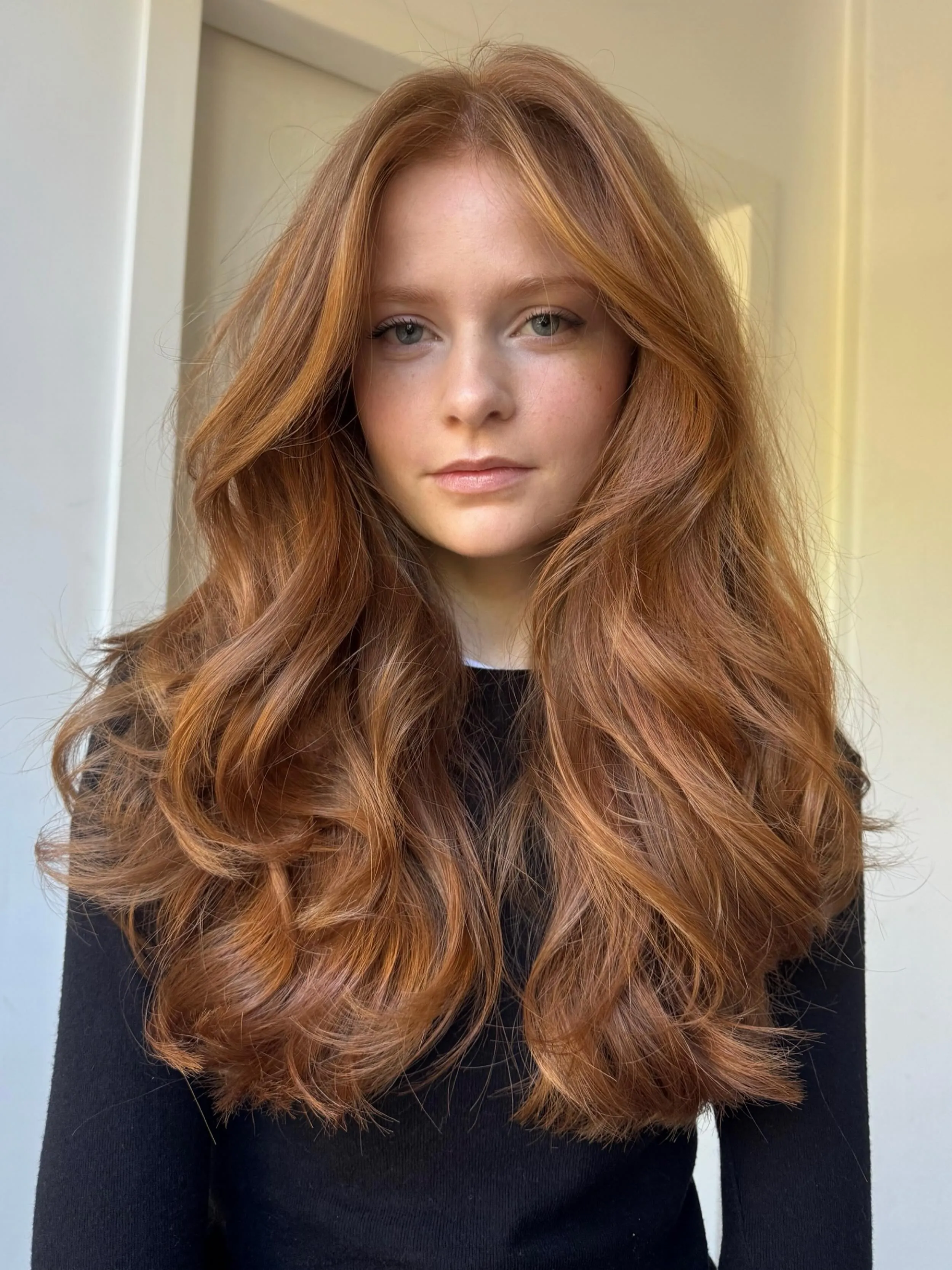
- Deep layering removes weight through the interior while leaving enough length for a full, flowing outline.
- Long face-framing sections are especially useful for creating movement around the cheeks, jaw, and shoulders.
- A smooth blowout or large-barrel wave pattern makes the different layer levels easier to see and keeps the cut balanced.
Long Feathered Layers
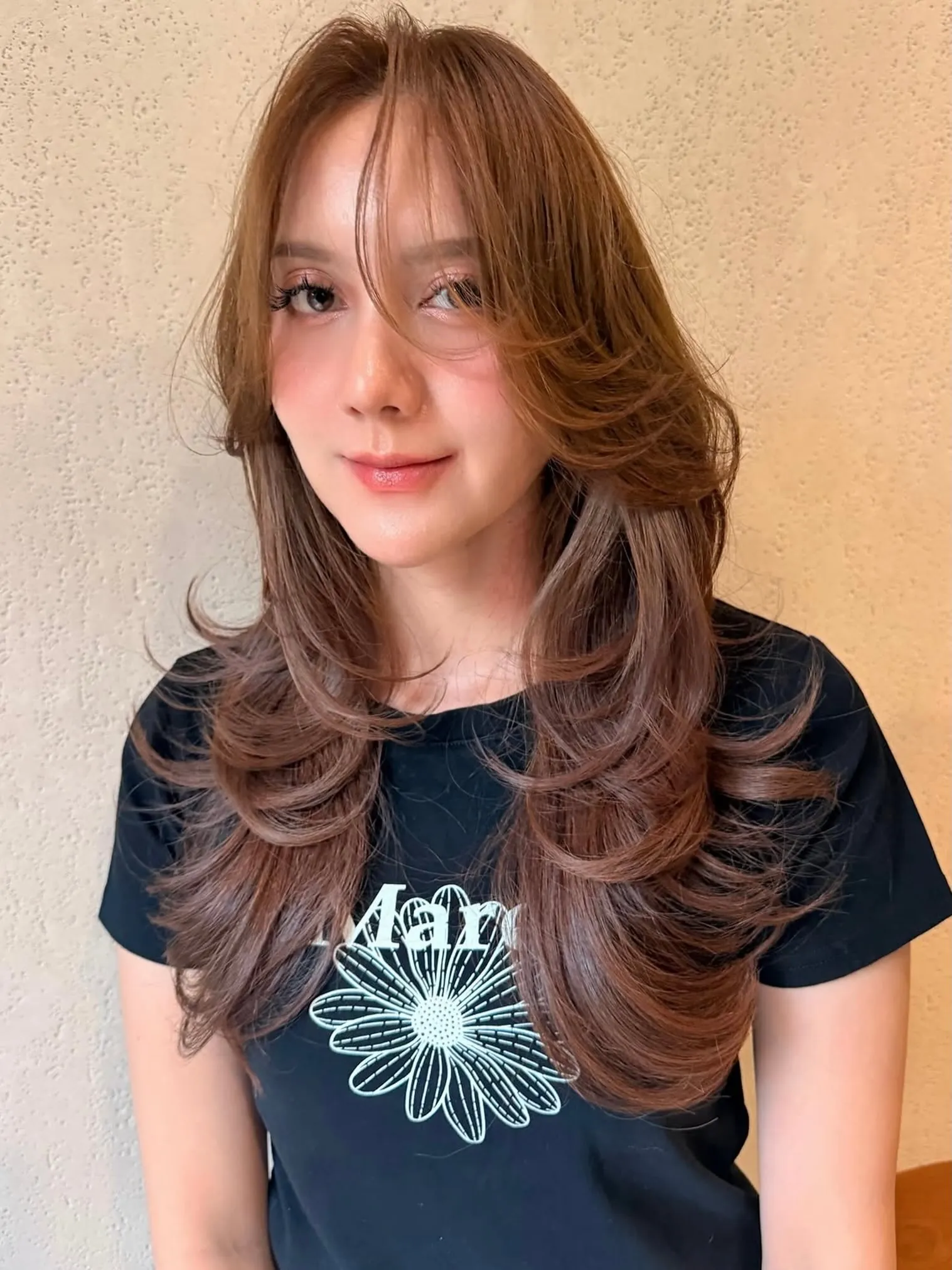
Long feathered sections create a deep layered shape without taking away the length through the back. The turned-out ends make each level visible, especially when the hair is dried with a large round brush.
Deep Center-Part Layers
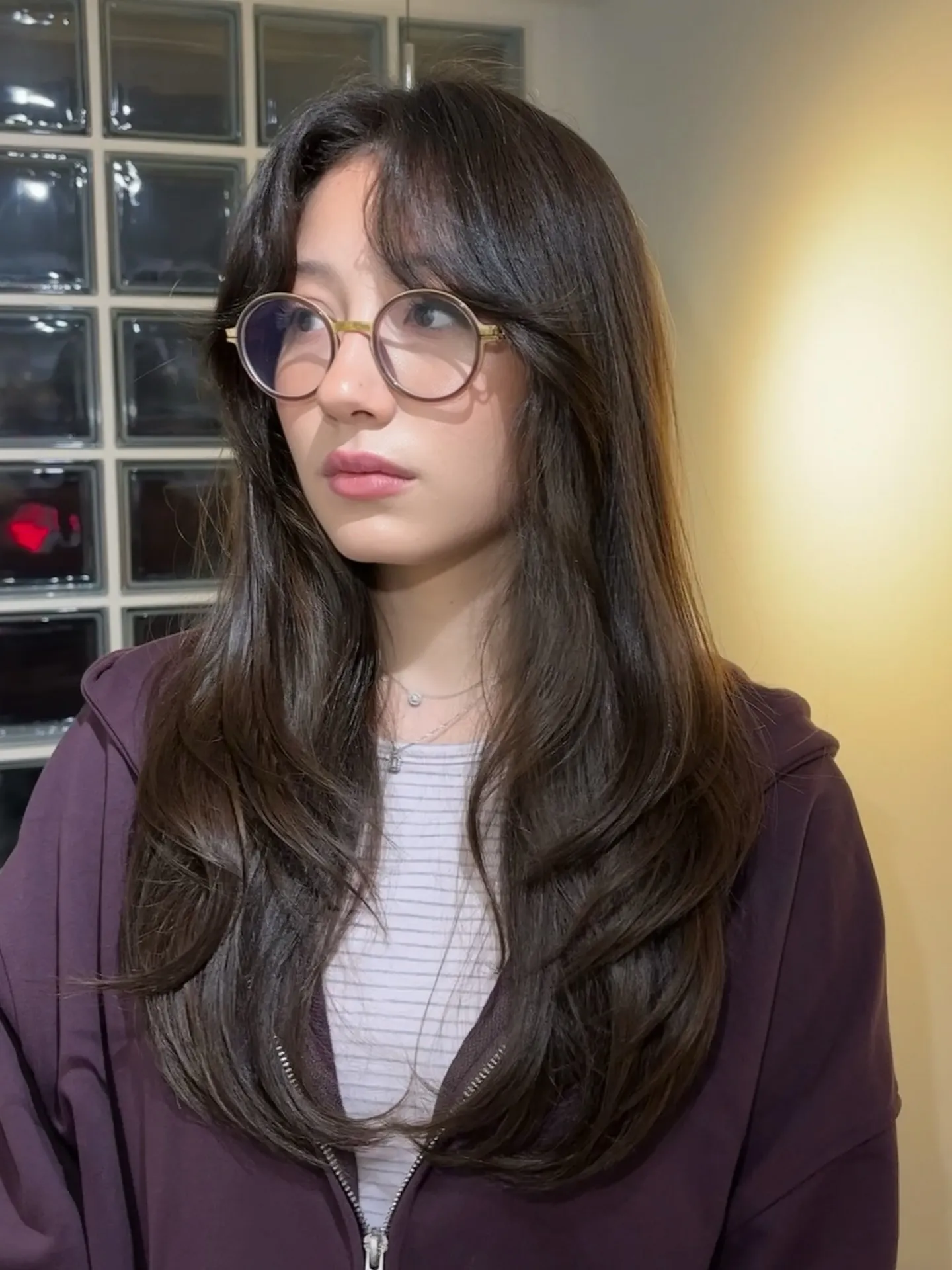
The center part keeps the front balanced while deep layers begin below the cheek and continue through the long lengths. This is useful for thick hair that needs movement without losing its full perimeter.
Copper Face-Framing Layers
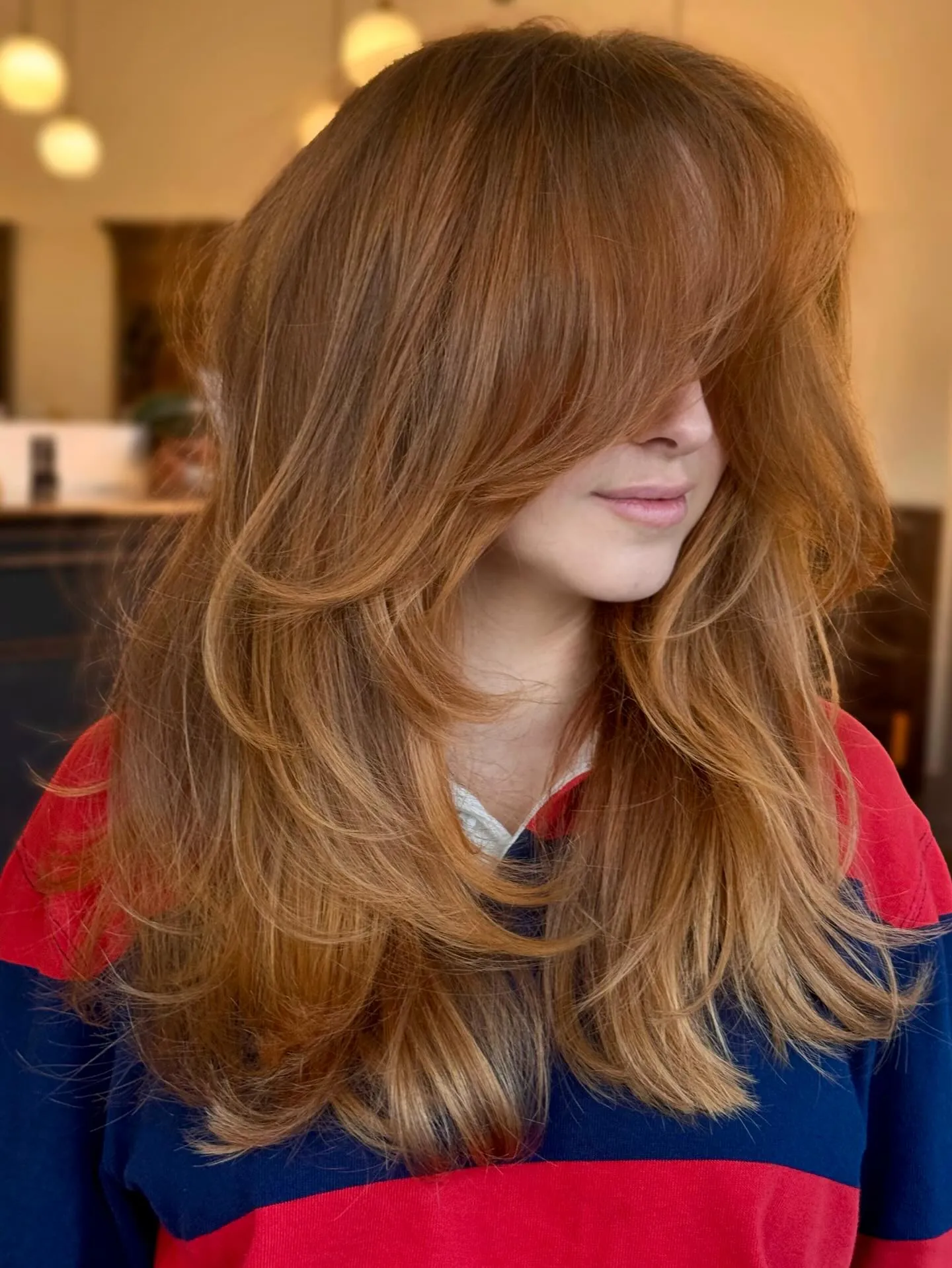
Long front pieces sweep away from the face and connect into deeper layers through the lower lengths. The warm tone makes the curved sections easy to see, but the cut itself carries the movement.
Layered Cut With Bangs
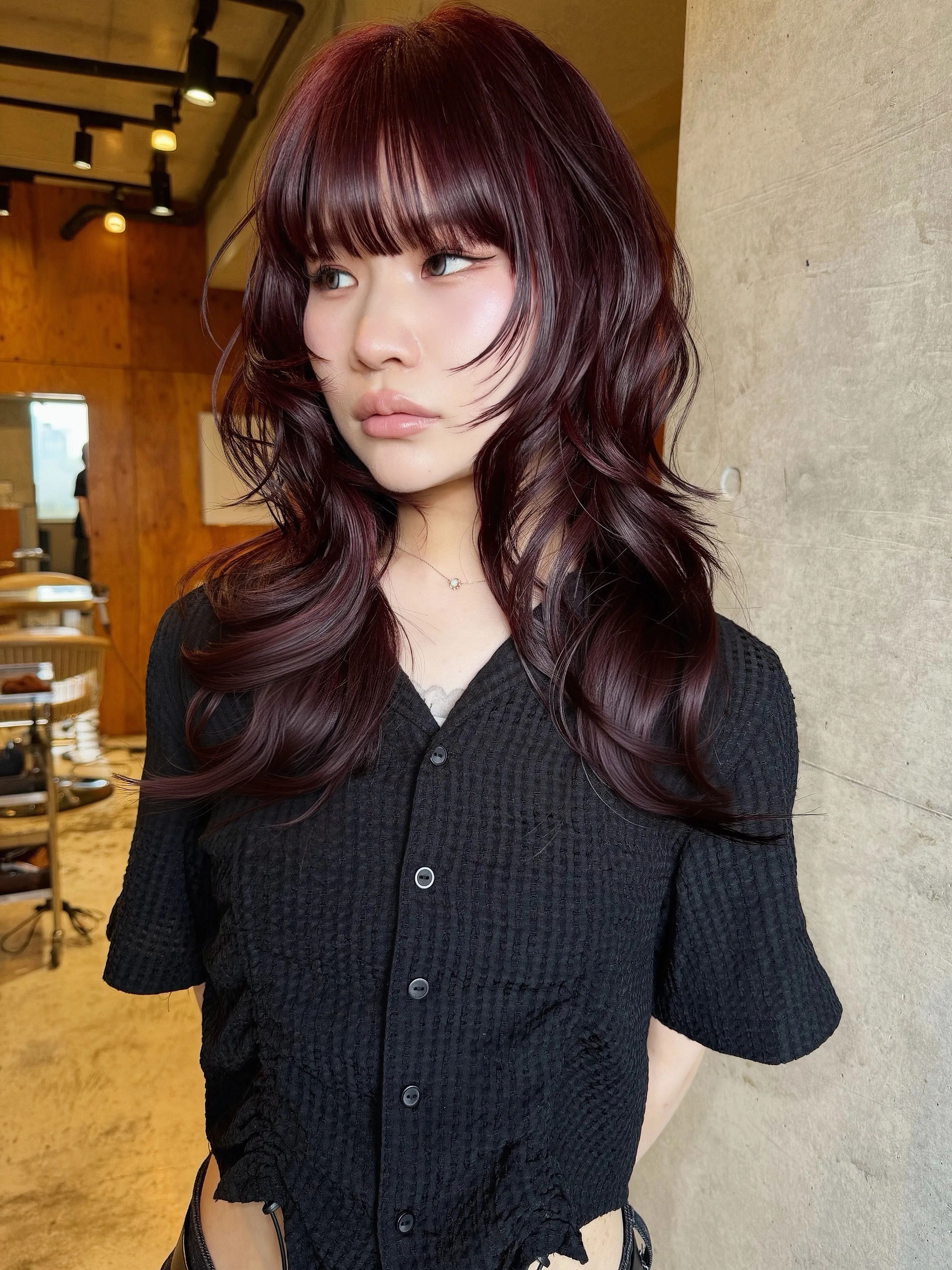
A full fringe gives the cut a strong front edge, then long layers soften the sides and ends. This combination works well when you want noticeable shape without shortening the main length.
Long Wispy Layers
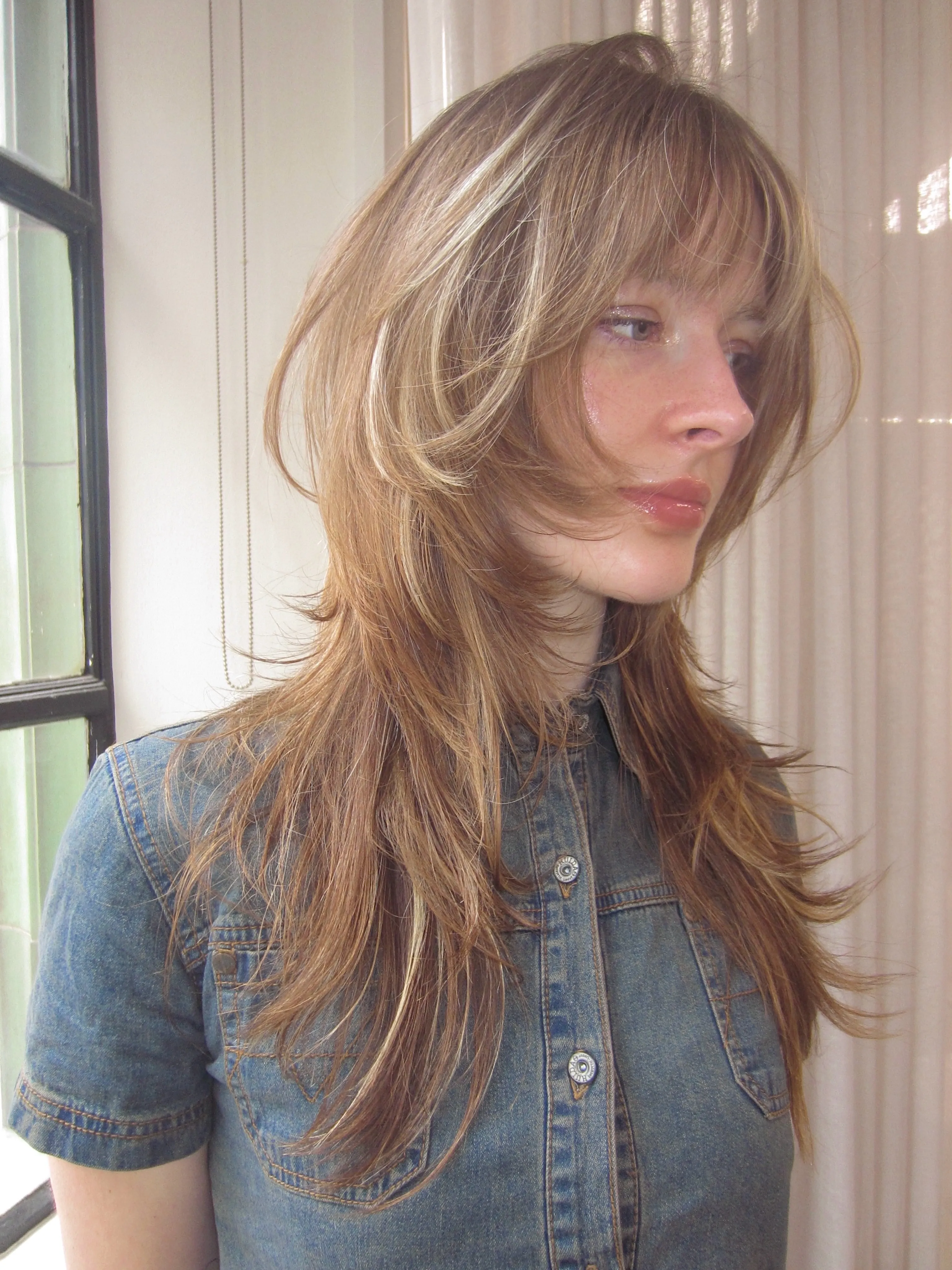
The wispy front sections are lighter than the deeper layers underneath, so the haircut has movement without looking heavily feathered. A smooth blow-dry keeps the long outline intact while showing the layer changes.
For that finish: Use a large round brush and direct the front layers away from the face.
Rounded Face-Framing Layers
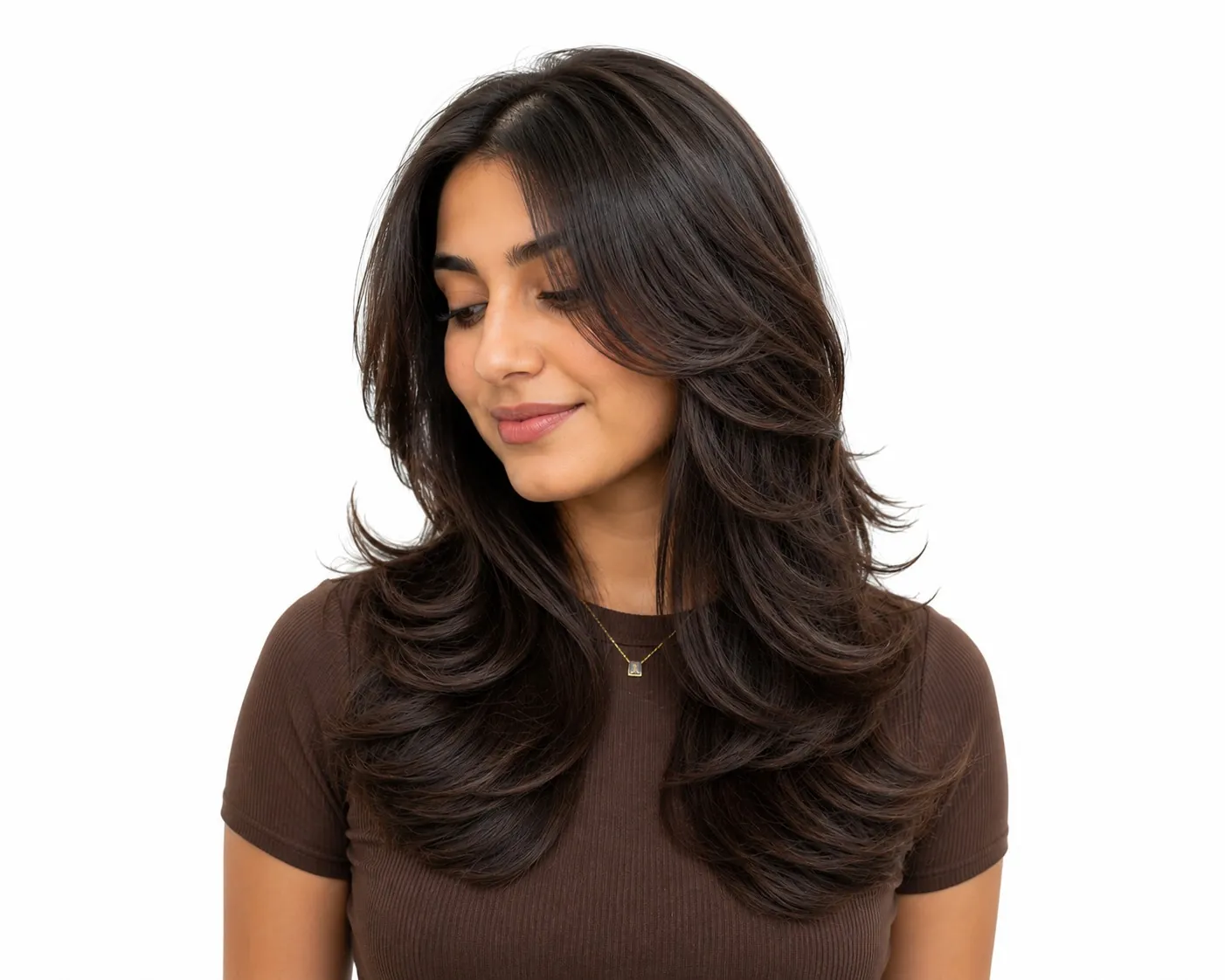
Rounded face-framing pieces lift away from the cheeks and blend into a fuller lower section. The shape suits medium to thick hair because it removes visual weight from the front without thinning the ends too much.
Glossy Long Layers
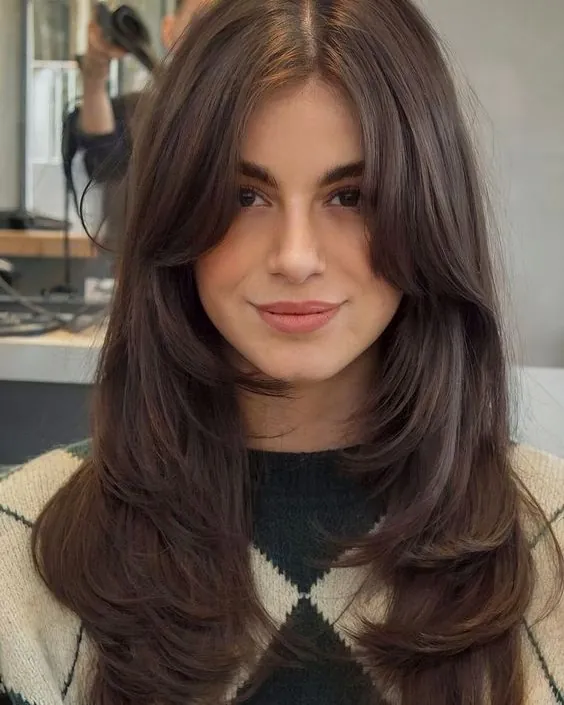
The long layers are subtle through the crown but open up around the face and lower lengths. A glossy blowout works here because the smooth surface still lets the different layer levels catch light separately.
Red Layered Shag
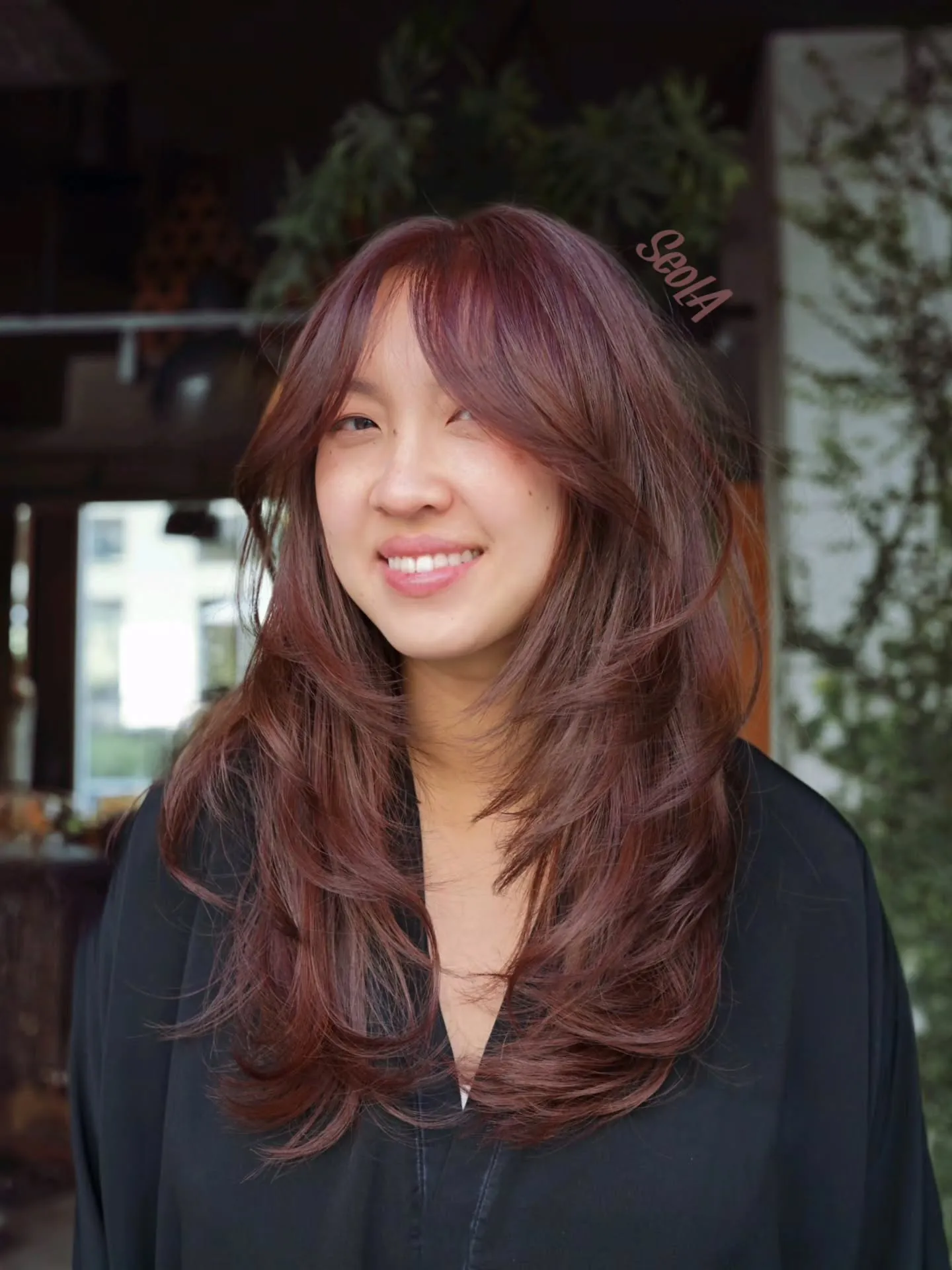
The deeper red-toned layers create a shag-like outline with more movement around the shoulders. Keeping the top soft and the lower lengths full prevents the cut from becoming too narrow at the ends.
Wavy Shoulder Layers
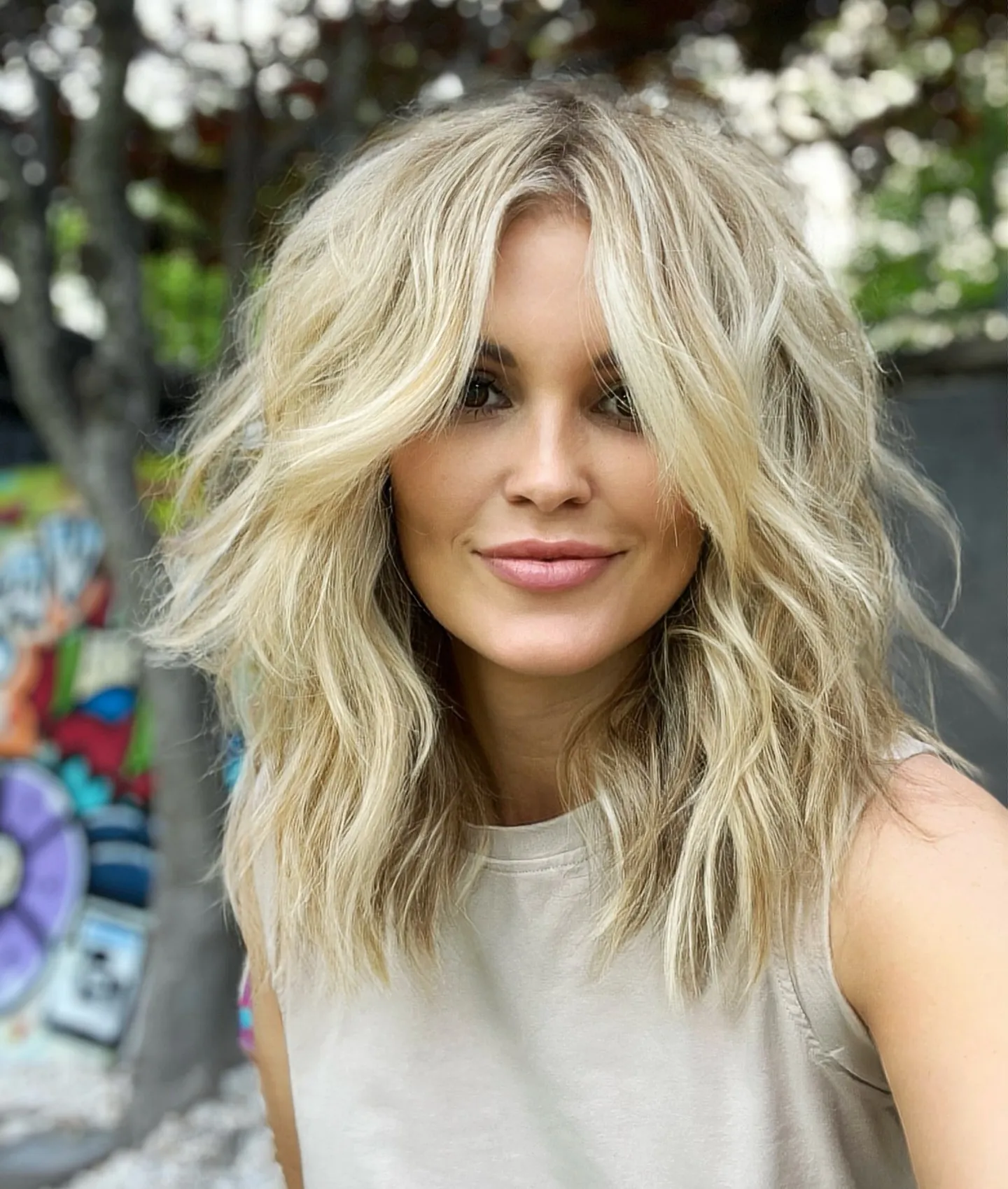
Shoulder-level waves reveal the deep layering by breaking the perimeter into several moving sections. This is a useful option if long hair feels heavy but a dramatic shag would be too much change.
Voluminous Side Layers
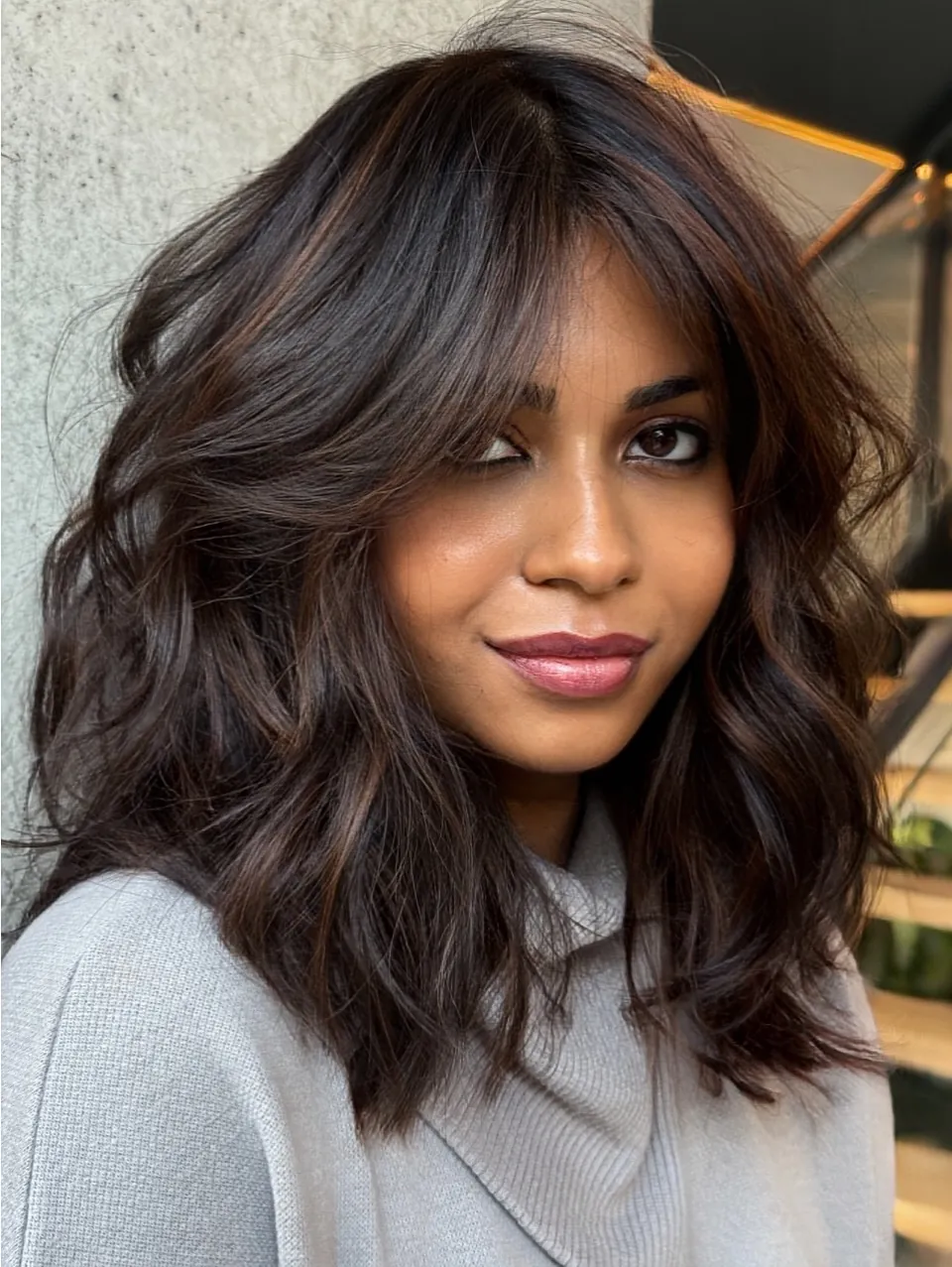
A strong side sweep creates height through the front while deeper layers build body through the sides. The style works best when the lower lengths remain full enough to support the volume above.
Good to know: Deep layers need enough density underneath them to keep the ends looking full.
Long Layers With Fringe
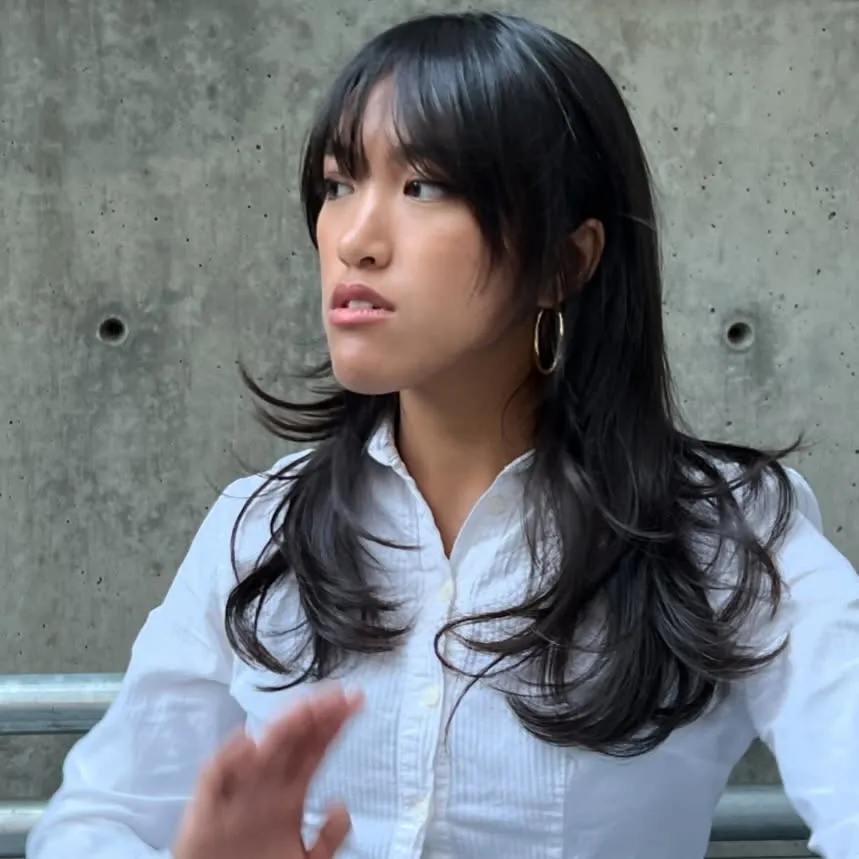
The fringe adds a shorter front layer, then the rest of the haircut falls in long, curved sections. This gives the face more shape without turning the overall style into a heavily chopped shag.
Deep U-Shaped Layers
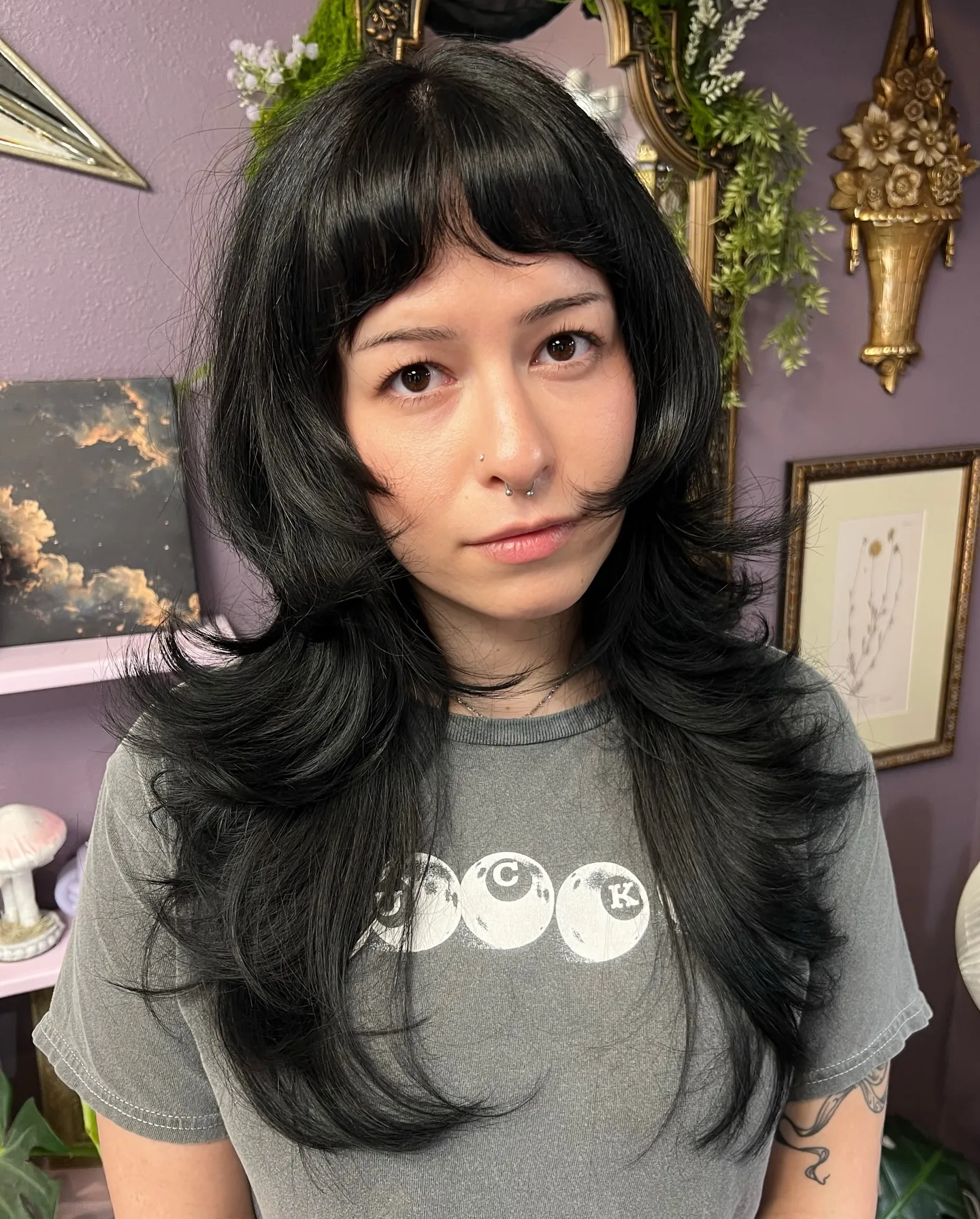
A U-shaped perimeter keeps the center back longest while deeper side layers create movement toward the front. That combination helps long hair feel lighter without giving up the soft, full outline from behind.
Flipped Shoulder Layers
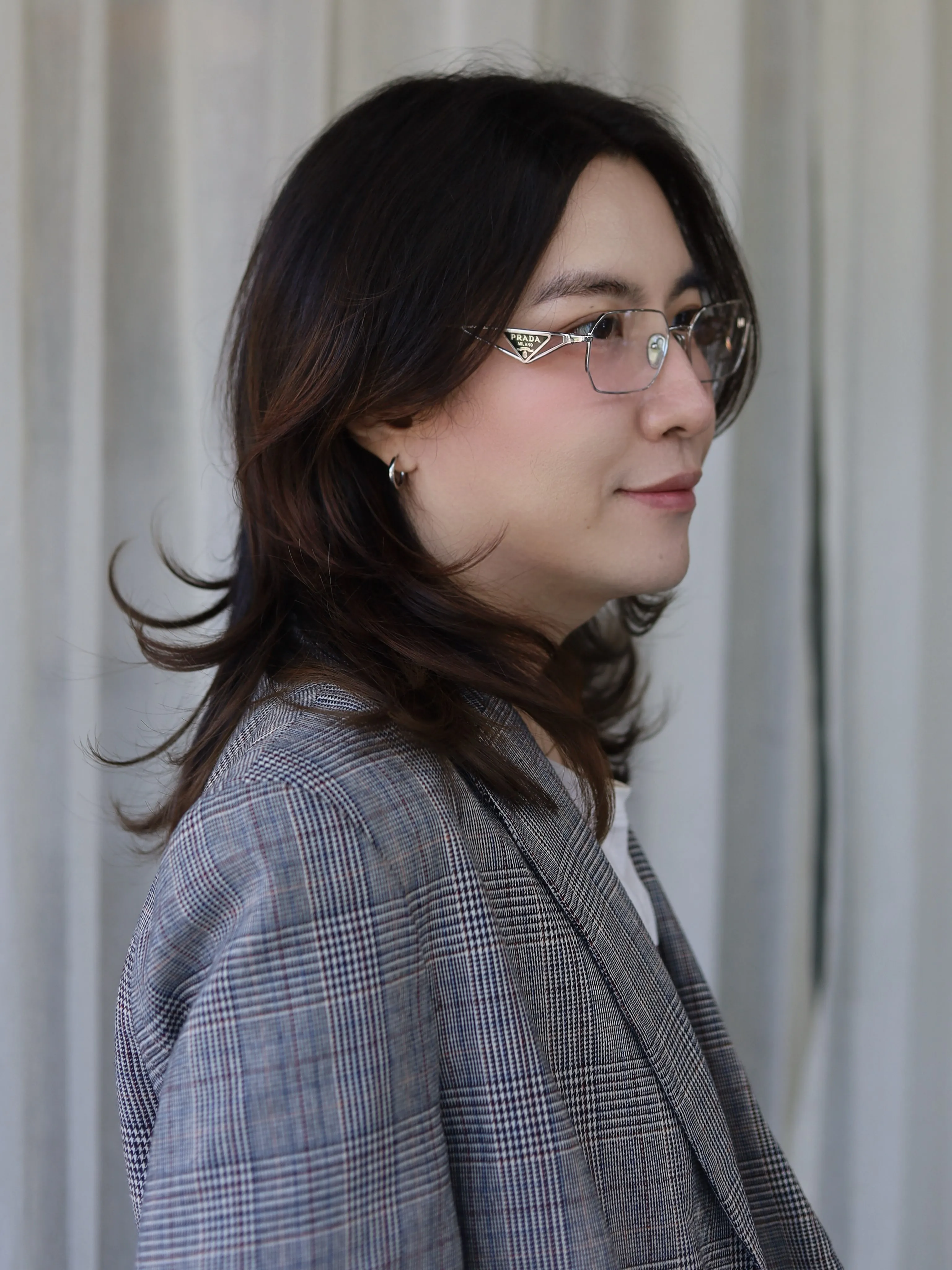
Flipped shoulder layers create visible separation at the ends while the upper section stays smooth. It is an easy way to make a medium-length cut look more layered without relying on heavy texture spray.
Red Deep Layers
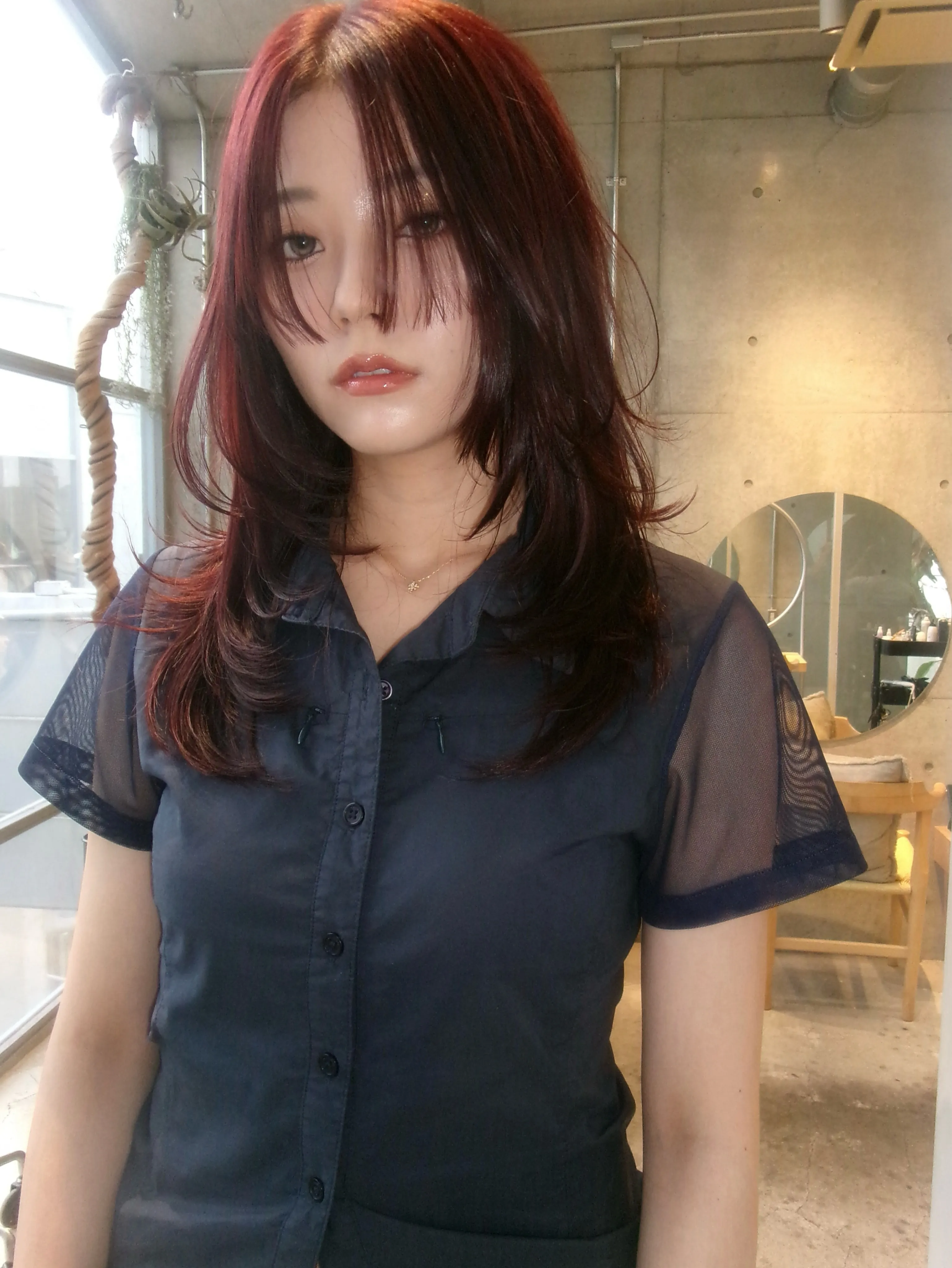
The red-toned lengths show deep layering through the front and midsection, with the longest pieces still reaching well below the shoulders. Loose bends make the different lengths clearer without disguising the cut.
Long Soft Layers
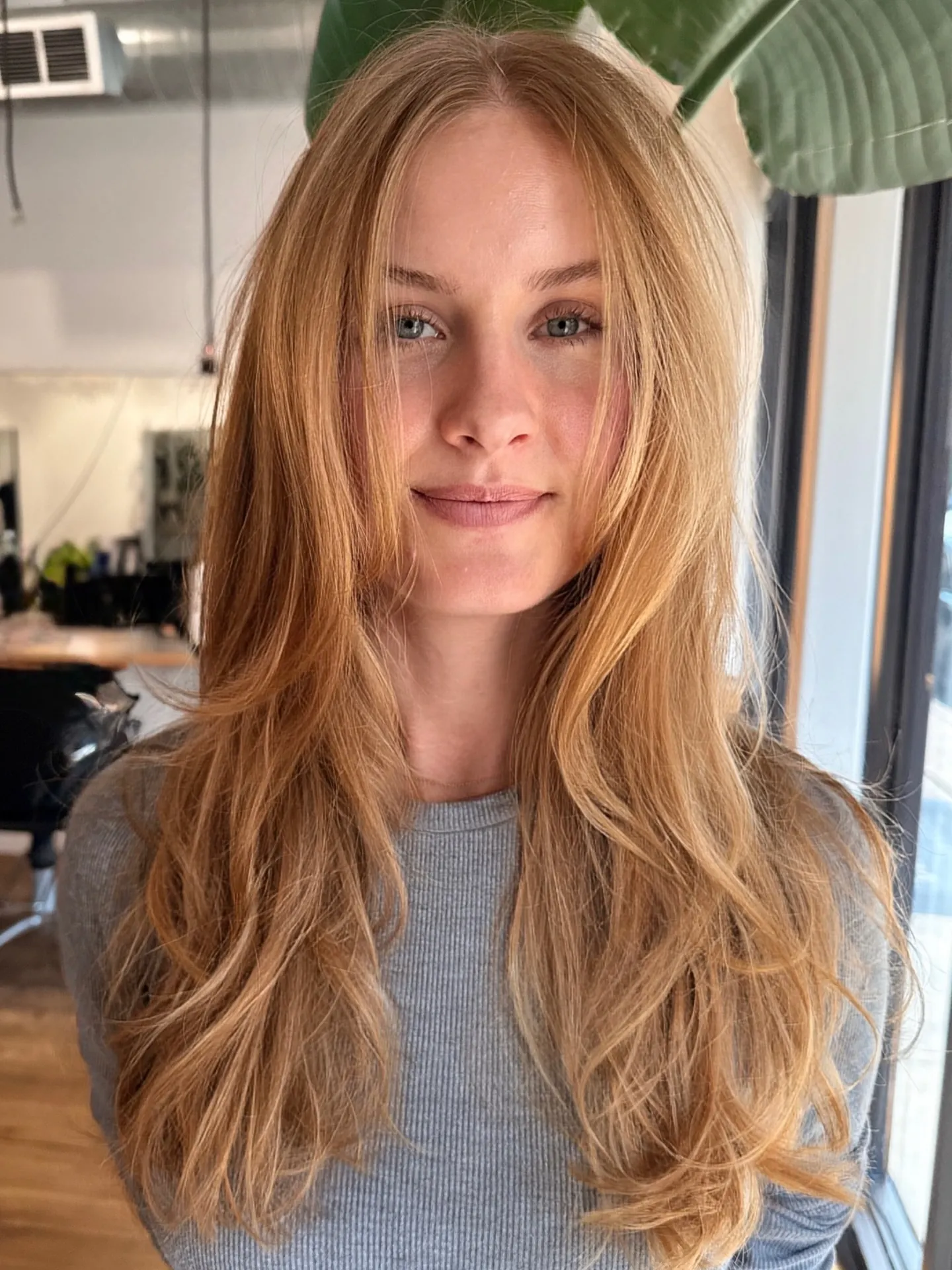
Soft, long layers create movement mainly through the lower half, keeping the top calm and the ends full. This is a practical version of deep layering for anyone who wants an easier grow-out.
Easy to maintain: Ask for longer layer transitions if you prefer a softer grow-out.
Full Fringe Layers
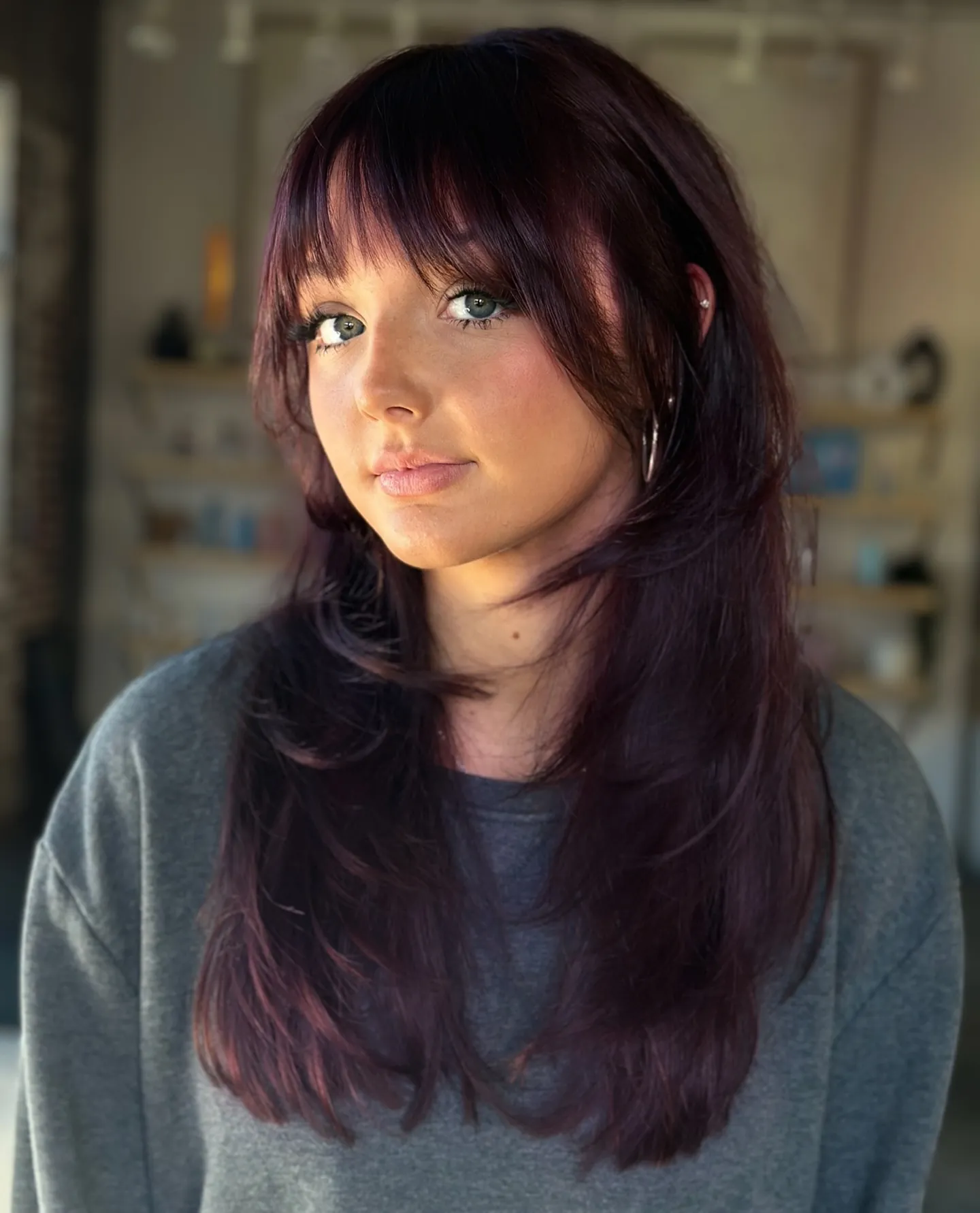
A full fringe sits above long, curved layers that move away from the face and shoulders. Keeping the front dense gives the style a rounded outline rather than the airy effect of a wispy shag.
Rounded Long Layers
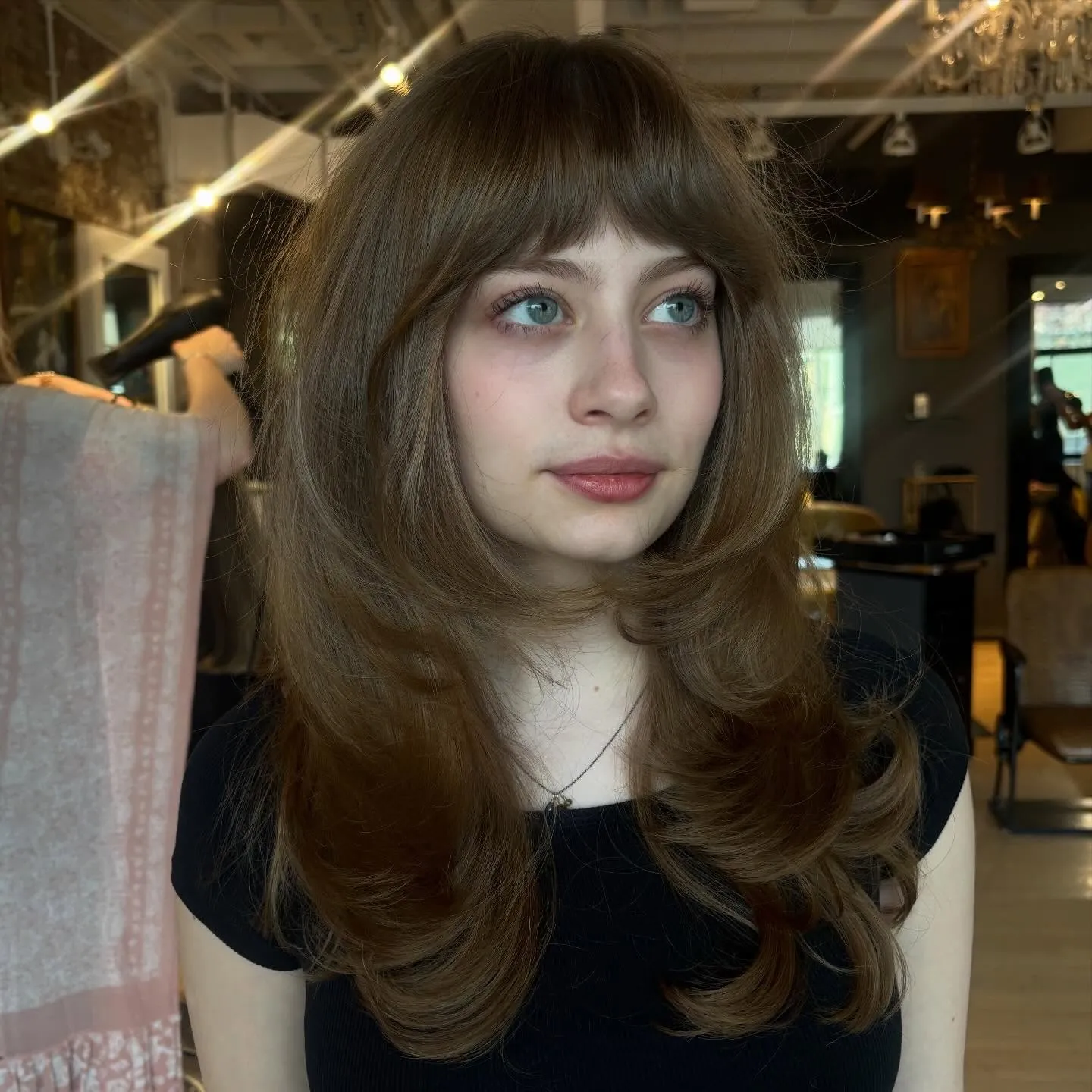
The rounded layers build volume around the shoulders and chest while leaving the top relatively smooth. A large brush can lift the ends enough to show the depth without making the style look overdone.
Tapered Long Layers
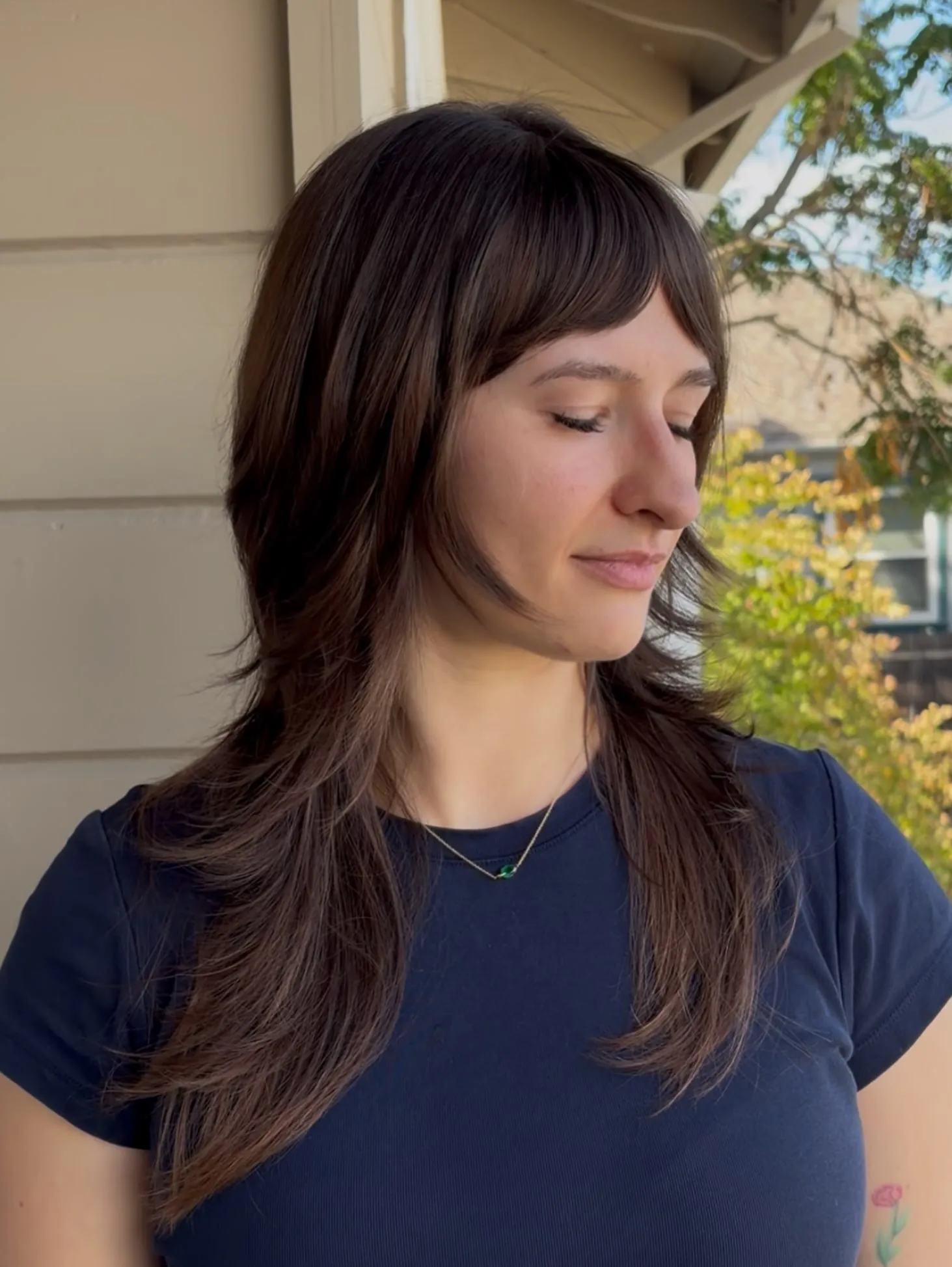
The longest pieces stay substantial while the upper lengths taper gradually into them. This keeps the deep layering soft and wearable, especially on straight hair that shows every change in length clearly.