
Bangs Ideas: 20 Modern Picks
The right bangs can change the whole shape of a haircut.

- Bangs can shift attention toward the eyes, soften the forehead, or add structure depending on their length, density, and parting.
- Curtain and bottleneck fringe usually grow out more forgivingly, while blunt and micro bangs need more frequent trimming.
- Cowlicks, hair density, and natural texture should guide the fringe choice because they affect how the bangs sit each morning.
Curtain Bangs
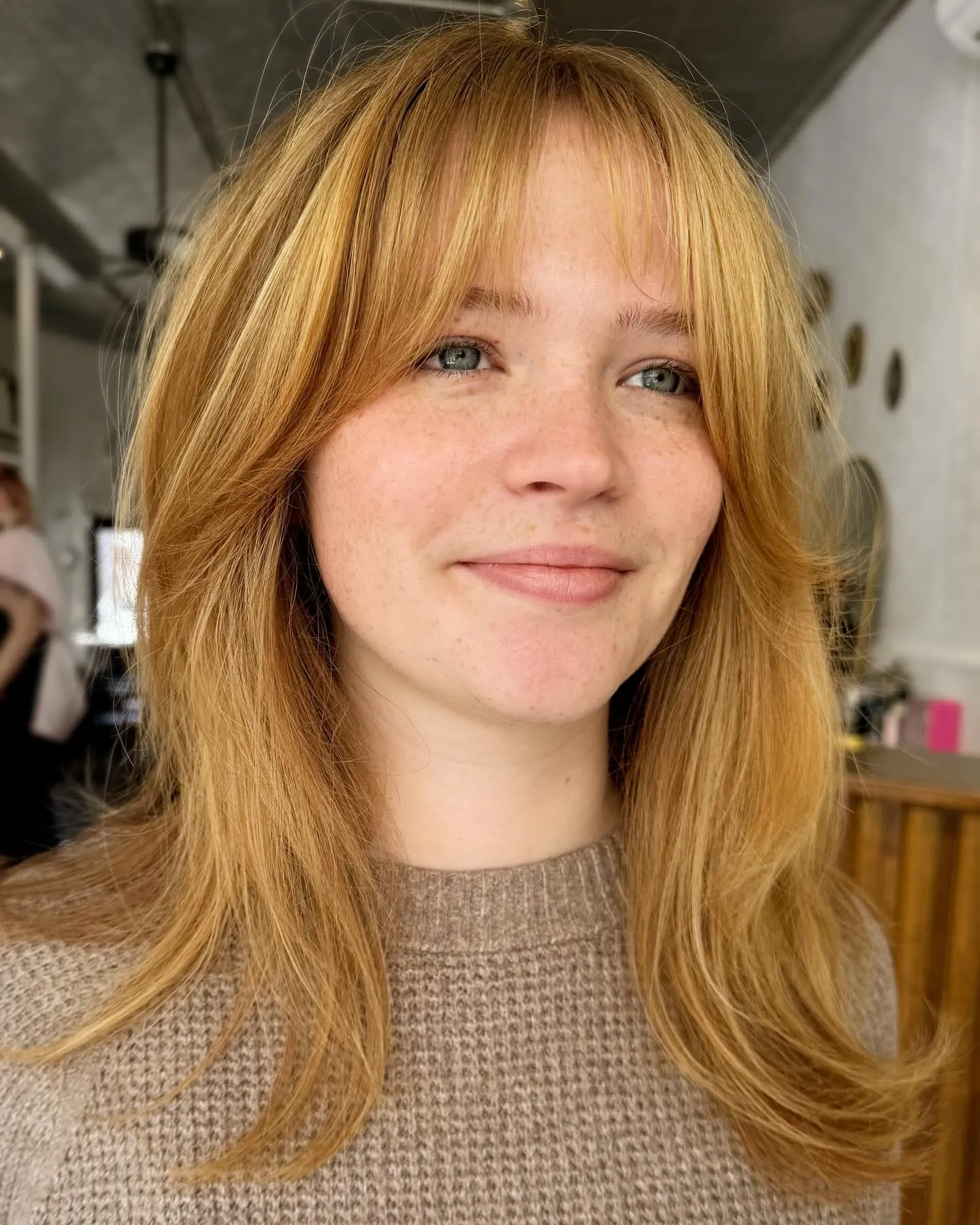
Curtain Bangs changes the balance around the forehead and eyes without needing a full haircut. The key is matching the fringe density to your natural hairline so it falls cleanly instead of separating awkwardly.
Full Fringe Updo
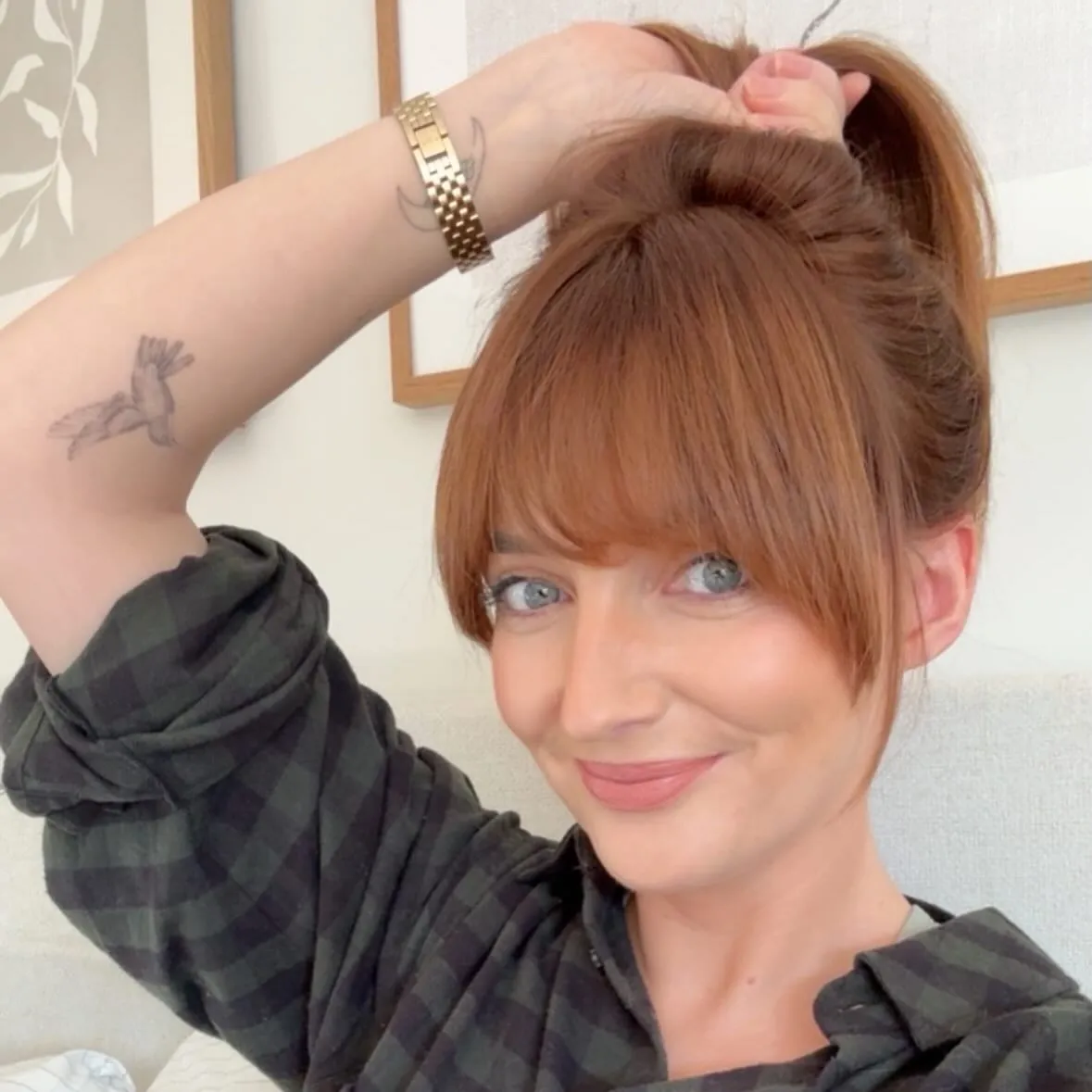
With Full Fringe Updo, the front section becomes the main feature, so a quick fringe blow-dry can make the whole hairstyle look finished. Start while the bangs are damp for the most control.
Rounded Full Bangs
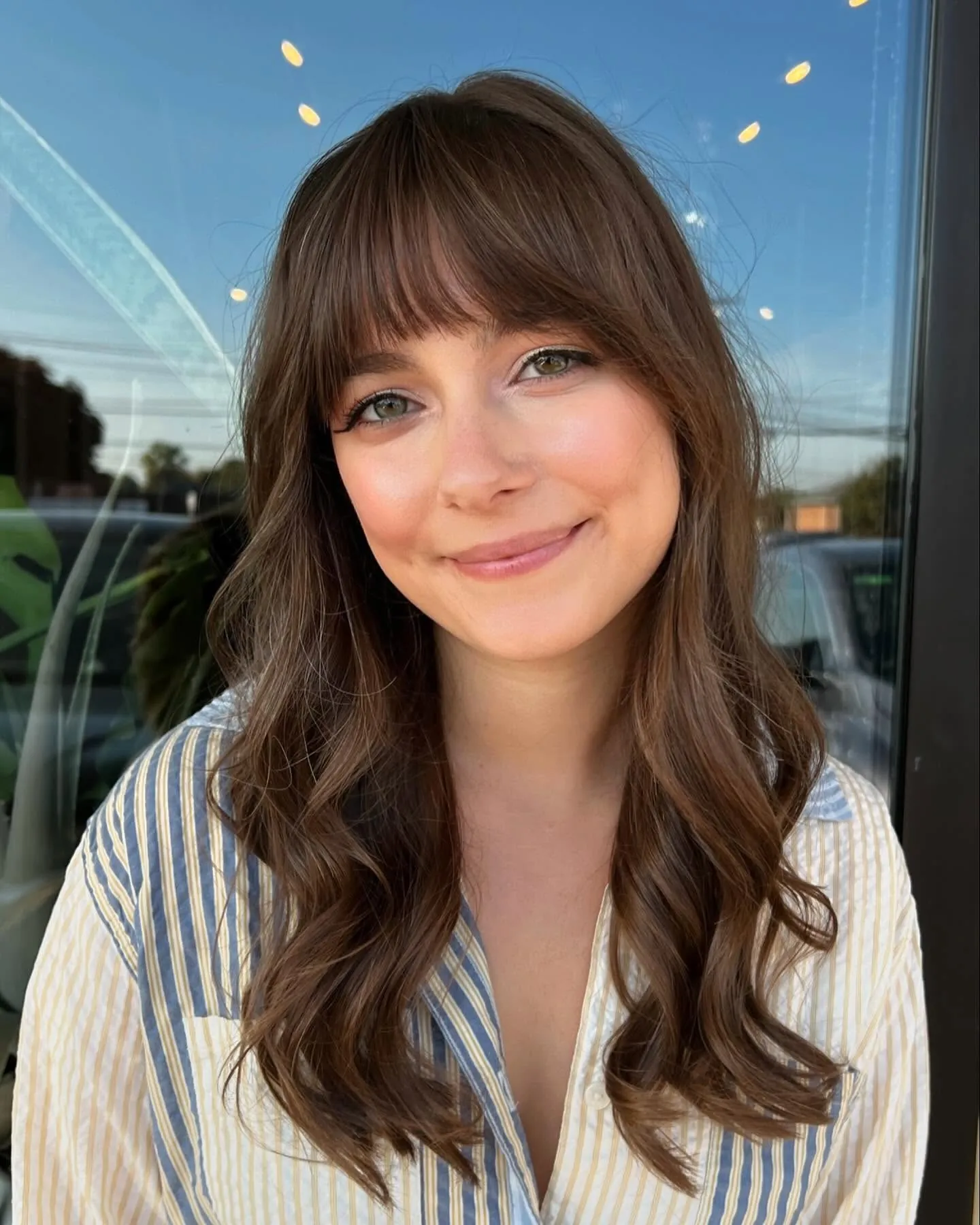
Rounded Full Bangs is useful when you want face framing without shortening the rest of the hair. Keep the edges soft if you prefer an easier grow-out between trims.
Micro Bangs

The shape of Micro Bangs directs attention toward the eyes and can soften a longer forehead. A small round brush or flat brush is usually enough to control the front section.
Blunt Full Bangs
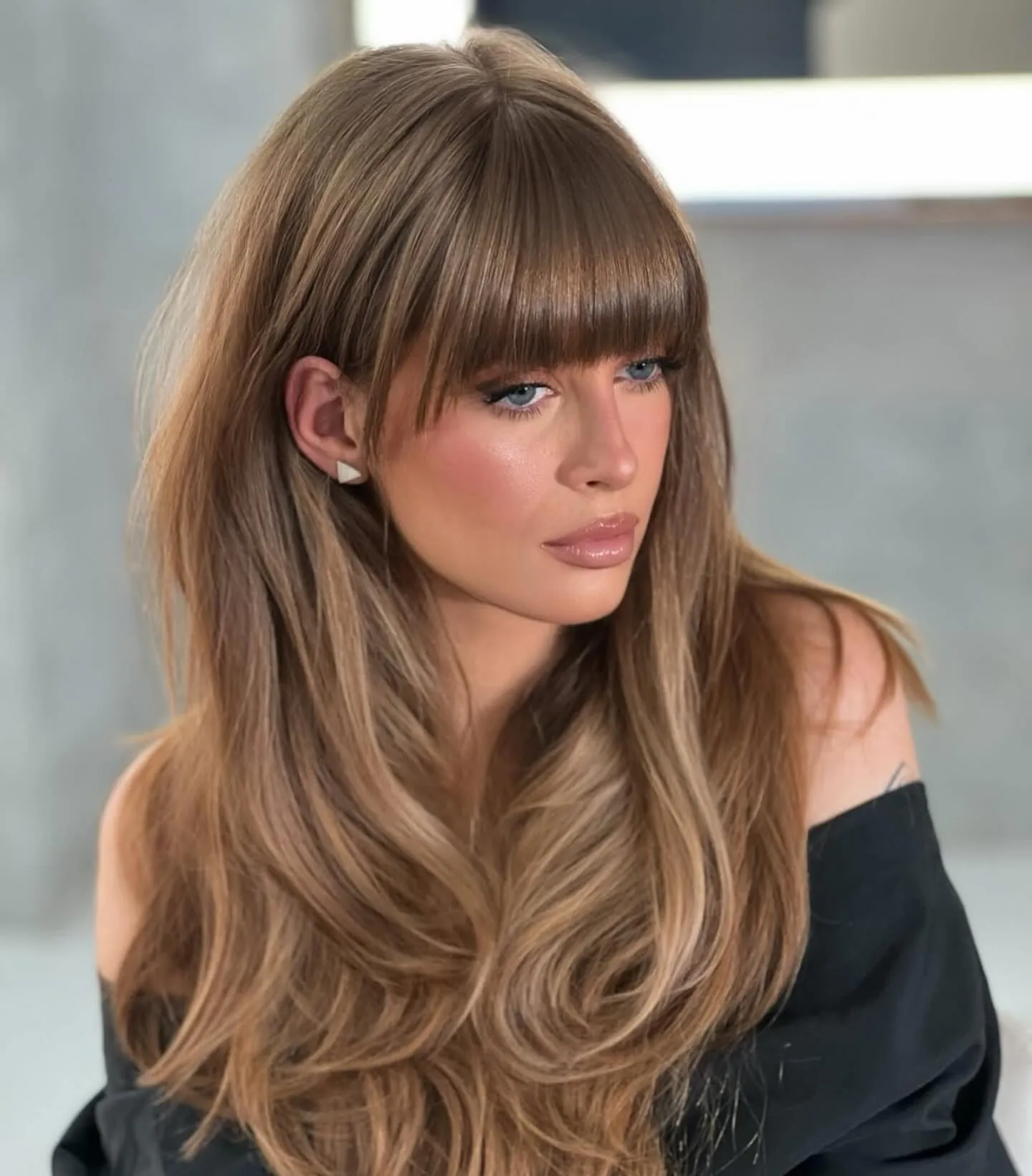
Blunt Full Bangs works best when the stylist accounts for cowlicks and natural movement before cutting. Fringe that is forced against its growth pattern usually takes more daily styling.
Morning hack: Dry the fringe first before it has time to set in the wrong direction.
Wispy Curtain Fringe

The length and density in Wispy Curtain Fringe create a clear frame around the face. Ask for slightly longer outer pieces if you want the bangs to blend more naturally into layers.
Long Blunt Bangs
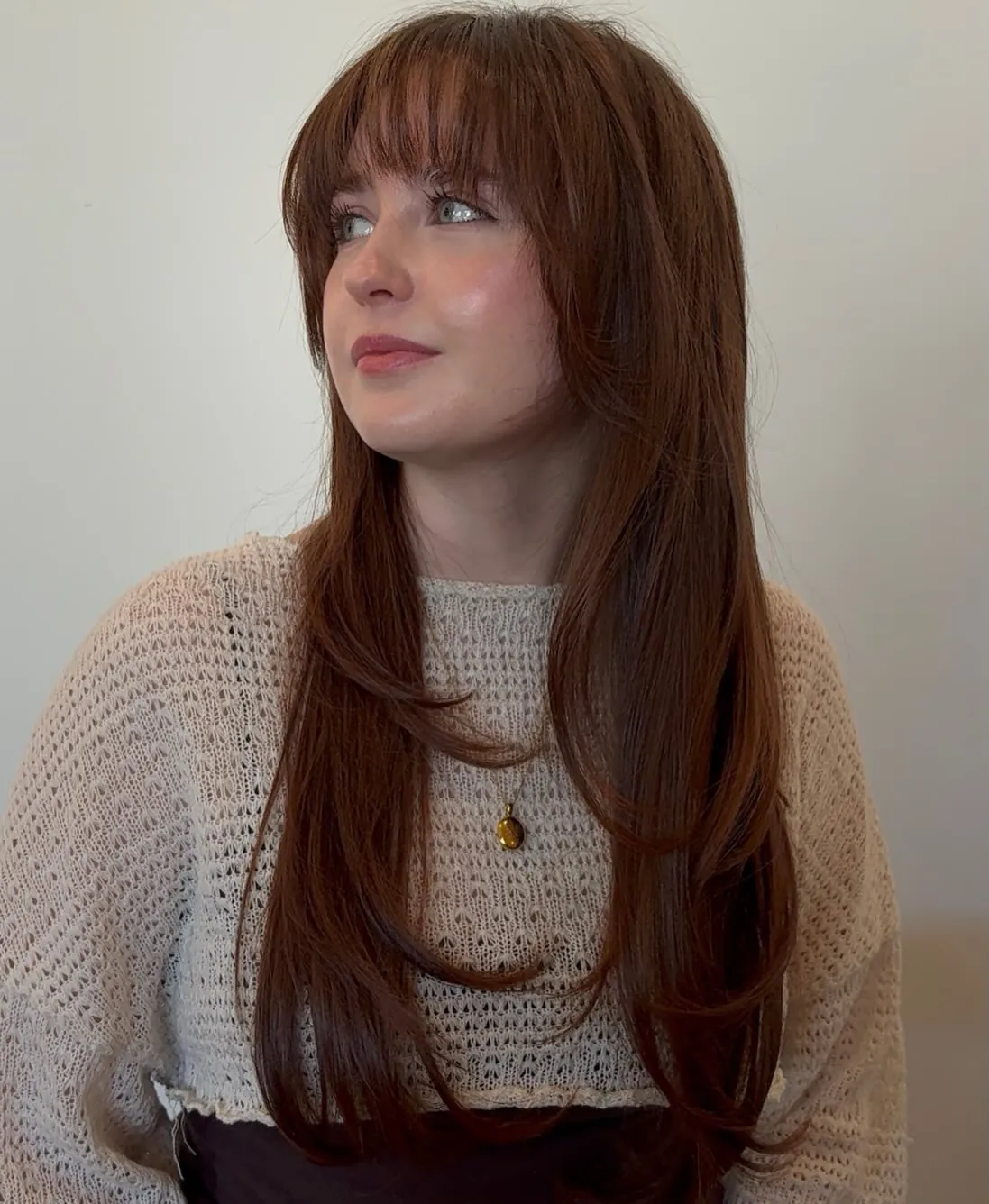
Long Blunt Bangs adds structure at the front while leaving the rest of the haircut flexible. Dry the fringe first, then style the lengths, because bangs set quickly as they air-dry.
Wispy Straight Bangs
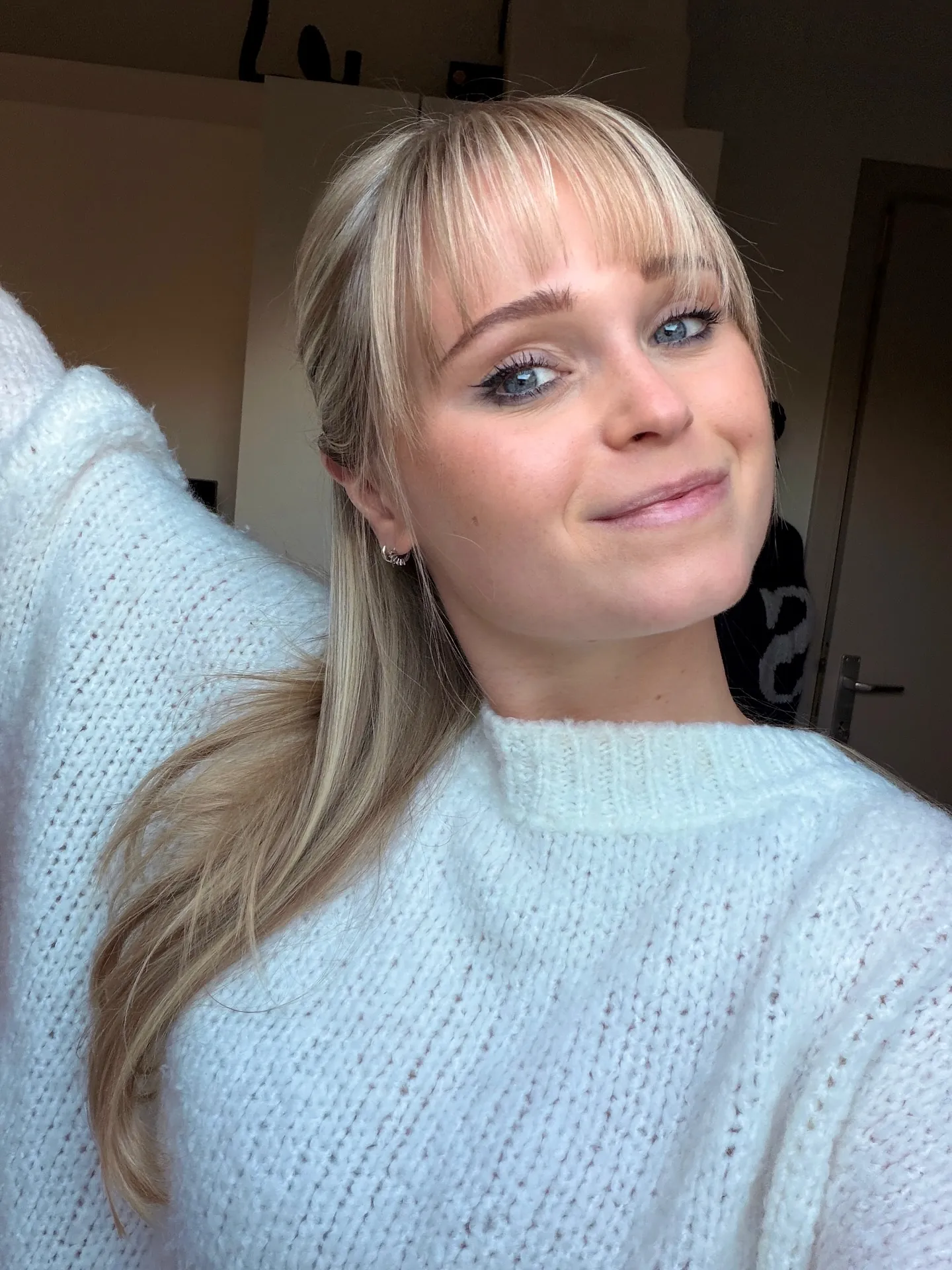
This version of Wispy Straight Bangs keeps the focus around the brow line without overwhelming the face. Light styling product is enough; heavy wax can make bangs separate into thick pieces.
Soft Wispy Bangs
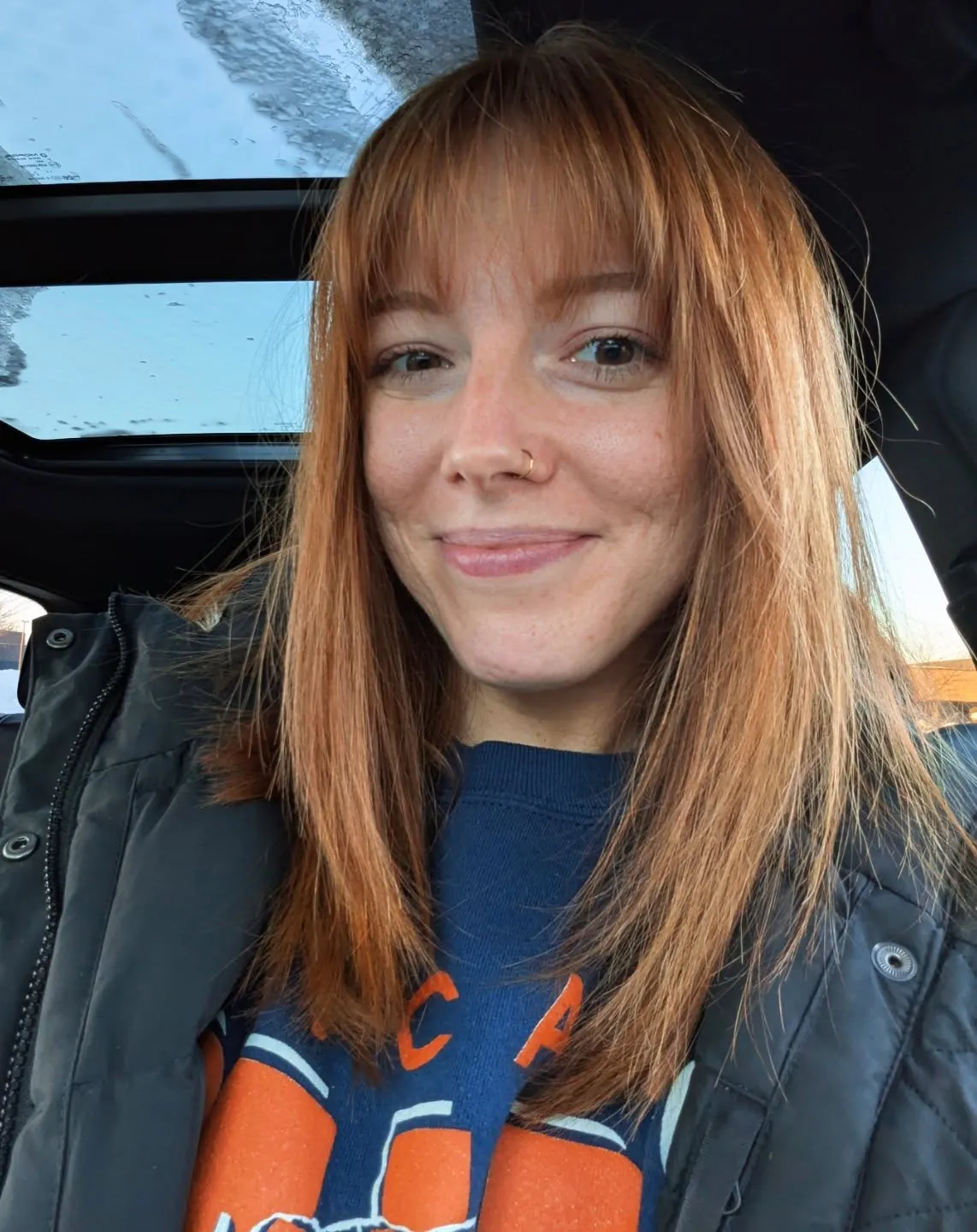
Soft Wispy Bangs changes the balance around the forehead and eyes without needing a full haircut. The key is matching the fringe density to your natural hairline so it falls cleanly instead of separating awkwardly.
Baby Bangs
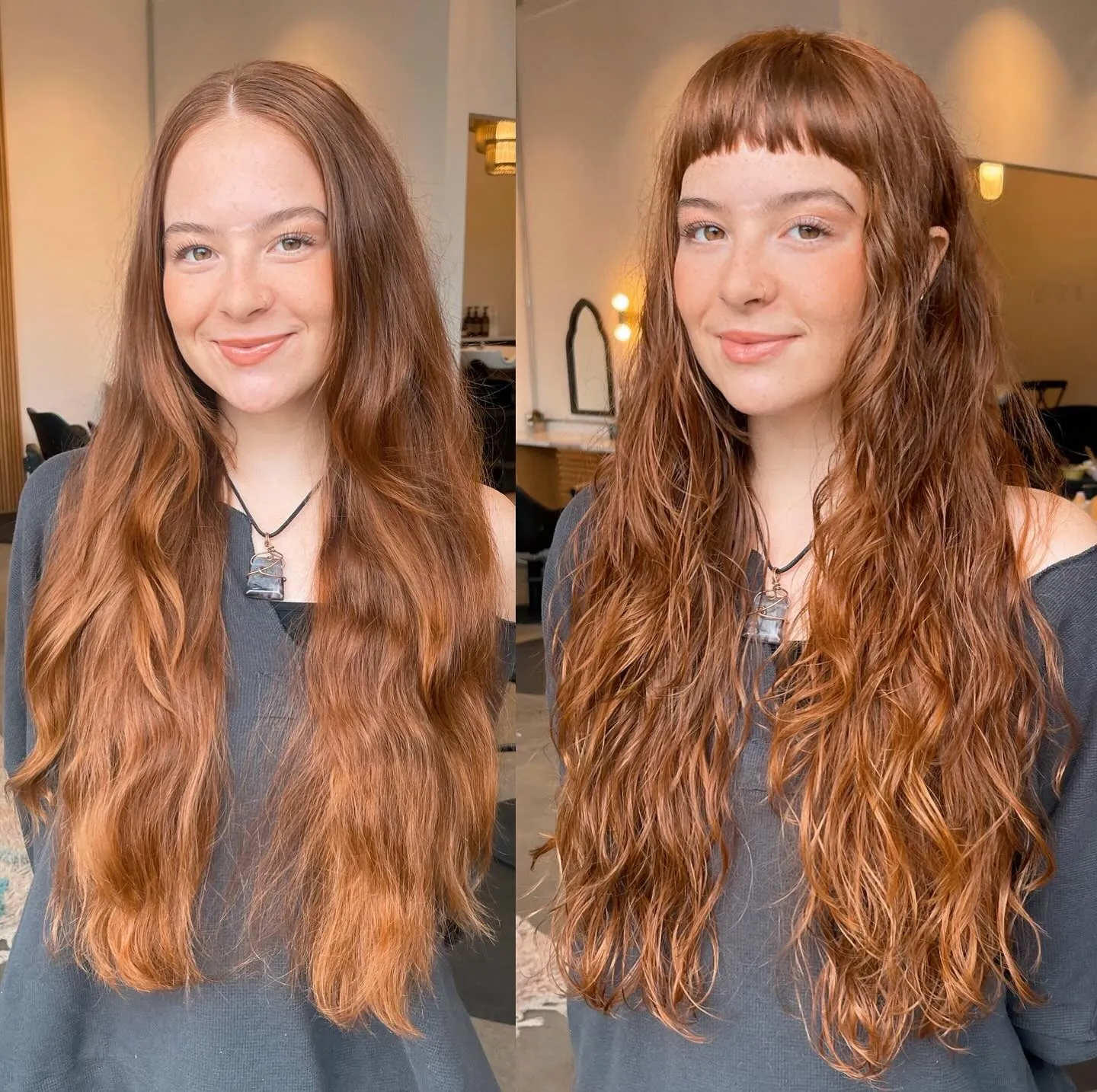
With Baby Bangs, the front section becomes the main feature, so a quick fringe blow-dry can make the whole hairstyle look finished. Start while the bangs are damp for the most control.
Ask your stylist: To account for any cowlick before deciding the final fringe length.
Shaggy Curtain Bangs

Shaggy Curtain Bangs is useful when you want face framing without shortening the rest of the hair. Keep the edges soft if you prefer an easier grow-out between trims.
Feathered Wispy Bangs
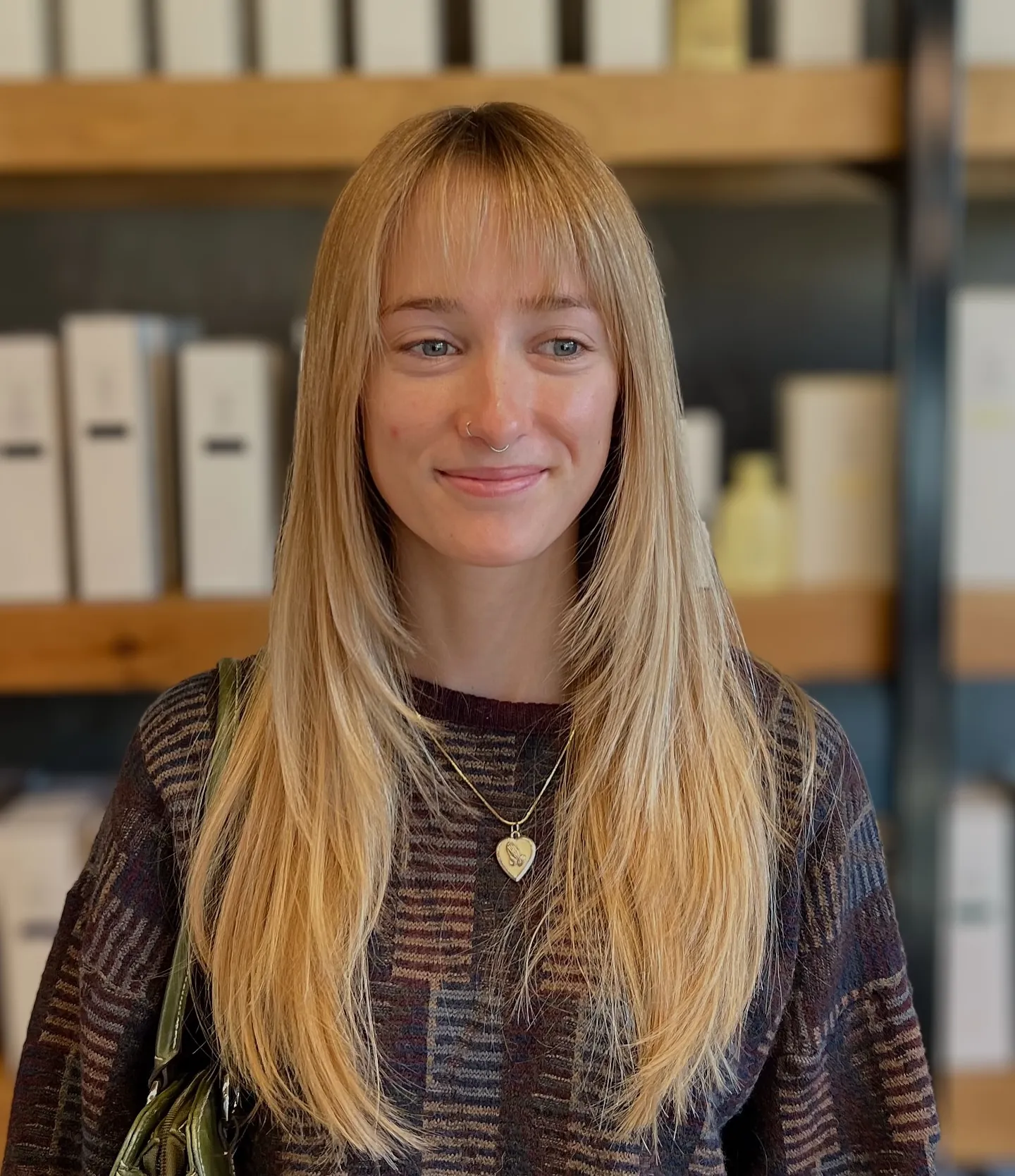
The shape of Feathered Wispy Bangs directs attention toward the eyes and can soften a longer forehead. A small round brush or flat brush is usually enough to control the front section.
Bottleneck Bangs
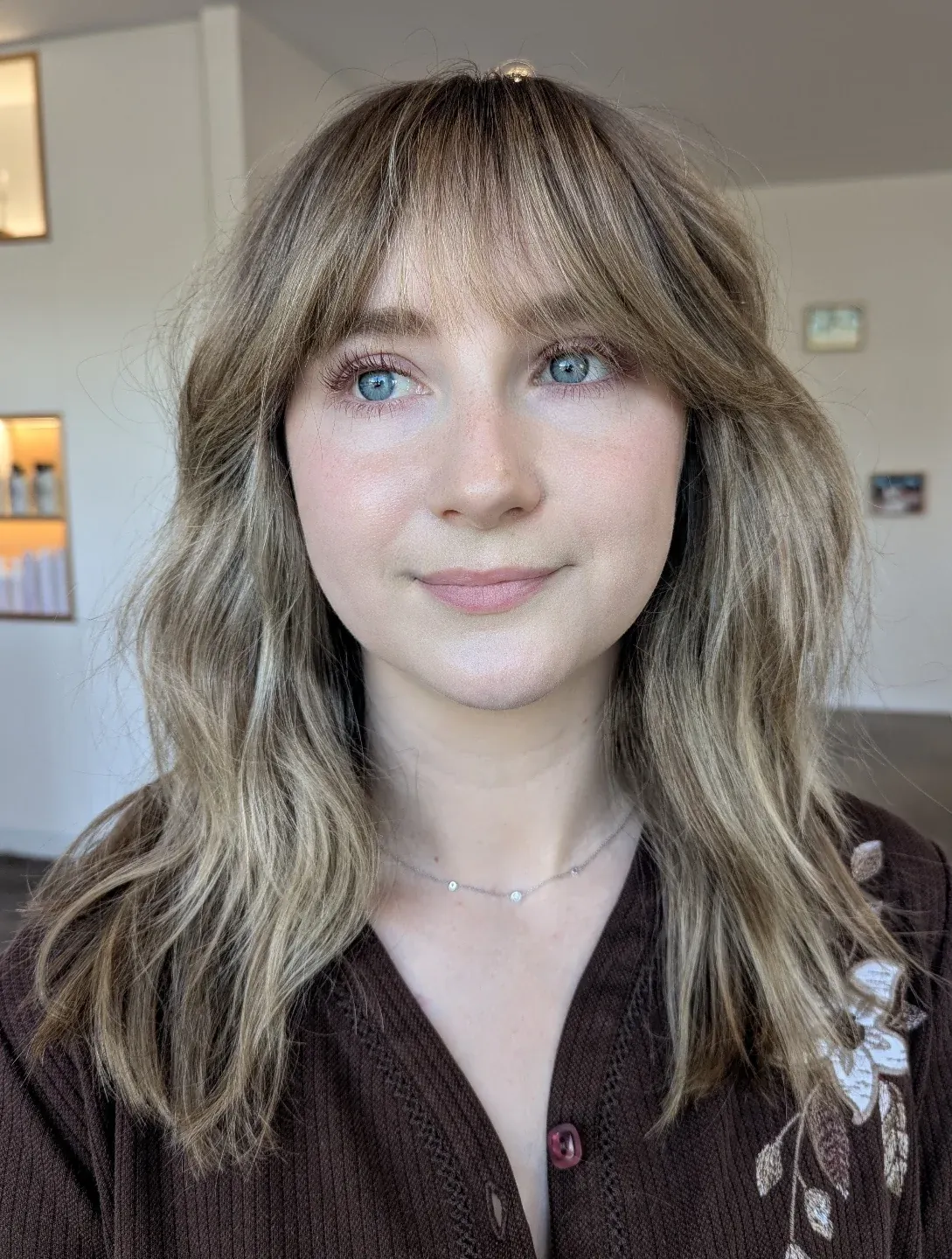
Bottleneck Bangs works best when the stylist accounts for cowlicks and natural movement before cutting. Fringe that is forced against its growth pattern usually takes more daily styling.
Long Curtain Bangs
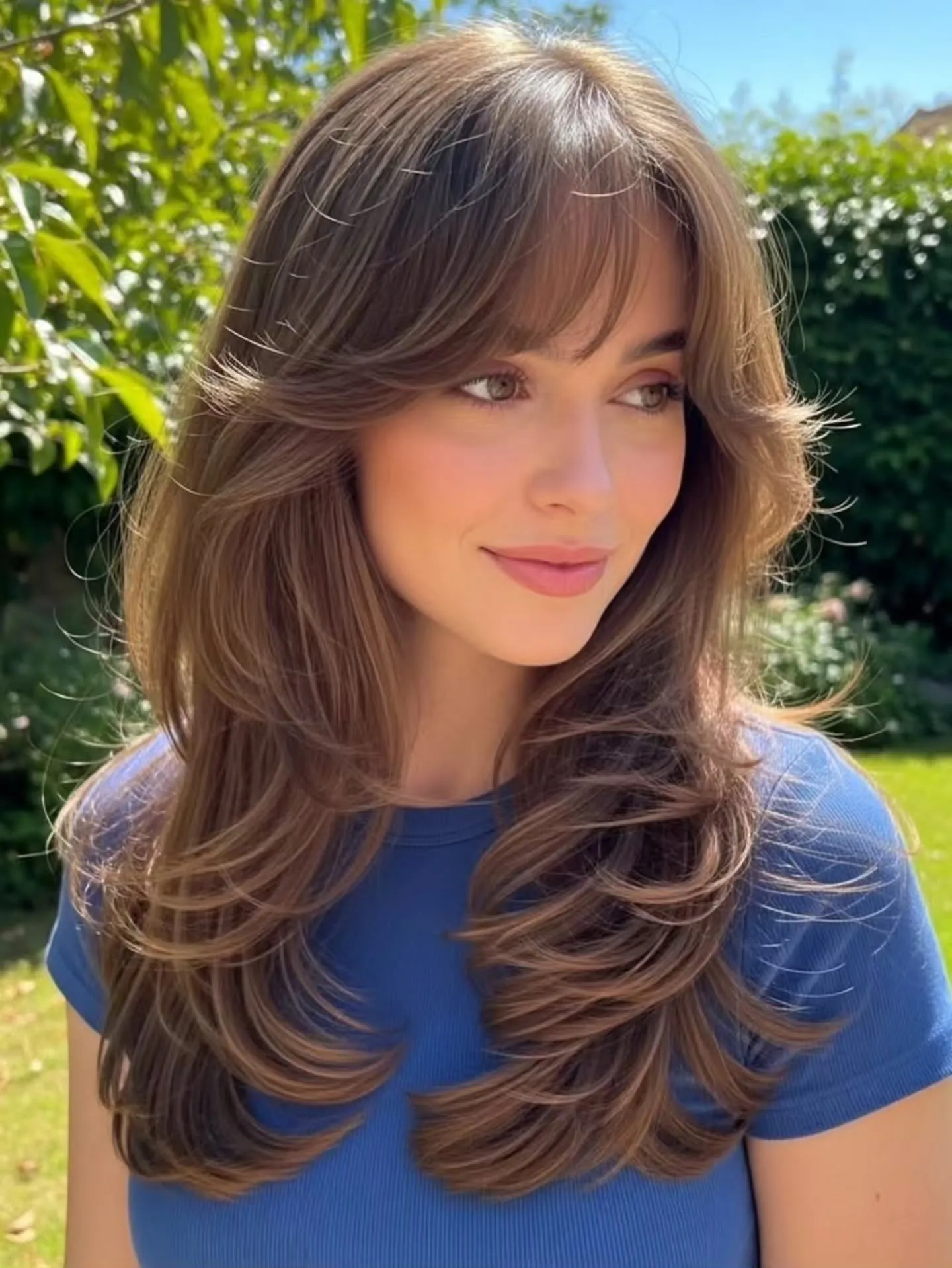
The length and density in Long Curtain Bangs create a clear frame around the face. Ask for slightly longer outer pieces if you want the bangs to blend more naturally into layers.
Rounded Fringe
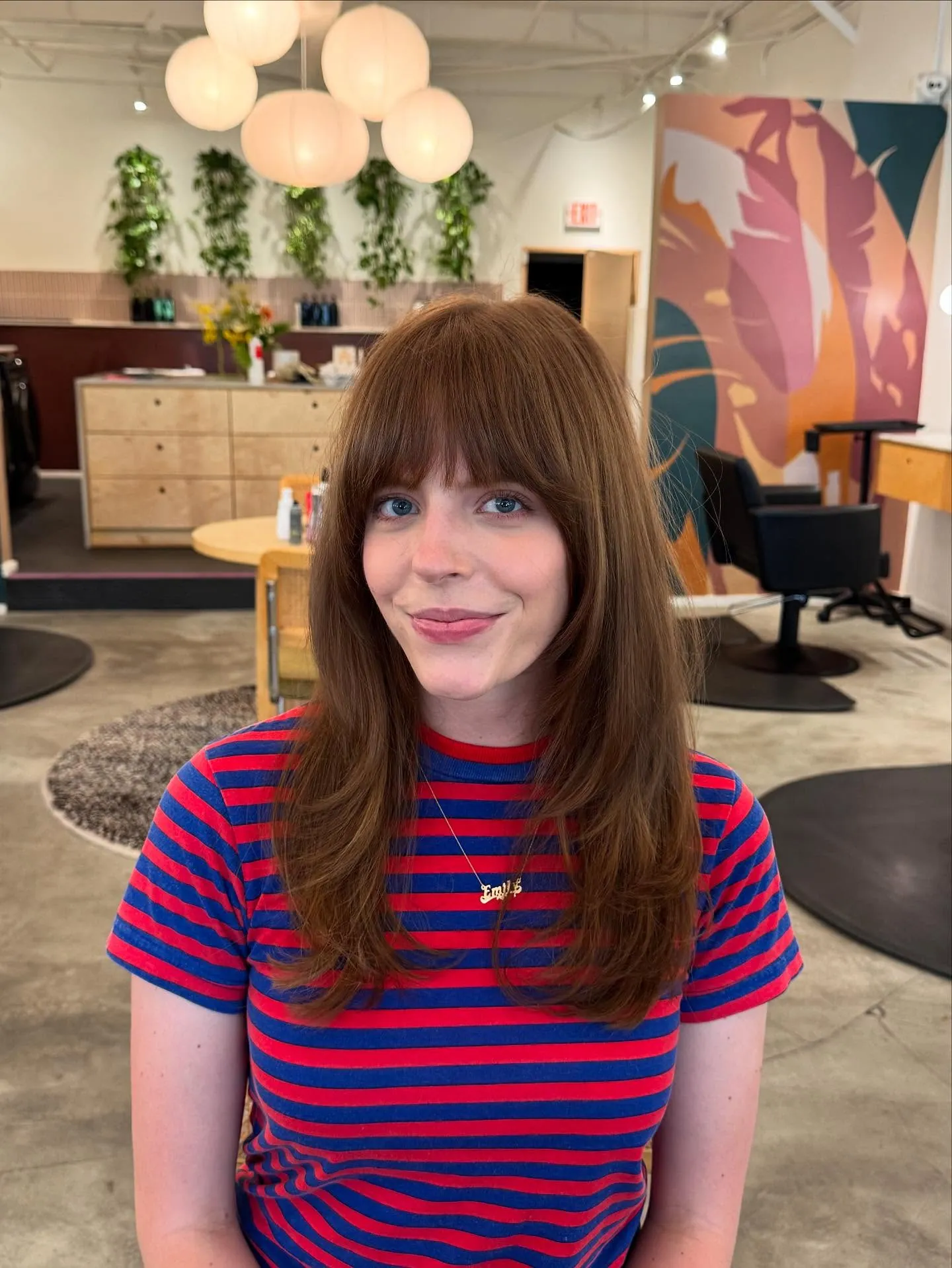
Rounded Fringe adds structure at the front while leaving the rest of the haircut flexible. Dry the fringe first, then style the lengths, because bangs set quickly as they air-dry.
Easy to maintain: Trim only the centre carefully between appointments if your stylist approves.
Micro Bangs Updo

This version of Micro Bangs Updo keeps the focus around the brow line without overwhelming the face. Light styling product is enough; heavy wax can make bangs separate into thick pieces.
Blunt Glossy Bangs
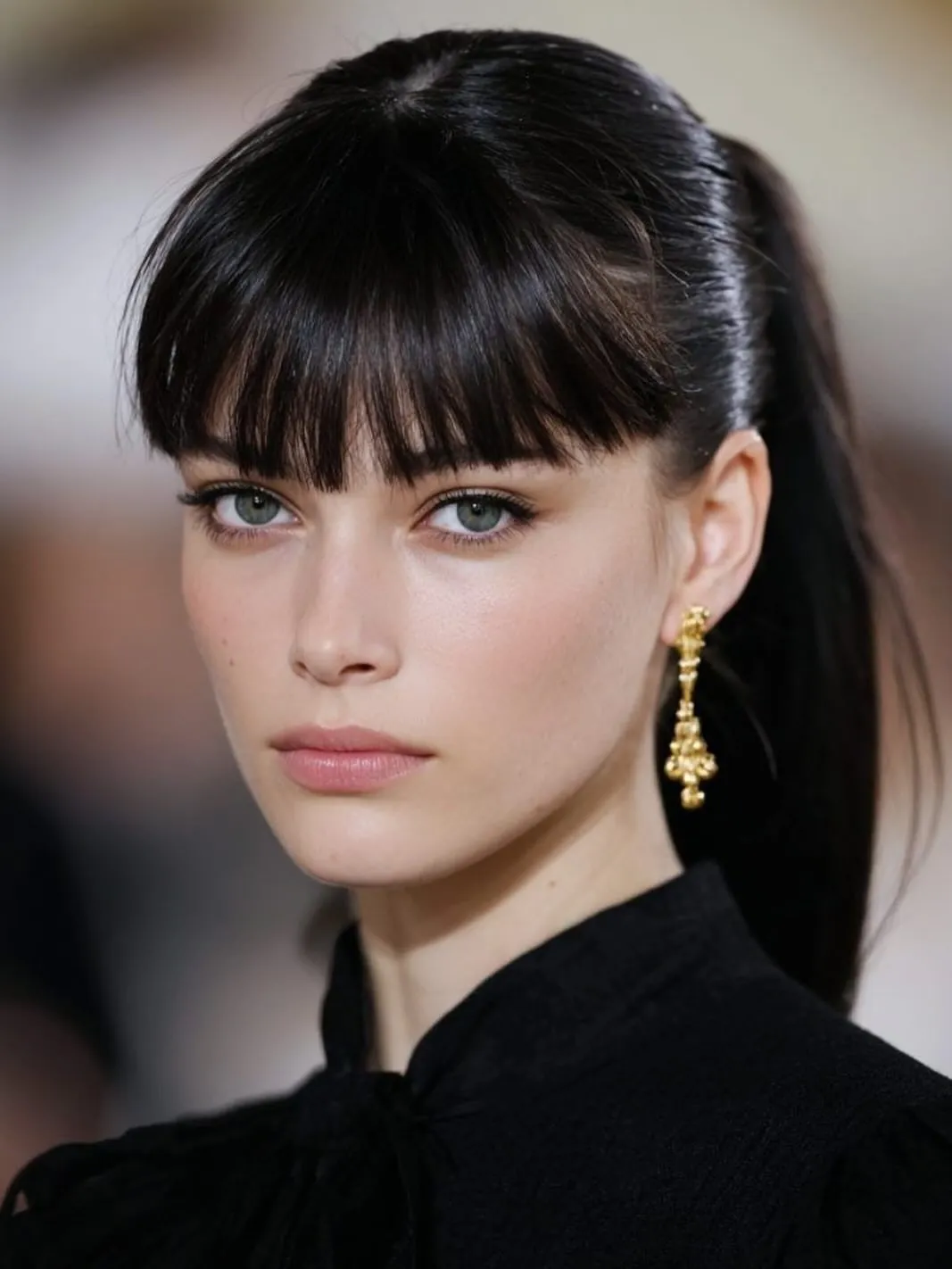
Blunt Glossy Bangs changes the balance around the forehead and eyes without needing a full haircut. The key is matching the fringe density to your natural hairline so it falls cleanly instead of separating awkwardly.
Choppy Micro Fringe

With Choppy Micro Fringe, the front section becomes the main feature, so a quick fringe blow-dry can make the whole hairstyle look finished. Start while the bangs are damp for the most control.
Full Fringe Bob

Full Fringe Bob is useful when you want face framing without shortening the rest of the hair. Keep the edges soft if you prefer an easier grow-out between trims.
Long Parted Bangs

The shape of Long Parted Bangs directs attention toward the eyes and can soften a longer forehead. A small round brush or flat brush is usually enough to control the front section.
Good to know: Longer outer pieces make most bangs easier to grow into face-framing layers.