
Face-Framing Layered Haircuts: 21 Youthful Ideas
Face-framing layers control where the eye lands around the face.
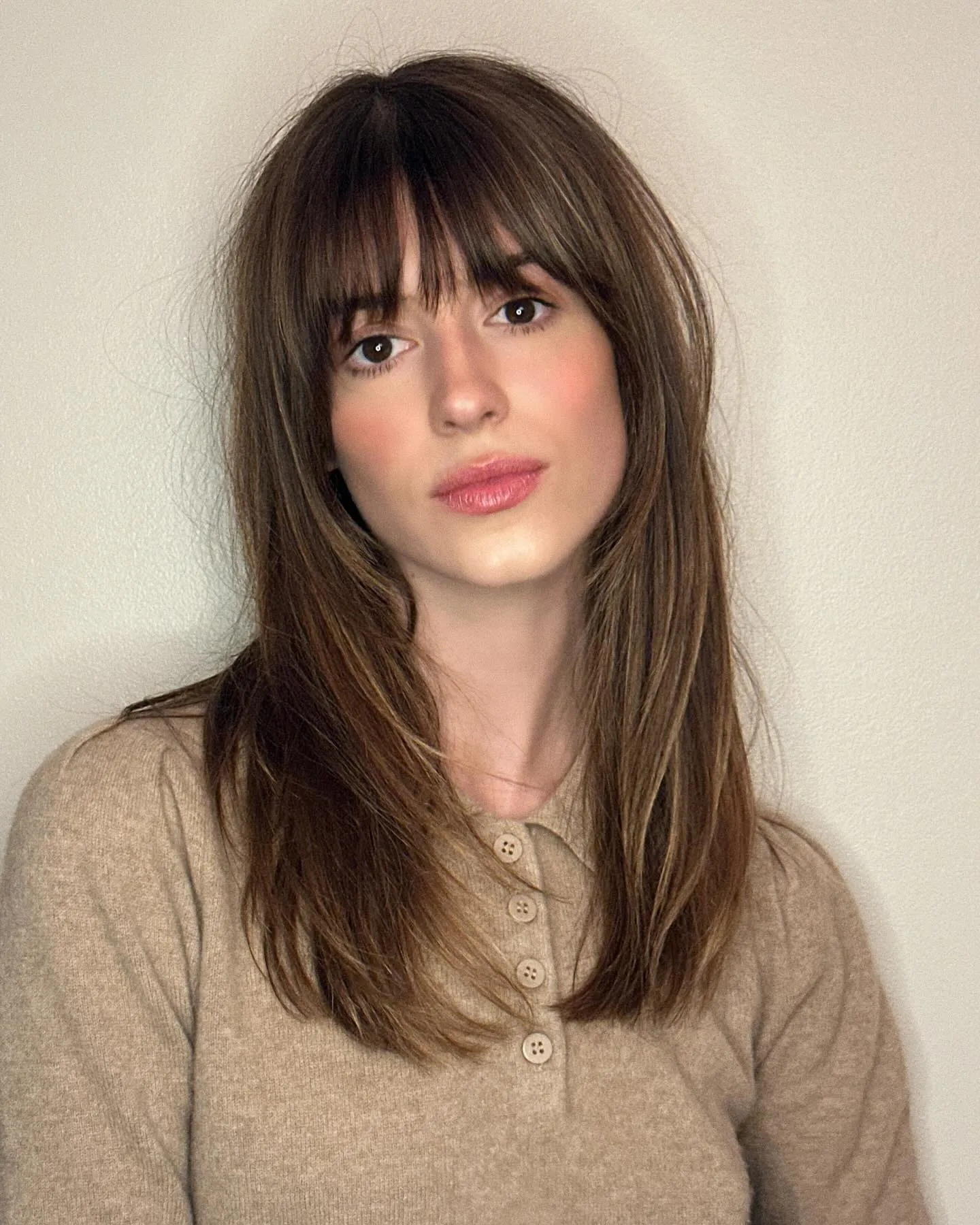
- Face-framing layers use shorter front sections to create movement around the cheeks, jaw, or collarbone while keeping the overall length.
- Curtain fringe, butterfly layers, and flipped front pieces can all change the effect without requiring heavy layering through the back.
- The starting point of the shortest layer matters, so it should be chosen around the feature you want the cut to emphasize or soften.
Long Layers With Fringe
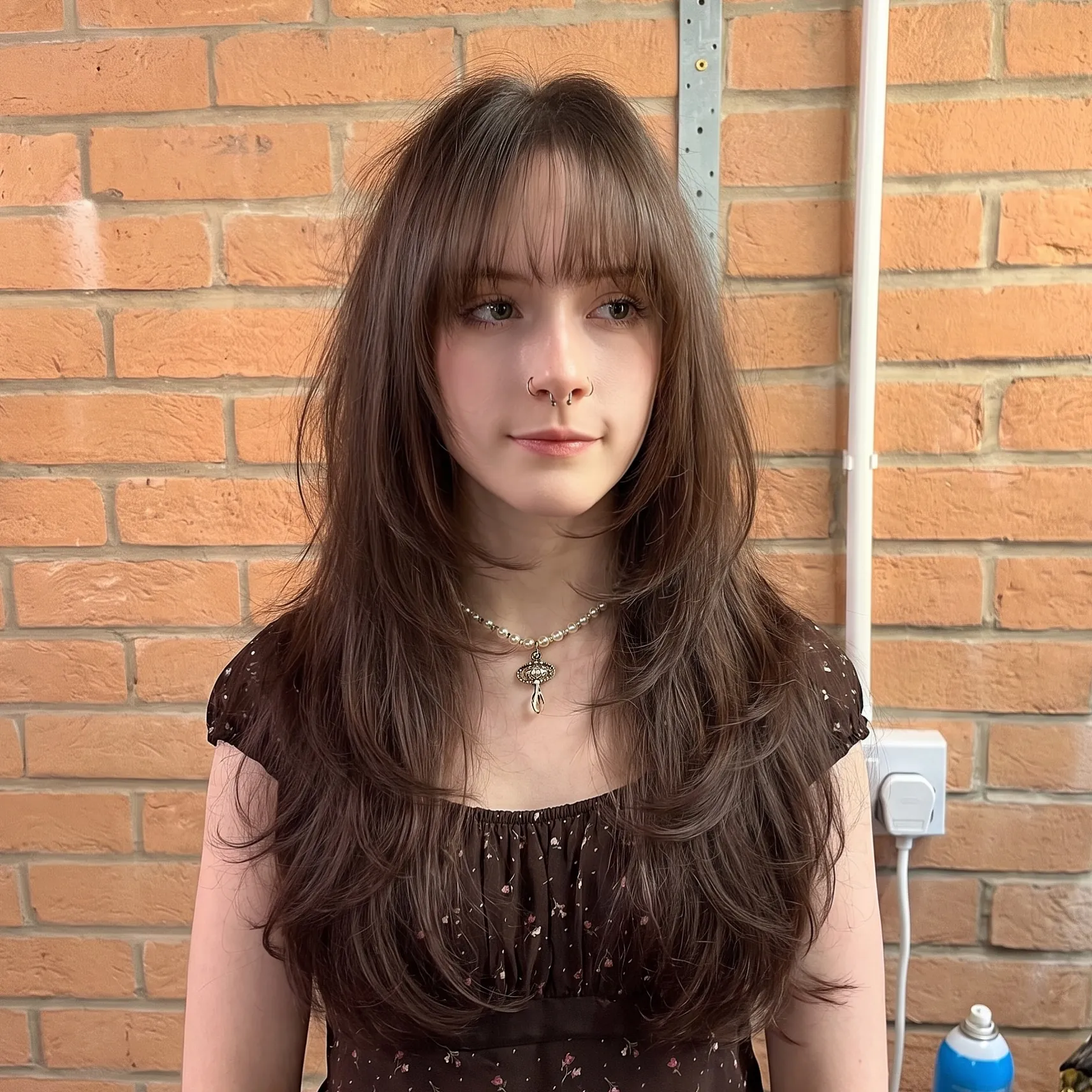
A full fringe creates the shortest layer, then long face-framing sections step down through the sides. This gives the front plenty of shape while the overall length remains intact.
Soft Face-Framing Layers
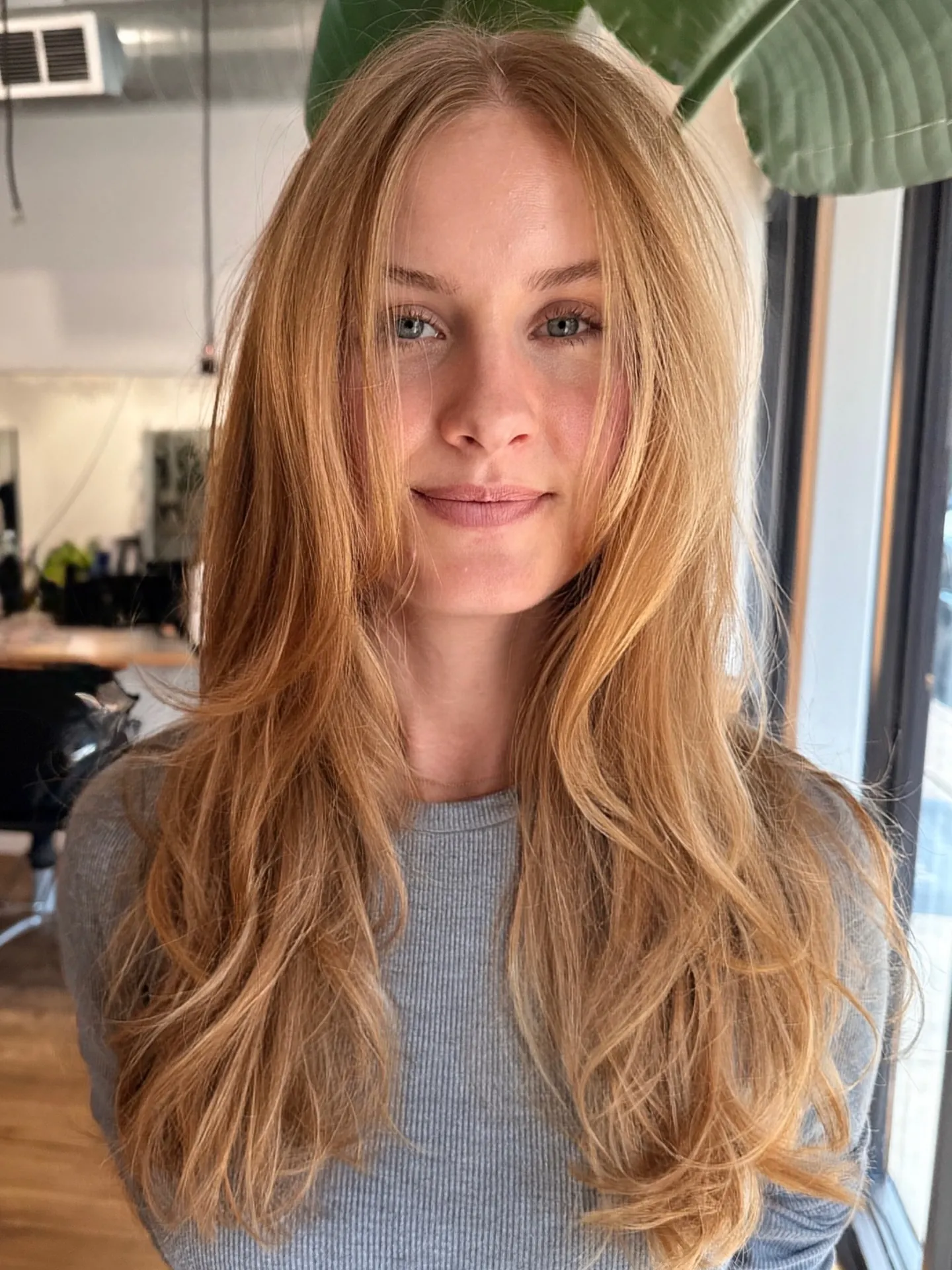
Soft front layers begin around the cheek and blend gradually into the long ends, creating movement without a dramatic change in the back. A smooth blowout keeps the transition easy to see.
Copper Curtain Layers
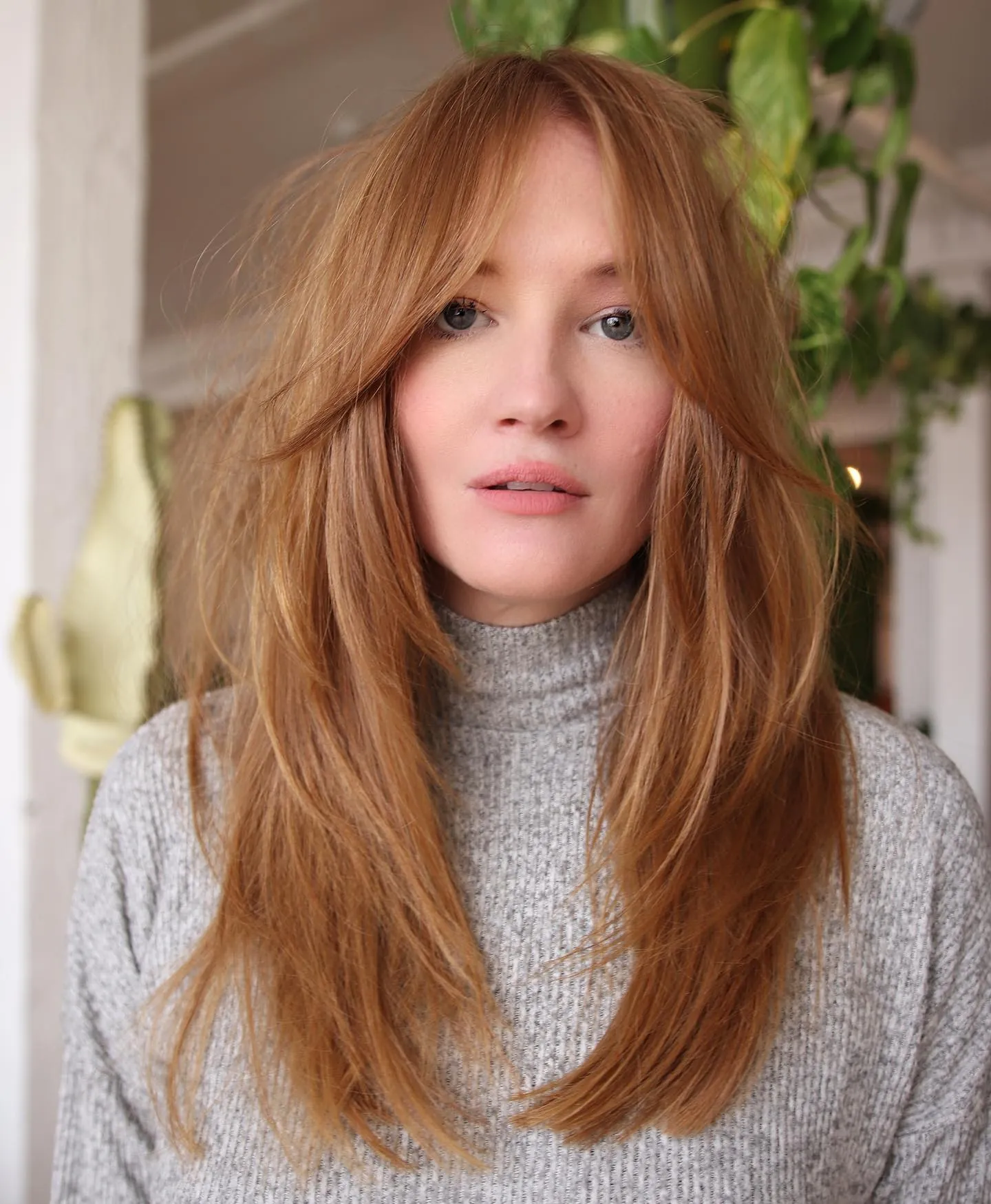
Curtain layers open through the center and sweep away from the face, with the warm copper tone making each section especially visible. Keep the shortest piece long enough to sit softly at the cheek.
Dark Butterfly Layers
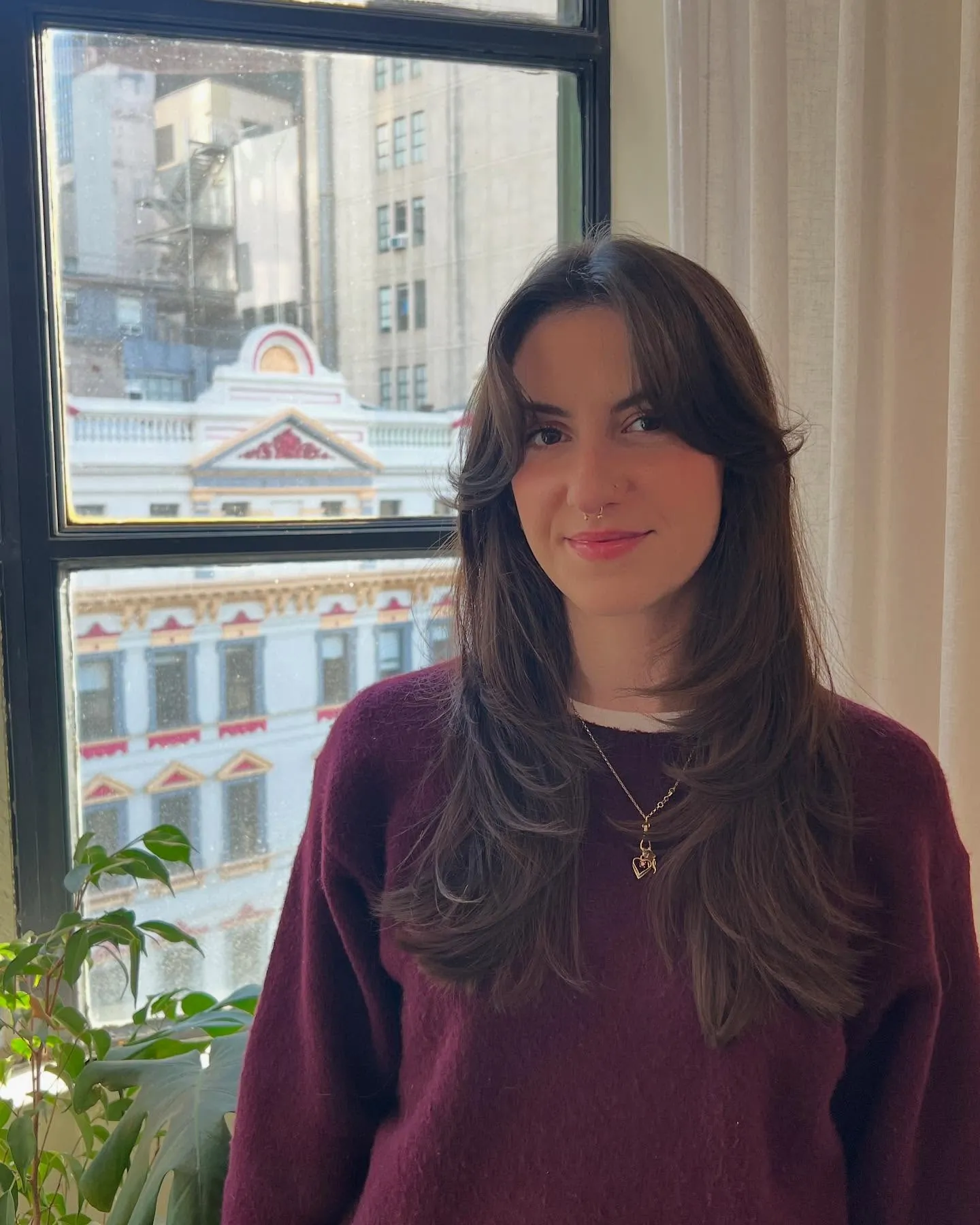
Butterfly layers create a rounded frame around the face while the longest dark sections remain well below the shoulders. This is a good way to add lift without giving up length.
Long Curtain Layers
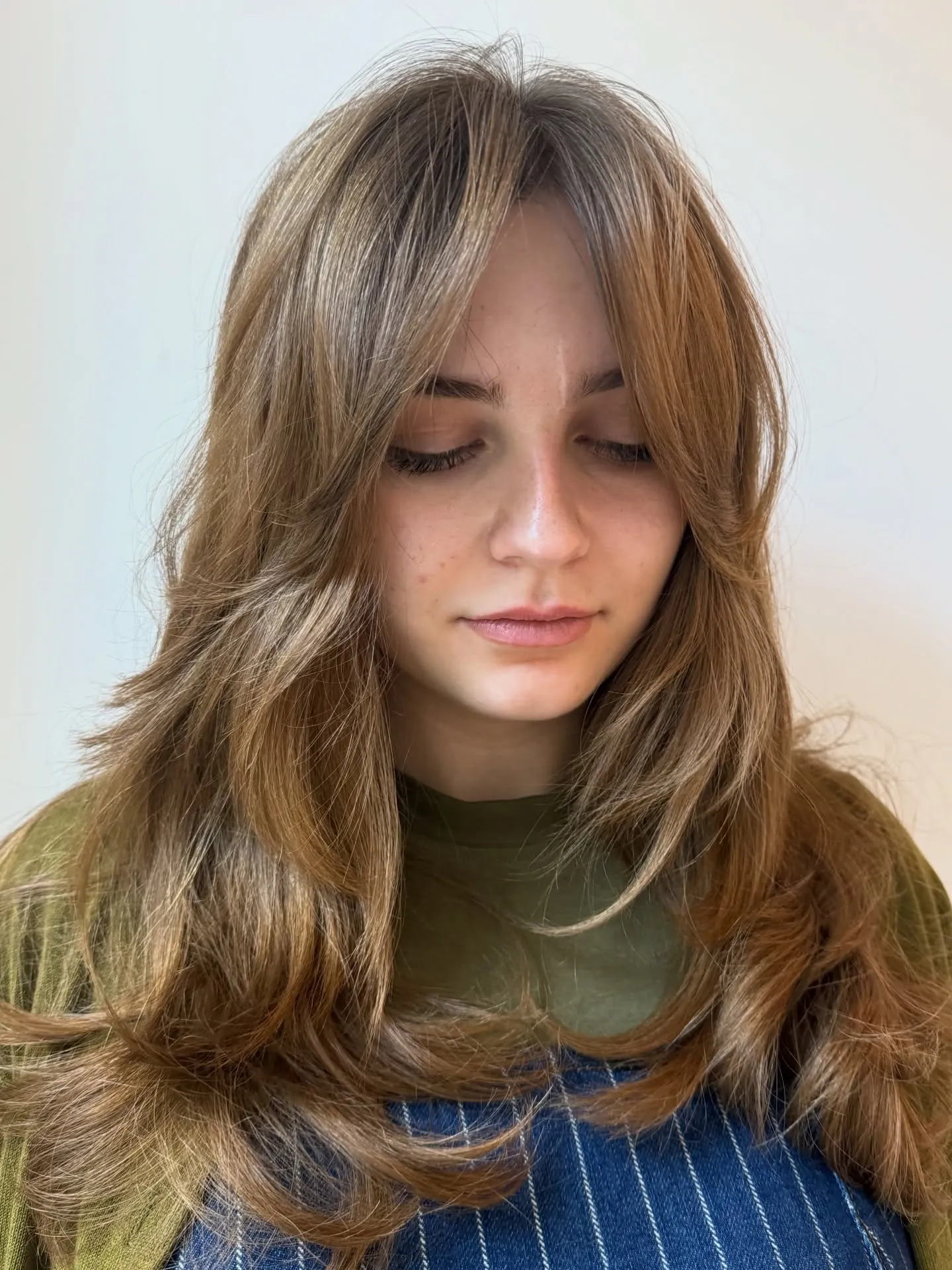
Long curtain pieces move away from the cheeks and connect into softer layers through the lower lengths. A large round brush can exaggerate the front shape without curling the whole head.
Ask your stylist: Choose the shortest front layer around the feature you want to emphasize.
Short Face-Framing Shag
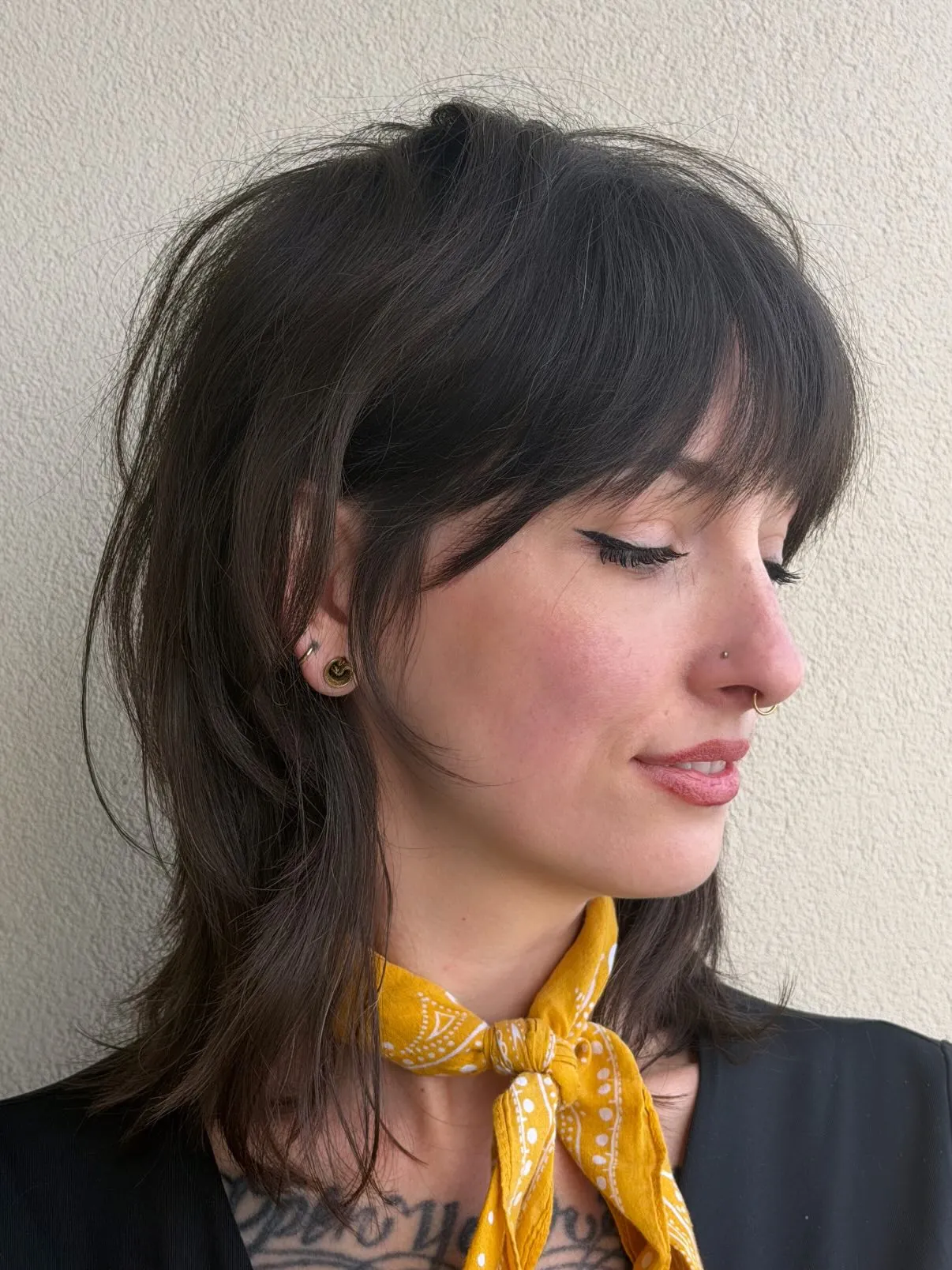
The short shag uses a fringe and cheek-level pieces to frame the face before tapering into the longer back. It creates a stronger change in length than a traditional long layered cut.
Rounded Face-Framing Layers
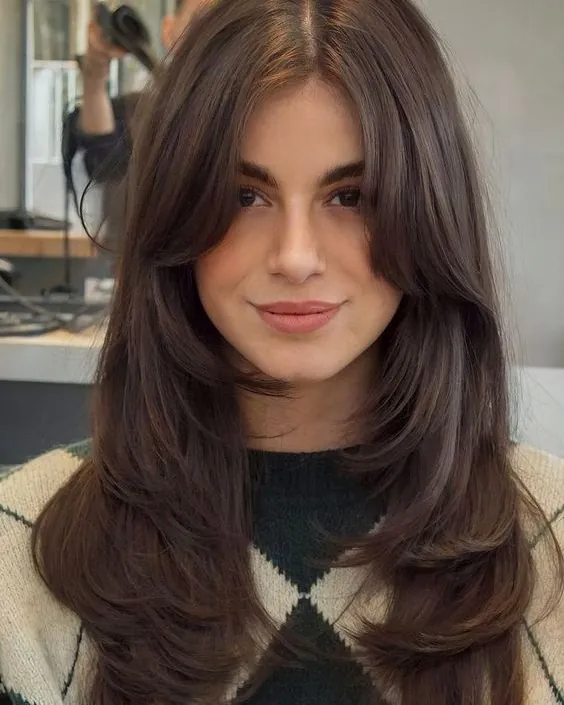
Rounded face-framing layers curve under the cheek and jaw, drawing attention to the center of the face while keeping the rest of the haircut full. A smooth blowout suits the shape best.
Bouncy Butterfly Layers
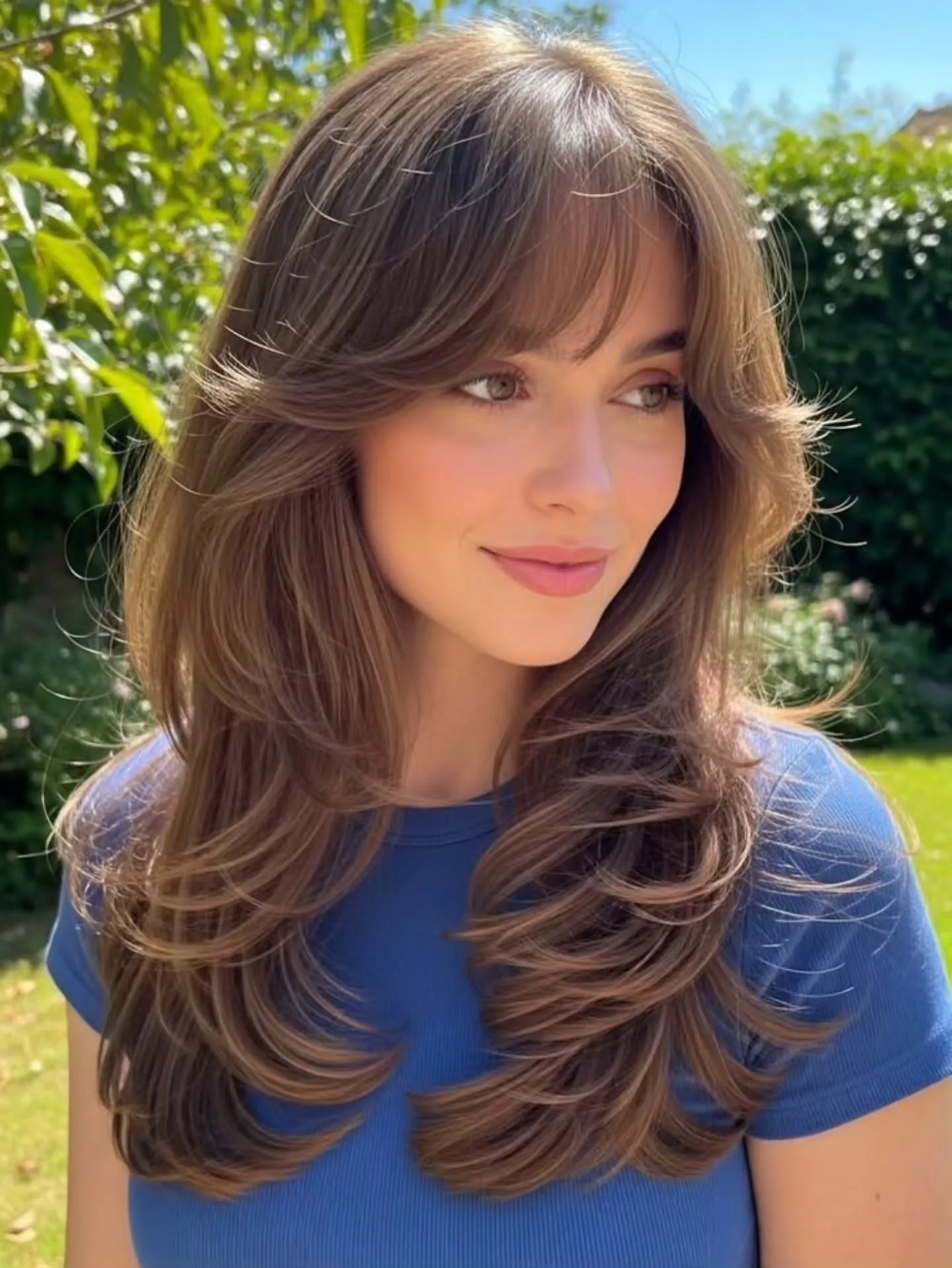
Bouncy butterfly sections lift away from the face and stack over the longer lengths, creating fullness through the sides. This works particularly well on medium to thick hair that can hold a blowout.
Long Layers With Bangs
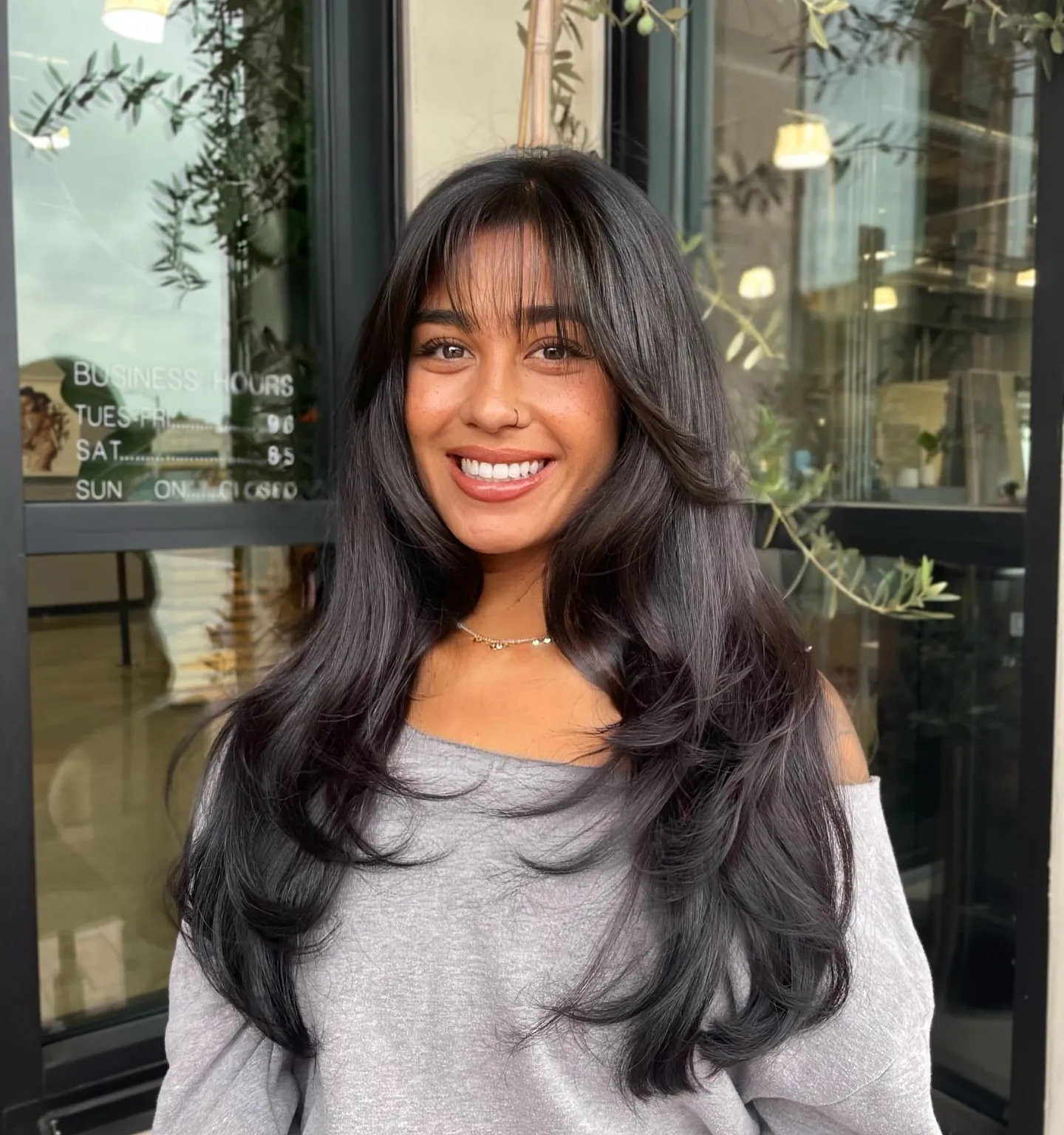
Long layers and a soft fringe create multiple framing points from the forehead down to the shoulders. The staggered front makes the length feel lighter without thinning out the back.
Wavy Face-Framing Layers
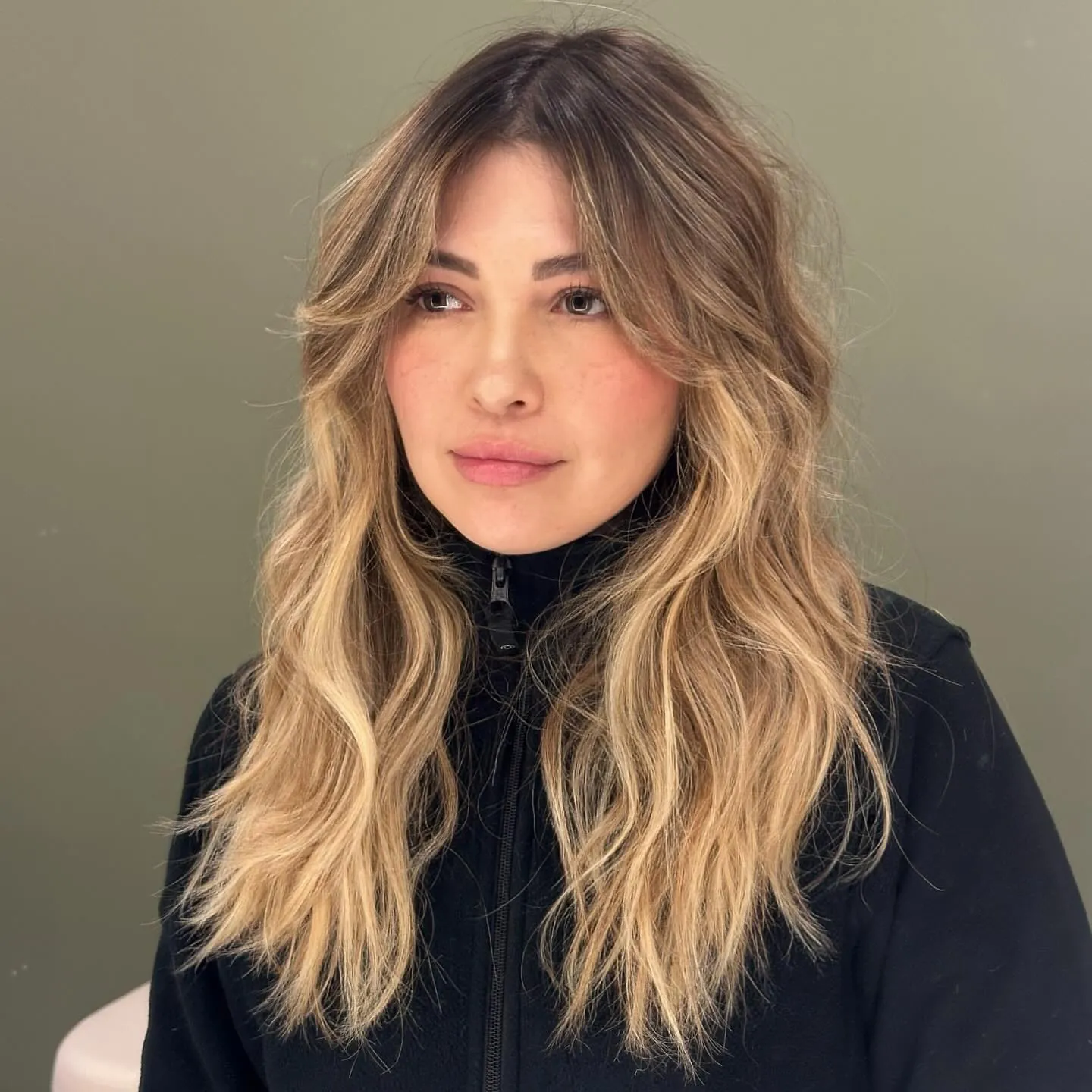
Loose waves help the face-framing layers separate from the longer sections, making the cut easier to read. This is useful if straight styling makes the front pieces blend in too much.
For that finish: Blow-dry the front pieces away from the face with a large round brush.
Side-Swept Face Framing
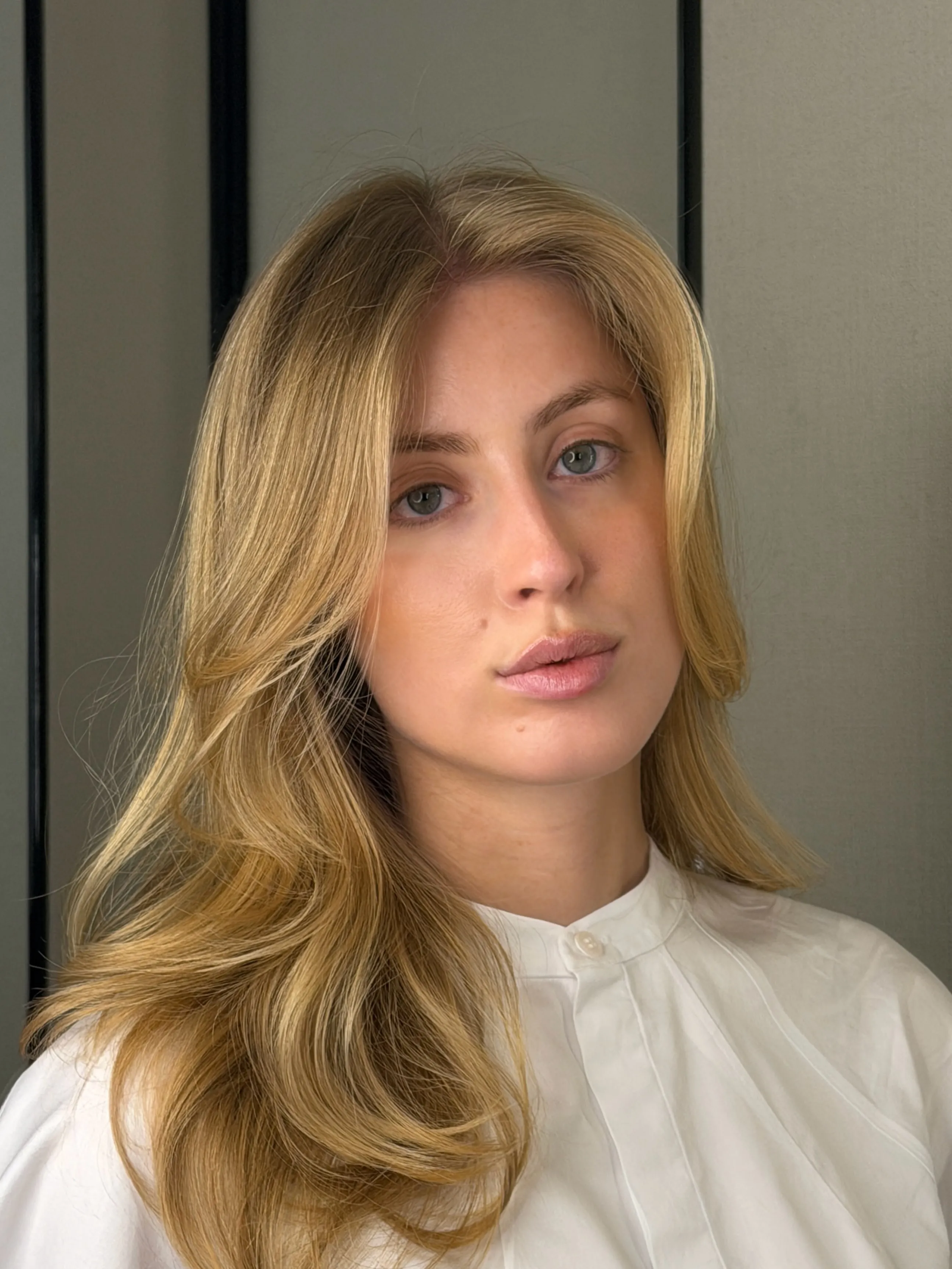
A side-swept front section shifts the framing toward one cheek and creates an asymmetrical line around the face. The rest of the long hair stays simple, so the front movement does most of the work.
Long Copper Layers
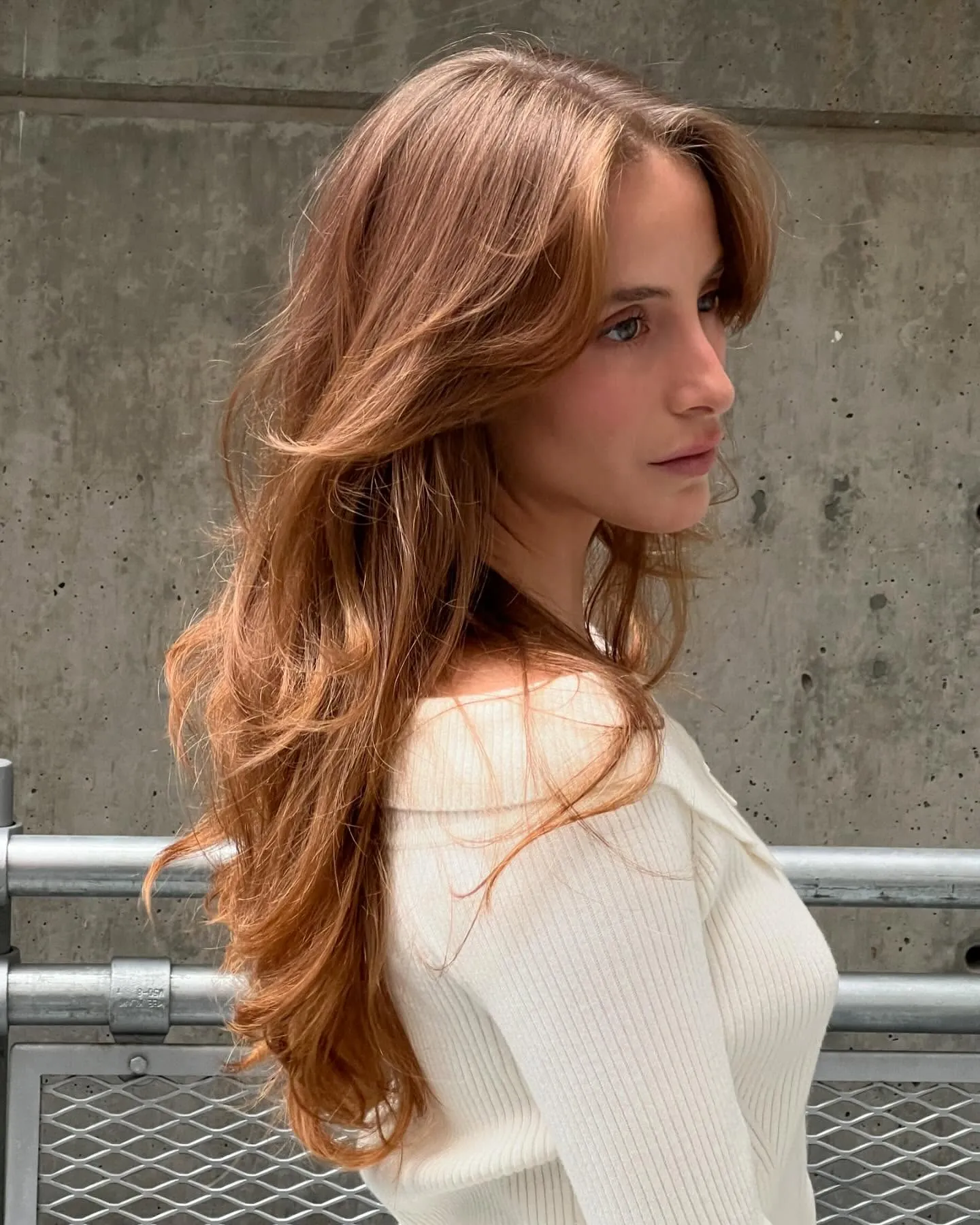
Long copper layers begin around the face and become gradually longer through the sides and back. The soft wave pattern shows the layering without turning the cut into a heavily feathered shape.
Layered Cut With Fringe
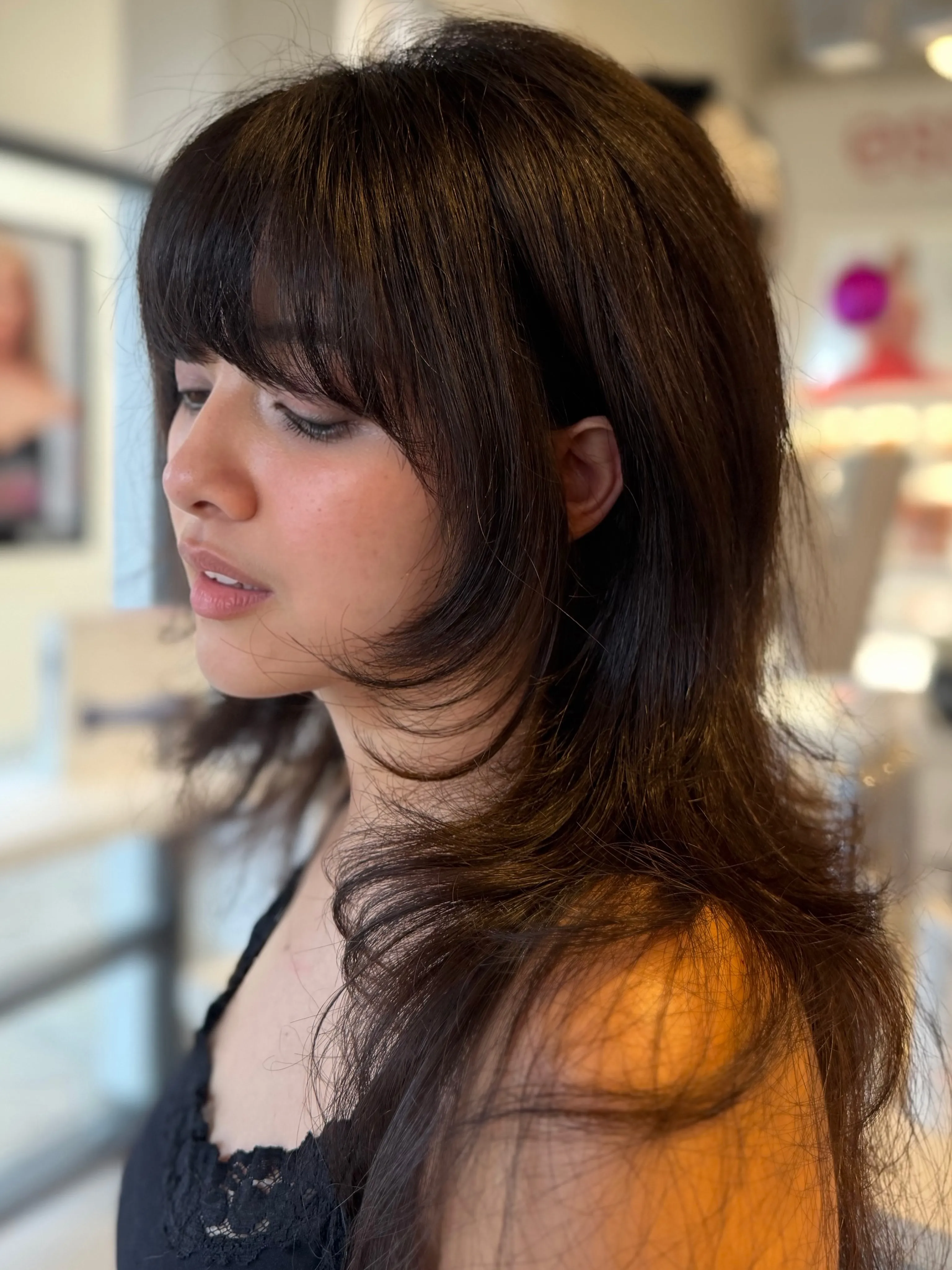
A full fringe and shorter cheek-level sections create a clear frame, while the longer layers stay narrow through the ends. This gives the cut personality without requiring a short overall length.
Tousled Face-Framing Layers
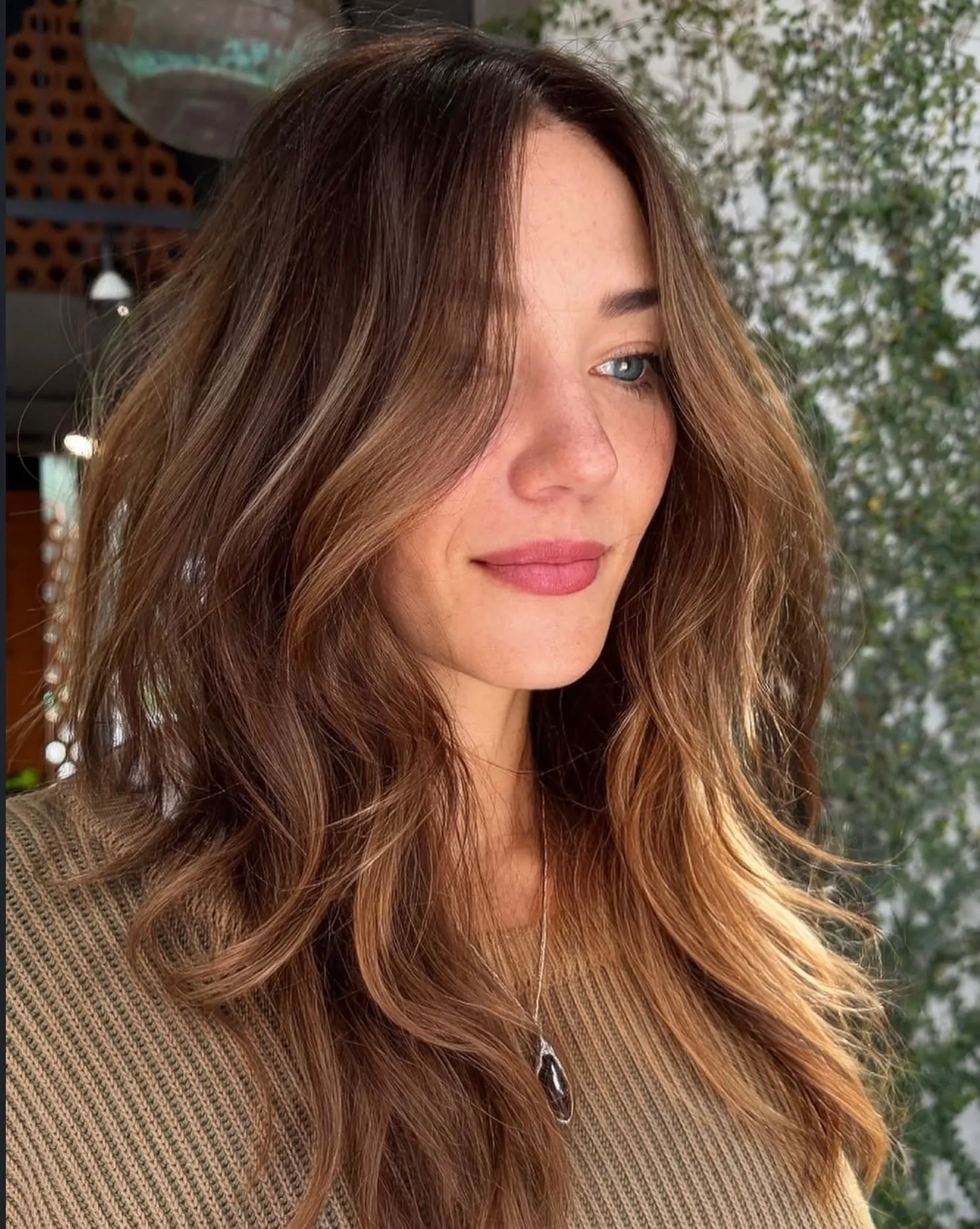
Tousled face-framing sections sit loosely around the cheeks and collarbone, making the layers feel relaxed rather than salon-set. A little texture cream will keep the front pieces separated.
Soft Copper Curtain Layers
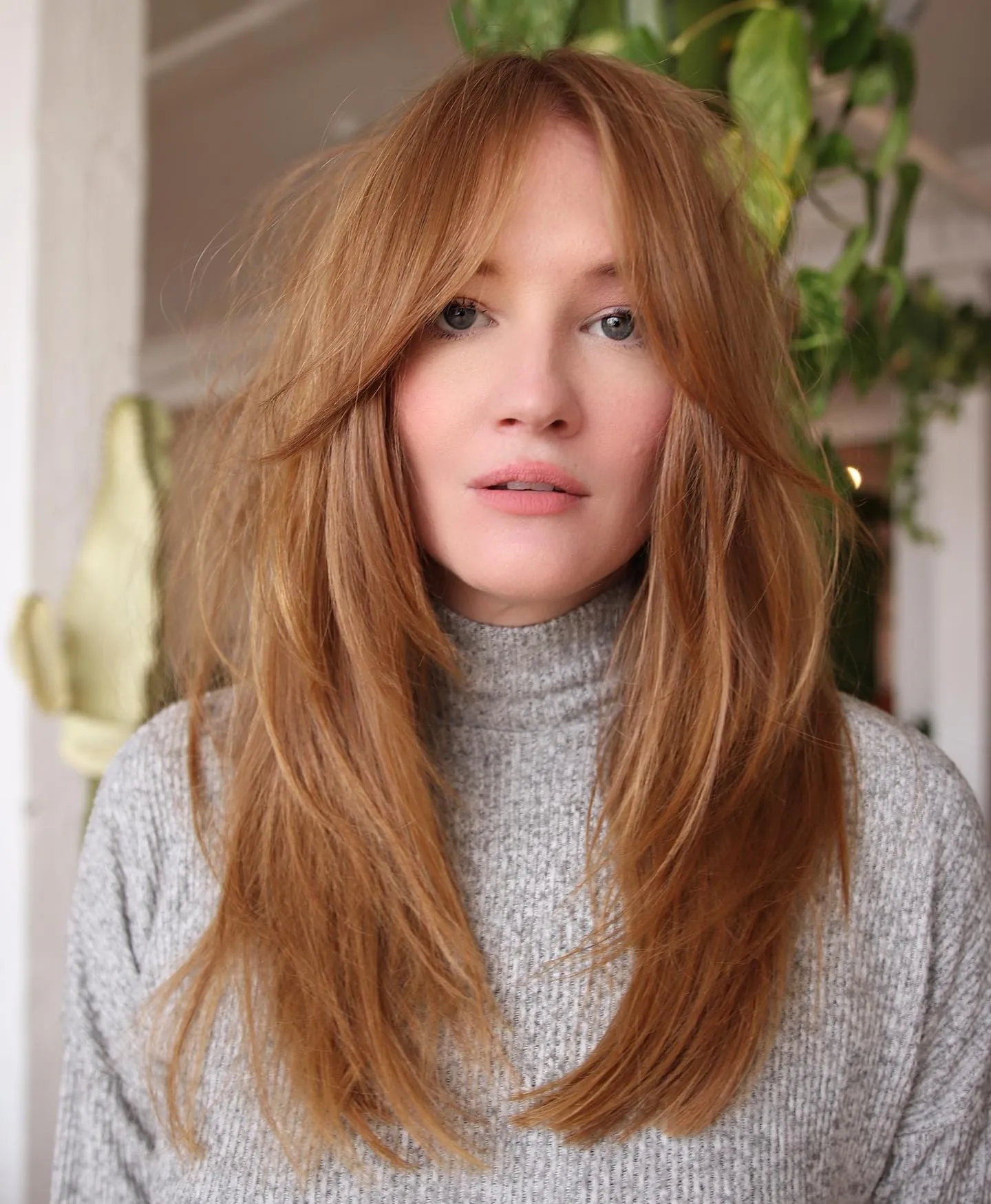
Soft copper curtain layers open through the center and curve toward the jaw before blending into long lengths. The front movement is enough to reshape the cut without removing much hair from the back.
Good to know: Longer curtain layers are easier to tuck back and simpler to grow out.
Short Face-Framing Layers
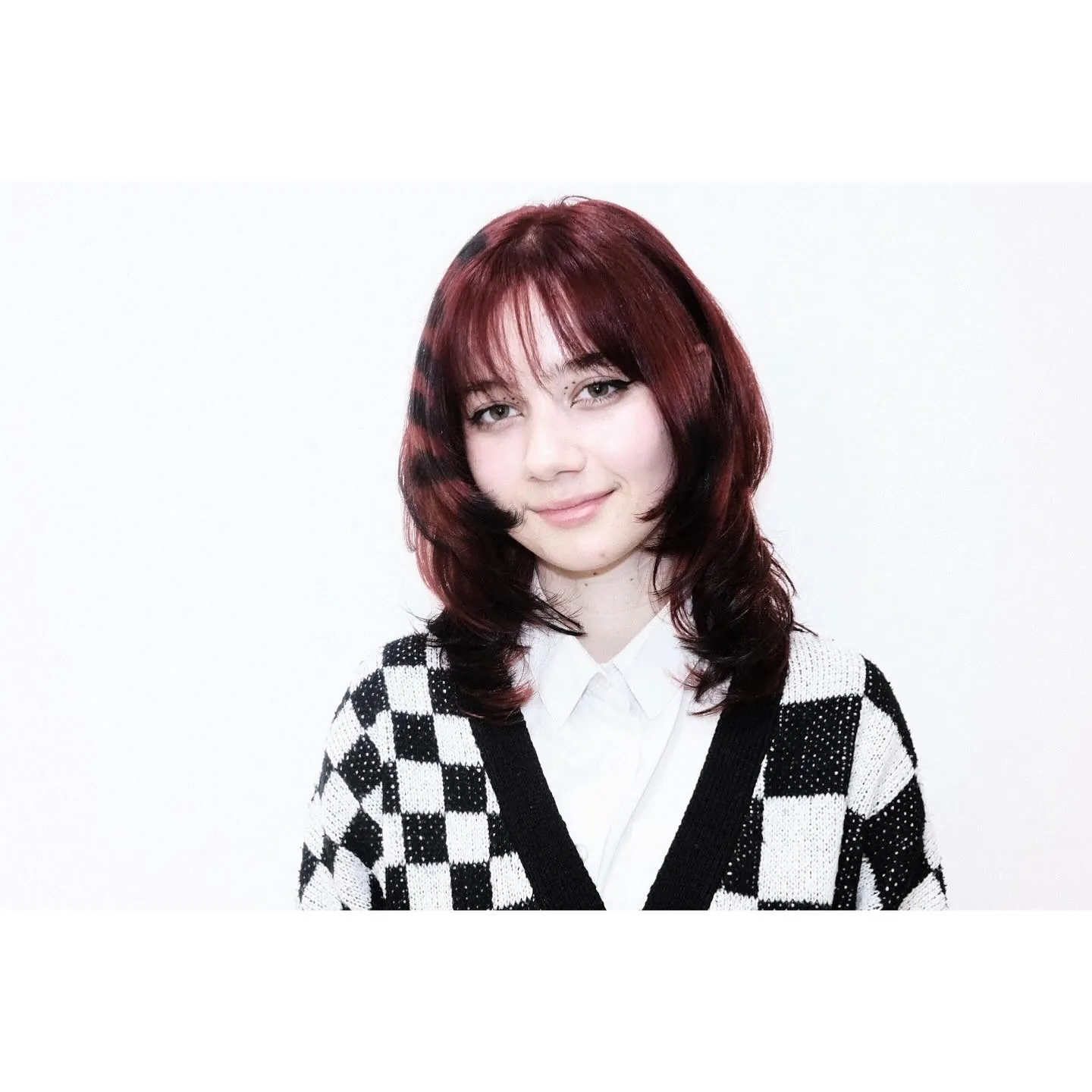
Short face-framing layers turn inward around the cheeks and jaw, giving a shoulder-length cut more shape at the front. The full fringe adds another framing line without overwhelming the face.
Feathered Blonde Layers
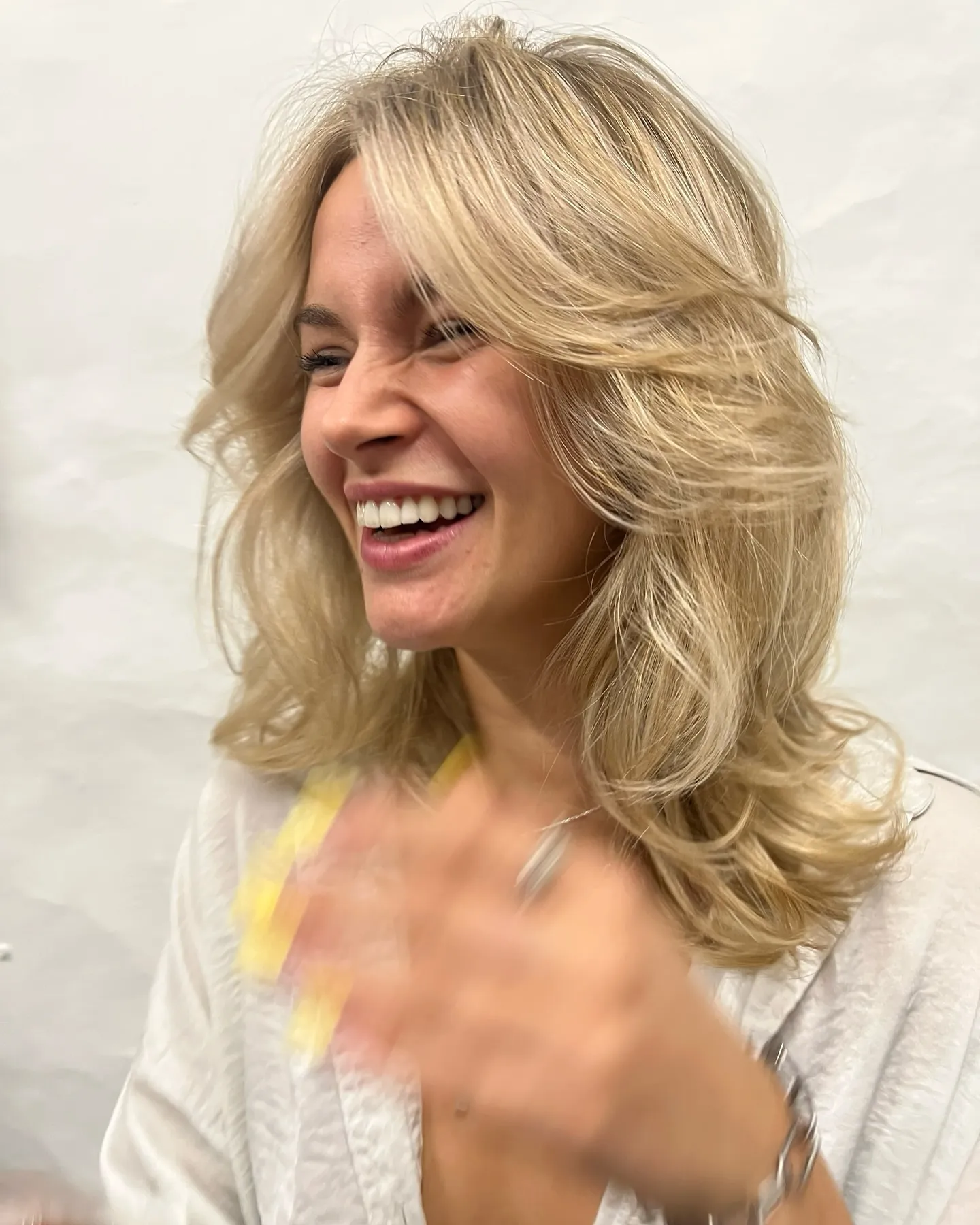
Feathered blonde layers sweep outward from the face and create lift through the upper lengths. A round-brush blowout shows the stepped front pieces clearly while keeping the shoulder-level ends full.
Flipped Face-Framing Layers
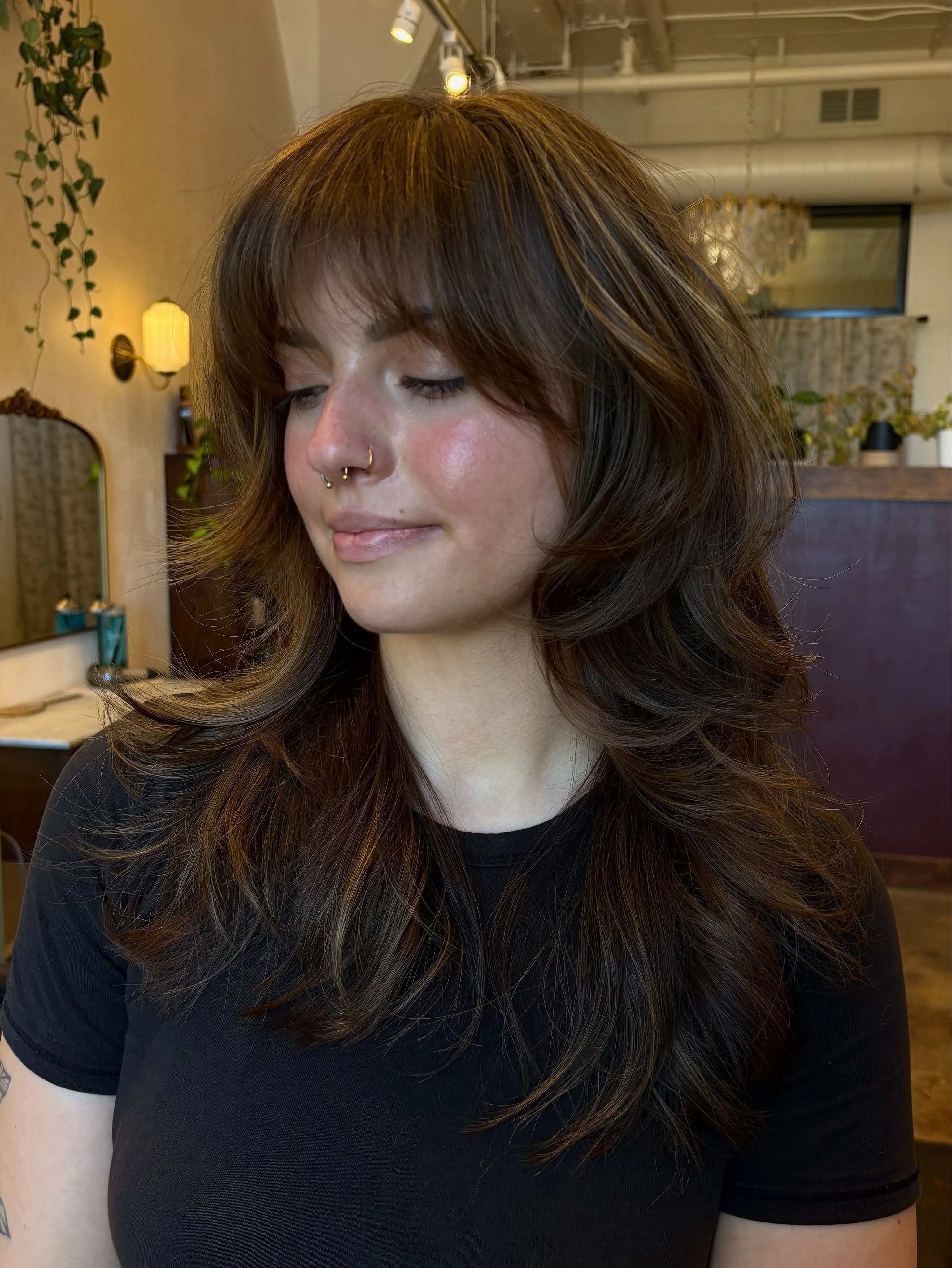
Flipped face-framing sections turn away from the cheeks and reveal the shorter layer line. This styling direction is useful when you want the front pieces to look lighter and more open.
Soft Shoulder Layers
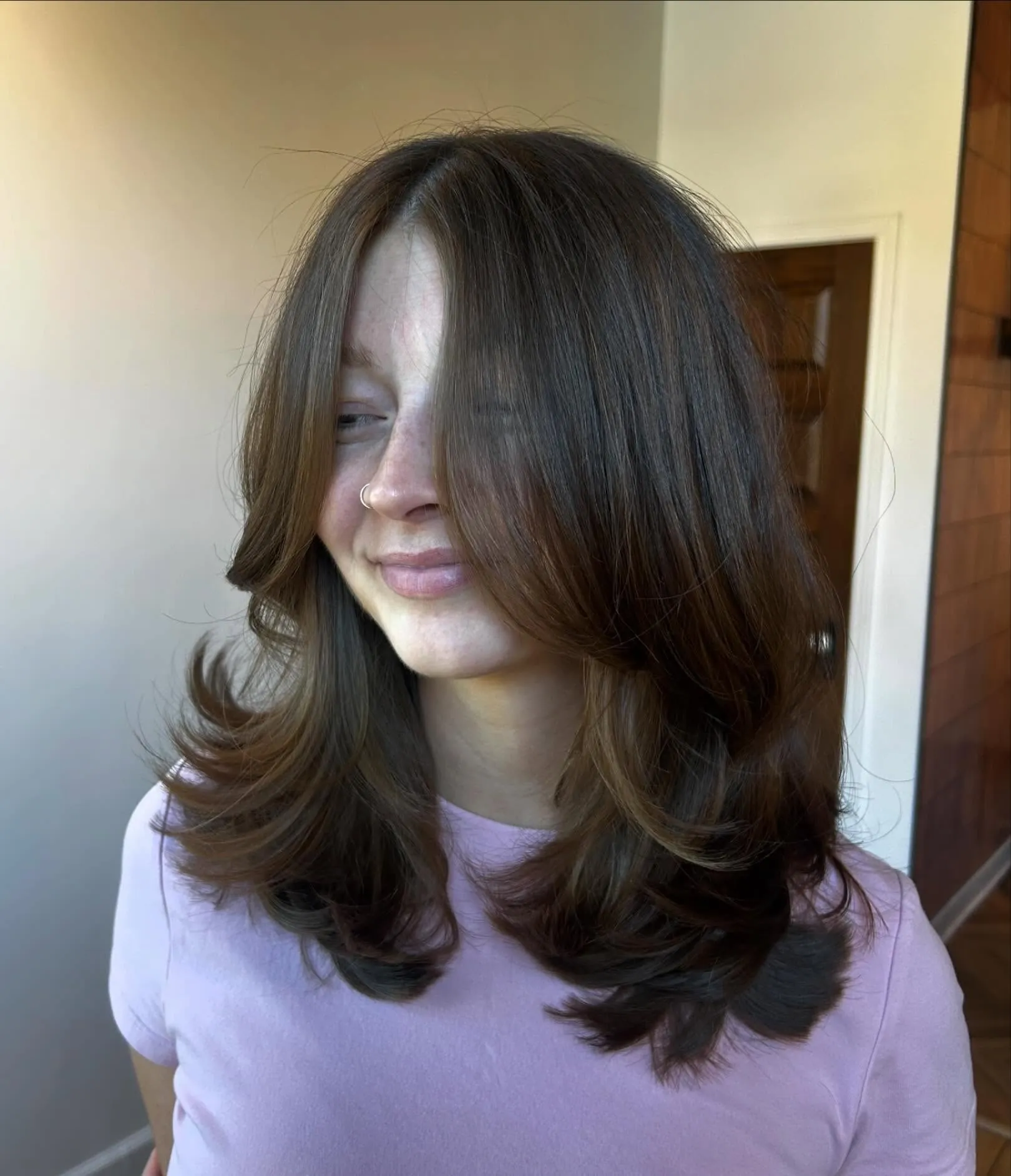
Soft shoulder layers begin near the jaw and curve into a rounded lower section, giving the cut shape without a dramatic fringe. It is a simple option for subtle face framing.
Blonde Curtain Layers
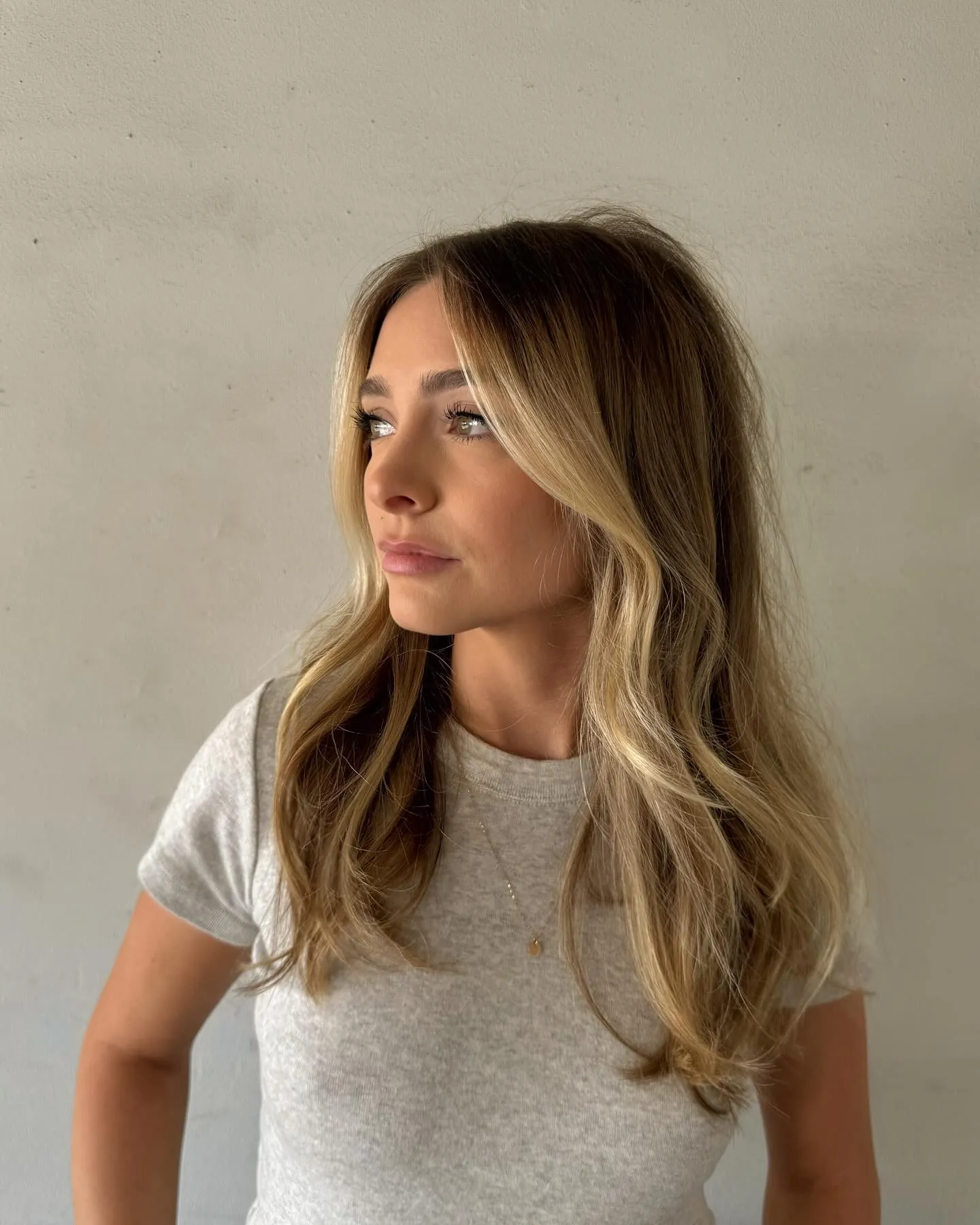
Blonde curtain layers open through the center and blend into long, softly waved lengths. Keeping the shortest front section around cheek level creates movement without making the fringe difficult to grow out.
Best for: Medium to long hair that needs movement mainly around the face rather than the back.
Long Face-Framing Layers
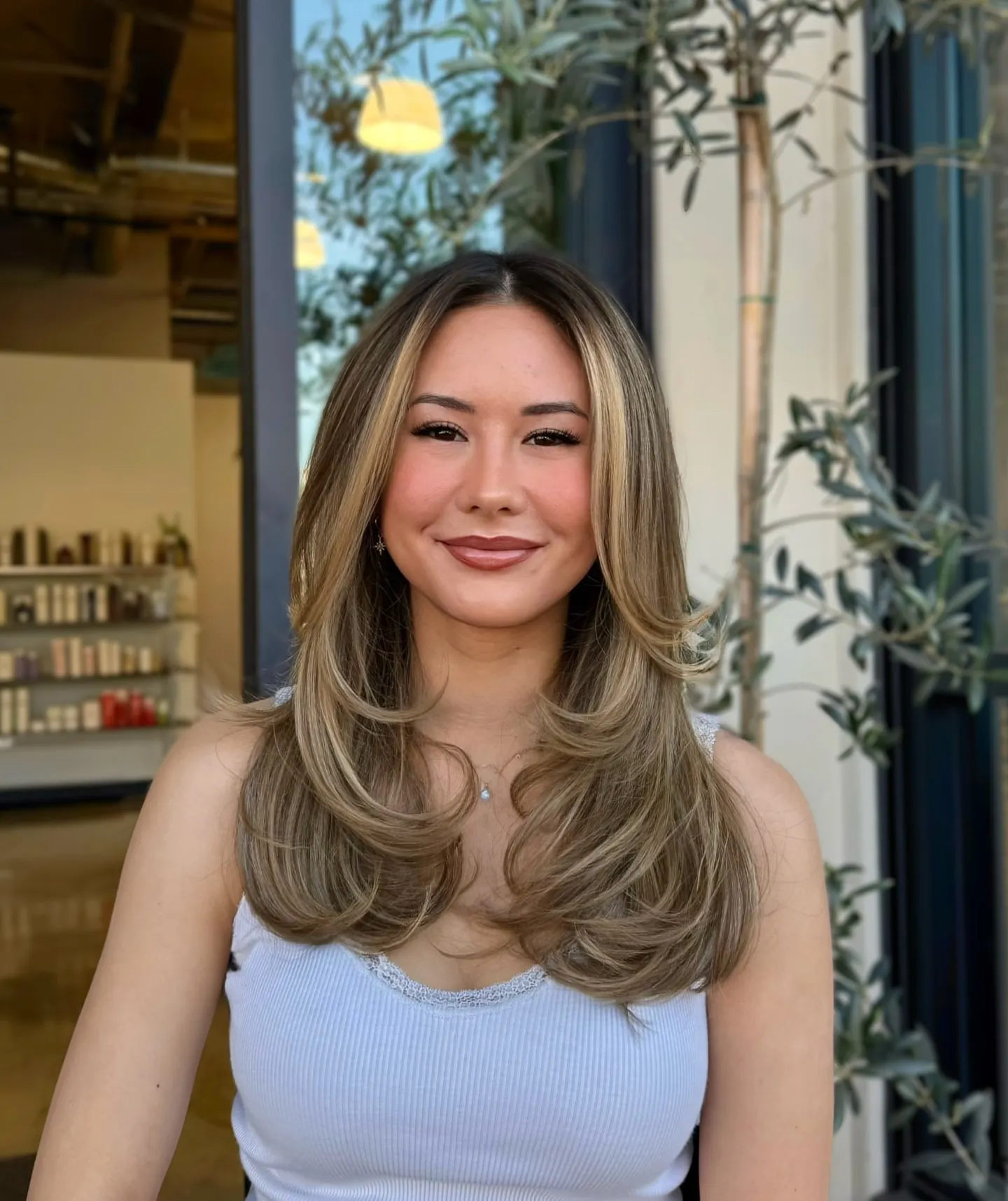
Long face-framing layers sit below the cheek and continue through the chest-length hair, creating movement while preserving a full perimeter. A smooth blowout makes the front sections look intentional rather than accidental.