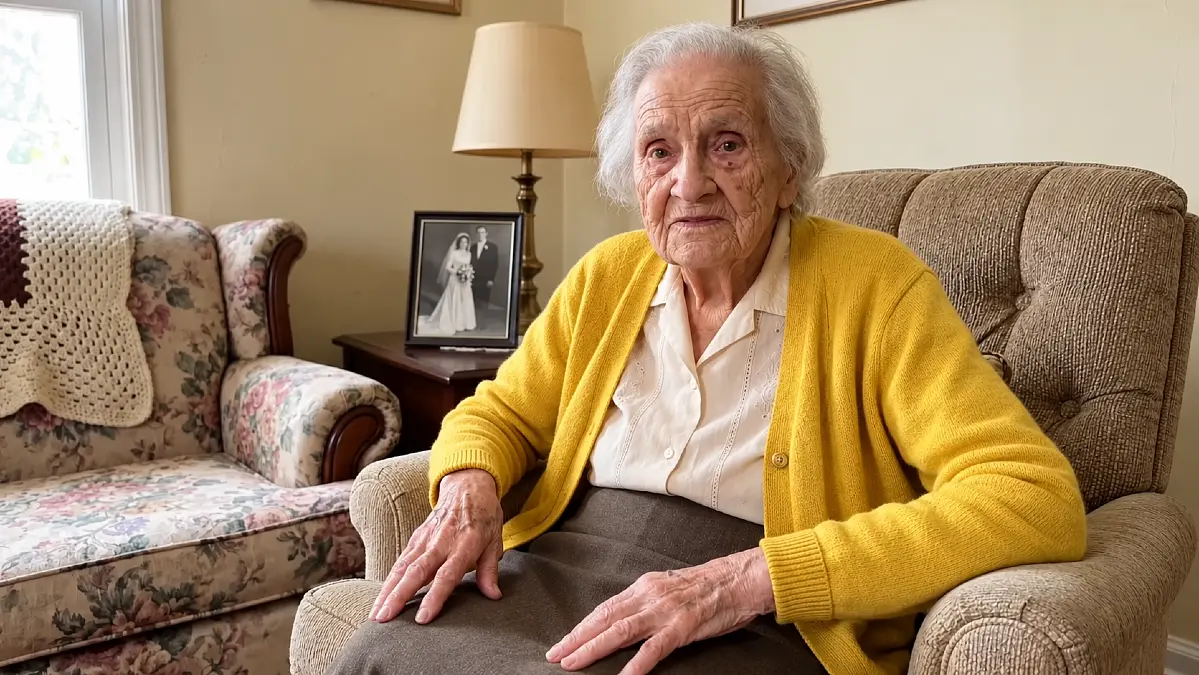
At 97 years old, Zoe has something to say about marriage that many people may find uncomfortable. She spent 64 years married to her husband, Robert, and their relationship taught her lessons she never expected.
Their marriage survived financial struggles, disagreements, raising a daughter, serious illnesses, and painful losses. Looking back, Zoe believes their relationship lasted for reasons that had little to do with finding the perfect soulmate.
She believes most people eventually discover they married someone different from the person they imagined. That doesn’t necessarily mean they made a mistake, but it does mean their expectations about marriage must change.
According to Zoe, lasting love isn’t about finding someone who will always be easy to love. It’s about two people repeatedly learning how to understand, respect, and choose each other through life’s changes.
Zoe Thought She Had Married the Perfect Man at 24
When Zoe married Robert at 24, she believed she had found her ideal husband. He was handsome, kind, hardworking, and capable of making her laugh when she needed it most.
Robert had a steady factory job, and his dependable personality made Zoe feel secure. Her friends frequently reminded her how fortunate she was, while her mother cried happy tears during their wedding.
Everything seemed perfect during those early months, and Zoe expected their happiness to continue naturally. She believed marrying the right person meant most relationship problems would somehow take care of themselves.
But by their third anniversary, those expectations had begun to fall apart. Robert left dishes in the sink, became quiet when she wanted conversation, and sometimes talked when she preferred silence.
Their disagreements also involved money, parenting, relatives, and friendships. Small arguments gradually became exhausting, leaving Zoe wondering whether she had overlooked important differences before marrying him.
At 27, with a two-year-old daughter, Zoe began questioning her decision. She loved Robert, but the marriage felt nothing like the relationship she had imagined on her wedding day.
A Neighbor’s Advice Changed Zoe’s Understanding of Marriage
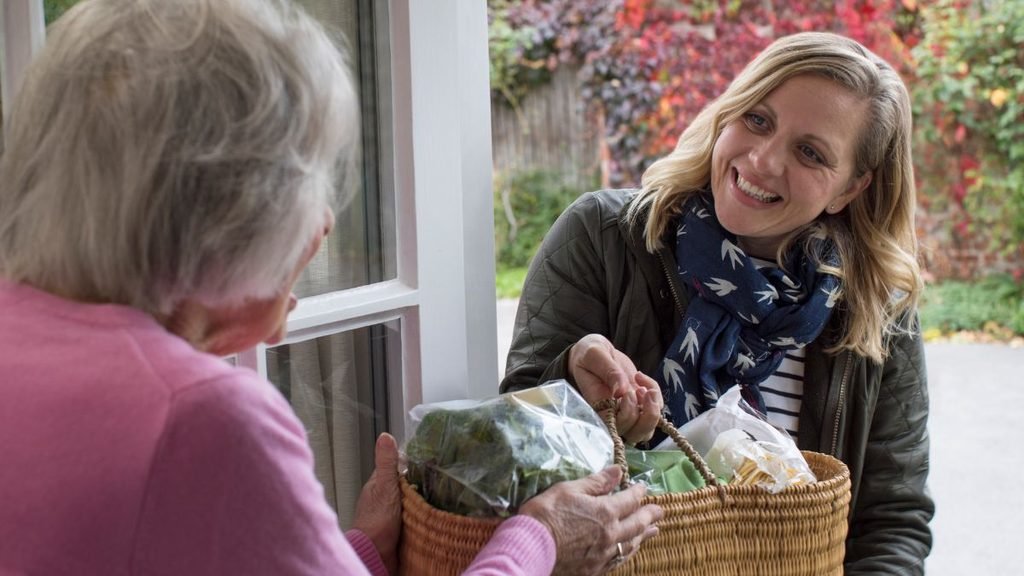
One afternoon, Zoe visited her neighbor Margaret for coffee and shared her growing unhappiness. Margaret had been married for approximately 30 years, and Zoe hoped her experience might provide some reassurance.
Zoe explained that Robert wasn’t the husband she expected and that their disagreements seemed endless. She wondered whether their differences meant they were never truly compatible in the first place.
Instead of offering immediate sympathy, Margaret laughed gently at the familiar situation. She explained that almost everyone eventually discovers their spouse is different from the idealized person they thought they married.
Margaret believed a successful marriage required two people to keep building their relationship despite ordinary disappointments. Compatibility mattered, but so did patience, understanding, responsibility, and the willingness to grow together.
Zoe didn’t fully understand the advice at the time because she still expected marriage to feel effortless. Decades later, however, Margaret’s words became one of the most important lessons of her life.
The Person You Marry Is Not the Person You Stay Married To
Zoe believes one of the biggest misconceptions about marriage is that people remain the same throughout their lives. The Robert she married at 24 was very different from the man she knew at 85.
At 30, Robert was ambitious, energetic, and sometimes impatient. He wanted to build a successful career, improve their financial situation, and provide a comfortable life for their growing family.
By 50, his personality had changed as responsibilities and financial worries became heavier. He was often tired, occasionally distant, and less enthusiastic than the young man Zoe remembered.
Another transformation appeared around 70, when Robert became gentler and more openly affectionate. He enjoyed holding Zoe’s hand during movies and laughing about ordinary things that once might have irritated him.
By 85, aging had changed their relationship again. Robert needed help with meals, medication reminders, and daily activities, while Zoe increasingly became his caregiver and source of reassurance.
Zoe experienced equally significant changes throughout their marriage. She was shy at 24, outspoken at 40, deeply affected by grief at 52, and increasingly confident as she entered her sixties.
A cancer scare at 73 changed her perspective on life, while her eighties brought greater patience. Looking back, she realizes that neither spouse remained the person the other originally married.
Their marriage survived because they made room for those changes. Instead of expecting each other to remain exactly the same, they gradually learned to understand the different people they were becoming.
Loving Someone Doesn’t Mean Liking Them Every Day
One of Zoe’s most surprising admissions is that there were periods when she didn’t particularly enjoy Robert’s company. Certain habits irritated her, and some disagreements seemed impossible to resolve.
There were months when she eagerly anticipated his fishing trips because they gave her time alone. During especially difficult arguments, she sometimes slept on the couch and imagined living independently.
At the time, these feelings frightened her because she believed love should make marriage consistently enjoyable. She assumed that feeling frustrated or disappointed meant their relationship was losing something essential.
As the years passed, Zoe began separating temporary emotions from long-term commitment. She discovered that needing personal space or feeling annoyed didn’t automatically mean their entire marriage was unsuccessful.
This realization didn’t eliminate disagreements or excuse hurtful behavior. Instead, it encouraged Zoe and Robert to address problems without treating every difficult moment as proof that they should separate.
Zoe eventually understood that love isn’t measured by how happy two people feel every single day. It also appears in their willingness to communicate, apologize, reconnect, and support each other during difficult seasons.
Understanding Your Partner Matters More Than Winning Every Argument

For years, one of Robert’s habits frustrated Zoe more than almost anything else. Whenever she wanted to discuss a problem, he sometimes became quiet instead of immediately explaining his feelings.
Zoe interpreted that silence as indifference because she preferred talking through disagreements. She believed that someone who truly cared would respond quickly and openly whenever an important issue arose.
Eventually, she realized that Robert often needed time to process difficult information. His silence didn’t necessarily mean he was ignoring her, and understanding that difference helped reduce unnecessary arguments.
Their disagreements about money revealed another important lesson. Zoe preferred careful budgeting, while Robert occasionally spent money on things she considered unnecessary, creating tension between their different financial priorities.
Robert had grown up poor, and financial comfort represented something deeply personal to him. Some purchases reflected his desire to enjoy opportunities and possessions that had once seemed completely out of reach.
Once Zoe understood his background, she became less likely to interpret every purchase as irresponsibility. They still needed financial boundaries, but their conversations became more productive when both perspectives received consideration.
Zoe learned that understanding someone’s behavior doesn’t require agreeing with everything they do. It simply creates an opportunity to address problems with empathy rather than assuming the worst about each other.
A Long Marriage Is Rarely a Perfect 50/50 Partnership
Zoe often hears people describe marriage as a partnership in which both individuals contribute exactly half the effort. Her experience taught her that real relationships rarely remain so evenly balanced.
After one of her surgeries, Robert temporarily handled nearly every household responsibility. He cooked, cleaned, helped her move around, and assisted with personal needs while she recovered her strength.
During that period, Zoe couldn’t contribute as much as she normally did. Robert didn’t treat her recovery as an unfair burden because he understood that she needed additional care.
Their roles had been reversed when Robert lost his job at 54. Financial uncertainty damaged his confidence, and Zoe became the steadier partner while helping their household manage a difficult transition.
Another challenging period followed the death of Robert’s brother. Grief affected his ability to manage ordinary responsibilities, and Zoe provided additional emotional support while keeping their household functioning.
Looking back, Zoe understands that both spouses carried different responsibilities during different seasons. Some years required more effort from Robert, while others depended heavily on Zoe’s strength and patience.
She doesn’t believe marriage should become permanently one-sided or that unfair treatment should be accepted. Instead, she believes a healthy partnership allows responsibilities to shift when circumstances change.
Your Spouse Cannot Be Everything You Need
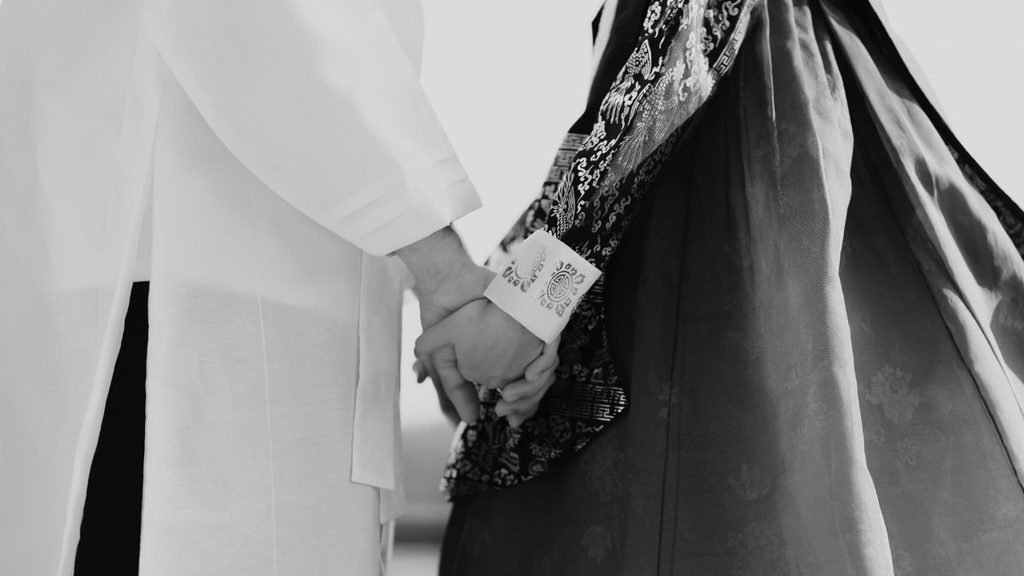
Another expectation Zoe questions is the belief that one person should fulfill every emotional, social, and intellectual need. She believes this can place enormous pressure on an otherwise healthy relationship.
Many couples expect their spouse to be their closest friend, romantic partner, financial equal, favorite travel companion, and emotional support system. Maintaining all those roles perfectly throughout an entire lifetime is unrealistic.
Robert wasn’t Zoe’s closest friend, and she never considered that a failure. Her closest friend was Linda, with whom she enjoyed discussing personal concerns, books, family experiences, and everyday life.
Robert also didn’t share all of Zoe’s interests or favorite activities. She loved reading books he rarely opened, while he understood engines and mechanical problems in ways she never did.
Their personalities sometimes led them toward different hobbies and social activities. Instead of expecting complete agreement, they gradually learned to respect each other’s preferences and maintain their own interests.
Zoe eventually discovered that friendships and individual activities could strengthen their marriage. Having other meaningful connections reduced the pressure they placed on each other to provide constant companionship.
For Zoe, Robert didn’t need to understand every part of her personality to be a loving husband. What mattered was that he respected her, supported her happiness, and remained dependable.
Some Habits That Irritate You at 30 May Become Precious at 70
One of the strangest parts of growing older with Robert was how Zoe’s feelings about his habits changed. Things that once frustrated her gradually became familiar sources of comfort.
During their early marriage, Robert’s quietness made Zoe feel disconnected. She wanted more conversation and frequently interpreted his silence as evidence that something was wrong between them.
As they grew older, she began appreciating the peaceful companionship his personality offered. They could sit together for long periods without feeling obligated to fill every moment with conversation.
Robert might read the newspaper while Zoe worked on something nearby. Their comfortable silence became a form of companionship that her younger self probably wouldn’t have understood or appreciated.
His predictable routines also took on a different meaning over time. Habits she once considered boring became reassuring, especially during periods when other parts of their lives felt uncertain.
Years of shared experiences helped them understand each other’s moods, preferences, and concerns. They gradually became better at recognizing when the other needed conversation, reassurance, practical help, or personal space.
Zoe believes familiarity can become one of marriage’s greatest strengths when combined with kindness. The imperfections that once caused frustration may eventually become meaningful parts of the person someone loves.
Commitment Doesn’t Mean Accepting Every Kind of Unhappiness

Although Zoe strongly believes in commitment, her experience doesn’t mean every troubled marriage should continue. Ordinary disagreements are different from relationships involving abuse, intimidation, coercion, or persistent disrespect.
The difficulties Zoe describes involved personality differences, financial worries, household responsibilities, and changing emotional needs. Those problems can sometimes improve when both partners communicate honestly and take responsibility for their behavior.
However, one person cannot repair an unhealthy marriage through determination alone. Both spouses must be willing to listen, make necessary changes, and treat each other with basic dignity.
Zoe’s marriage benefited from a foundation of care that remained present even during difficult periods. She and Robert sometimes struggled to understand each other, but they continued making efforts to maintain their partnership.
Her experience also demonstrates that commitment should involve more than simply staying together. A meaningful marriage requires mutual effort, emotional safety, and the freedom for both individuals to express their needs.
Zoe believes lasting love is worth protecting when both people genuinely want a healthier relationship. Remaining married for decades isn’t necessarily an achievement if the relationship consistently destroys someone’s well-being.
The Marriage You Have at 80 Is Built Through Ordinary Days
When Zoe looks back on her marriage, she doesn’t remember only weddings, anniversaries, vacations, or major celebrations. Many of her strongest memories come from ordinary moments that seemed unimportant when they happened.
She remembers preparing meals, discussing household bills, worrying about their daughter, and spending quiet evenings together. These everyday routines gradually created the familiar rhythm that defined their life as a couple.
There were difficult mornings, repetitive responsibilities, and conversations neither particularly wanted to have. There were also small kindnesses, unexpected laughter, shared accomplishments, and moments of reassurance during uncertain times.
Over several decades, those experiences created a history that belonged to both of them. They remembered the same family milestones, financial struggles, friendships, and people they had loved and lost.
By their seventies, they could often understand each other without lengthy explanations. A familiar expression, old joke, or reference to something from years earlier could communicate more than an elaborate conversation.
Zoe gradually realized that a long marriage isn’t built only through dramatic sacrifices or romantic gestures. It also develops through ordinary cooperation, shared responsibilities, and countless moments of dependable companionship.
The value of those everyday experiences often becomes clearer with age. What once seemed routine can eventually become the part of marriage someone remembers and misses most deeply.
Losing Robert Changed How Zoe Remembered Their Marriage

Robert passed away after 64 years of marriage, when Zoe was approximately 88. Nine years later, she still misses his presence and the familiar routines they shared for most of their adult lives.
What surprises Zoe is that she doesn’t spend all her time remembering grand romantic gestures. She often misses ordinary conversations, the sound of his voice, and knowing someone else remembered their shared experiences.
She misses the quiet evenings when they sat together without making special plans. She also remembers small habits that once irritated her but eventually became inseparable from her understanding of Robert.
Their marriage wasn’t perfect, and Zoe hasn’t forgotten its difficult years. She remembers arguments, financial problems, exhaustion, and moments when their different personalities made life more complicated than necessary.
However, those struggles now occupy a different place in her memories. Rather than defining the entire relationship, they seem like difficult chapters within a much longer story of companionship and personal growth.
Zoe understands that Robert wasn’t always the husband she wanted him to be. She also recognizes that she wasn’t always the wife he needed, especially during periods when both faced overwhelming responsibilities.
Yet they built a shared life that included raising a daughter, overcoming setbacks, and caring for each other. For Zoe, those experiences matter more than whether their relationship consistently matched an idealized picture of marriage.
The Most Important Question Isn’t Whether You Married the Right Person

At 97, Zoe believes people sometimes spend too much time questioning whether they found the person they were destined to marry. She understands the appeal of believing that one perfectly compatible partner exists somewhere.
However, her experience suggests that even strong compatibility cannot prevent the changes brought by time. People experience illness, grief, professional disappointments, financial hardship, and personal growth that can alter their needs.
Someone who seemed perfectly compatible at 25 may become harder to understand at 55. Likewise, a relationship that initially required substantial adjustment can sometimes develop into a deeply supportive partnership.
Zoe doesn’t dismiss the importance of choosing someone with compatible values and a respectful personality. She simply believes that finding a suitable partner is only the beginning of building a lasting marriage.
The more important questions involve how both people respond when life becomes difficult. Can they communicate honestly, admit mistakes, respect differences, and support each other without constantly keeping score?
Can they accept changes in personality, priorities, and physical abilities without assuming every difference means their relationship has failed? Are both willing to improve the marriage rather than expecting one person to do everything?
For Zoe, those questions explain far more about lasting love than whether two people appeared perfectly matched on their wedding day. A successful marriage requires two people who continue creating reasons to choose each other.
What Zoe Wishes Younger Couples Understood About Lasting Love

Zoe believes many people enter marriage expecting the happiness of their early relationship to continue naturally. They imagine that finding the right person will make communication, compromise, and emotional understanding relatively effortless.
Her experience taught her that marriage requires ongoing attention because both partners continue changing. Financial responsibilities, parenting, career pressures, retirement, aging, and illness can create challenges that weren’t present during courtship.
Sometimes those changes strengthen the relationship, while others create periods of frustration or emotional distance. The important question is whether both people remain willing to address difficulties respectfully and adjust their expectations.
Zoe also believes couples should maintain personal interests and meaningful relationships outside marriage. Expecting one spouse to provide every source of happiness can create unnecessary disappointment and weaken otherwise healthy companionship.
She encourages people to recognize that affection may look different during various stages of life. Romantic excitement can gradually become quieter expressions of love, including practical help, patient listening, and dependable emotional support.
At the same time, Zoe’s story doesn’t suggest that people should ignore serious problems or remain in harmful relationships. Commitment becomes meaningful when both partners participate in maintaining mutual respect, trust, and emotional safety.
Her marriage with Robert contained many periods that felt discouraging while they were happening. Yet those difficult experiences didn’t represent the entire relationship or determine what their future together would eventually become.
Final Thoughts: After 64 Years, Zoe Knows What Made Her Marriage Last
At 97, Zoe no longer believes that the greatest achievement of her marriage was finding the perfect husband. Robert had shortcomings, and she knows she brought her own imperfections into their relationship.
They disagreed about money, struggled with communication, and sometimes wanted different things from life. Nevertheless, they gradually learned to understand each other’s experiences, adjust their expectations, and provide support during difficult times.
Their marriage changed repeatedly as they moved from young adulthood into parenthood, middle age, retirement, and old age. Each stage introduced different responsibilities, and neither could have predicted everything they would eventually face.