
Layered Haircuts for Curly Hair: 20 Fresh Ideas
Layers help curls stack, separate, and move without losing fullness.
KEY TAKEAWAYS
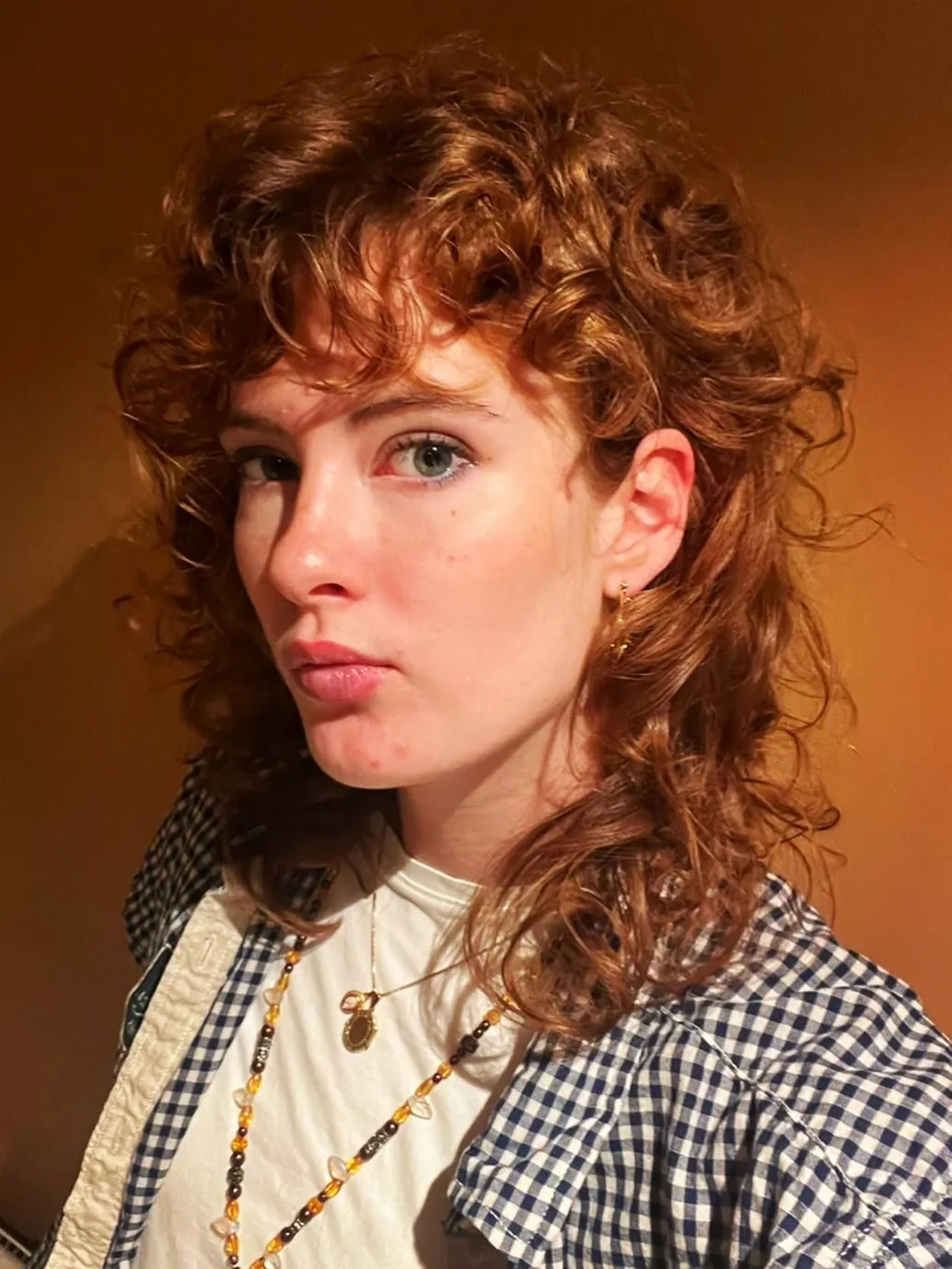
- Shorter crown layers can lift dense curls, while longer perimeter layers keep the overall shape from feeling too wide or triangular.
- Curly bangs work best when their shrinkage is considered during the cut, so the fringe lands where intended once fully dry.
- Light styling products preserve separation between layers, while heavy creams can pull down volume and blur the haircut’s structure.
Rounded Curly Shag
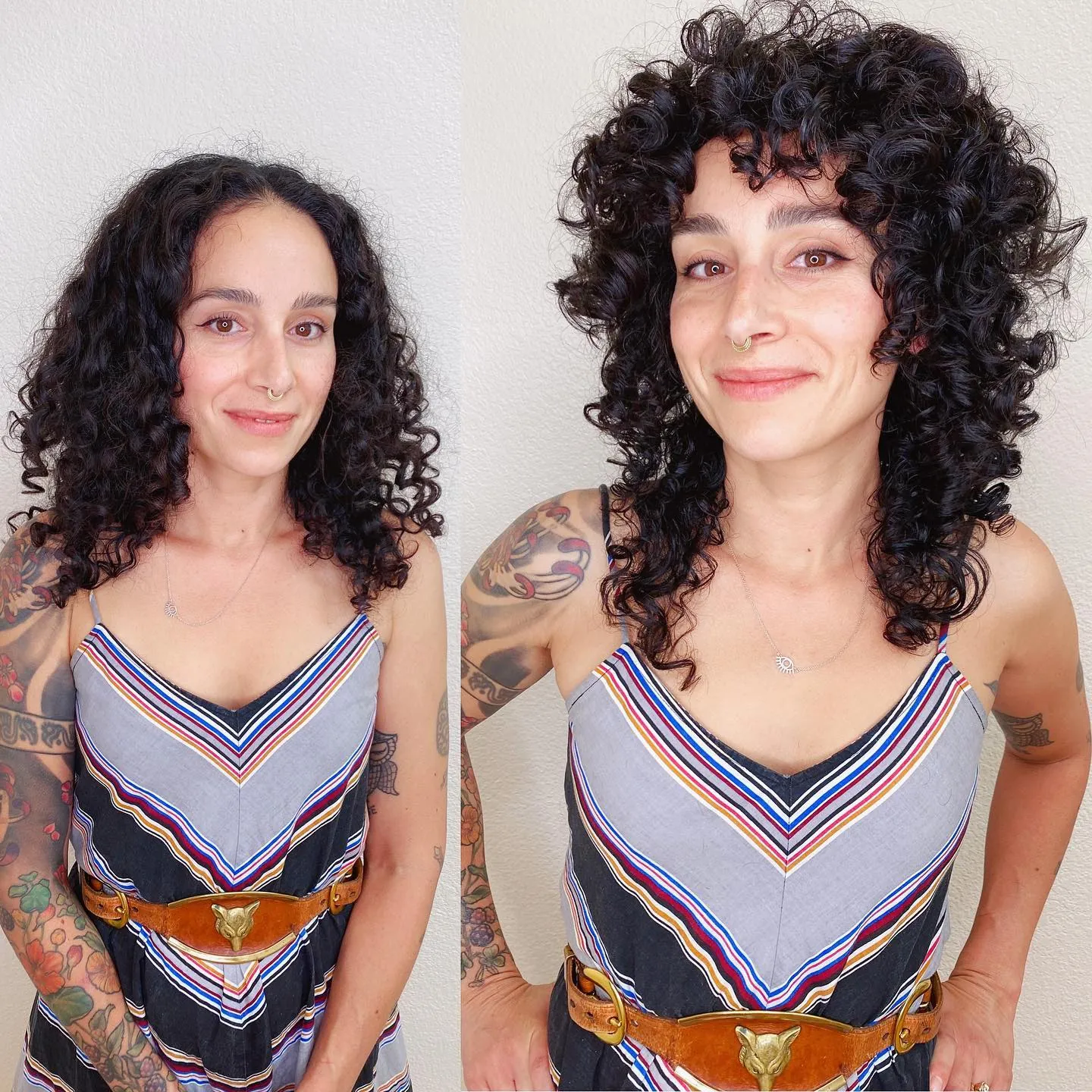
The shorter crown and side layers build a rounder silhouette, while the curly fringe keeps the shape connected through the front. It is useful when natural curls need more lift without sacrificing the length around the shoulders.
Long Copper Layers
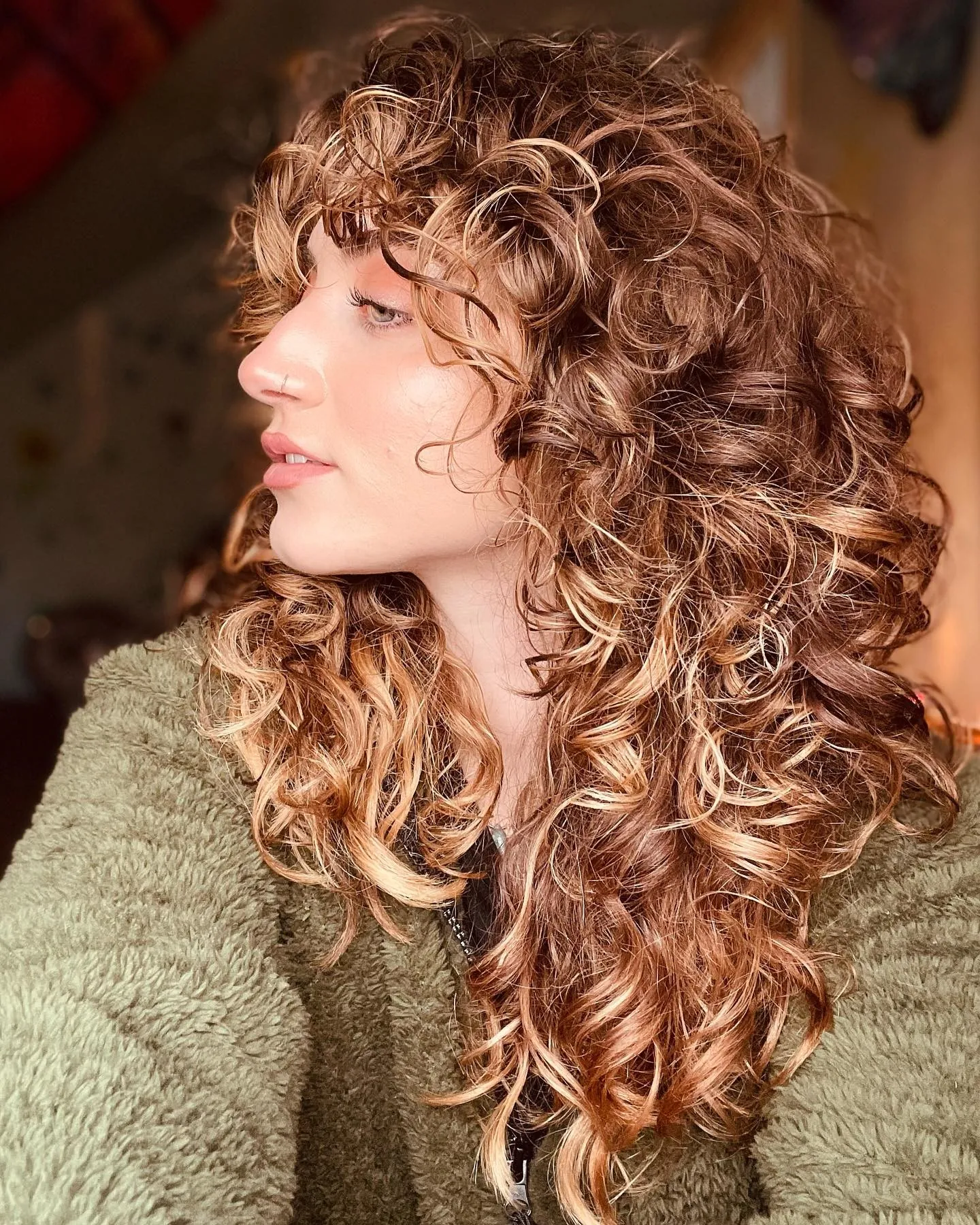
Long layers stop these copper curls from stacking into one heavy mass, letting individual ringlets fall at different points. The fringe adds another level of shape around the face while the lower length keeps the overall look full.
Soft Curly Shag
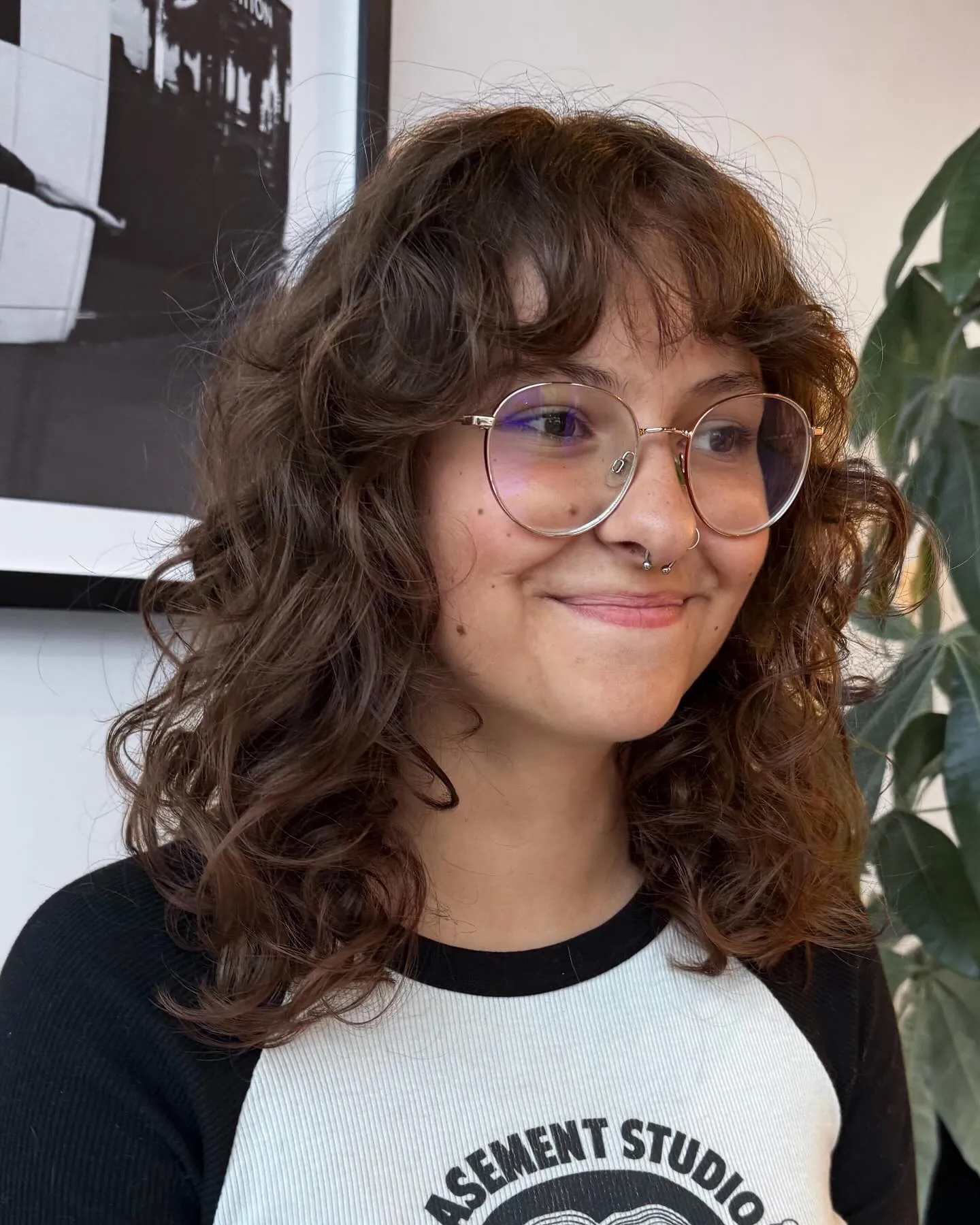
Soft layers break up the shoulder-length outline and give the loose curls room to turn outward naturally. The airy fringe keeps the front light, which helps this shag feel balanced rather than dense around the cheeks.
Rounded Curl Layers
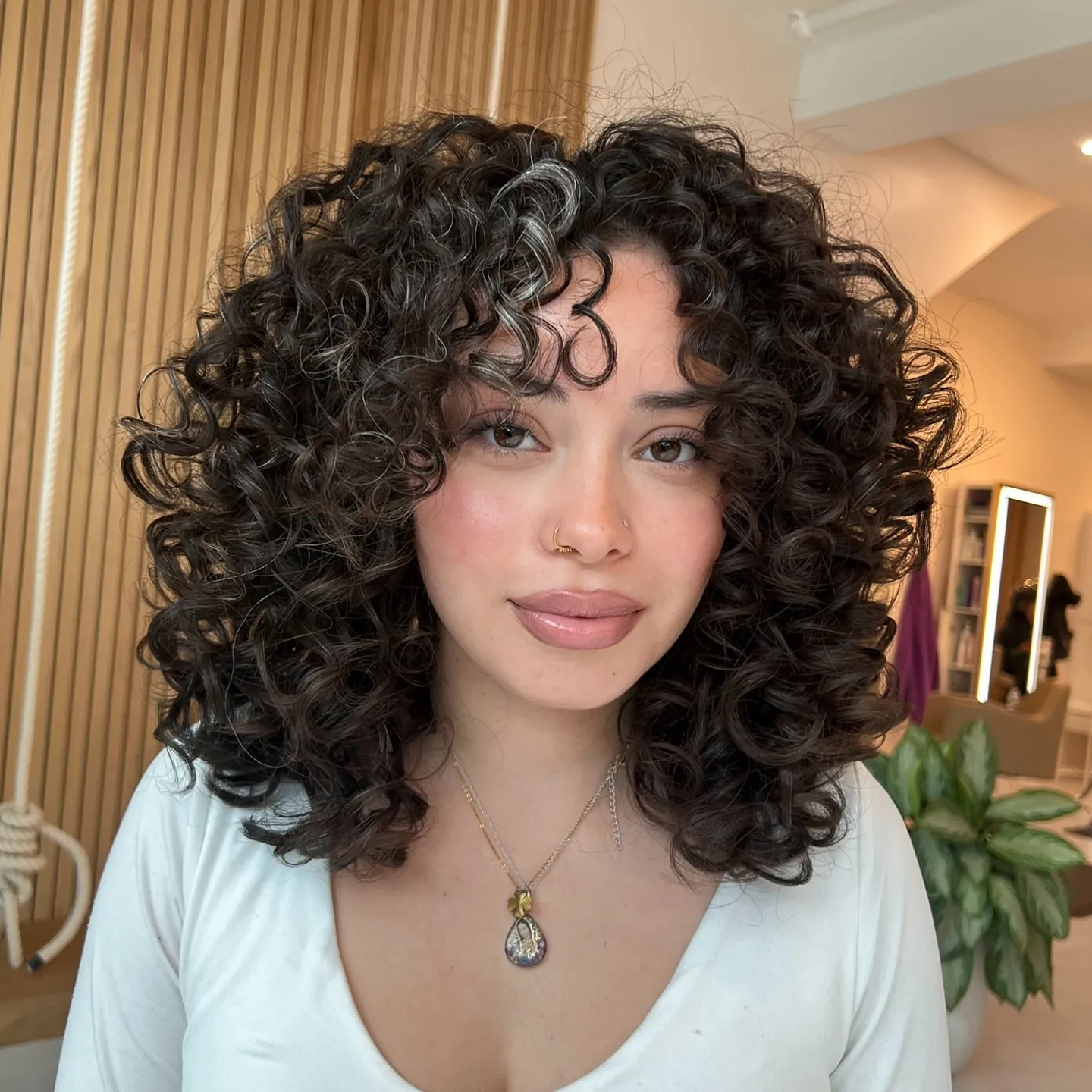
Rounded layering distributes volume through the sides instead of leaving all the fullness at the bottom. The shorter face-framing curls also pull attention upward, making the shape feel more intentional from the front.
Best for: Dense curls that need more lift through the crown without losing width through the sides.
Wispy Curly Shag
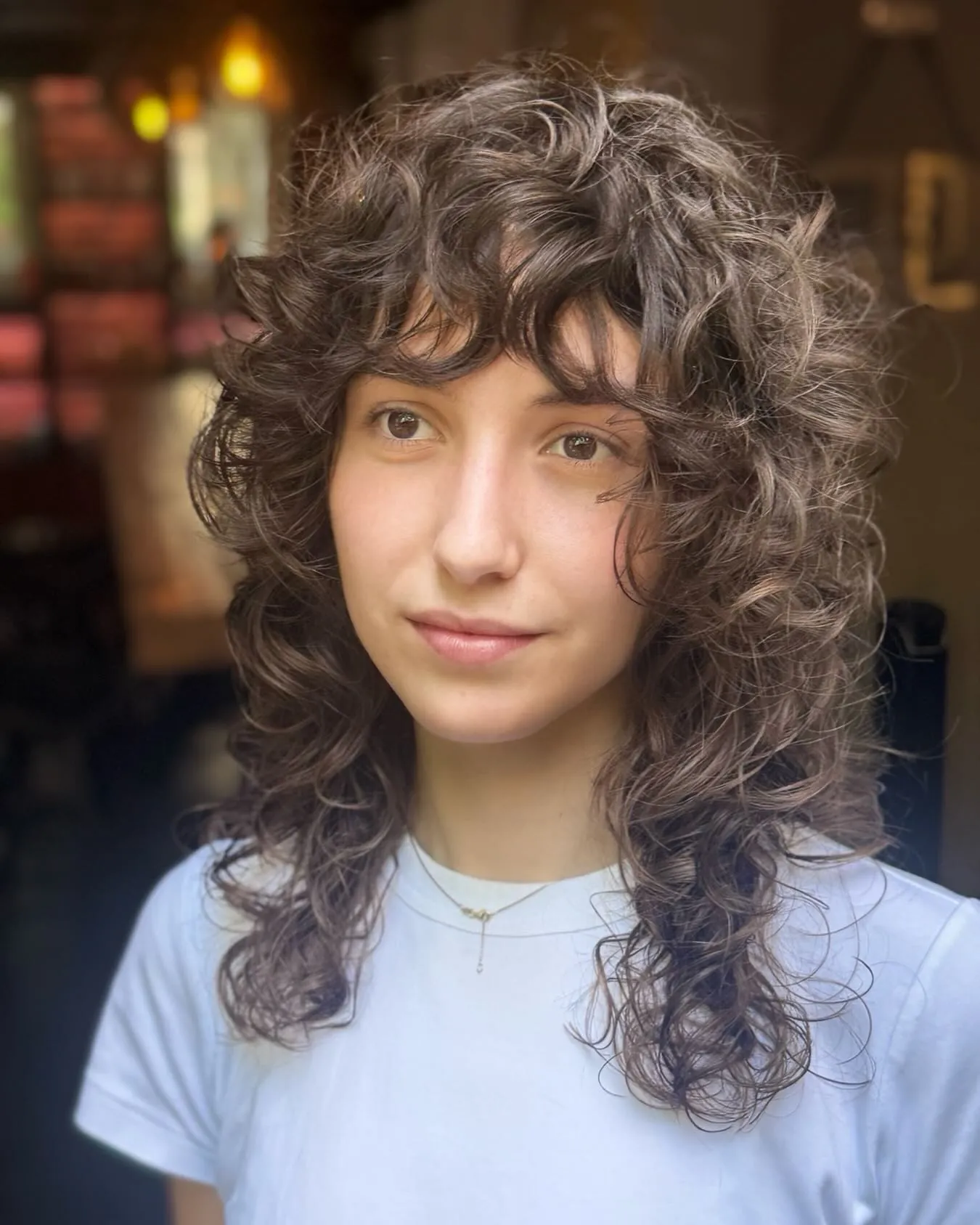
The wispy fringe and shorter top layers give this shag lift without making the perimeter look too wide. Longer pieces through the neck keep enough length for the curls to stretch and separate naturally.
Long Ginger Layers
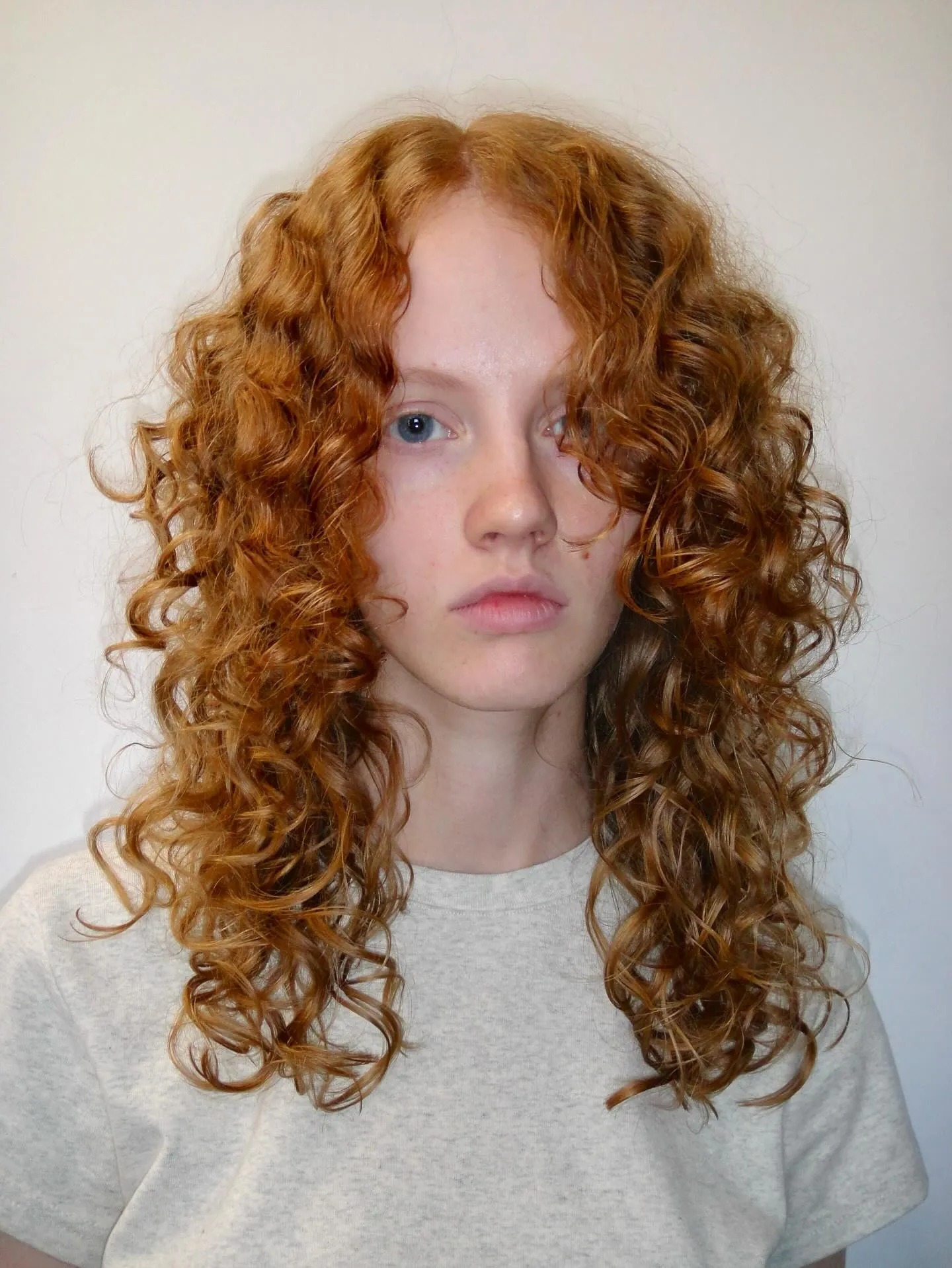
Long ginger ringlets keep their overall length, but subtle layering stops the ends from forming one solid line. A centre part lets the curls fall evenly on both sides while preserving plenty of movement.
Curly Bob With Bangs
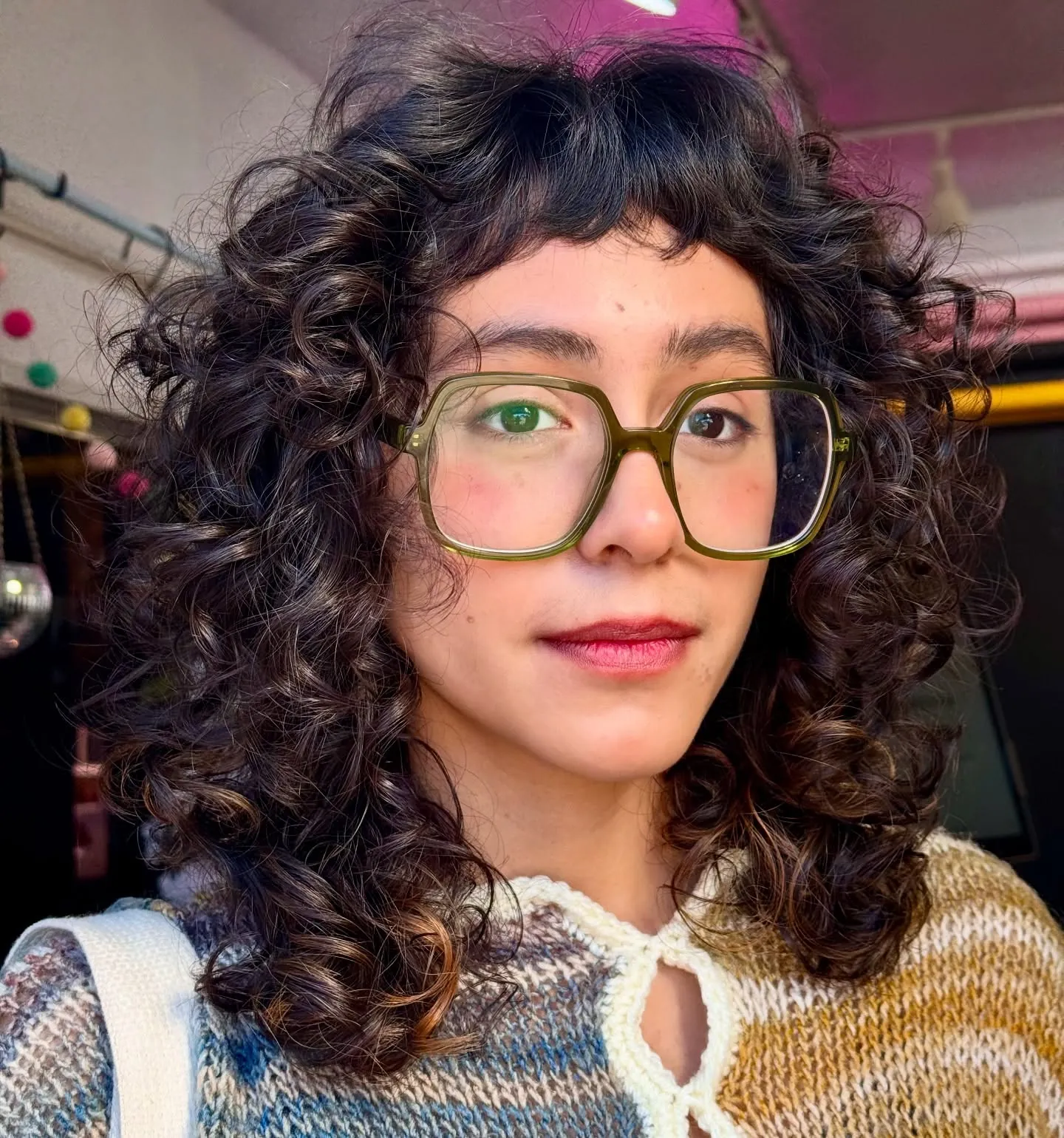
A shorter layered bob concentrates the curl pattern around the cheeks and jaw, creating a compact rounded shape. The small fringe pieces soften the front and stop the cut from feeling too blunt across the top.
Voluminous Curl Layers
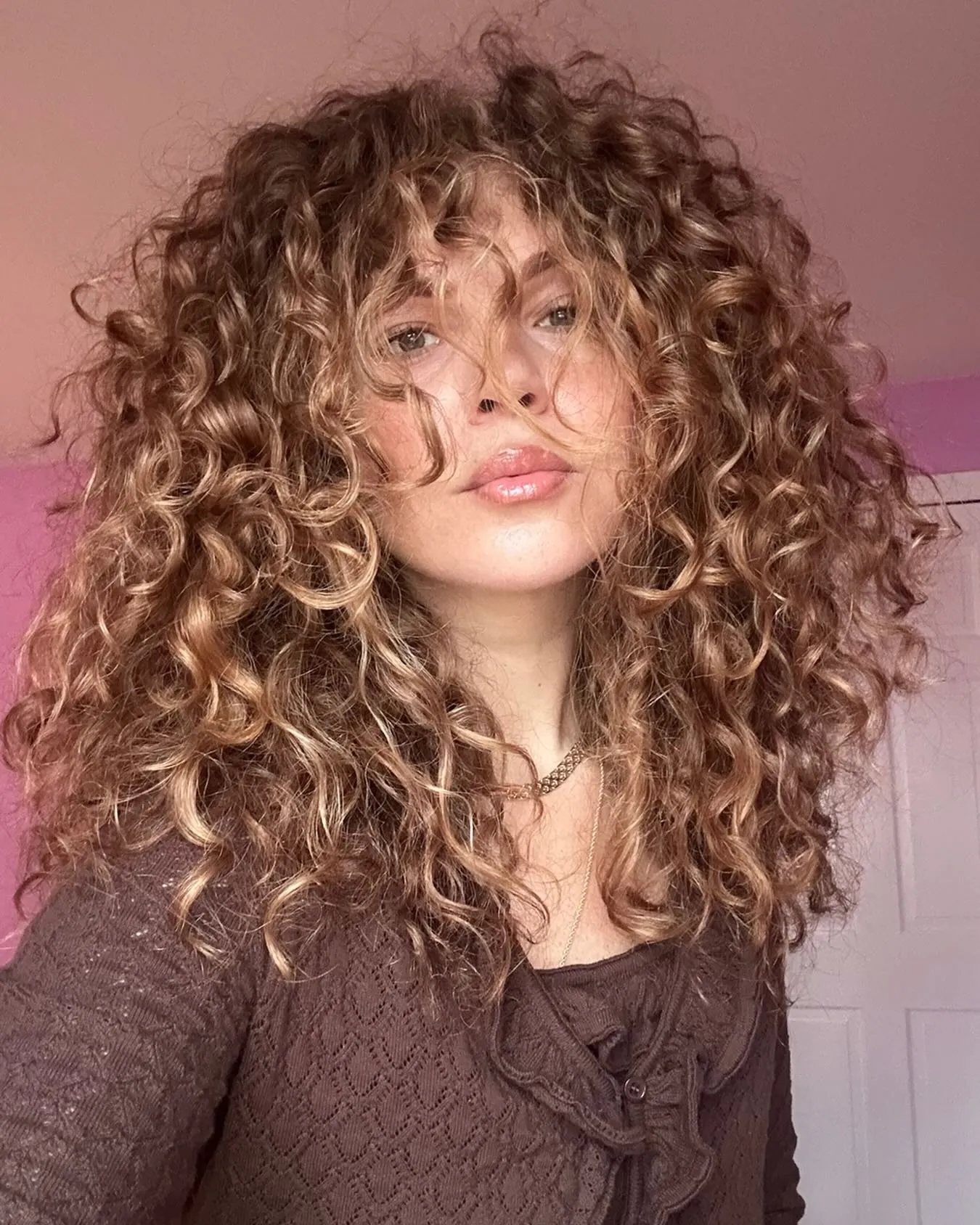
Layering through the crown and mid-lengths gives these long curls a bigger, airier outline without relying on heavy root styling. The soft fringe blends into the sides, so the volume feels continuous around the face.
Shoulder-Length Curls
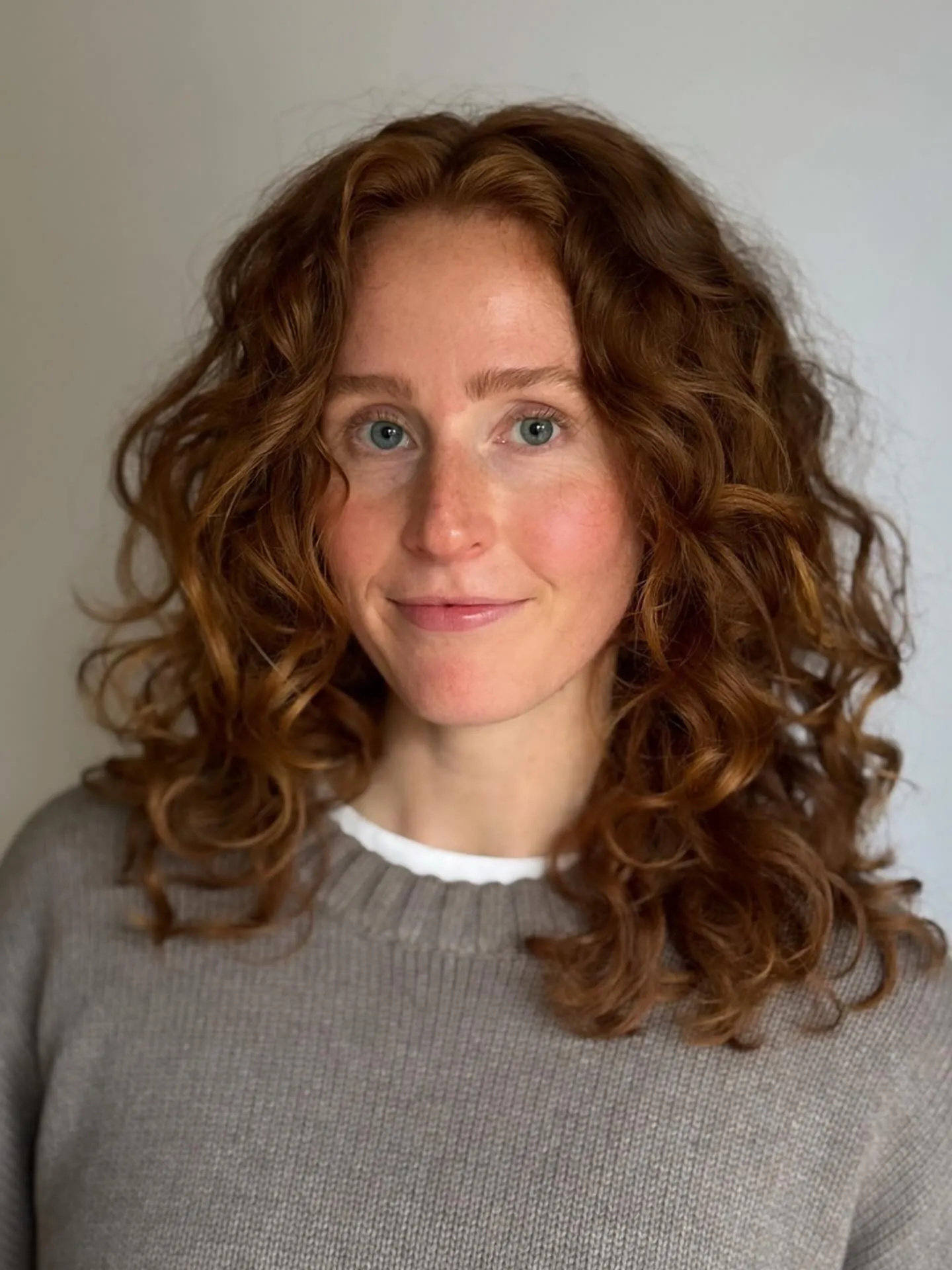
This shoulder-length shape keeps enough weight for the curls to stay defined while removing bulk from the lower edge. The result is a softer perimeter that moves more freely instead of sitting in one dense band.
At home tip: Diffuse on low airflow and lift at the roots only after the curl clumps have started to set.
Face-Framing Curl Layers
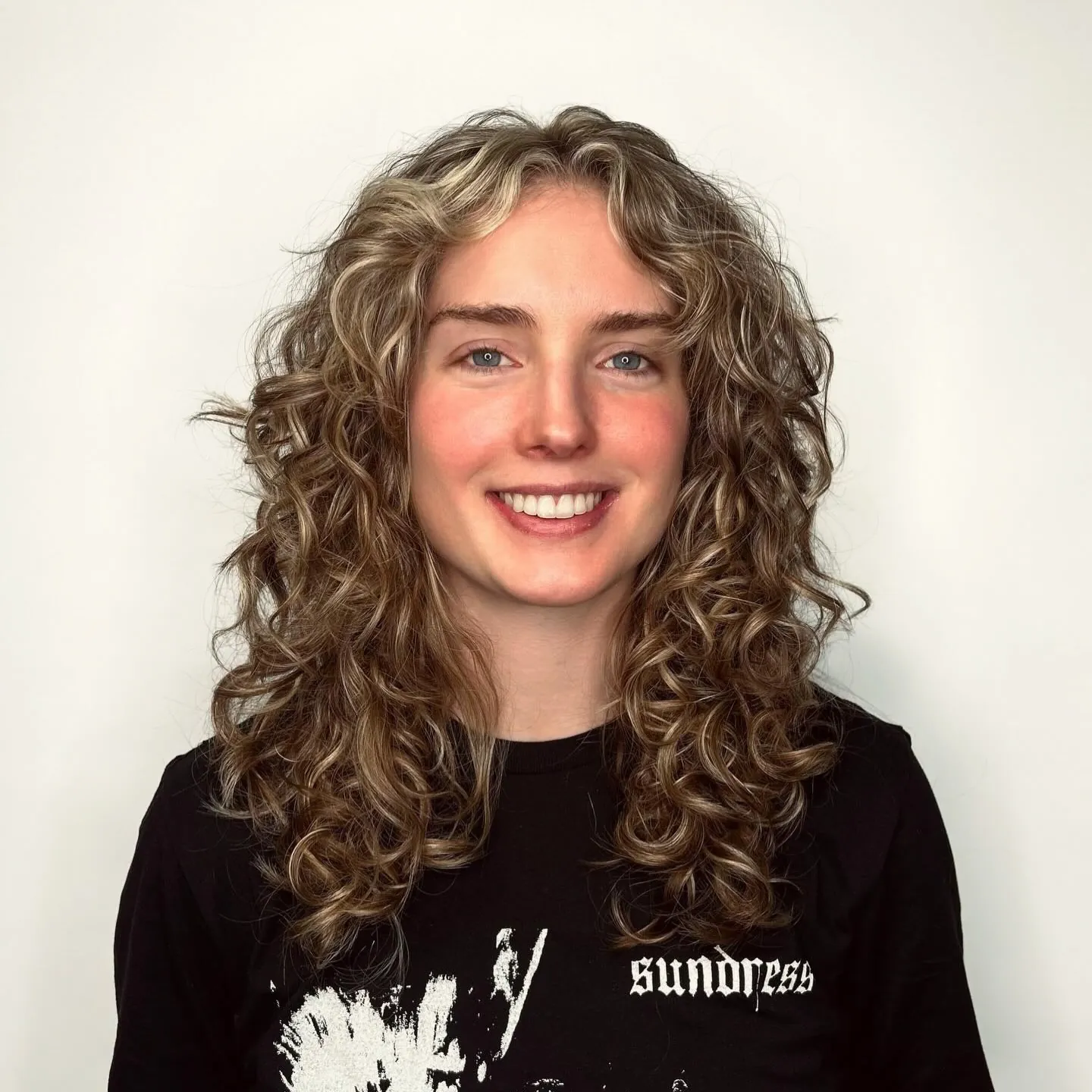
Lighter face-framing curls make the front layers easy to see and help direct the shape toward the cheekbones. Keeping more length through the back prevents the haircut from becoming overly round or short.
Wispy Fringe Shag
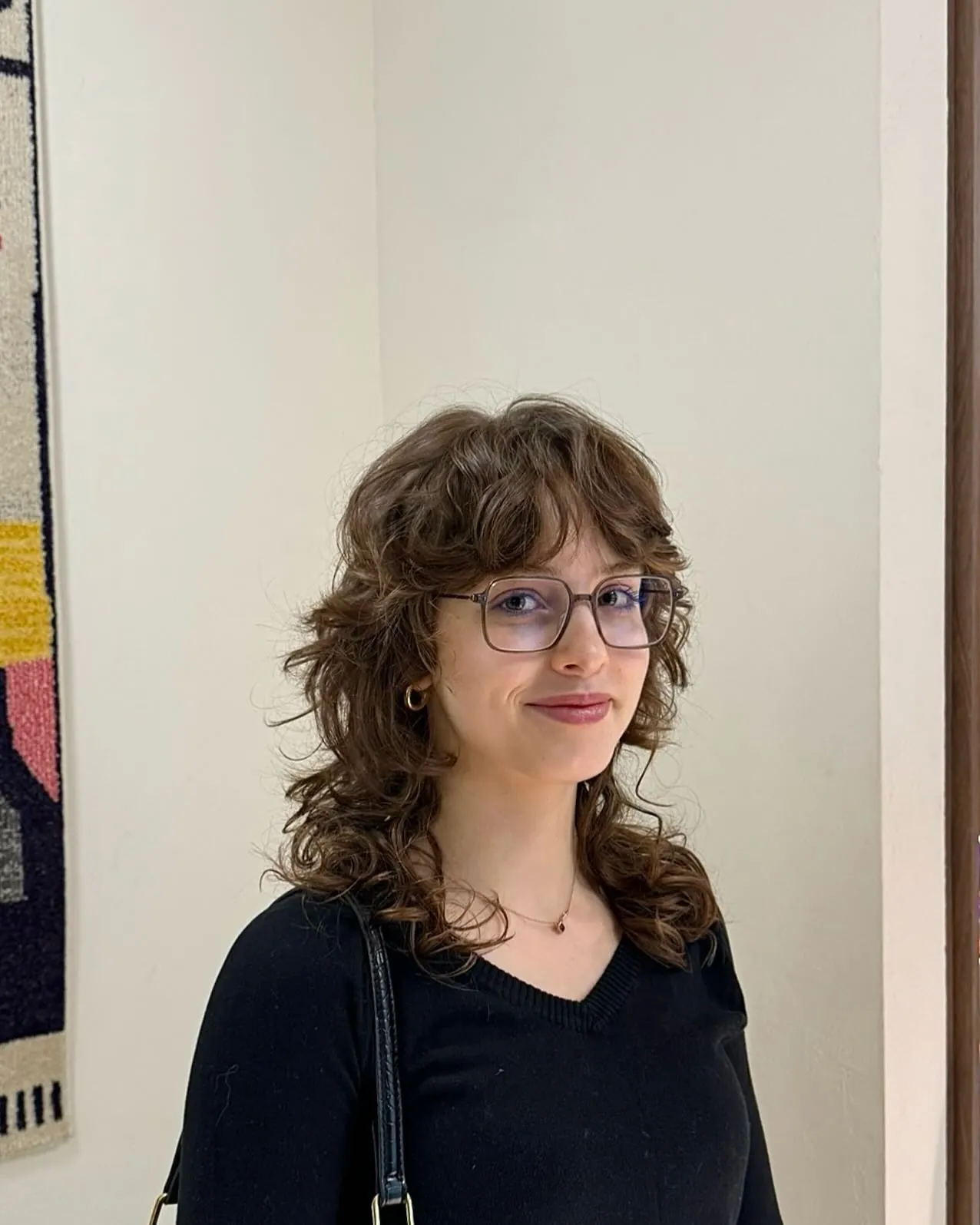
Short fringe and flipped side layers create a shag shape that feels light around the face. The longer pieces through the back keep the cut wearable for curls that shrink noticeably once they dry.
Tight Curly Layers
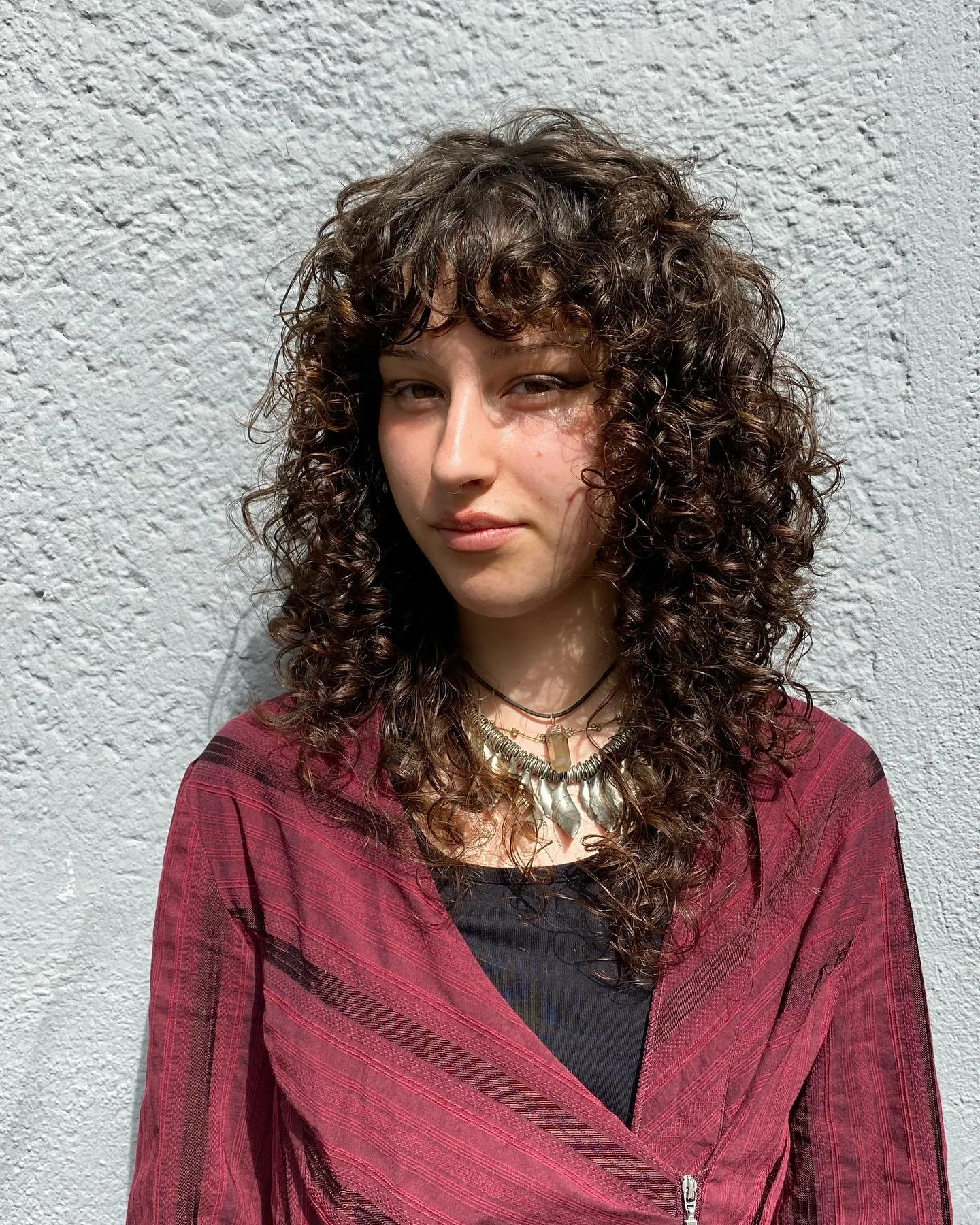
Tighter curls benefit from staggered layers because each ringlet gets space to form instead of compressing into the next. The short fringe echoes the texture through the front and keeps the top from looking flat.
Curtain Fringe Curls
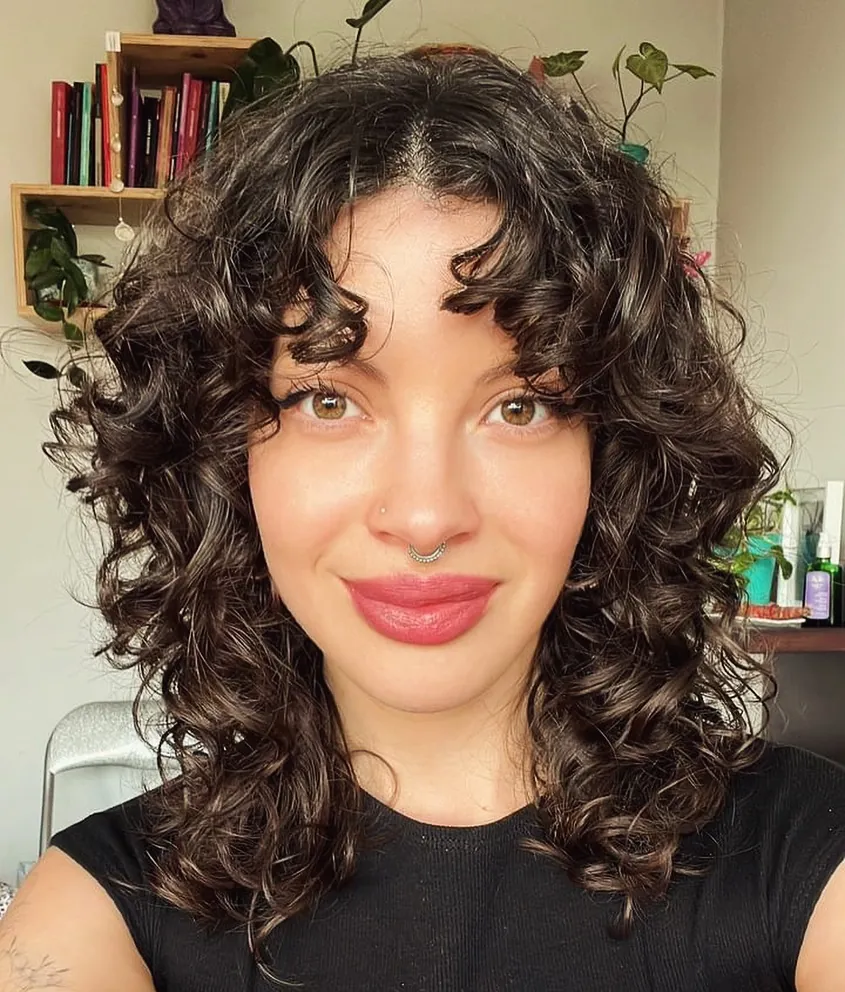
Curtain-style fringe opens the centre of the face while the surrounding layers build a rounded shoulder-length shape. This works well when curls need definition near the front without removing too much overall density.
Long Curly Layers
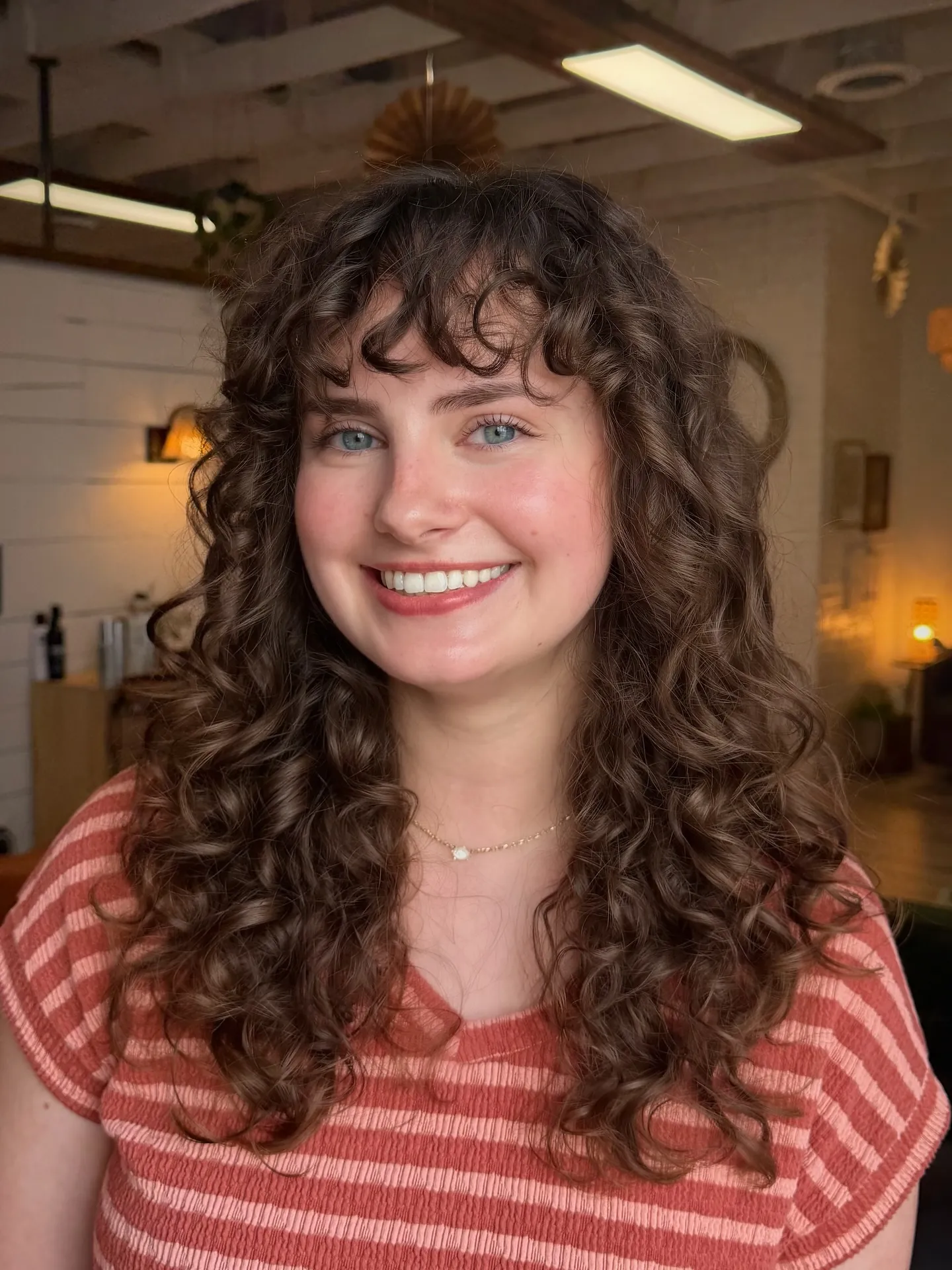
Long layers give these curls vertical movement while preserving the fullness through the lower half. The fringe adds a clear front shape, helping the haircut look structured even when the curls are worn with their natural volume.
Ask your stylist: Cut the fringe with dry shrinkage in mind so it does not spring shorter than planned.
Full Fringe Shag
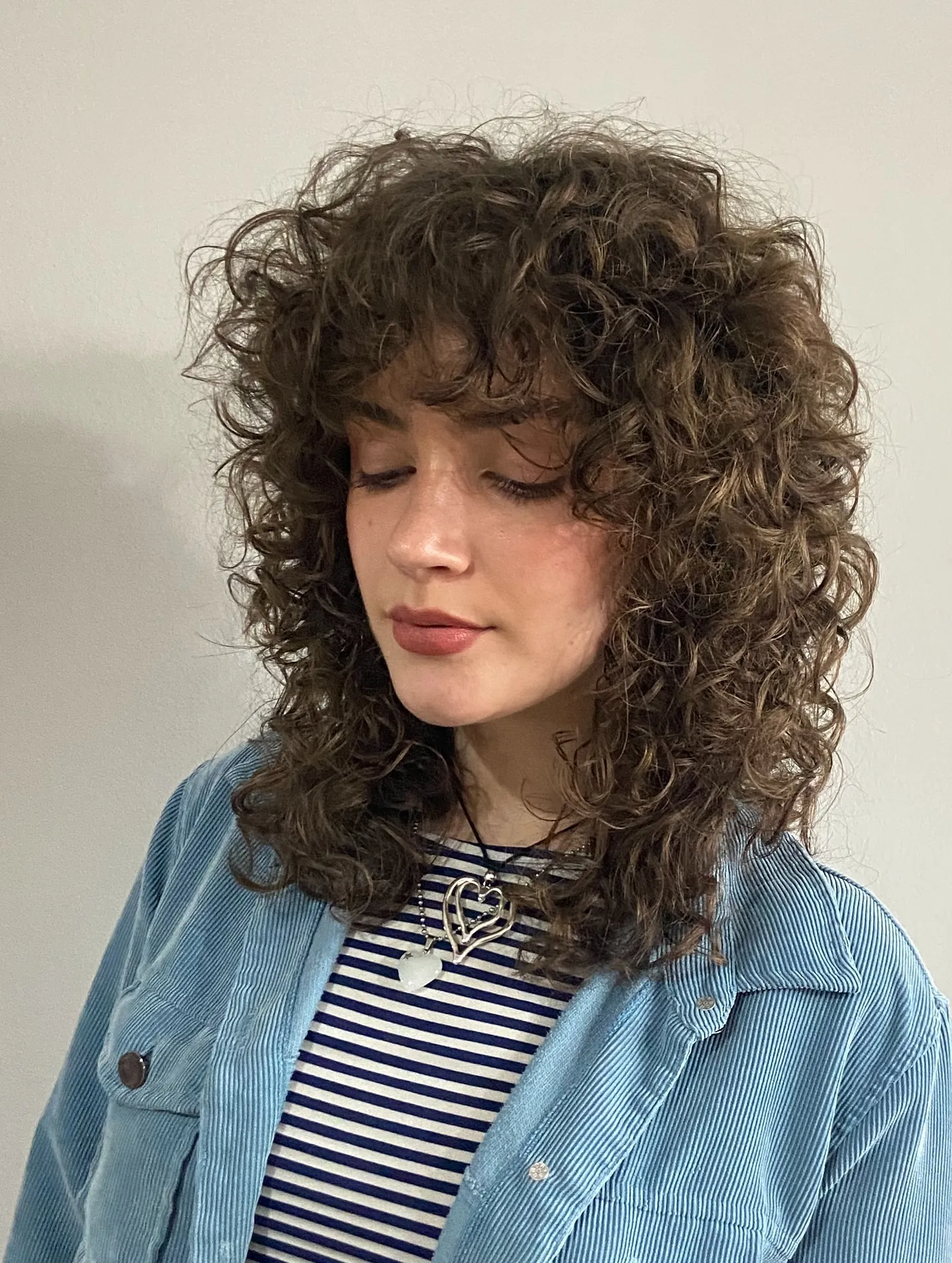
A fuller curly fringe makes the top feel connected to the heavily layered sides, creating a strong shag silhouette. The varied lengths reduce bulk through the shoulders and keep the curl pattern from blending into one block.
Ginger Curl Layers
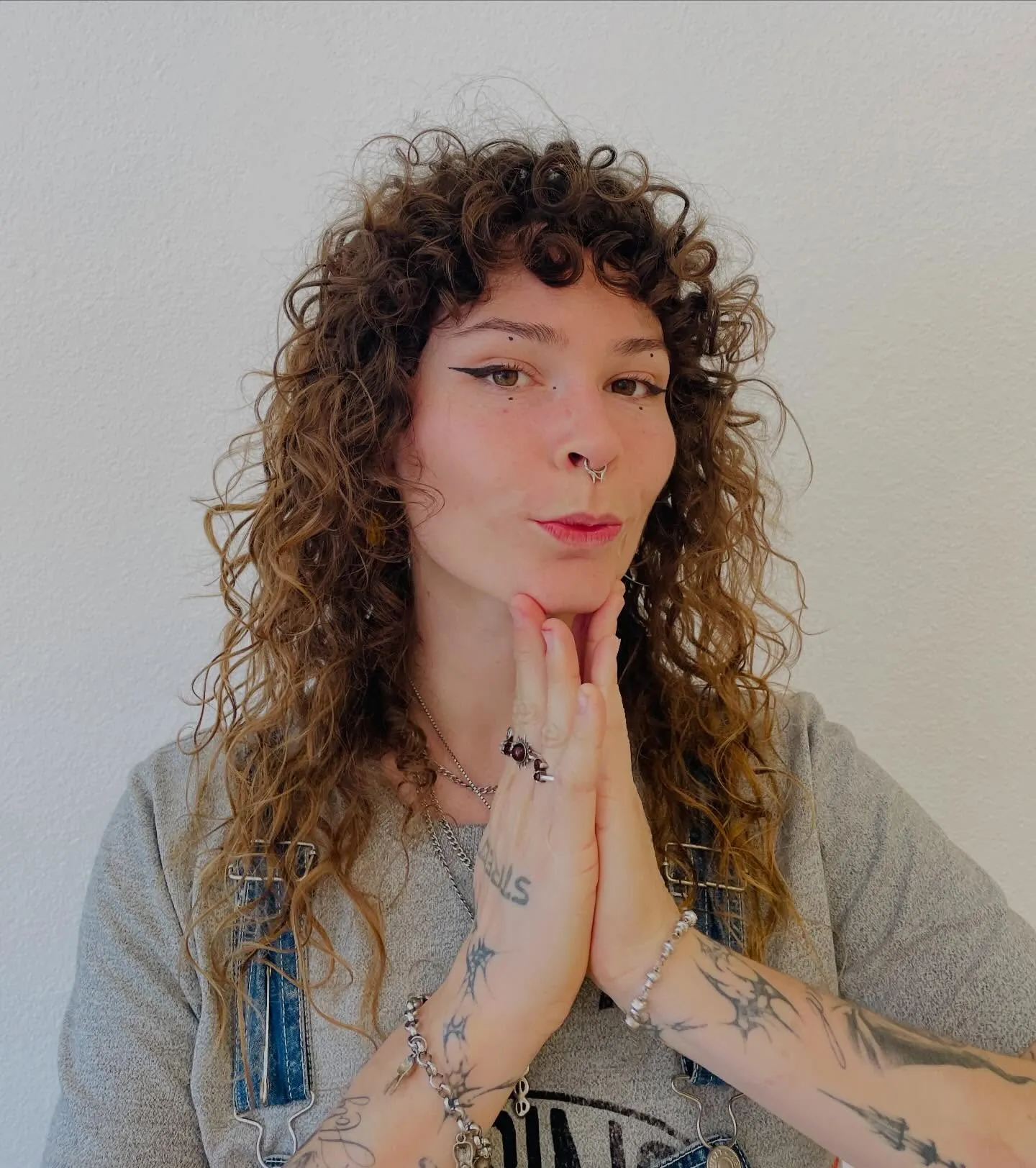
Shorter layers around the crown bring lift to these long ginger curls, while the narrow fringe keeps the front from feeling heavy. The extra length below the shoulders balances the volume through the top.
Short Curly Shag
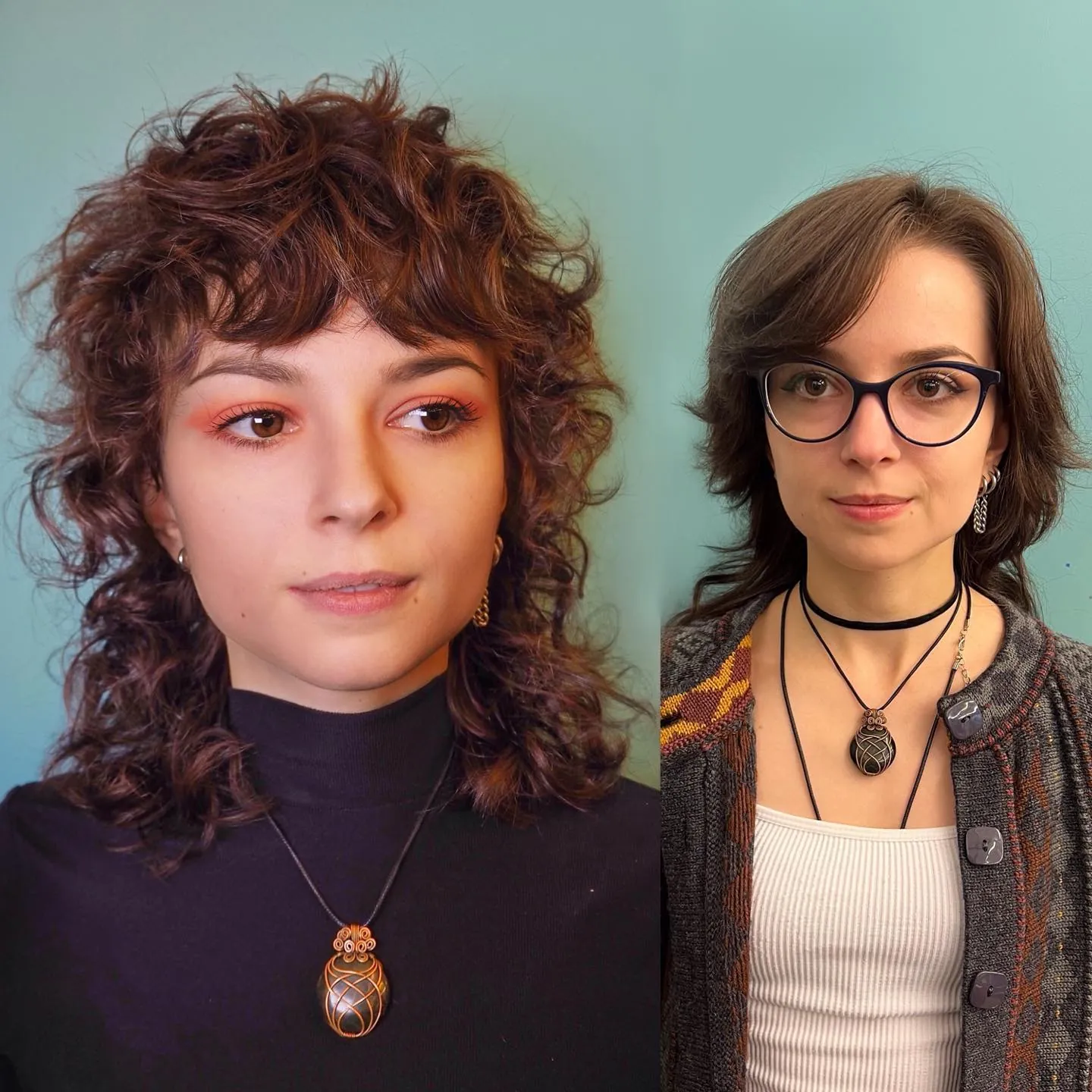
This shorter shag uses compact layers to push curl outward around the temples and cheeks, then narrows through the ends. It gives a lively shape without needing much length to create visible movement.
Layered Curls With Bangs
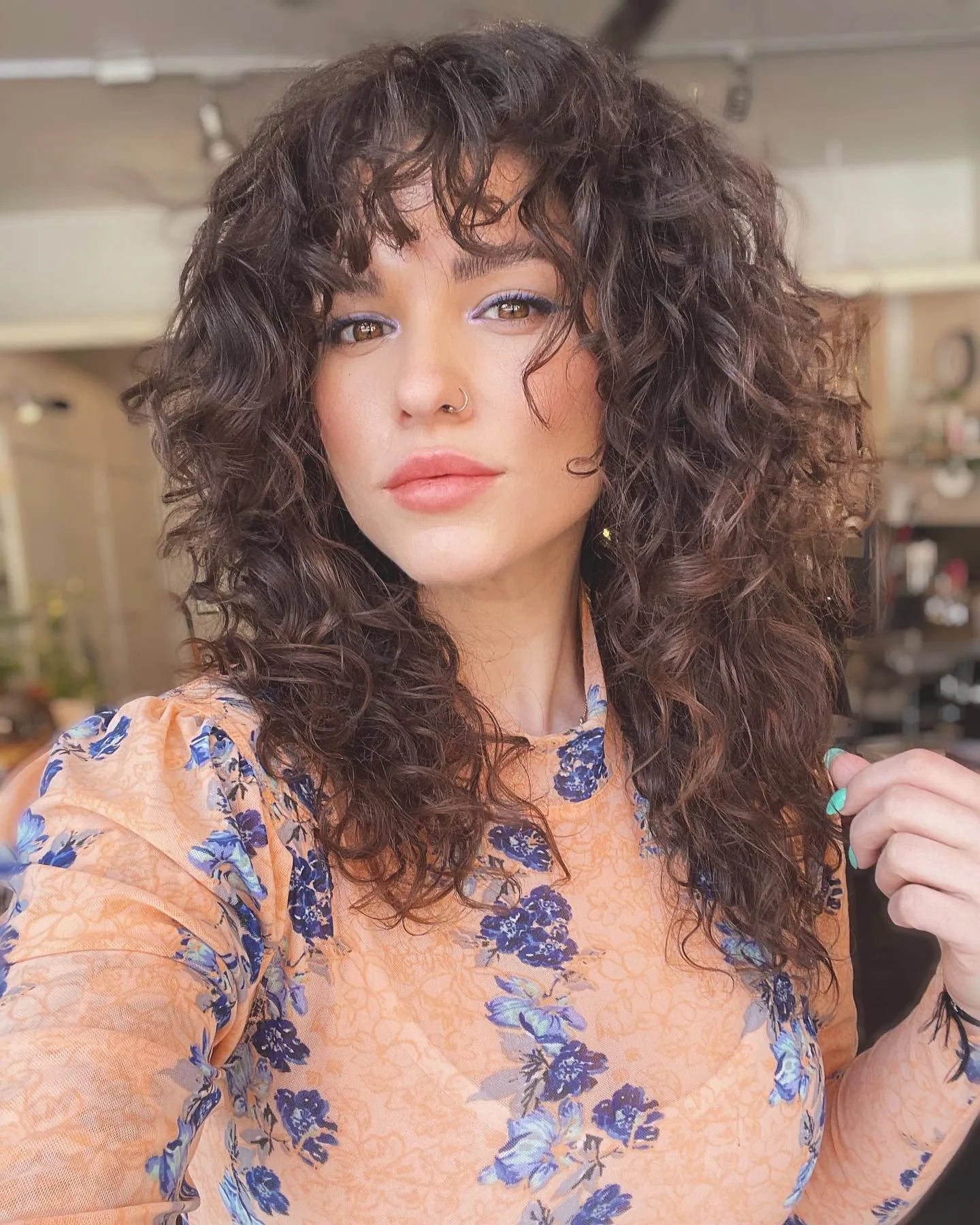
Layered curls around the face and shoulders keep this medium-length cut from looking bottom-heavy. The fringe shortens the visual distance from crown to ends, which makes the overall shape feel more balanced.
Curly Mullet Shag
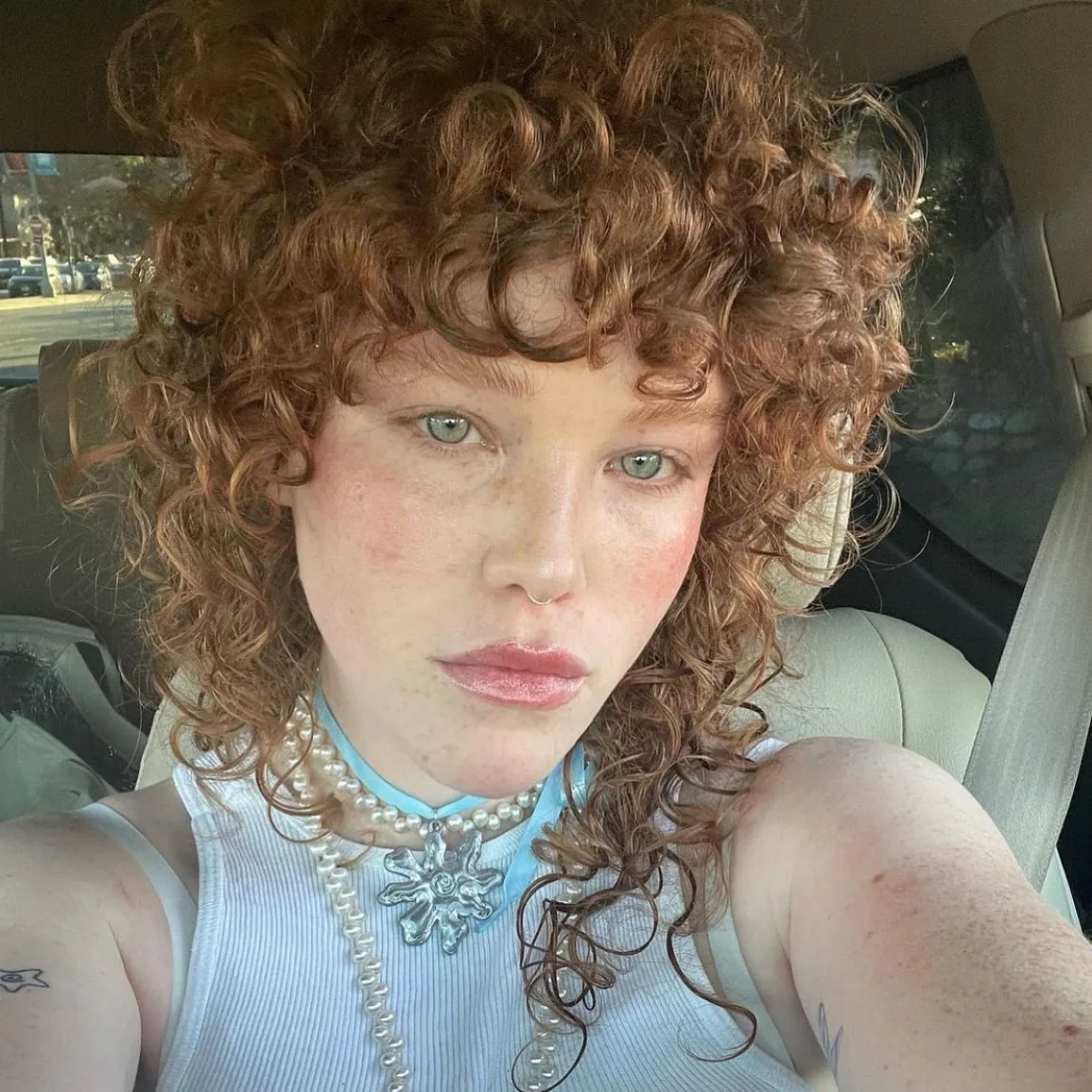
The rounded fringe and short crown layers create fullness near the top, while longer nape pieces give the cut its mullet-inspired outline. That contrast makes the curl pattern look more separated and directional.
Style note: Use a light gel on the longer nape pieces to keep the mullet shape separated and defined.
Highlighted Curly Layers
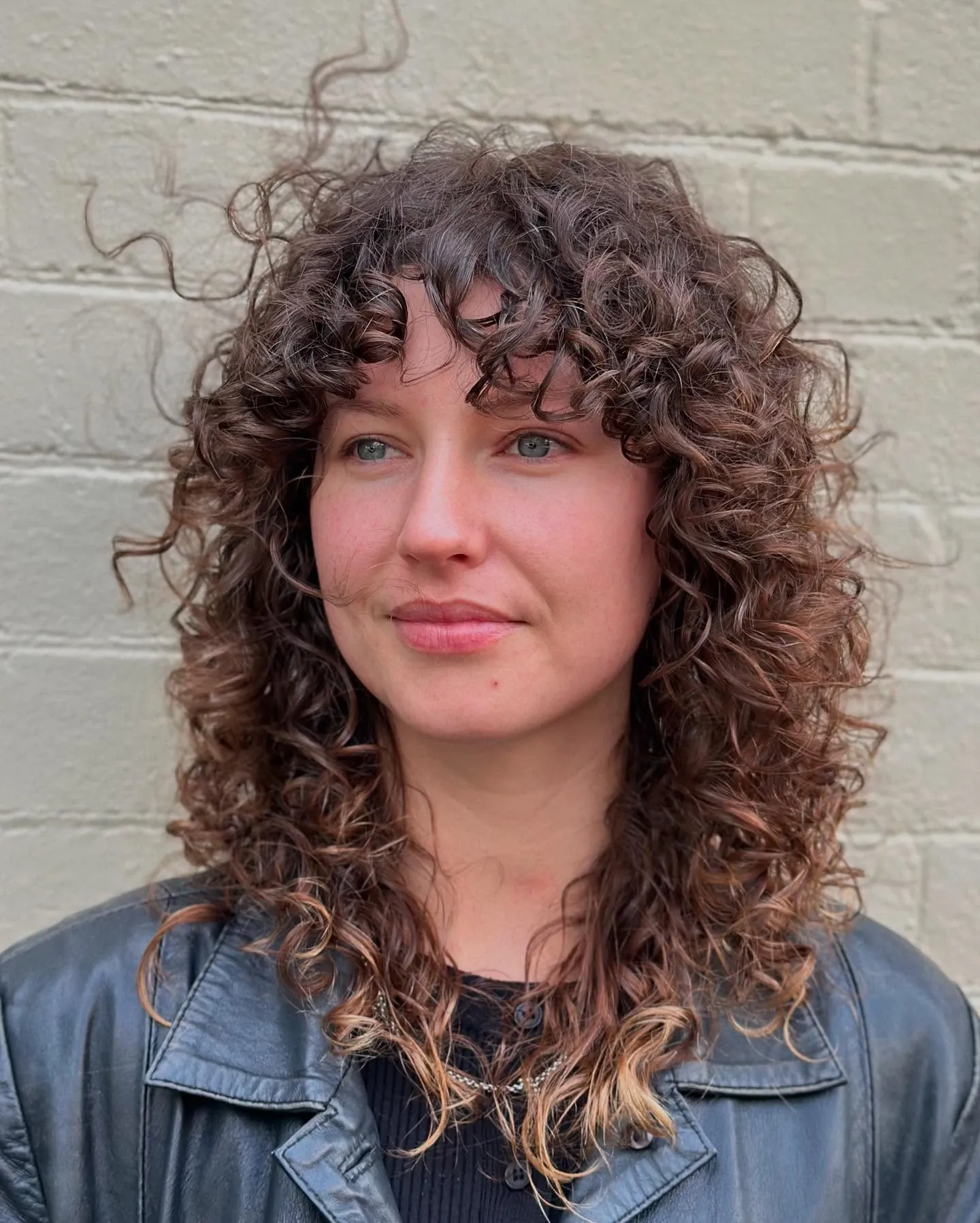
Layering helps the highlighted ends sit at different heights, making the curl pattern and colour variation easier to see. The fringe keeps volume through the front while the longer perimeter maintains a soft shoulder-length finish.