
Razor-Cut Layered Haircuts: 20 Vibrant Ideas
Razor cutting creates softer edges and more separated movement.

- Razor-cut layers taper the ends instead of leaving a blunt edge, which creates a softer and more piecey finish.
- Shags, mullets, and feathered cuts suit razor work because the technique helps individual sections move independently.
- The method is best discussed with a stylist who understands hair density and condition, since over-razoring can make fragile ends feel sparse.
Flipped Razor Bob
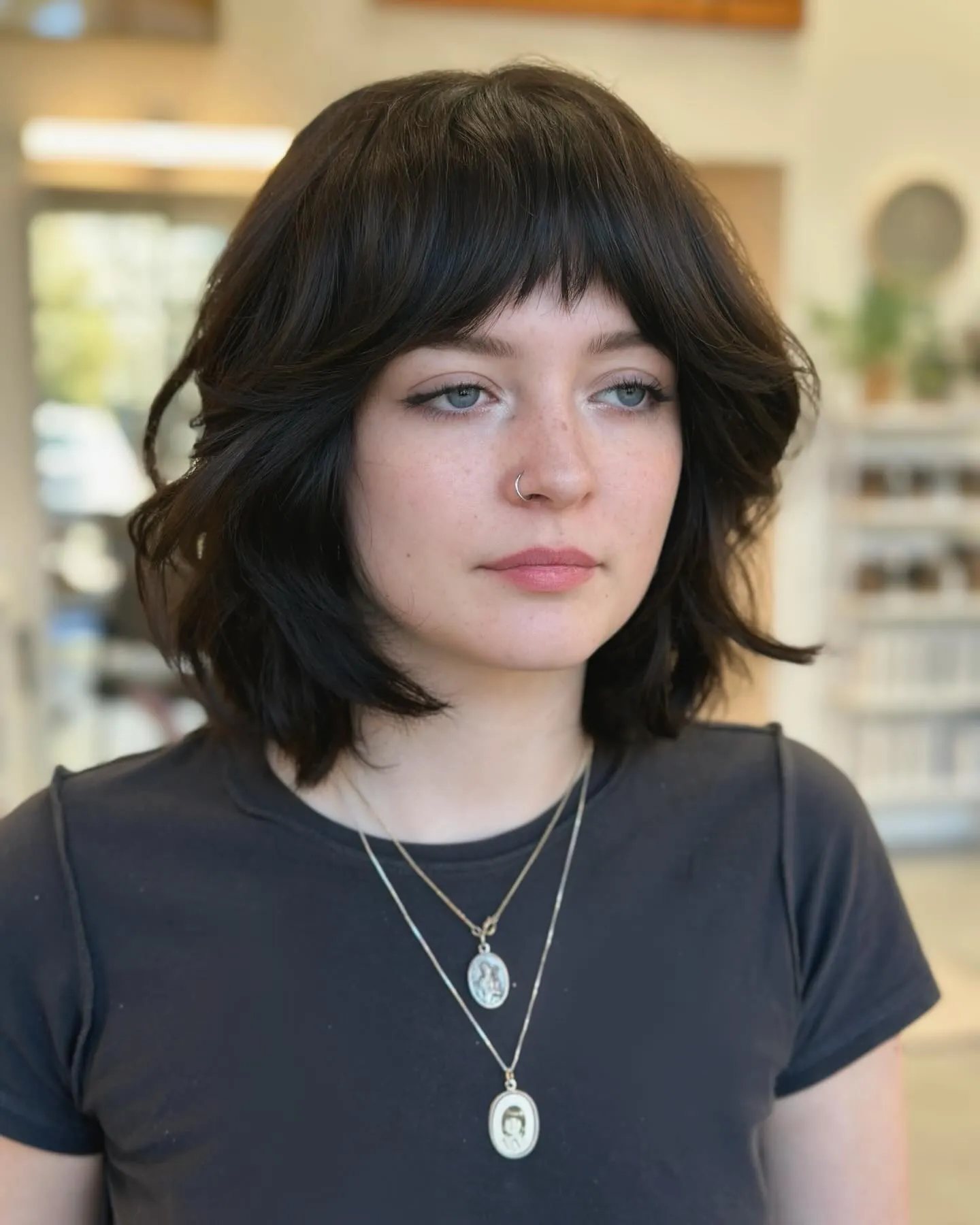
The flipped ends show the razor work clearly because each short layer tapers into a fine point instead of ending bluntly. A small round brush can direct the ends outward without making the bob feel stiff.
Shaggy Razor Layers
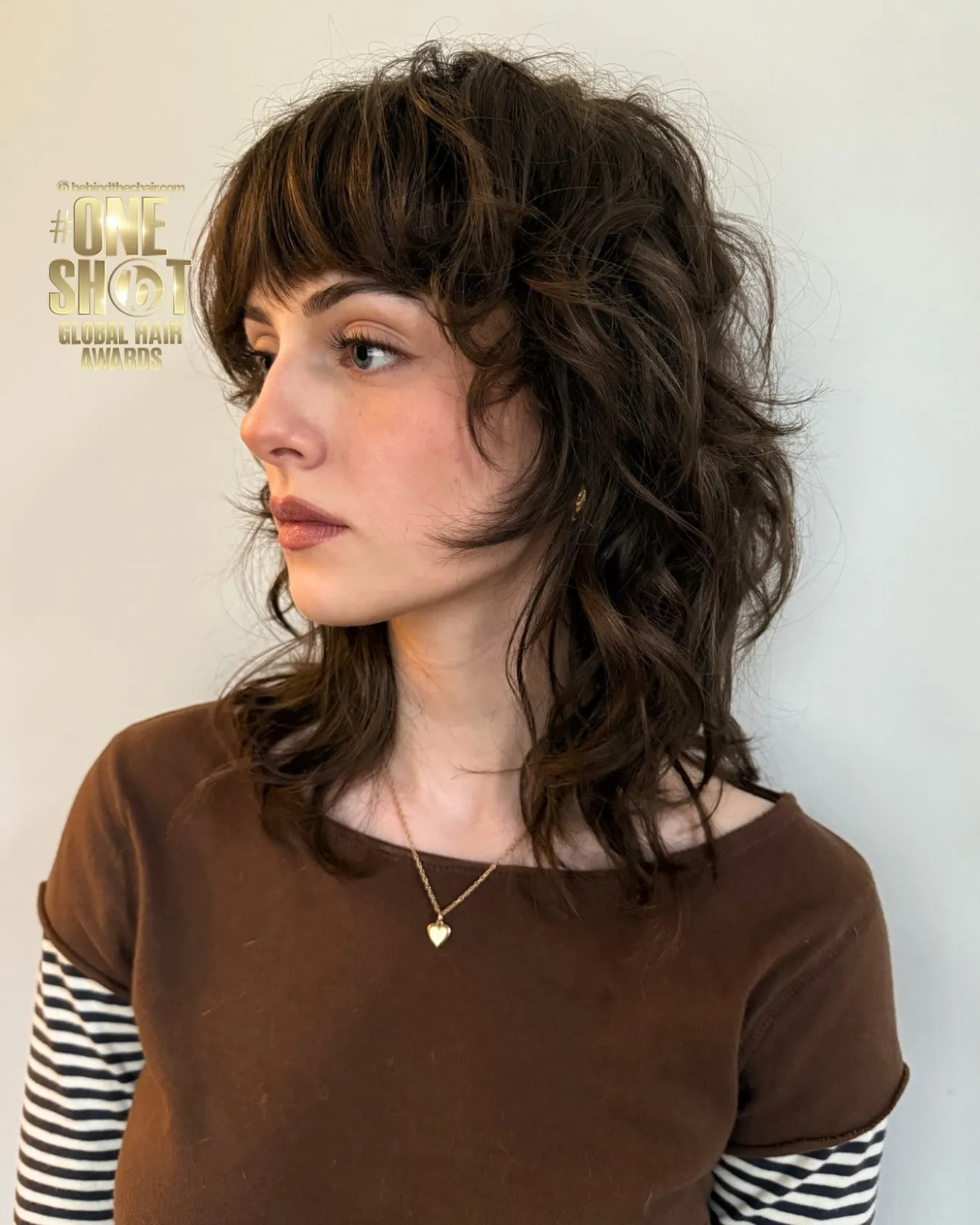
Razor-cut shag layers create soft separation around the crown, ears, and shoulders. The tapered tips keep the dark hair moving freely, so a light texture cream is enough for everyday styling.
Feathered Long Shag
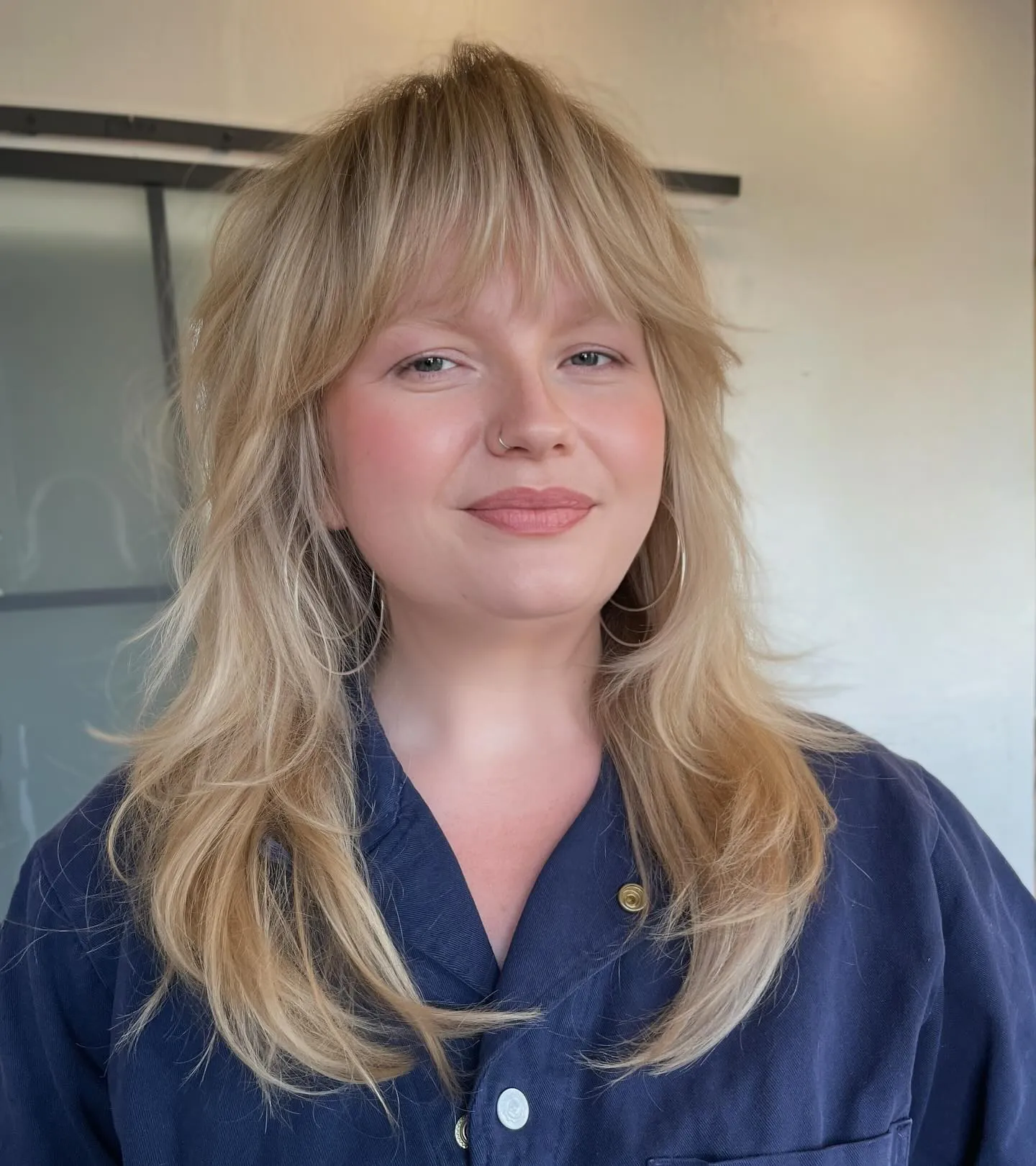
Long feathered sections fall in thin, separated pieces through the sides and ends, giving the shag movement without losing its length. A loose blow-dry keeps the razor texture visible.
Short Razored Mullet
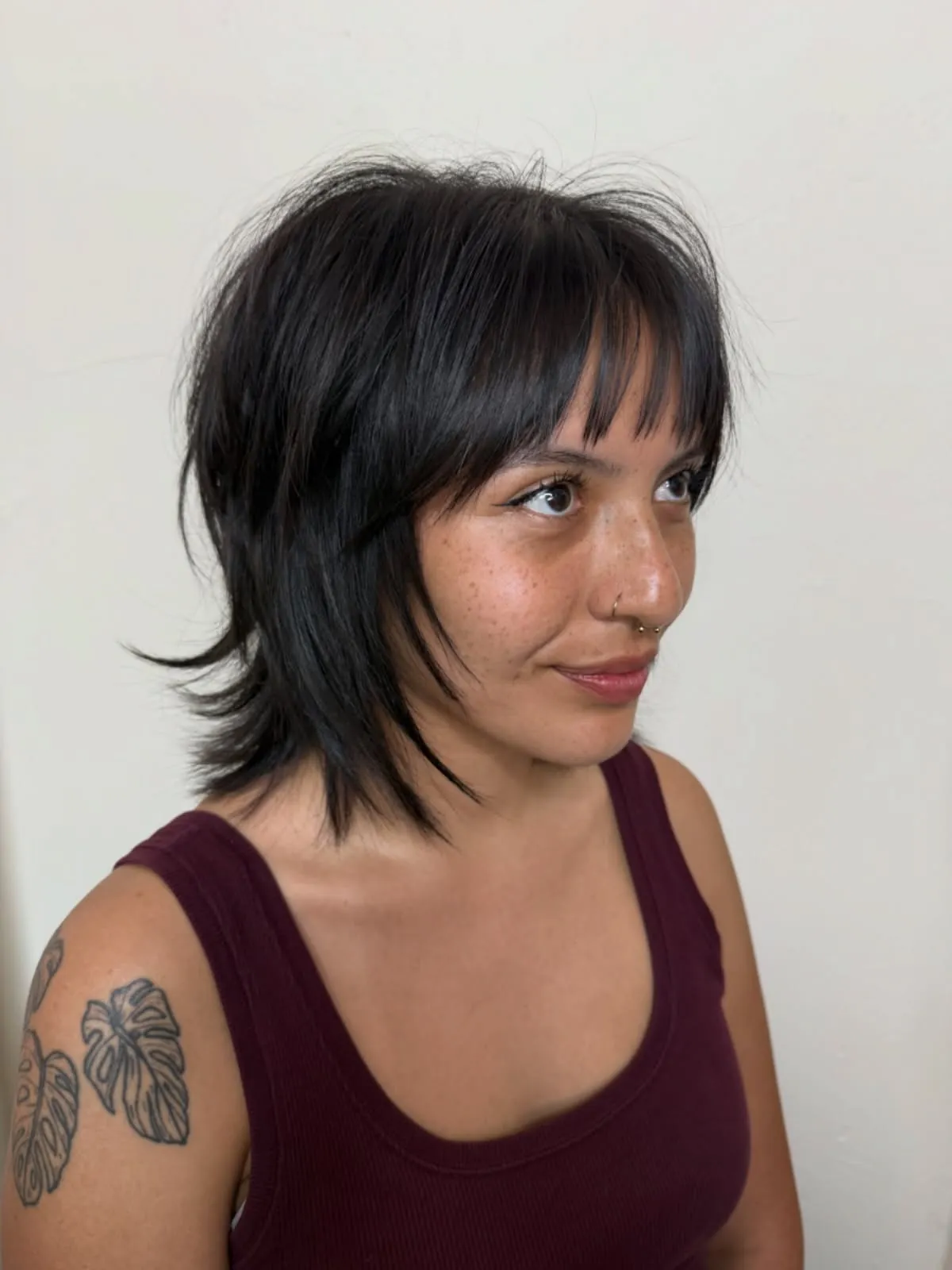
The short razored mullet keeps the crown close and the back longer, with soft edges rather than hard steps. That tapered finish helps the shape grow out more naturally than a very blunt version.
Long Razor Shag
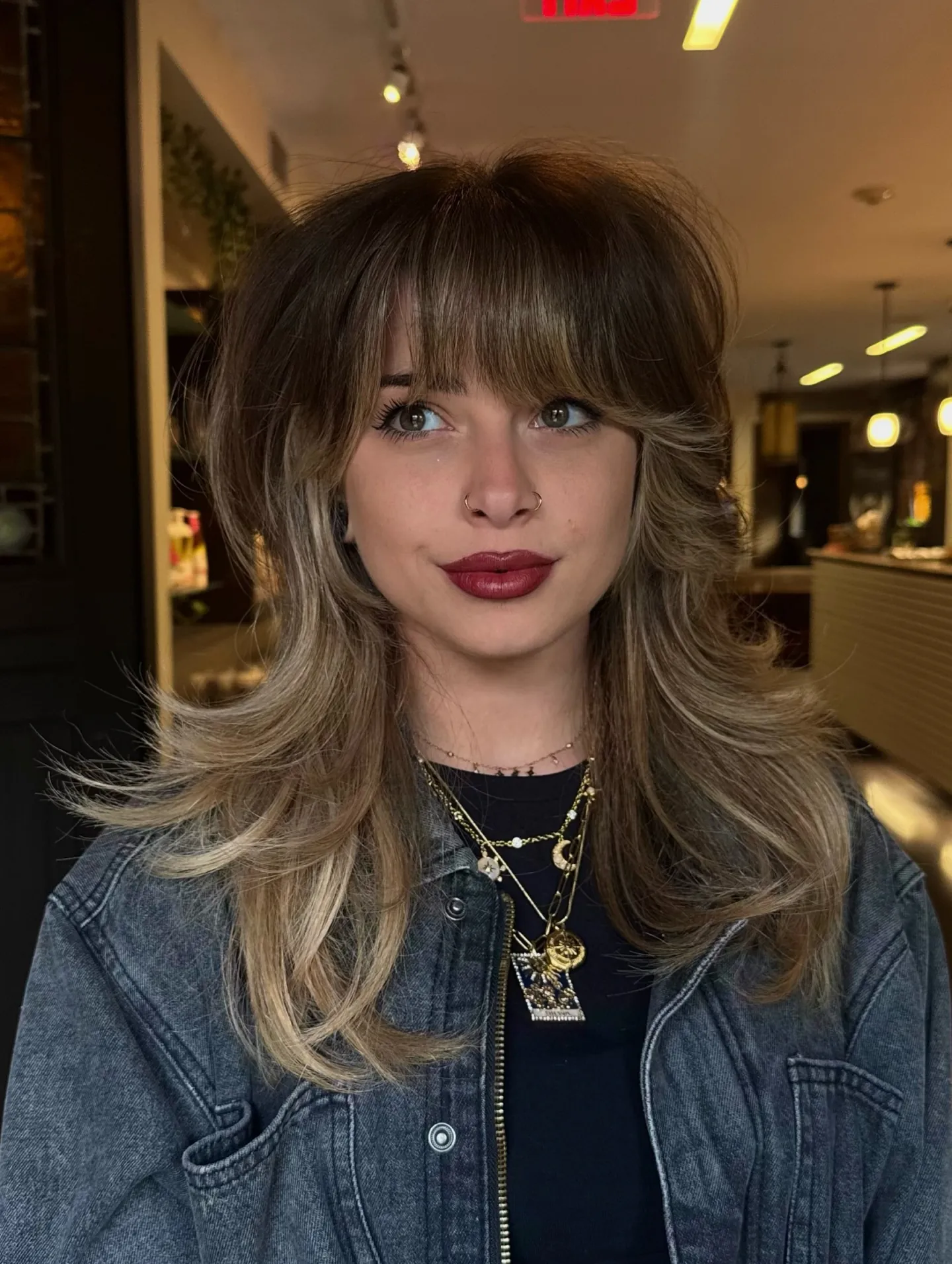
Long razor layers open up around the face and shoulders, creating a lighter outline through otherwise dense hair. The ends look best when they are allowed to move rather than being flat-ironed completely straight.
Good to know: Razor cutting is best avoided on ends that are already fragile or over-processed.
Wavy Razor Shag
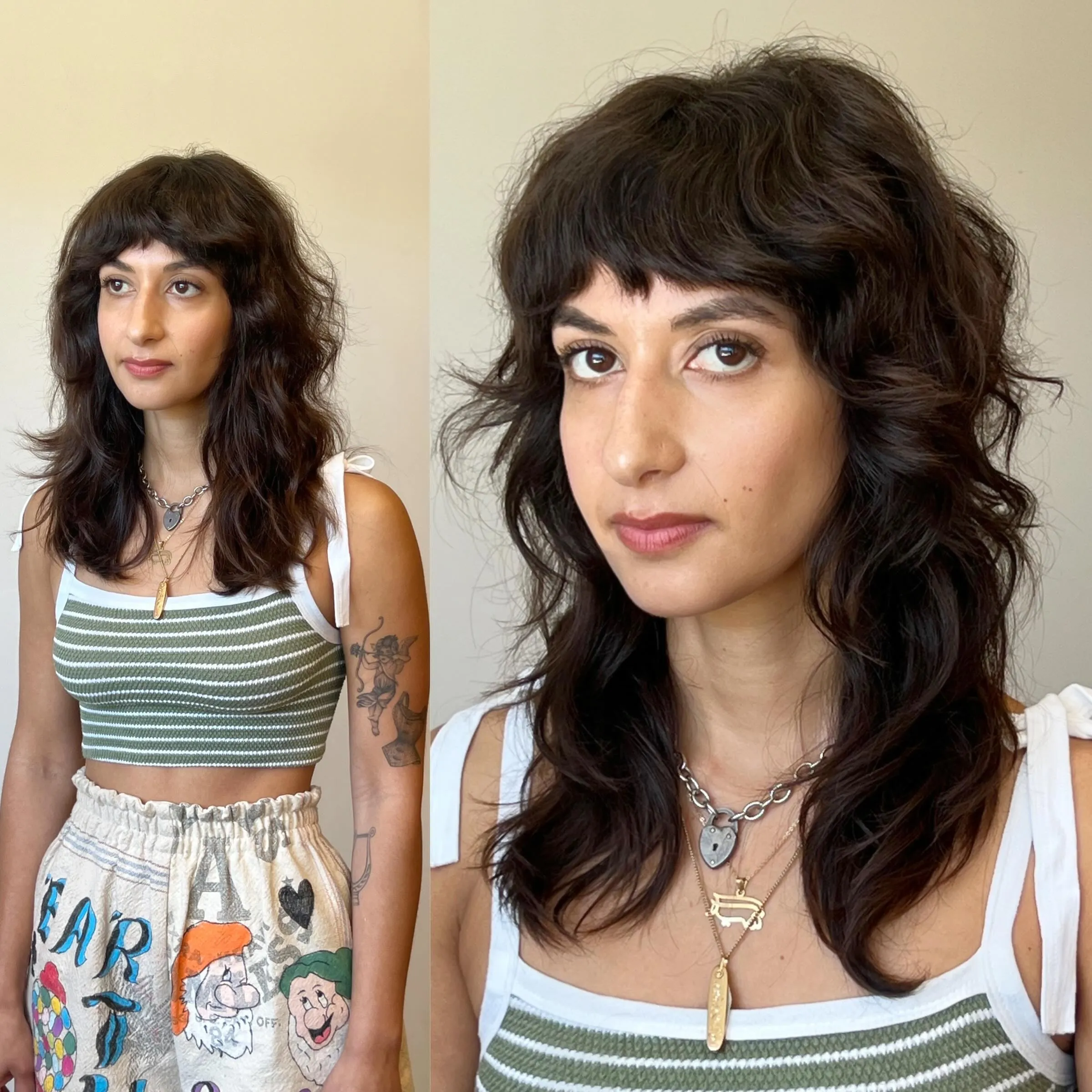
Natural waves separate the razor-cut layers without much effort, which keeps the shag soft and uneven in the right way. Scrunch in a small amount of curl cream and avoid over-brushing once dry.
Curly Razor Layers
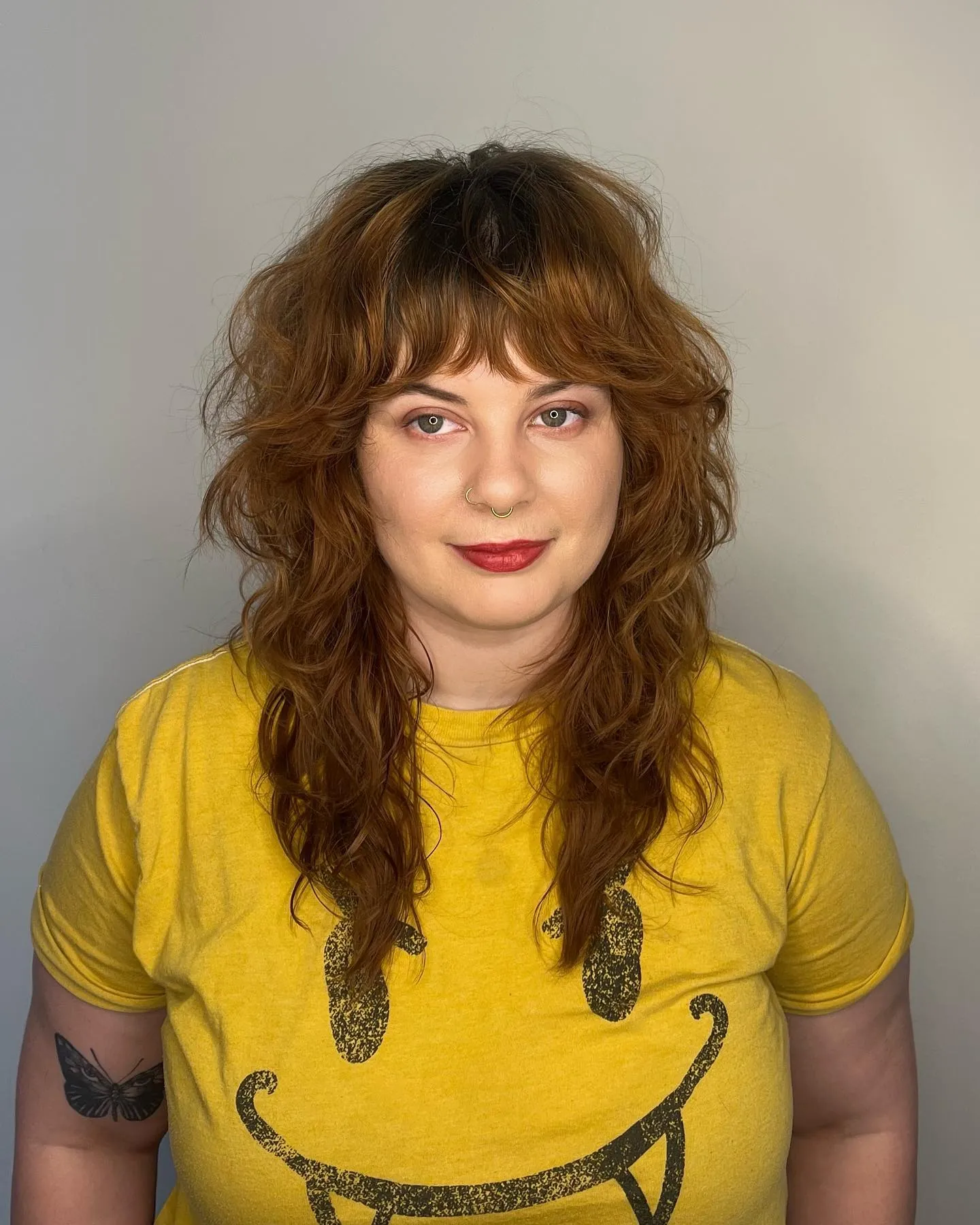
Curl gives the razor layers their own direction, so the shape looks light even with plenty of hair. A stylist should keep enough weight inside the curl pattern so the ends do not turn too thin.
Wispy Long Shag
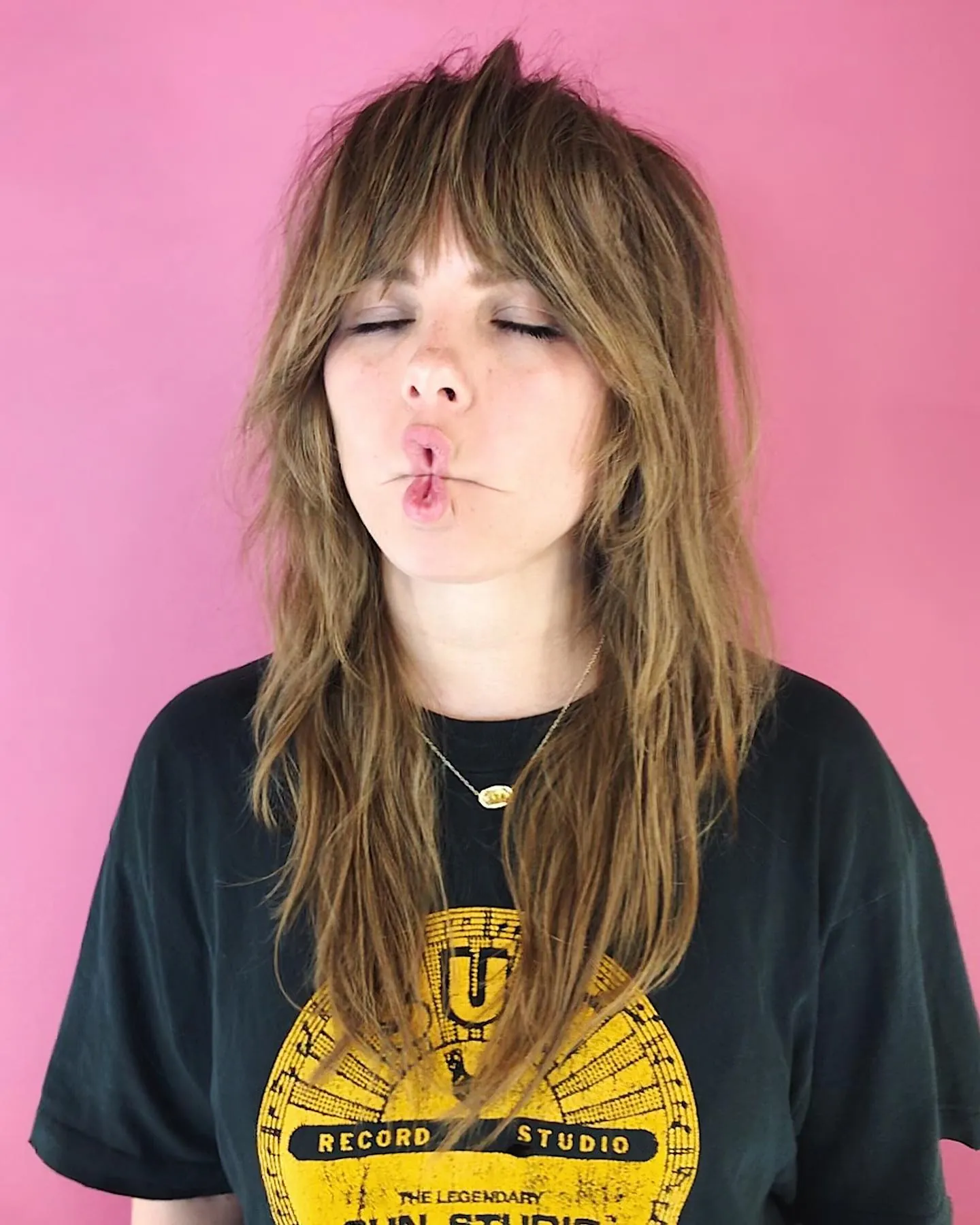
Wispy long layers create a loose, broken perimeter while the fringe and crown pieces stay shorter. This is a good razor-cut option if you like an intentionally undone finish rather than crisp edges.
Short Feathered Layers

Short feathered layers taper away from the face and neck, making the cut feel lighter around the perimeter. The effect is easiest to maintain with simple blow-drying and minimal finishing product.
Piecey Razor Shag
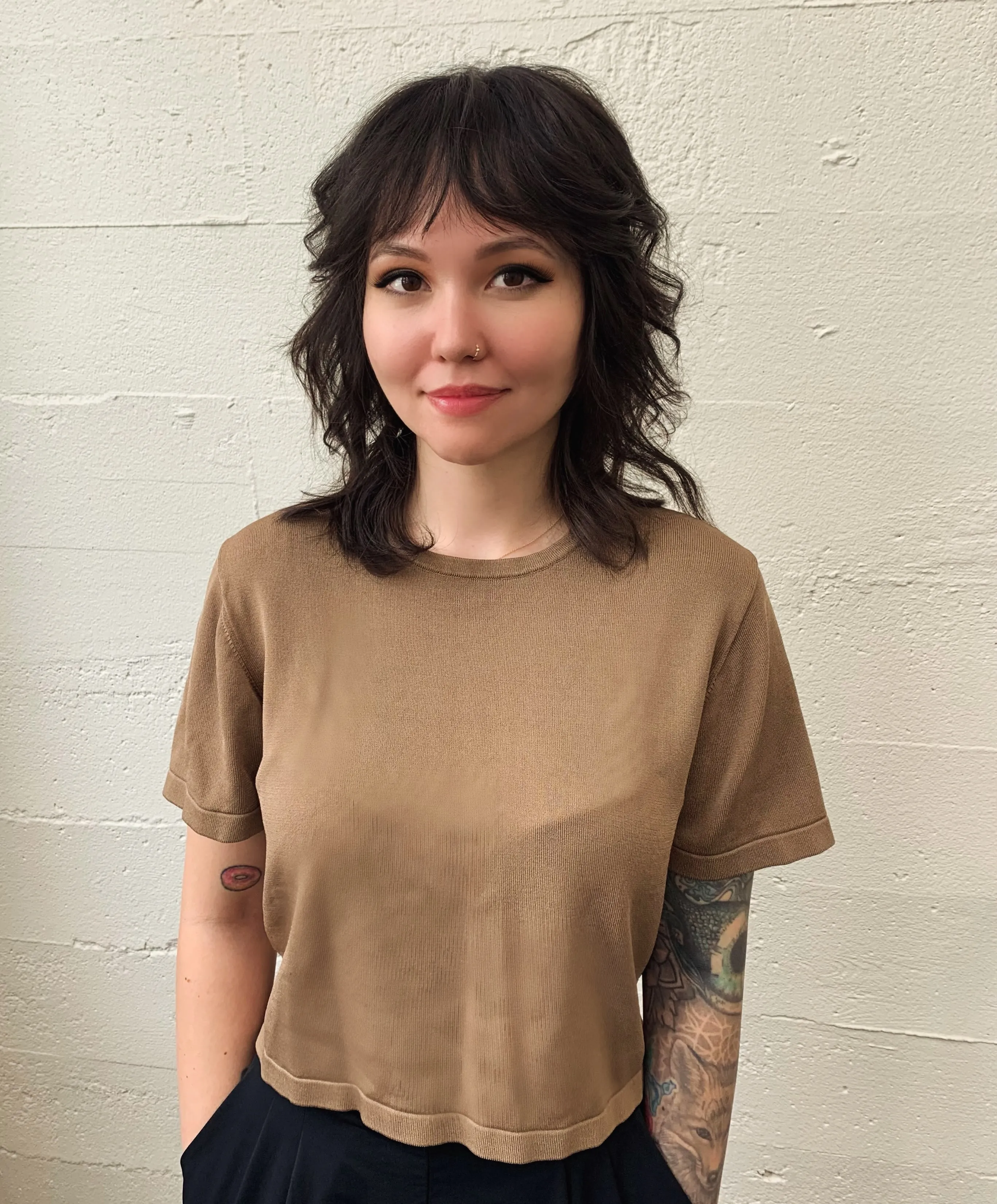
Piecey razor layers sit around the jaw and shoulders, giving the shag clear texture without an overly heavy fringe. Pinch a little styling cream into selected ends instead of coating every section.
For that finish: Work a pea-sized amount of cream into selected ends, not the whole head.
Separated Razor Layers

Separated razor layers keep the center of the cut light and allow the natural wave to show through. The uneven finish is part of the shape, so it does not need to be brushed perfectly smooth.
Soft Razor Shag

The softer razor shag keeps the fringe rounded and the lower layers gently tapered, making it more wearable than a very disconnected cut. A diffuse dry will preserve natural texture.
Long Wispy Razor Cut
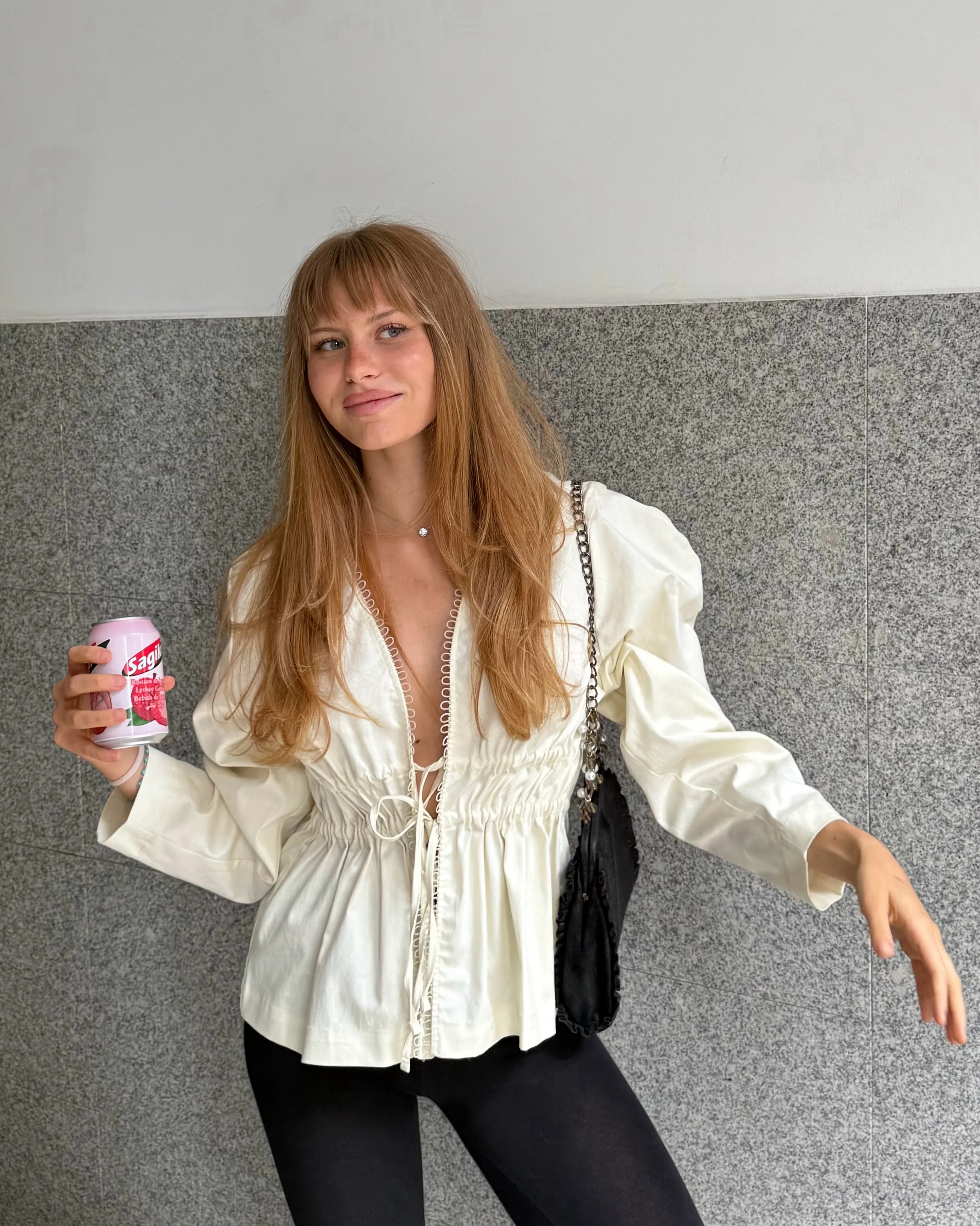
Long wispy ends and shorter face pieces create movement without a thick, blunt perimeter. This shape works best when the hair has enough density to support the finer razor-cut tips.
Choppy Mullet Layers
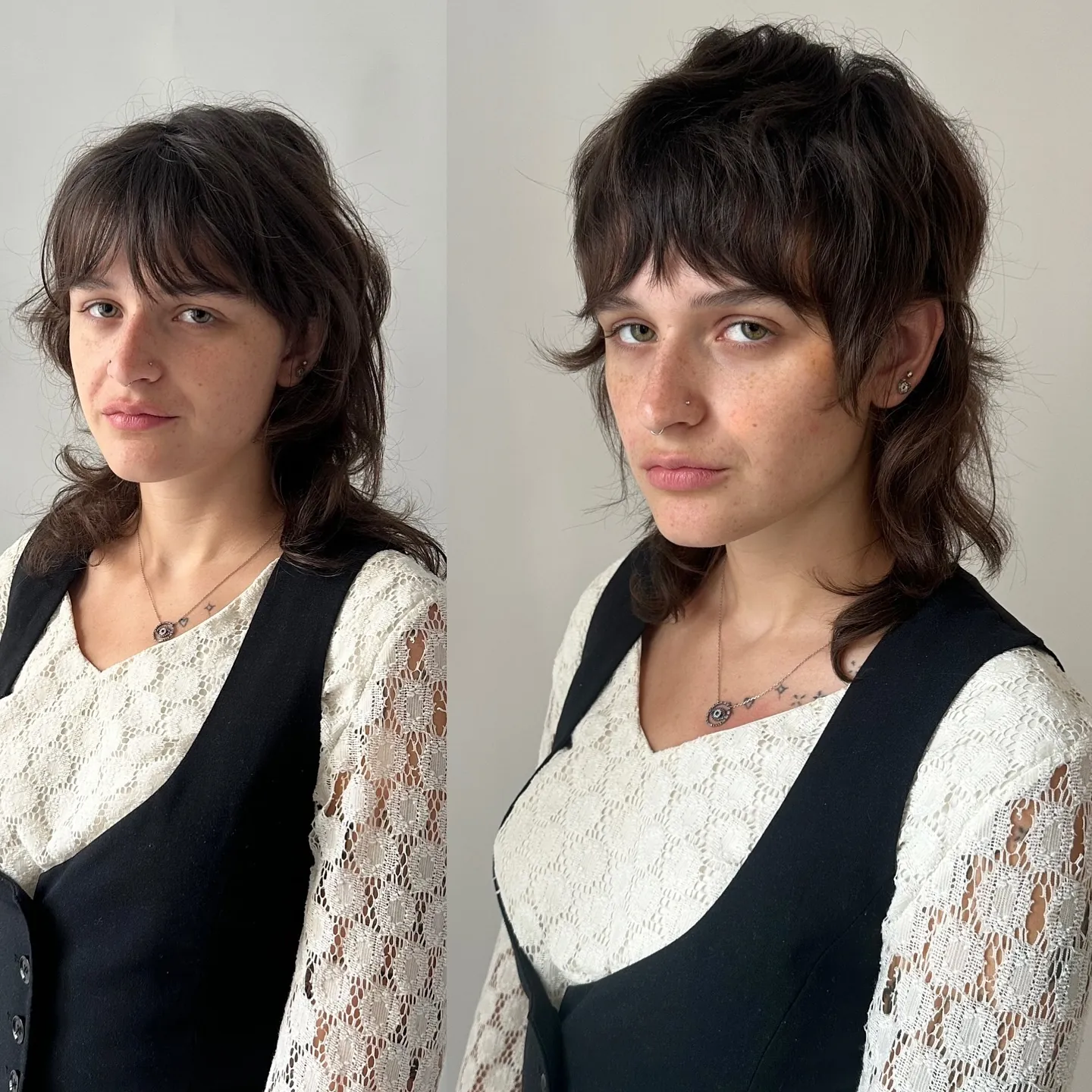
Choppy mullet layers create a clear short-to-long transition while the razor keeps the edges from looking harsh. A bit of root lift at the crown helps the shape read properly from the side.
Red Razor Shag
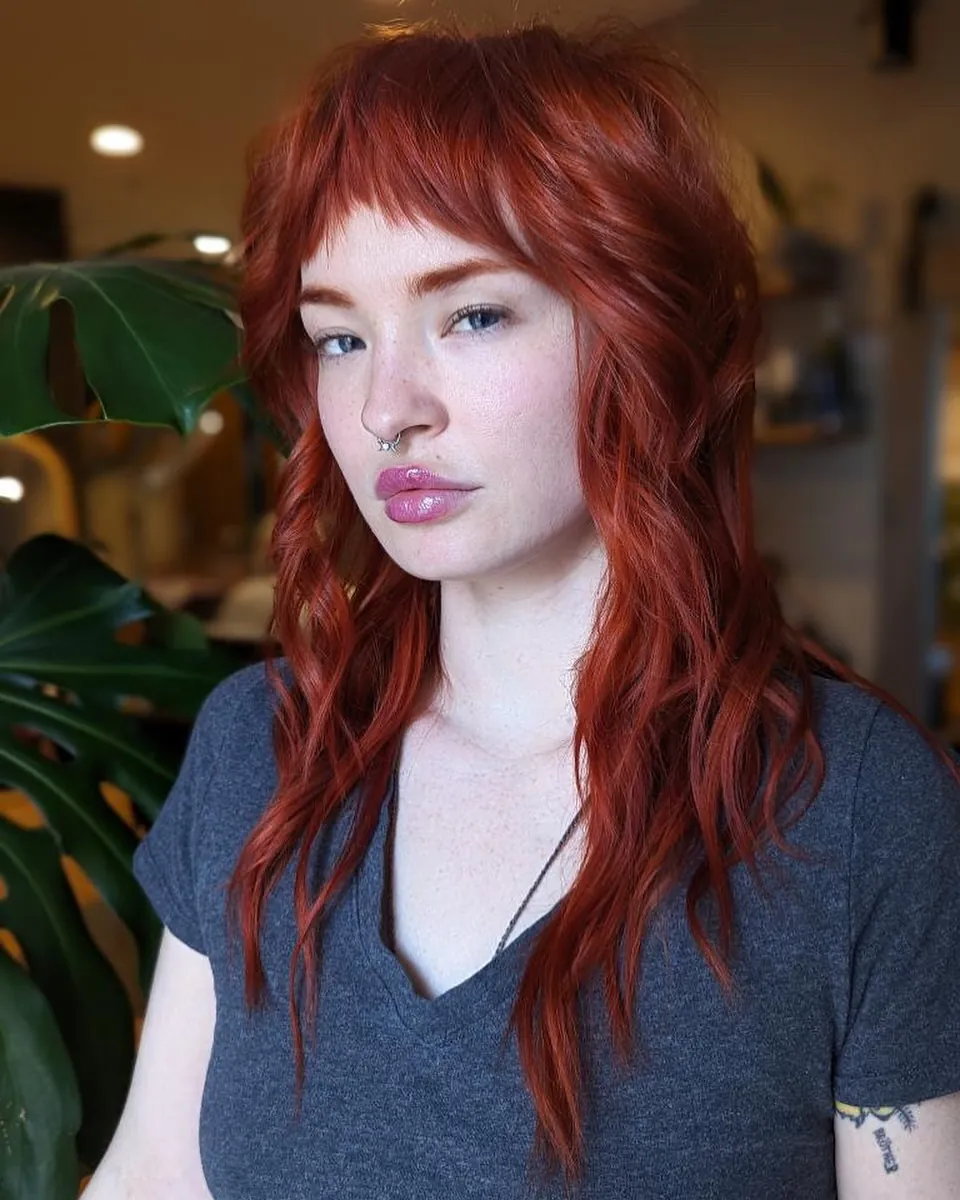
The red razor shag uses a full fringe and long tapered layers to create a soft, flowing outline. Keeping the ends separated makes the color and the haircut both easier to see.
Ask your stylist: Keep enough internal weight so the tapered ends still look healthy.
Short Soft Shag

A short soft shag uses rounded crown layers and wispy ends rather than a severe mullet shape. This is a more subtle way to wear razor texture while still getting movement around the face.
Cropped Razor Layers
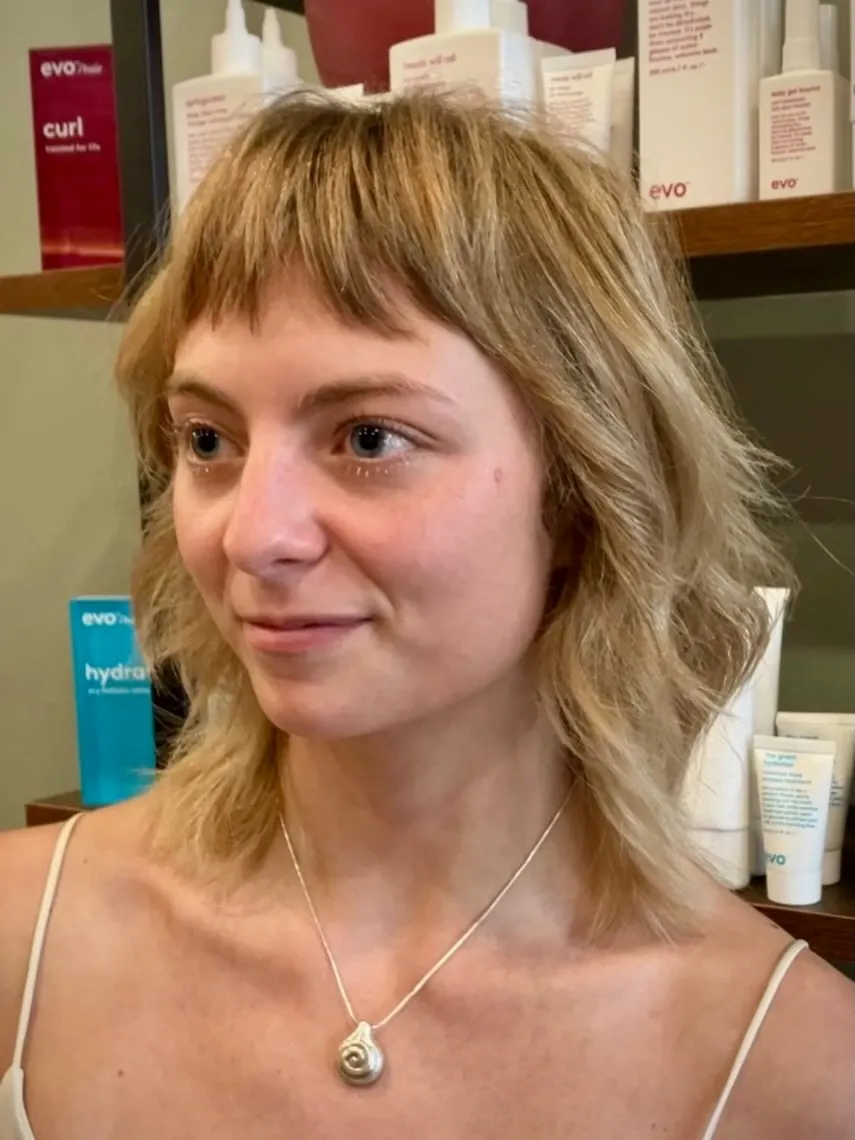
The cropped razor layers sit close to the head but remain feathered at the edges, avoiding a solid bowl-like outline. A tiny amount of paste can keep the short pieces separated.
Long Copper Razor Layers
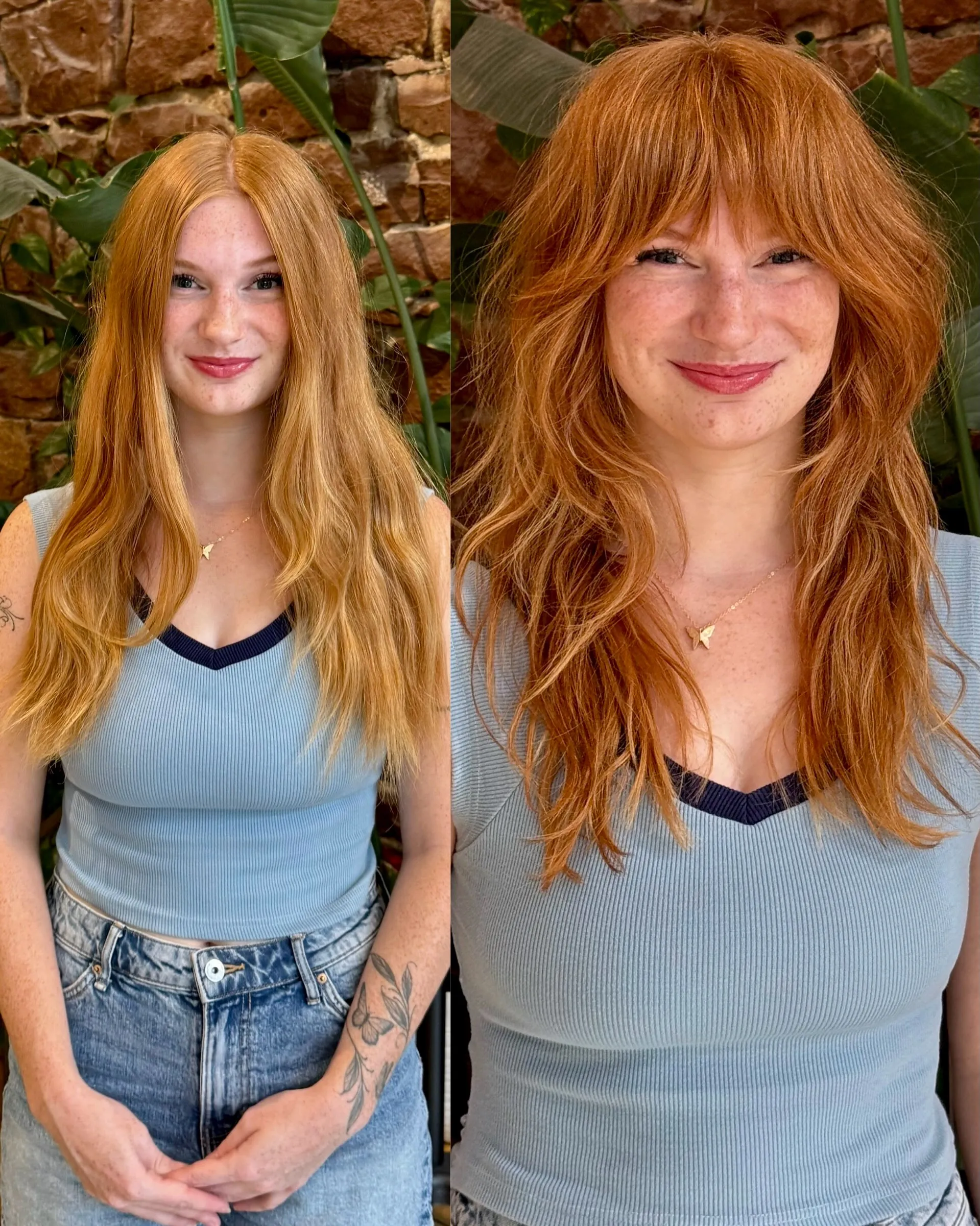
Long copper-toned layers taper into fine ends, which makes the overall shape look lighter despite the length. A gentle wave is enough to show the razor texture without over-styling it.
Wavy Long Razor Cut

Wavy long hair benefits from razor layers because the tapered ends follow the natural bends instead of forming a heavy straight line. Keep the lower lengths hydrated so the fine tips stay soft.
Straight Razor Layers

Straight razor layers show the tapered perimeter clearly, especially around the shoulders and front. A smooth blow-dry is enough to reveal the separation, so there is no need for heavy texturizing product.
Easy to maintain: Let the natural texture show instead of flat-ironing every razor-cut piece.