At 63, a man can look back at a lifetime of hard work, family responsibilities, and personal achievements. He may have a comfortable home, a decent retirement fund, and more freedom than he ever had before.
Yet something changes around this age that few men are fully prepared for. Life starts asking questions that money and success cannot answer.
The body no longer responds the way it once did. Family members are getting older or disappearing, friendships require more effort, and time suddenly feels more precious. Even men who planned carefully for retirement can find themselves facing problems they never expected.
You Have Less Time Left Than You Want to Admit
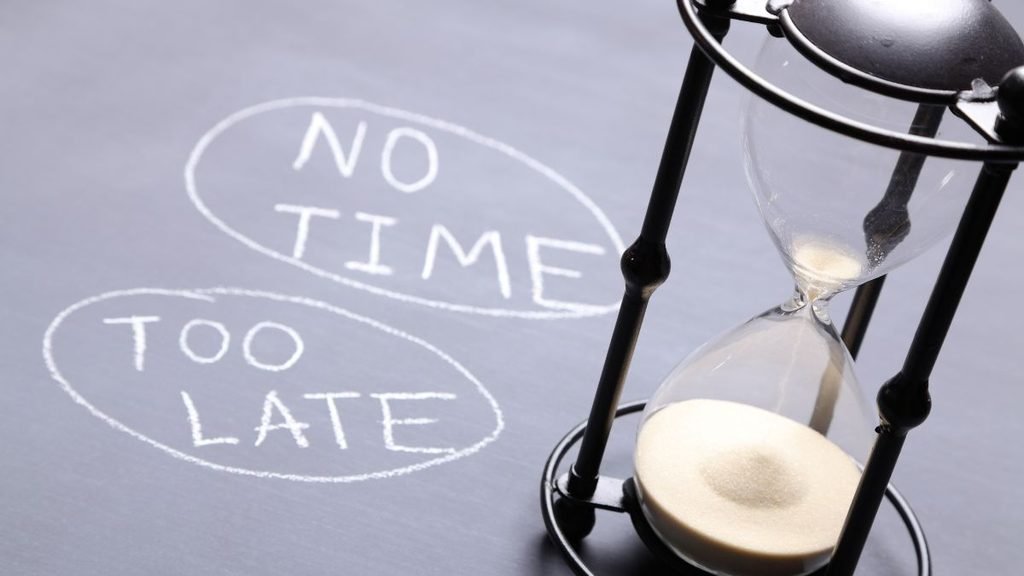
At 43, another 20 years seems like an enormous amount of time. At 63, those same 20 years can feel surprisingly short. Birthdays arrive faster, old friends are getting older, and the idea of reaching 80 no longer seems so far away.
One retired man in his mid 60s described using a life expectancy calculator and discovering that his estimated lifespan was around 85. Suddenly, he was thinking about having roughly two decades left rather than an unlimited future. Of course, such estimates are averages, not predictions of when any individual will die.
The uncomfortable truth is that many men spend their younger years assuming there will always be time later. They postpone holidays, hobbies, family visits, and personal dreams because work or other responsibilities seem more urgent. Then retirement arrives, and they realize that time was the one resource they could never replace.
What matters now: Stop treating the next ten years as guaranteed. Make plans for the future, but give important experiences a place in your life today. You do not need to rush through everything, but you should stop postponing what truly matters.
Your Health Can Change Your Entire Life Without Warning

A man can spend decades feeling physically strong and then discover how quickly a health problem can change his routine. Something as ordinary as knee pain can make walking uncomfortable. A more serious diagnosis may suddenly affect travel, work, and daily independence.
One man approaching retirement described suffering arthritis flare-ups in his knees and feet. He had always enjoyed walking several miles a day, but the pain sometimes made it difficult to put weight on his feet. Activities that once seemed effortless suddenly became major challenges.
At 63, it becomes harder to ignore the connection between health and freedom. Having enough money to travel means little if your body makes every trip painful. A beautiful home may feel less comfortable when stairs, bathrooms, and basic household tasks become difficult.
What matters now: Take new symptoms seriously and keep up with appropriate medical checkups. Protect your strength, balance, and mobility through activities suited to your health. Good habits cannot prevent every illness, but they can help preserve your ability to do the things you enjoy.
Your Energy Becomes Just as Valuable as Your Money

When a man is younger, he may work all day, handle household responsibilities, and still have enough energy for an evening out. By 63, some men discover that their energy has become less predictable. A busy morning may leave them needing a quieter afternoon.
This does not happen to everyone, and constant exhaustion should never be dismissed as normal aging. Still, changes in sleep, recovery, medication, and physical health can influence how much a person feels able to accomplish. Trying to maintain the same pace as 30 years earlier may become frustrating.
The difficult part is accepting that you cannot always do everything you want in one day. Many men have spent their lives measuring success by how much they accomplish. Slowing down can feel like losing part of their identity, even when a different pace would improve their quality of life.
What matters now: Build your schedule around your actual energy rather than your old expectations. Handle demanding activities when you feel strongest, leave time for rest, and seek medical advice for persistent fatigue. A productive day at 63 does not have to resemble a productive day at 33.
Your Family Circle May Be Getting Smaller Every Year

One of the hardest experiences of growing older is watching the family gatherings of your childhood slowly disappear. The grandparents who once hosted Sunday dinners are gone. Parents have passed away, older relatives are becoming frail, and familiar faces are missing from holiday photographs.
A man in his 60s recalled Christmas celebrations with his parents, grandparents, aunt, and uncle. Over the years, nearly everyone from those gatherings passed away. The family traditions remained in his memory, but the people who made them special were no longer there.
At 63, family loss can become a regular part of life rather than an occasional tragedy. Men who grew up in large, lively households may find themselves surrounded by fewer relatives than they expected. Even those with children and grandchildren can miss the family relationships that shaped their earlier years.
What matters now: Spend time with the relatives who are still here. Make the phone call, organize the visit, and take the family photographs. You cannot stop people from growing older, but you can make sure your relationships receive attention while you still have the opportunity.
A Long Marriage Still Needs Attention and Effort
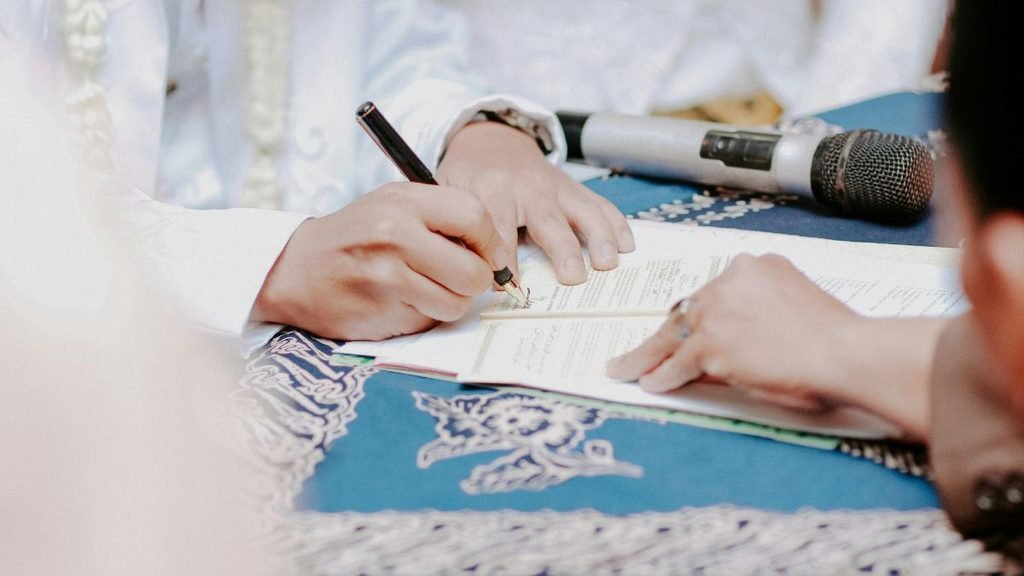
After 30 or 40 years together, it is easy to assume that a marriage will continue without much attention. You know each other’s habits, routines, and preferences. Yet retirement can change the relationship in ways neither partner expected.
A man who once spent most of his day working may suddenly be home all the time. His wife may have developed her own schedule, friendships, and interests during those years. Finding a comfortable balance between time together and personal space can take more effort than either person anticipated.
At 63, another uncomfortable reality becomes clear. The number of healthy years you and your partner may share is uncertain. The holidays you keep postponing and the experiences you promise to enjoy someday may not always remain possible.
What matters now: Treat your relationship as something worth maintaining, not something that can run on habit alone. Plan enjoyable experiences together, listen to each other’s needs, and make room for separate interests. A strong marriage is often built through small daily choices rather than grand gestures.
Friendships Become Harder to Maintain After 60
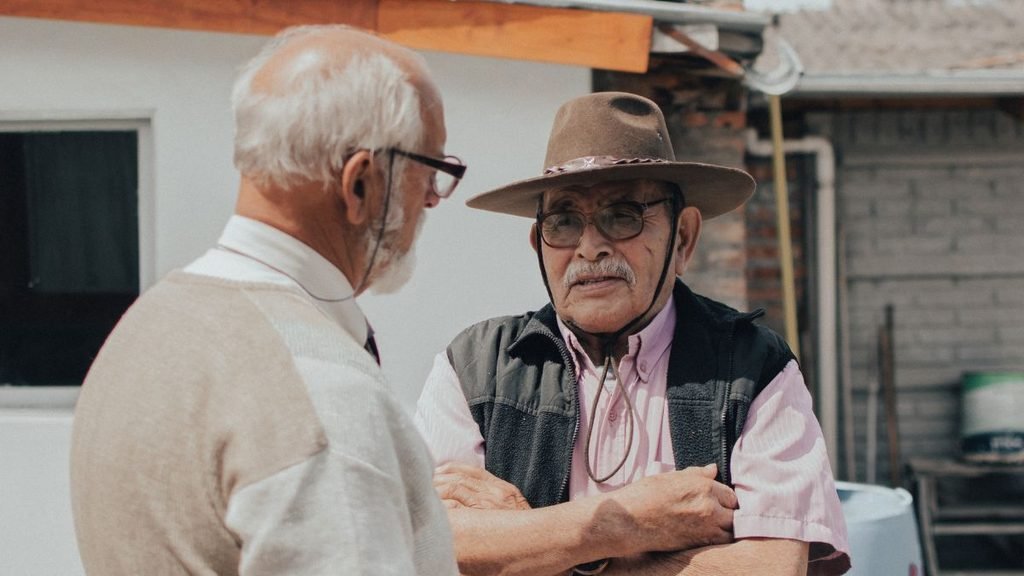
During your working years, friendships often develop naturally. You see colleagues every day, meet people through children, and attend social events without making much effort. Retirement can remove many of those regular opportunities for conversation.
A man who once had dozens of people around him may discover that his phone rarely rings once he leaves work. Former colleagues remain busy, old friends move away, and some relationships fade because nobody takes the first step. This can feel especially difficult for men whose social lives revolved around their careers.
The harsh reality is that having many acquaintances is different from having someone you can depend on. A retirement filled with free time can still feel lonely when there is nobody to share a meal with or call after a difficult day. Living with family does not automatically remove that feeling.
What matters now: Make friendship an active part of your weekly routine. Contact old friends, join local activities, and build connections around interests you genuinely enjoy. A few dependable relationships can provide more comfort than a large contact list filled with people you rarely speak to.
Retirement Freedom Can Feel Empty Without a Purpose

For decades, work gives men a reason to get out of bed. There are tasks to finish, deadlines to meet, problems to solve, and people who depend on them. Retirement removes much of that structure almost overnight.
At first, having no alarm clock and no work responsibilities can feel wonderful. You can sleep later, watch television, travel, or spend entire afternoons doing whatever you want. But after the excitement wears off, some men begin asking what they are supposed to do with all their free time.
The uncomfortable truth is that freedom and fulfillment are not the same thing. A man can have enough money to stop working and still feel dissatisfied because he no longer has a clear role. Without meaningful activities, even a comfortable retirement can become repetitive.
What matters now: Find something that gives your week direction. Gardening, mentoring, volunteering, helping family, learning a skill, or working part time can provide a sense of purpose. You do not need another demanding career, but having something worth getting up for can make retirement feel much more satisfying.
Having Enough Money Does Not Guarantee Peace of Mind

Many men spend their entire working lives believing that retirement savings will solve their biggest problems. They focus on pension income, investments, property values, and reaching a particular financial target. At 63, some discover that money is important but cannot provide everything they expected.
A comfortable retirement fund cannot guarantee good health, prevent loneliness, or bring back family members who have died. It also cannot guarantee freedom from worry. A man with substantial savings may still feel anxious about medical expenses, inflation, family responsibilities, or the possibility of living longer than expected.
On the other hand, a retiree with modest savings may enjoy a satisfying life when his expenses are manageable and his relationships are strong. Financial security matters because it provides choices and reduces everyday pressure. But the size of a bank account does not determine whether life feels worthwhile.
What matters now: Build a retirement budget that covers essential expenses, unexpected costs, and enjoyable activities. Review your spending and avoid taking financial risks you do not need. Once your basic needs are reasonably secure, remember that relationships, health, and meaningful experiences also deserve your attention.
Your Independence Can Begin Slipping Away in Small Ways

At 63, most men still make their own decisions and manage their daily responsibilities. They drive, shop, cook, travel, and take care of their homes without thinking much about it. That is why the possibility of losing some of these abilities can feel so uncomfortable.
Independence often changes gradually rather than disappearing overnight. A man may stop climbing ladders because his balance feels less reliable. He might avoid long drives after dark or find that household repairs require more effort than they once did.
These adjustments do not automatically mean that someone is becoming helpless. Yet many men resist asking for assistance because they believe independence means doing everything themselves. That attitude can make daily life harder and sometimes less safe than it needs to be.
What matters now: Focus on protecting your ability to make choices rather than proving you never need help. Use practical tools, improve home safety, and consider transportation or household assistance when appropriate. Accepting some support can help you remain independent for longer.
The Things You Worked Hard to Own Can Become a Burden
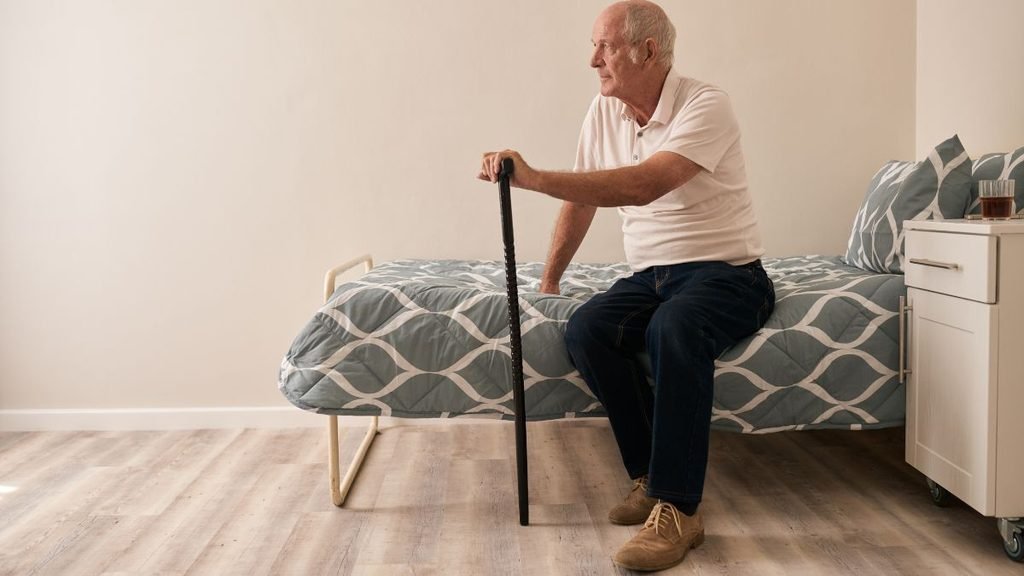
During his younger years, a man may take pride in collecting possessions. A bigger house, expensive furniture, tools, vehicles, and other belongings can represent years of hard work. But by 63, maintaining everything may feel less rewarding than it once did.
One retired man described moving into a smaller home around age 60 and getting rid of approximately three quarters of his possessions. Instead of feeling that he had lost something important, he found the experience freeing. With fewer belongings, there was less to clean, organize, repair, and worry about.
Another reality becomes harder to ignore as you grow older. Eventually, someone may have to sort through everything you leave behind. Children or other relatives could face the emotional and physical task of clearing a lifetime of possessions, many of which may have little meaning to them.
What matters now: Keep the things that serve a purpose or carry genuine sentimental value. Consider selling, donating, or giving away items you no longer use. You do not need to live with almost nothing, but a simpler home can reduce responsibilities and leave more room for the life you want.
Living in the Past Can Make Your Remaining Years Miserable

Many men in their 60s look back fondly on earlier decades. They remember the music, friendships, family traditions, and experiences that shaped their lives. There is nothing wrong with enjoying those memories, but trouble begins when the past becomes the only place where they believe happiness exists.
It is easy to complain that everything was better 30 or 40 years ago. Technology has changed, social habits are different, and younger generations often see life in ways that feel unfamiliar. A man who refuses to adapt may gradually become disconnected from the people and activities around him.
The harsh reality is that the past cannot be brought back, no matter how often you talk about it. Spending every day comparing the present with a happier memory can make ordinary pleasures harder to appreciate. Nostalgia may provide comfort, but constant resentment rarely makes life better.
What matters now: Stay curious about the present. Learn new skills, try unfamiliar activities, and make an effort to connect with younger people. You can appreciate the life you lived without deciding that your best experiences must always remain behind you.
Your Legacy Will Be Measured by More Than What You Leave Behind
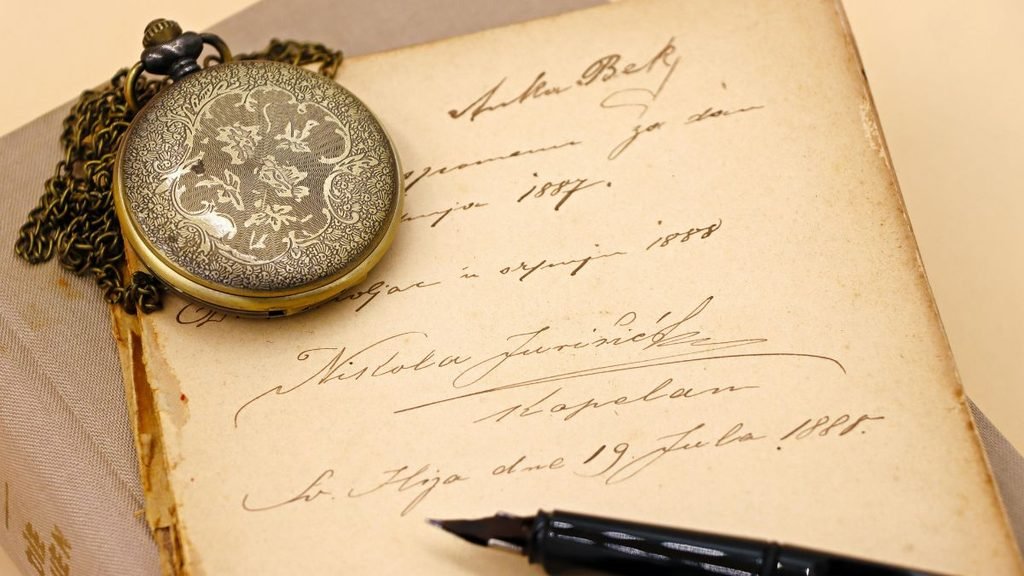
By 63, many men have spent decades building something. They may have raised children, developed careers, purchased homes, and accumulated savings. Those achievements deserve recognition, but later life often changes how success is measured.
The people closest to you may appreciate financial support or an inheritance, but they may also remember your time, attention, kindness, and reliability. A son may remember the afternoons his father spent talking with him. A granddaughter may remember being taught something useful or simply having someone who listened.
The uncomfortable truth is that success does not automatically create meaningful relationships. A man can work hard to provide everything for his family while missing many opportunities to be present. Later in life, he may realize that some of the moments he considered unimportant were actually the ones that mattered most.
What matters now: Think about how you want people to remember their time with you. Share family stories, pass on useful knowledge, and spend time with those you care about. Organize important documents and wishes so loved ones are not left guessing. A meaningful legacy is built through both responsible planning and the way you treat people today.
What Should a 63-Year-Old Man Focus On Now?
Knowing these realities is useful, but the bigger question is what you should do about them. Nobody can control how long they will live, prevent every health problem, or guarantee that relationships will remain unchanged. What you can do is make thoughtful decisions about the areas still within your control.
The following table offers a simple way to turn some of these concerns into practical action.
| Area of Life | What to Focus On Now |
|---|---|
| Health | Keep up with medical care and protect your daily mobility |
| Time | Schedule meaningful experiences instead of endlessly postponing them |
| Family | Make regular contact and spend time together |
| Marriage | Protect shared time and communicate openly |
| Friendships | Maintain existing connections and develop new ones |
| Money | Review retirement expenses and prepare for unexpected costs |
| Independence | Make your home safer and accept useful support |
| Purpose | Build a weekly routine around meaningful activities |
| Possessions | Reduce unnecessary clutter and organize important belongings |
| Mindset | Stay curious and make plans that give you something to look forward to |
You do not need to change your entire life in a month. Start with one problem that has been bothering you and identify a realistic action you can take. Small improvements to your health, routines, relationships, or financial security can make everyday life more manageable.
The most important step is recognizing that your remaining years deserve deliberate attention. It is possible to grow older while continuing to build friendships, learn new things, enjoy family life, and experience personal growth.