
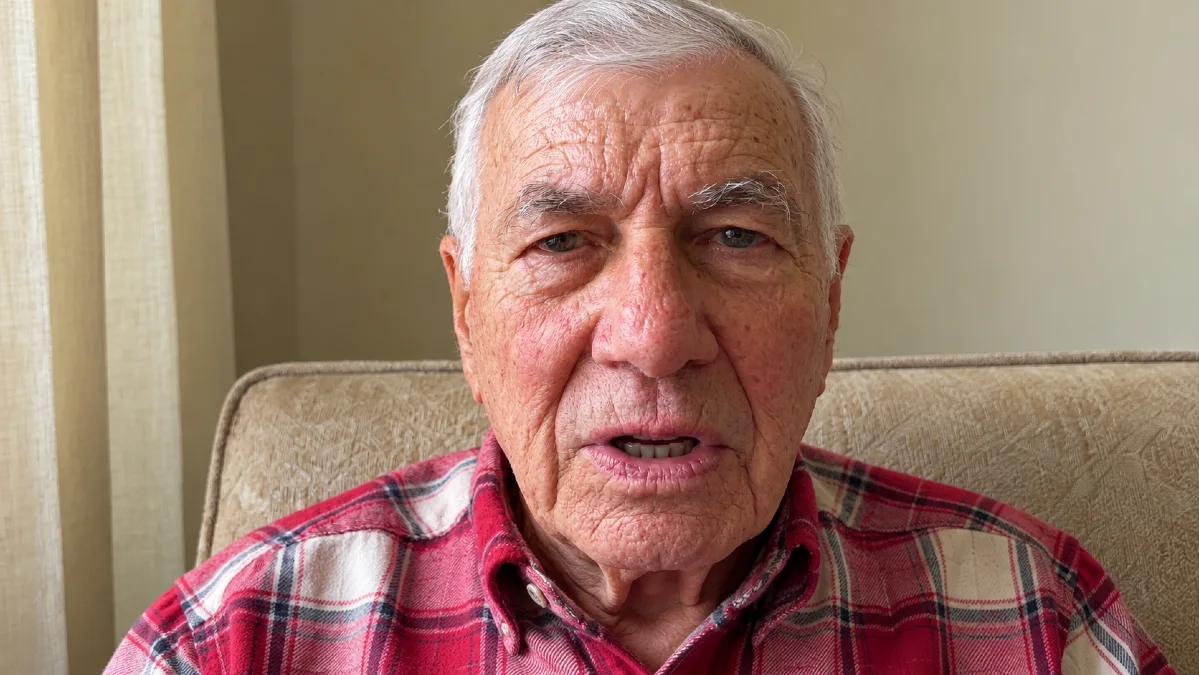
At 78, Harry has learned that finding someone to love and finding someone who makes life better are not always the same thing. Friends tell him he should get a girlfriend, enjoy romantic dinners, and find someone to share his remaining years with.
But after decades of working, raising a family, making sacrifices, and adjusting his life around other people, Harry has started asking a different question. Would a new relationship make his life happier, or would it slowly take away the peace he has worked so hard to find?
Harry doesn’t believe romance has an expiration date. He knows people can fall deeply in love at 70, 80, or even 90, and he understands why companionship matters.
1. Being Alone Doesn’t Automatically Mean Something Is Missing
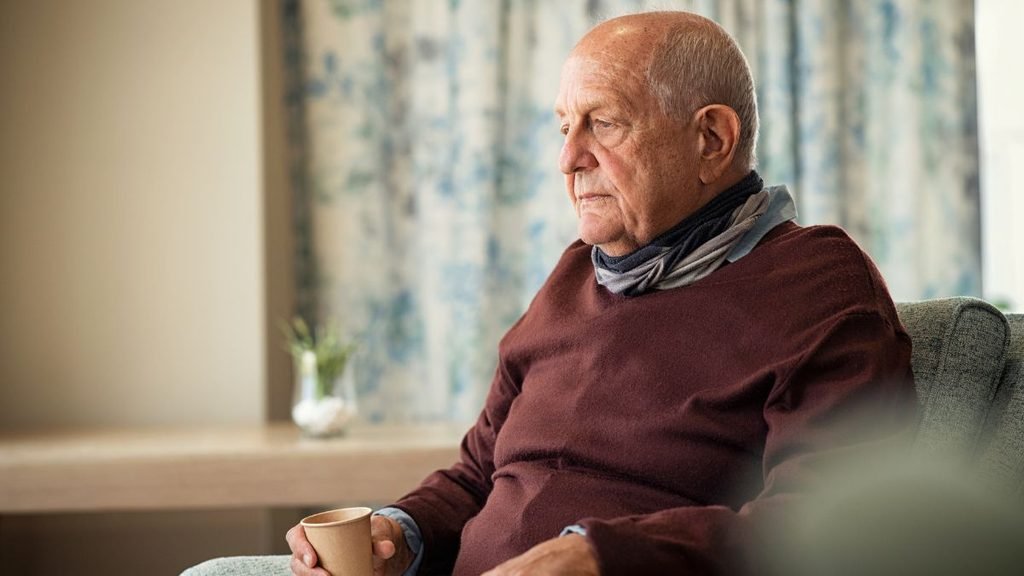
Harry often notices how uncomfortable other people become when they learn an older man lives alone. They ask whether he gets lonely, whether someone cooks for him, and whether he has considered finding a nice woman to keep him company.
Their questions come from concern, but Harry doesn’t believe living alone is a problem that always needs fixing. Some of his most peaceful moments happen when nobody else is in the house.
He enjoys choosing what to eat, watching his favorite television programs, and spending an entire afternoon reading without checking anyone else’s schedule. These ordinary freedoms might seem small to someone younger, but they have become important parts of his retirement.
Harry also knows that loneliness and solitude are different experiences. A man can feel painfully lonely while sitting beside someone who no longer listens to him, just as he can feel content spending a quiet Sunday by himself.
The truth Harry would share: A girlfriend should be someone he genuinely wants in his life, not someone he finds because other people think being single at 78 is unfortunate.
2. A Girlfriend Shouldn’t Become His Personal Caregiver

One of Harry’s biggest concerns about dating later in life is the way romance can quietly turn into unpaid care work. He has seen older couples where one person gradually becomes responsible for every appointment, prescription, meal, and household problem.
At first, the arrangement may feel affectionate. One partner starts helping with groceries, preparing meals, or remembering medical appointments because doing something kind for a loved one feels natural.
But Harry understands how quickly occasional help can become a daily expectation. When one person’s needs always come first, the relationship can begin feeling more like a job than a partnership.
He doesn’t expect to reach 90 without needing assistance, and he wouldn’t abandon someone simply because their health changed. However, he believes two people should discuss health, care needs, and personal limits before making serious commitments.
Harry also thinks men his age need to examine their own expectations. A girlfriend is not automatically responsible for cooking, cleaning, organizing medications, or replacing professional help.
His rule is simple: Care should come from mutual love and choice, not from assuming a romantic partner owes someone a lifetime of service.
3. The Peace of Having His Own Home Is Worth Protecting

Harry spent much of his younger life adjusting his routines to fit work schedules, family responsibilities, and other people’s preferences. Now his home operates according to the simple rules he has chosen for himself.
He can leave a book on the coffee table, eat dinner at seven, or keep the living room as warm as he likes. Nobody complains about the television volume or asks why he has been sitting in the same chair for three hours.
A new relationship might introduce wonderful companionship, but it could also bring another person’s habits into that peaceful setting. Different sleeping schedules, food preferences, cleaning standards, and ideas about spending money can create unexpected tension.
Harry doesn’t believe compromise is wrong. He simply thinks people should recognize how much they are agreeing to change before inviting someone to share their home.
| Everyday Freedom | What Harry Enjoys Now | What a Shared Home May Require |
|---|---|---|
| Daily schedule | Waking and sleeping when he wants | Adjusting to another routine |
| Meals | Choosing what and when to eat | Planning around shared preferences |
| Home comfort | Controlling temperature and noise | Agreeing on household settings |
| Personal space | Enjoying uninterrupted quiet | Making room for another person’s needs |
| Spending | Making ordinary purchases independently | Discussing shared expenses |
These compromises aren’t necessarily bad, and many couples enjoy building routines together. Harry simply believes giving up personal freedom should be a thoughtful decision rather than an automatic part of dating.
4. Companionship Isn’t Worth Losing His Own Voice

Harry has noticed that relationships don’t usually become uncomfortable overnight. More often, small changes begin accumulating until one person barely recognizes the life they once enjoyed.
Perhaps he stops visiting a particular friend because his girlfriend doesn’t like that person. Maybe he gives up a favorite hobby because she wants every weekend reserved for activities they can do together.
At first, Harry might tell himself these changes are harmless. After all, relationships require flexibility, and making another person happy can be rewarding.
But there is a difference between a healthy compromise and repeatedly surrendering what matters to him. If Harry starts feeling guilty for expressing preferences, seeing friends, or spending time alone, he knows something needs attention.
He has reached an age where pretending to agree with everything feels exhausting. He wants a relationship in which two adults can disagree without turning every difference into an argument.
Harry believes genuine affection should make it easier to be himself, not require him to become a quieter version of himself.
5. Financial Independence Matters More Than Romantic Promises

Money can make relationships complicated at any age, but Harry knows the stakes can feel higher at 78. His retirement savings and monthly income may need to support him for many more years, including periods when health or living costs increase.
A new girlfriend might have a comfortable pension and savings of her own. She might also have debts, family obligations, medical expenses, or financial difficulties that Harry doesn’t immediately see.
None of these circumstances automatically makes someone unsuitable for a relationship. Still, Harry believes affection should not prevent two people from discussing money clearly.
He would be careful about lending large amounts, adding someone to a bank account, guaranteeing debts, or changing beneficiaries simply because a relationship feels promising. Financial decisions made during the excitement of new romance can have consequences long after that excitement fades.
Harry also recognizes that financial pressure can come from both directions. He should never expect a girlfriend to fund his retirement, and he shouldn’t feel obligated to become her financial safety net.
| Financial Question | Harry’s Preferred Approach |
|---|---|
| Who pays for dates? | Discuss what feels comfortable and fair |
| Should they combine bank accounts? | Keep finances separate unless there is a carefully considered reason |
| What happens if one needs financial help? | Discuss limits before making promises |
| Should they buy property together? | Get independent legal and financial advice first |
| What about inheritance? | Review existing estate plans and family obligations |
| What if marriage becomes an option? | Consider benefits, pensions, taxes, and legal consequences |
Harry doesn’t want to measure romance in dollars. He wants to make sure a relationship built on affection doesn’t eventually leave either person financially insecure.
6. Dating Someone Doesn’t Mean They Have to Live Together

When Harry was younger, serious relationships often followed a familiar pattern. Two people dated, committed to each other, married or moved in together, and began organizing their lives around one household.
At 78, he questions whether that arrangement is always necessary. Two people can care deeply about each other without sharing a bedroom, bathroom, kitchen, or mailing address.
Harry likes the idea of enjoying dinner with a girlfriend, spending an afternoon together, and returning to his own familiar home afterward. Having separate spaces could give both people companionship without sacrificing the routines they value.
Of course, this arrangement has practical limits. Transportation, health changes, distance, and housing expenses can make maintaining two homes harder for some couples.
Still, Harry believes older adults deserve more choices than either remaining completely single or combining every part of their lives.
A relationship can be serious without becoming a shared household. What matters is whether both partners understand and genuinely agree with the arrangement.
7. Missing His Past Doesn’t Mean He Needs to Replace It

Harry knows that later life can bring powerful memories of earlier relationships. A familiar song, an old photograph, or an empty chair at the dinner table can remind someone of the affection they once experienced.
These feelings can become especially strong after divorce, widowhood, or years spent living alone. The temptation to recreate an earlier life may make a new relationship seem like the answer.
But Harry understands that a new girlfriend cannot become an exact replacement for someone from his past. She will have different habits, opinions, interests, and experiences.
Comparing her constantly with a former partner would be unfair to both of them. It might also keep Harry from recognizing qualities that could make a completely different relationship worthwhile.
He believes remembering old love and welcoming new affection are not opposites. A person can treasure earlier memories while allowing a new relationship to develop on its own terms.
The important question is whether Harry genuinely appreciates the woman standing in front of him. If he is mainly searching for someone to recreate what he lost, he may need more time before entering a serious relationship.
8. His Daily Routine May Be More Valuable Than He Realizes

Retirement has given Harry something he didn’t always have during his working years: control over an ordinary Tuesday. He can decide when to get up, how to spend the afternoon, and which activities deserve a place on his calendar.
His days may include a morning walk, reading the newspaper, visiting friends, tending a small garden, or enjoying a favorite television program. None of these activities looks especially impressive, but together they give his week structure.
A girlfriend could bring new interests and enjoyable experiences into that routine. She might introduce him to a restaurant, encourage him to attend a concert, or suggest a weekend outing he would never have planned alone.
The problem begins when spending time together turns into an expectation that every free hour must be shared. Harry doesn’t want ordinary time apart to be treated as proof that his feelings are fading.
He believes healthy companionship should leave room for individual interests. Two people can enjoy each other’s company while continuing to maintain meaningful lives outside the relationship.
At 78, Harry has no desire to turn retirement into another full schedule filled with obligations. He wants companionship that makes his days richer, not a relationship that makes him feel constantly behind.
9. Dating After 78 Requires Honest Conversations About Health

Harry knows physical health becomes a bigger part of everyday planning as people grow older. Mobility problems, chronic conditions, hearing changes, and medical appointments can affect how couples spend time together.
He doesn’t see illness or disability as reasons someone cannot be a loving partner. Many older adults maintain rewarding relationships while managing significant health challenges.
However, Harry believes avoiding difficult conversations can create problems later. If one person expects extensive daily care while the other can offer only occasional help, neither benefits from pretending the difference doesn’t exist.
Before making major commitments, Harry would want to discuss practical matters openly. Could they manage their own daily needs, and what outside help might become necessary if their health changed?
He would also want to know whether each person has support beyond the relationship. Adult children, friends, community services, and professional caregivers can all matter when medical needs become more demanding.
Harry’s lesson is that love and caregiving are connected, but they are not identical. A caring relationship should recognize both the desire to help and the physical limits of the people involved.
10. A Girlfriend Should Add Connection, Not Replace Every Other Relationship

One risk Harry sees in late life is expecting a romantic partner to provide every form of companionship. A girlfriend may gradually become someone’s only close friend, emotional support, social activity, and reason to leave home.
That kind of dependence can place enormous pressure on a relationship. It can also make the loss of that relationship especially difficult.
Harry believes maintaining friendships is just as important after finding romance as it was before. His connections with neighbors, relatives, old coworkers, and community members still deserve time and attention.
A woman entering his life should be able to maintain her own friendships and interests as well. Harry would feel uncomfortable if she expected him to abandon everyone else, and he wouldn’t want to make the same demand of her.
The strongest relationship, in his view, involves two people who have meaningful lives and choose to share parts of them. Their partnership becomes an addition to an existing support system rather than the entire support system.
Harry doesn’t expect a girlfriend to solve every lonely afternoon or difficult emotion. He wants to keep building a life that remains meaningful even when they spend time apart.
11. Starting Slowly Can Prevent Expensive and Painful Mistakes

Harry understands that affection can feel exciting at 78, particularly after a long period without romance. Someone who remembers his favorite meal, calls to ask about his day, or listens with genuine interest can quickly become important.
But Harry doesn’t think strong feelings are a reason to rush major decisions. A few enjoyable dates cannot reveal how someone handles disappointment, financial pressure, disagreement, or everyday responsibility.
He would rather get to know a woman gradually through ordinary experiences. Conversations, casual outings, time with friends, and small disagreements can reveal more about compatibility than romantic promises alone.
Online dating requires additional care, especially when someone asks for money, refuses reasonable opportunities to verify their identity, or pressures a relationship to become serious immediately. Harry knows that affection and loneliness can sometimes make warning signs easier to overlook.
He doesn’t believe every new person should be treated with suspicion. He simply thinks trust should develop through consistent behavior rather than urgent promises.
The Questions Harry Would Ask Before Getting Serious
| What Harry Would Consider | Why It Matters |
|---|---|
| Does she respect his personal time? | Independence should remain possible |
| Can they disagree calmly? | Everyday differences are unavoidable |
| Are money expectations clear? | Hidden obligations can create conflict |
| Does he feel comfortable being himself? | Constant self-censorship creates stress |
| Are health and care needs discussed? | Future responsibilities deserve honesty |
| Does the relationship move at a comfortable pace? | Pressure can interfere with good decisions |
| Do they enjoy ordinary days together? | Daily compatibility matters beyond special dates |
Harry believes time can reveal whether a relationship is built on genuine affection or simply the excitement of having someone new.
12. Family Opinions Shouldn’t Control His Romantic Decisions

Harry understands why adult children might have strong feelings about their father’s dating life. Some may worry about financial exploitation, inheritance, changes in family traditions, or the possibility that a new relationship could end painfully.
Others might encourage him to date because they worry about him living alone. Even when these opinions come from love, Harry believes the final decision should remain his.
At 78, he has spent decades making difficult choices and living with their consequences. He doesn’t want to begin asking permission for ordinary personal decisions simply because he has grown older.
Still, Harry doesn’t dismiss every family concern. If several trusted people notice troubling financial demands, controlling behavior, or sudden changes in his well-being, he believes their observations deserve consideration.
There is an important difference between listening to advice and surrendering the right to choose. Harry wants to hear reasonable concerns while maintaining authority over his personal life.
He would apply the same respect to a future girlfriend. Her adult children may have opinions, but those opinions shouldn’t automatically determine how the couple spends time together or whether the relationship continues.
Harry believes growing older should not mean losing the right to make personal decisions. Independence includes making informed choices, even when family members would choose differently.
13. The Right Girlfriend Should Make His Life Better Than Being Single

This is the truth Harry considers most important. He doesn’t think being in a relationship should automatically be considered more successful than living independently.
At 78, he values calm mornings, dependable friendships, financial security, and having enough freedom to make ordinary choices. Those things are already meaningful parts of his life.
If a girlfriend brings warmth, laughter, affection, emotional support, and enjoyable companionship, he would welcome those changes. He doesn’t believe happiness has to be experienced alone.
But if a relationship repeatedly creates anxiety, financial strain, resentment, or pressure to give up his identity, Harry would have to question what it is adding.
He has learned that being needed can feel flattering without necessarily being healthy. There is a difference between someone appreciating his presence and someone depending on him to manage every part of their life.
Harry doesn’t want another person merely to occupy the chair beside him. He wants someone whose company makes ordinary moments more enjoyable and whose absence doesn’t make him feel that his own life has lost its value.
His final test is simple: Does the relationship make both people feel more respected, comfortable, and connected than they did before?
If the answer is yes, Harry believes romance at 78 can be wonderful. If the answer is no, he knows there is nothing shameful about choosing the peaceful life he already enjoys.
What Harry Would Tell Other Men Thinking About Dating After 75
Harry doesn’t want these 13 truths to discourage older men from finding love. He has seen how meaningful companionship can bring happiness, improve everyday routines, and give people something wonderful to look forward to.
He simply wants men to think beyond the excitement of having a girlfriend. A healthy relationship involves time, emotional effort, practical responsibilities, respect for boundaries, and a willingness to consider another person’s needs.
Before making that commitment, Harry believes every older man should ask himself three questions:
- Am I looking for love, or am I trying to escape loneliness?
- Can I offer companionship without expecting someone to manage my life?
- Will I still have enough personal freedom to feel comfortable being myself?
Harry knows there isn’t one correct answer for every person. Some men feel happier sharing a home with a loving partner, while others enjoy romance but prefer living separately, and some find their greatest satisfaction in remaining single.
What matters is making a decision based on genuine feelings rather than pressure, fear, or the belief that older adults must have romantic partners to live meaningful lives.
At 78, Harry Has Stopped Measuring Happiness by Relationship Status
Harry has reached an age when an ordinary peaceful afternoon can feel more valuable than an impressive social calendar. He no longer believes he needs to prove that he is desirable, successful, or living retirement the way other people expect.
He can enjoy breakfast alone, spend time with old friends, and make small purchases without explaining himself to anyone. These moments remind him that independence is not an empty substitute for companionship.
If the right woman enters his life, Harry is open to discovering what they might share. He would welcome kindness, laughter, meaningful conversation, and the comfort of knowing someone genuinely cares about him.
But he will not mistake constant obligation for love or surrender his peace simply to avoid being alone. He has worked too long to build a life that feels like his own.
At 78, Harry believes the goal isn’t simply to find a girlfriend. It’s to build a relationship worth making room for in a life that already matters.