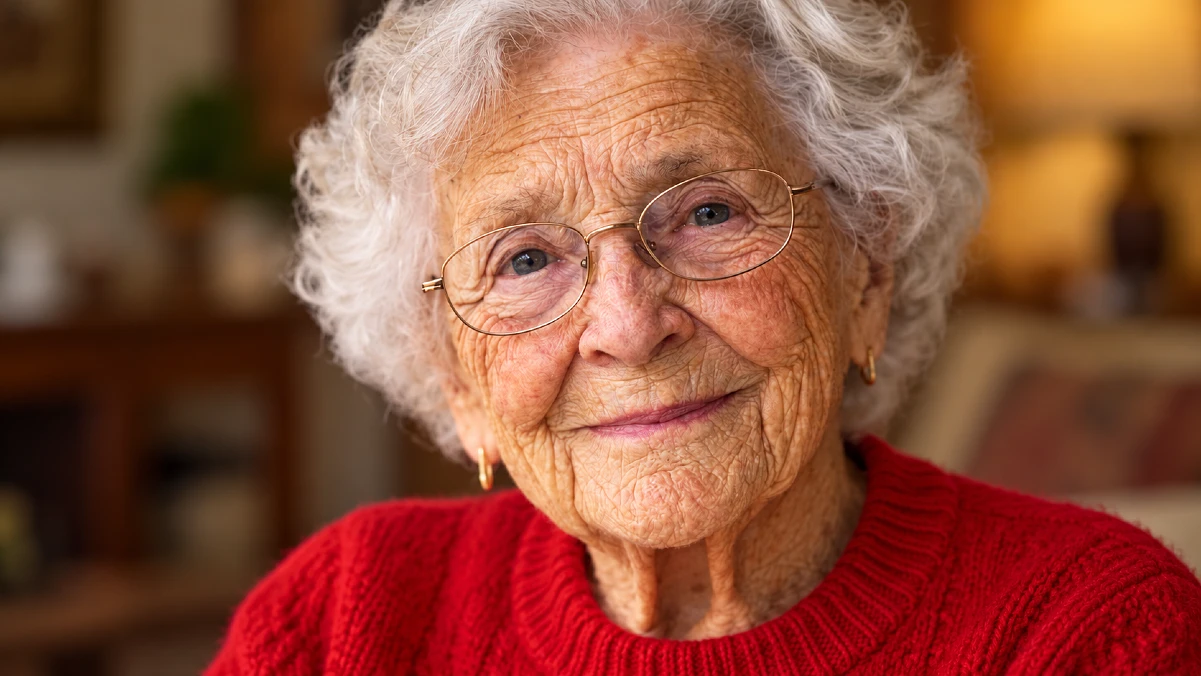
At 100 years old, Evelyn still wakes up in her own bed. She walks through her familiar kitchen, sits in her favorite chair, and enjoys the comfort of a home filled with memories. For a woman who has lived through an entire century, those ordinary moments mean more than most people realize.
Evelyn never believed that reaching 100 would be easy. She knew her strength would change, her friends would grow older, and some everyday tasks would eventually become harder. But she made one decision many years ago that shaped how she approached aging.
She would do everything reasonably within her power to keep her life from getting smaller.
The One Rule Evelyn Followed to Protect Her Independence

Evelyn noticed something troubling as she grew older. Many people around her slowly stopped participating in activities they once enjoyed.
A neighbor who regularly walked to the store began staying home. A friend who enjoyed weekly gatherings started turning down invitations.
Another person gradually stopped managing everyday decisions because family members were willing to handle everything. Each change seemed harmless at first.
But Evelyn noticed that these small changes sometimes added up. People moved less, saw fewer friends, lost confidence, and became increasingly dependent on others.
She began to believe that protecting independence required daily attention rather than waiting until a serious problem appeared.
Her personal rule was simple: Keep participating in life, even when participation requires adjustments.
Some days that meant taking a short walk. Other days it meant calling a friend, handling a small household decision, or making plans for the following week.
She didn’t measure success by how much she accomplished. She measured it by whether she remained involved in her own life.
That approach became especially meaningful after she turned 80, when maintaining familiar routines often required more effort than before.
She Left the House Every Day, Even When She Had Nowhere to Go
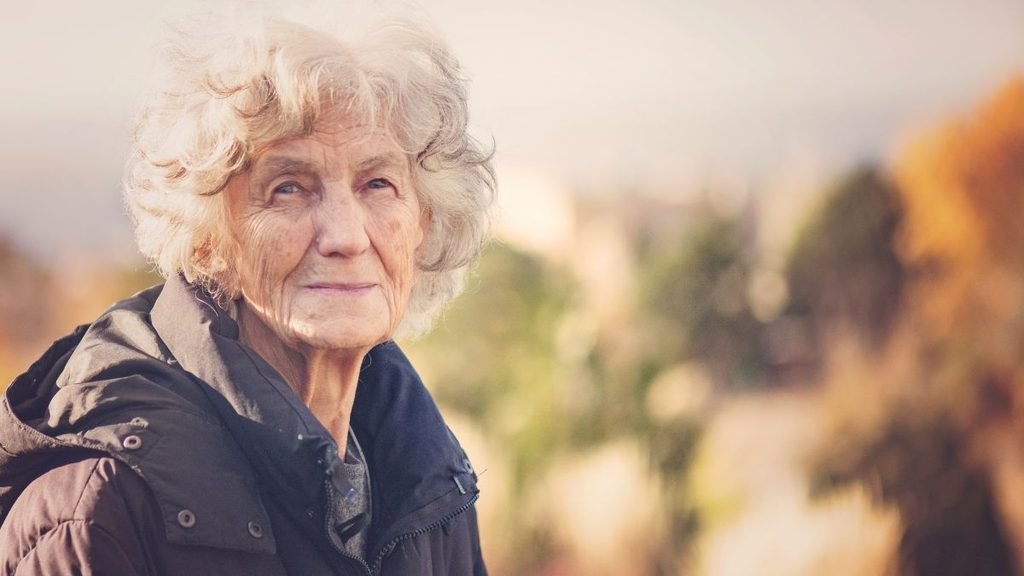
Of all Evelyn’s habits, getting outside was one of the most important.
She believed that staying indoors too often could gradually make the outside world feel unfamiliar. So she made an effort to leave her home regularly, even when she had no appointments or errands.
Sometimes she walked down the sidewalk. Sometimes she visited a nearby shop. On quieter days, she simply stepped into her garden to enjoy the fresh air. The distance was never the point.
What mattered was maintaining a connection with the world beyond her front door.
Why She Refused to Give Up Her Daily Outings
Evelyn remembered her neighbor Martha, who once walked to the corner store every morning.
Over time, Martha began skipping those outings. At first, she stayed home because she felt tired. Later, she became less confident about walking outside.
Eventually, leaving the house became difficult enough that she needed more assistance.
Evelyn understood that Martha’s situation involved more than motivation. Health problems, balance changes, and physical limitations can make everyday outings genuinely difficult.
Still, watching her neighbor struggle convinced Evelyn to protect whatever mobility she could maintain.
She wanted her body to remain familiar with everyday movements such as standing, walking, turning, and moving through different environments.
How Daily Movement Can Help Older Adults
Regular physical activity can support muscle strength, balance, endurance, and the ability to perform ordinary tasks.
These benefits become particularly valuable as people age because independence often depends on simple physical abilities.
Getting out of a chair, reaching the bathroom safely, preparing meals, and walking across a parking lot can all become harder when strength and mobility decline.
For adults 65 and older, general CDC guidance recommends a combination of aerobic movement, muscle strengthening, and balance activities, adjusted to individual abilities.
Evelyn never treated exercise as a competition. She simply looked for safe ways to keep moving.
For someone in their 60s, that might mean a neighborhood walk. At 80, it could involve a shorter route with a walking aid. For someone with limited mobility, seated exercise, supported movement, or getting outdoors with assistance may be more appropriate.
The lesson isn’t that everyone must walk outside every day regardless of pain or weather. It’s that regular, safe movement can help protect the physical abilities people rely on to live independently.
She Spoke to Another Person Every Single Day
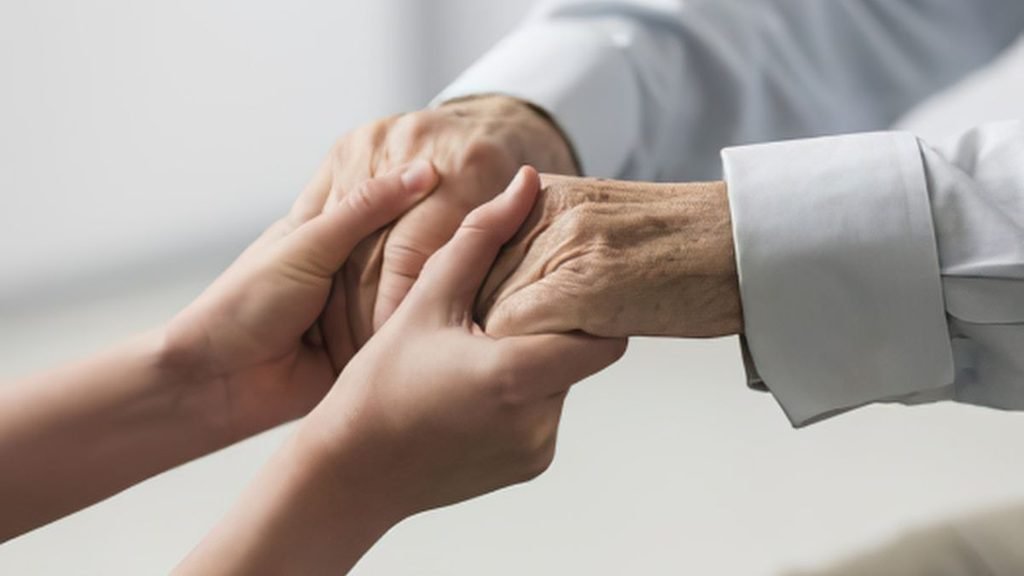
Evelyn’s second habit became especially important after her husband died.
For decades, their home had been filled with ordinary conversation. They discussed meals, talked about the weather, shared stories, and occasionally disagreed over small things.
After his death, the house felt different.
There was no familiar voice in the next room. No one asked what she wanted for dinner. Evenings that once felt peaceful sometimes became painfully quiet. Evelyn realized that she needed more than a comfortable home to feel connected to life.
She needed people. So she established another personal rule: Have at least one genuine conversation every day.
Small Conversations Made a Bigger Difference Than She Expected
Evelyn didn’t wait for major social events.
She spoke with neighbors when collecting the mail. She chatted with cashiers while shopping. She called friends to ask how their week was going.
Some conversations lasted only a few minutes. Others turned into longer discussions about family, memories, or everyday problems.
She found that even brief interactions helped her feel connected to the community around her.
As she grew older, maintaining those relationships became more important because many of her longtime friends were experiencing health problems or had passed away.
Rather than depending entirely on existing friendships, Evelyn remained willing to build new connections.
Why Social Contact Matters for Aging at Home
Loneliness and social isolation are important concerns for older adults.
Research has linked prolonged social isolation with poorer physical and mental health outcomes, including greater risks of depression and cognitive problems.
Having dependable relationships also provides practical advantages.
A neighbor might notice when someone hasn’t been outside for several days. A friend may recognize changes in behavior. A family member can help arrange transportation after an injury.
These connections can create an informal support system that makes remaining at home easier.
However, Evelyn understood that conversation didn’t always have to happen face to face. When traveling became difficult, telephone calls and video conversations helped her maintain relationships.
For older adults who live alone, a regular phone call, community activity, senior center visit, or weekly gathering can provide a valuable connection.
Independence doesn’t mean living without people. It often becomes easier when dependable people remain part of everyday life.
She Continued Making Her Own Decisions, Even When Others Offered to Help
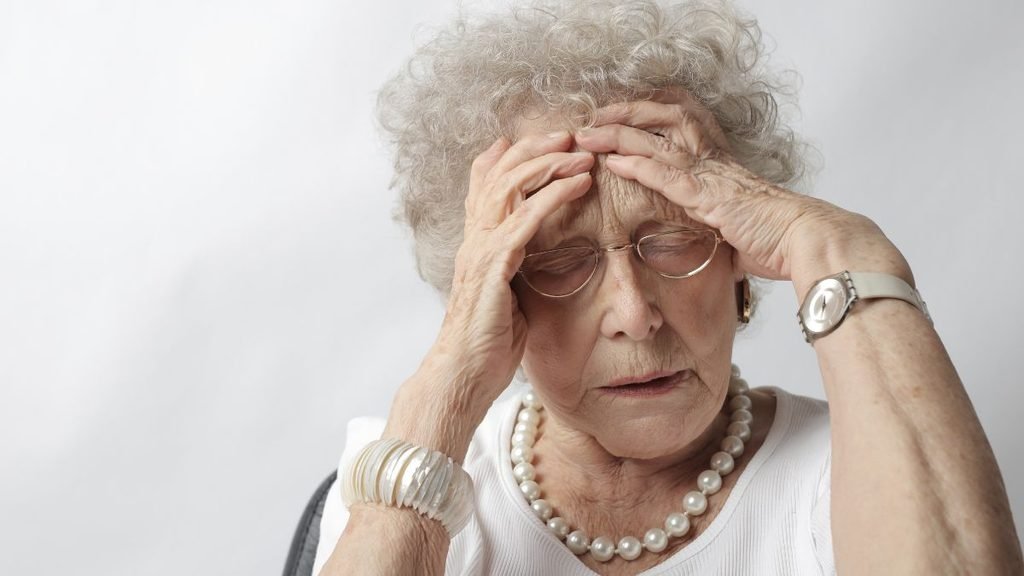
As Evelyn entered her later years, family members naturally became more concerned about her well-being.
They wanted to help with shopping, appointments, bills, and household responsibilities.
She appreciated their concern. But she also understood that accepting assistance and giving up control were not the same thing. Evelyn wanted to remain involved in decisions that affected her life.
She continued choosing what she wanted to eat, how she spent her money, when she visited friends, and which activities filled her week.
Even when someone helped her complete a task, she preferred to remain part of the decision.
What Her Older Brother Taught Her About Losing Control
Evelyn remembered watching her older brother become increasingly dependent on relatives.
At first, family members helped him arrange appointments and prepare meals. Over time, they began making more decisions without asking what he preferred. Eventually, he had little involvement in his daily schedule.
His situation left Evelyn with an important question: Was she allowing people to help her live the way she wanted, or was she allowing them to decide how she should live? She believed that distinction mattered.
Her brother’s experience did not mean his family had bad intentions. Caregivers often make difficult choices because they are worried about safety.
But Evelyn wanted her own wishes to remain part of the conversation for as long as possible.
Why Personal Choice Matters After 70 and 80
Having control over daily life can support dignity, confidence, and emotional well-being.
Even small choices can be meaningful.
An older adult may need help preparing dinner but still choose the meal. Someone who no longer drives can still decide where they want to go.
A person receiving home care can participate in choosing their schedule, caregivers, and daily activities whenever possible. Evelyn learned that protecting autonomy sometimes meant accepting the right assistance.
She eventually allowed others to handle physically demanding tasks. But she continued expressing her preferences and taking part in decisions.
Her goal was never to prove that she could do everything alone. It was to remain the person directing her own life.
For anyone concerned about losing independence, this is a useful distinction. The right support can preserve freedom rather than take it away.
She Prepared for the Future Before She Needed More Help
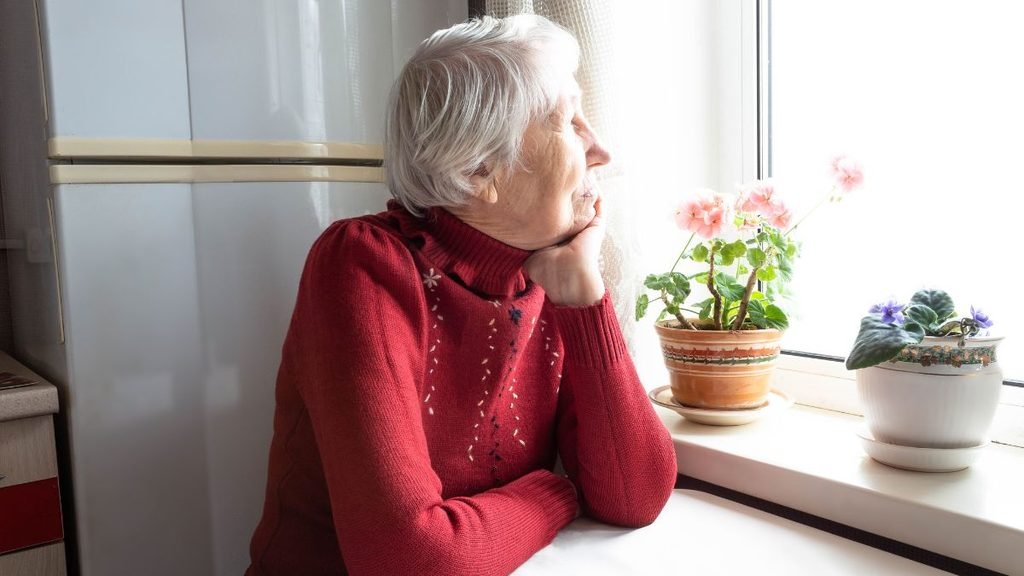
Evelyn understood that staying independent required more than positive thinking. She knew that aging could bring changes in balance, memory, energy, and physical strength.
Instead of assuming that she would always be able to manage everything, she began preparing for possible difficulties while she still felt capable. This became one of her most practical habits.
She didn’t view preparation as surrender. She viewed it as a way to preserve options.
She Made Her Home Easier and Safer to Live In
Evelyn gradually reviewed parts of her home that could become difficult as she aged.
She paid attention to loose rugs, poor lighting, bathroom safety, and cluttered walkways.
As her needs changed, she became more willing to consider practical improvements.
Some of the changes that can help older adults remain at home include:
- Installing grab bars near the shower and toilet.
- Improving lighting in hallways and stairways.
- Removing tripping hazards from walking areas.
- Keeping frequently used items within easy reach.
- Adding secure handrails where needed.
- Using appropriate mobility equipment when recommended.
These improvements may appear small, but they can make routine tasks safer and reduce some common household risks.
Evelyn believed it was easier to make changes calmly than to rush through major decisions after an injury.
She Organized Her Money and Important Documents
Physical safety wasn’t her only concern.
Evelyn also wanted her finances and personal wishes to remain manageable.
She kept important records organized, reviewed household expenses, and made sure trusted people knew how to find essential information if she needed assistance.
She also believed older adults should consider advance healthcare directives, appropriate powers of attorney, and plans for managing finances if they become unable to make certain decisions.
The details of these documents depend on state law and personal circumstances.
For Evelyn, the purpose was clear: She wanted her preferences known before an emergency made communication difficult.
She Understood That Planning Could Preserve Her Choices
One unexpected hospitalization can change an older person’s ability to manage at home.
Recovery may require physical therapy, transportation, help preparing meals, or changes to the living environment. Having plans for those possibilities can make transitions easier.
Evelyn believed that asking for support early was often better than allowing manageable problems to become emergencies.
She also recognized that some people eventually need residential care despite excellent planning. Serious medical conditions or extensive daily care needs cannot always be managed safely at home.
Her commitment was to prepare for the future, not pretend that aging came without uncertainty.
She Made Sure Every Day Still Had a Purpose

Evelyn’s fifth habit was less visible than the others, but she considered it essential.
She always tried to have something meaningful to do.
After retirement, she no longer had an employer expecting her to arrive each morning. After her children grew older, they no longer depended on her in the same ways. And after losing her husband, the routines that had organized much of her adult life changed.
Without new responsibilities, she worried that her days could become repetitive and empty. So she began finding small ways to contribute.
Her Purpose Came From Ordinary Things
Evelyn occasionally read to children at the local library. She remembered birthdays and mailed handwritten cards. When a neighbor traveled to visit family, Evelyn helped care for the neighbor’s plants.
None of these activities made her famous or brought her money. But they gave her something to anticipate.
Someone expected a birthday card. Children looked forward to a familiar story. A neighbor appreciated knowing her plants were being cared for.
These simple responsibilities made Evelyn feel connected to something beyond her own daily needs. She also continued enjoying activities that mattered only to her.
Reading, gardening, listening to music, and learning something new gave her pleasure without requiring anyone else’s approval.
Why Purpose Can Matter in Later Life
Research involving older adults has found associations between having a sense of purpose and better measures of emotional and physical well-being.
Purpose can encourage people to maintain routines, participate in social activities, and remain mentally engaged.
However, older adults do not need to feel useful to others every day to have value. Their worth does not depend on how much they contribute. A meaningful life can include rest, enjoyment, curiosity, and personal interests.
For someone in their 70s, purpose might come from mentoring younger people. At 85, it could involve caring for a pet or tending a small garden.
A person with limited mobility might enjoy phone conversations, creative projects, or helping organize community activities from home.
Evelyn’s lesson was simple: Keep something in life that gives tomorrow a reason to feel different from today.
What Evelyn Understood About Independence That Many People Miss
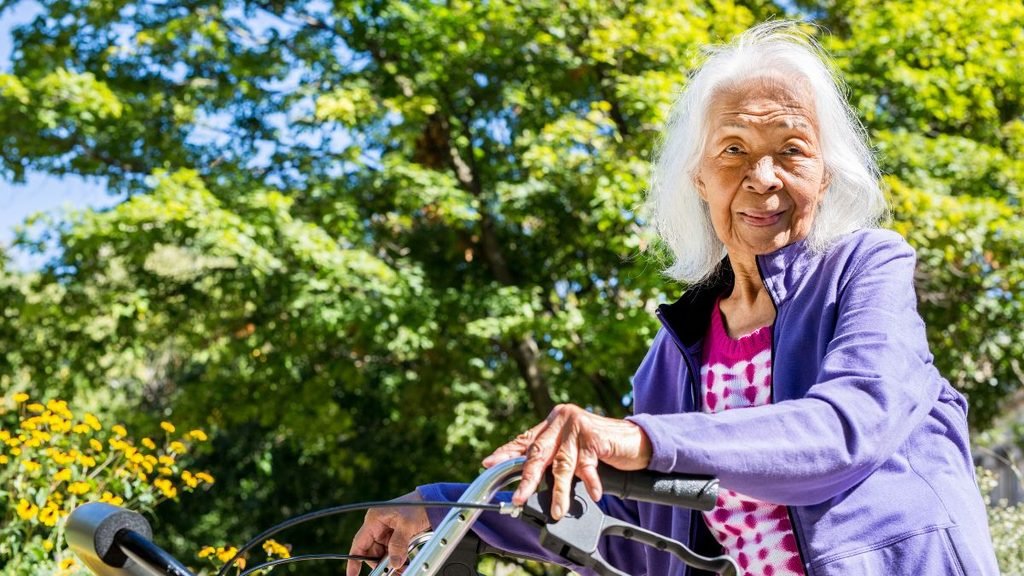
Looking back over her long life, Evelyn didn’t believe independence meant refusing assistance.
She had watched people exhaust themselves trying to prove that they needed nobody.
She had also seen family members become overwhelmed while trying to provide care without enough outside support.
Her experience taught her that independence was better measured by how much control, connection, and meaningful activity a person could maintain.
Someone using a walker can still be independent.
An older adult who receives grocery deliveries may still manage their household and finances.
A person receiving daily help with dressing or meals may still make meaningful decisions about their schedule and relationships.
Evelyn believed the biggest mistake was treating assistance as the end of independence instead of considering how assistance might protect it.
She also understood that health conditions, financial resources, accessible housing, and available caregivers play major roles in determining whether someone can safely remain at home.
Good habits are valuable, but they cannot remove every challenge of aging.
How to Start Protecting Your Independence After 60
Evelyn’s five habits don’t require a complete change in lifestyle.
For someone in their 60s or 70s, the most useful approach may be to begin with one small action and build from there.
| Daily Habit | A Simple Way to Begin |
|---|---|
| Keep moving | Take a safe, comfortable walk or practice an appropriate exercise |
| Stay connected | Call a friend, speak with a neighbor, or join a regular group |
| Make personal decisions | Remain involved in choices about meals, appointments, money, and activities |
| Prepare for future needs | Address one home safety concern or organize an important document |
| Maintain a purpose | Plan one enjoyable or meaningful activity for the day |
Not every habit needs to happen in exactly the same way each day. Financial planning and home safety improvements, for example, may need regular attention rather than daily action.
The important part is building a routine that keeps independence on the calendar instead of treating it as something that will automatically continue.
Someone who already struggles with mobility or needs assistance can adapt these habits to their circumstances.
A physical therapist may help identify safe movement options. An occupational therapist can recommend ways to manage household tasks. Family members, friends, and community services may help with transportation and social connection.
Small changes are often more manageable when they are started before a crisis.
What If You Already Feel Your Independence Slipping Away?
Evelyn’s story can be encouraging, but it may also raise uncomfortable questions.
What happens when walking becomes difficult? What if an older adult no longer drives, has few friends nearby, or struggles to manage household responsibilities?
These changes deserve attention, but they don’t automatically mean someone must leave home.
The first step is identifying what has become difficult and why.
If getting outside is harder because of balance problems, a medical evaluation and appropriate therapy may help.
If loneliness is the main concern, transportation services or regular community activities could create opportunities for connection.
If managing bills has become overwhelming, trusted assistance and safer financial systems may help protect both security and personal choice.
For some people, in-home caregivers, accessible transportation, meal services, or home modifications make continued independent living possible.
Others may benefit from assisted living or nursing home care when their needs become too extensive to manage safely at home.
Needing residential care is not a personal failure. Neither is accepting help from family members or professional caregivers.
The goal should always be a living arrangement that supports safety, dignity, appropriate care, and as much personal choice as possible.
The Biggest Lesson Evelyn Learned by Reaching 100

At 100, Evelyn’s daily life looks different from the life she enjoyed at 60.
She moves more slowly. Some activities take longer. Certain responsibilities have become easier with help.
But the principles guiding her days have remained remarkably consistent. She still values movement, even when it must be gentle. She still enjoys hearing another person’s voice.
She still wants a say in what happens inside her home. She continues thinking ahead rather than ignoring changes in her abilities. And she keeps meaningful activities in her life, even when those activities are small.
These habits have helped her maintain a sense of participation and control throughout old age.
Her story isn’t proof that following five rules will keep everyone out of a nursing home. Genetics, illness, disability, access to care, finances, and unexpected events all affect what is possible.
But it does illustrate something worth remembering.
The foundations of independence often depend on ordinary activities that are easy to overlook while life is going well.
Final Thoughts: Don’t Wait Until Independence Becomes Difficult to Protect
Evelyn’s approach to aging began with one commitment: She would not voluntarily abandon the parts of life she could still enjoy and manage.
That commitment eventually became five habits involving movement, conversation, personal decisions, preparation, and purpose.
None of those practices could stop time. None could guarantee perfect health or remove the possibility of needing long-term care.
But together, they helped her remain active, connected, prepared, and involved in the life she wanted to live.