

One of the biggest retirement decisions comes down to a simple question: Should you start collecting Social Security at 62 or wait until 70?
Claiming early puts money in your pocket sooner, but it also means accepting a smaller monthly payment. Waiting can increase your benefit substantially, yet it requires finding another way to cover expenses in the meantime. The right choice depends on more than which age produces the largest check.
For some retirees, receiving benefits at 62 provides financial relief when they need it most. Others may gain greater security by waiting, especially if they expect a long retirement or have a spouse who could depend on their benefits.
The First Number to Understand Is Your Full Retirement Age

Social Security allows eligible workers to claim retirement benefits as early as 62. However, the amount they receive depends on their full retirement age, which is determined by their birth year.
People born in 1960 or later have a full retirement age of 67. Claiming five years earlier reduces their retirement benefit by 30%, while delaying until 70 increases it by 24% compared with the full retirement benefit.
| Birth Year | Full Retirement Age |
|---|---|
| 1956 | 66 years, 4 months |
| 1957 | 66 years, 6 months |
| 1958 | 66 years, 8 months |
| 1959 | 66 years, 10 months |
| 1960 or later | 67 years |
These differences matter because not everyone faces the same reduction or increase. Someone born in 1956 has a different full retirement age from someone born in 1964, even though both can choose when to claim.
The comparison below uses a person born in 1960 or later. It shows how the same worker’s monthly benefit could change depending on when payments begin.
How Much More Can Waiting Until 70 Actually Pay?
Suppose a worker qualifies for $2,000 per month at their full retirement age of 67. That amount is the starting point for calculating the effect of claiming earlier or later.
At 62, their monthly benefit would fall to approximately $1,400. Waiting until 70 would increase it to about $2,480, assuming the same underlying benefit amount.
| Claiming Age | Percentage of Full Benefit | Monthly Payment | Annual Payment |
|---|---|---|---|
| 62 | 70% | $1,400 | $16,800 |
| 67 | 100% | $2,000 | $24,000 |
| 70 | 124% | $2,480 | $29,760 |
The difference between claiming at 62 and 70 is $1,080 per month, or $12,960 per year. That means the age 70 benefit is approximately 77% larger than the age 62 benefit.
This larger payment can provide meaningful financial protection later in retirement. It may help cover rising household expenses, medical costs, and other bills that become harder to manage on a fixed income.
These figures are hypothetical and expressed in today’s dollars. Actual payments depend on a worker’s earnings record, birth date, claiming month, and future cost-of-living adjustments.
Claiming at 62 Means Getting Paid for Eight More Years

The biggest advantage of claiming at 62 is straightforward. Instead of waiting until 70, a retiree can begin collecting monthly payments eight years earlier.
Using the previous example, someone claiming $1,400 per month would receive $16,800 annually. Over eight years, those payments would total approximately $134,400 before taxes and other adjustments.
That money could make a meaningful difference for someone who has stopped working. It might cover groceries, utilities, housing costs, insurance, or other basic expenses without requiring larger withdrawals from retirement savings.
Early benefits may also help someone avoid taking on debt during their early retirement years. For a retiree with limited savings, immediate income can be more useful than a higher payment that will not arrive for several years.
However, claiming early creates a lasting trade-off. The age-related benefit reduction generally remains in place, even after the retiree reaches full retirement age.
Waiting Until 70 Creates a Larger Monthly Income Floor

Waiting until 70 means giving up several years of payments in exchange for a larger monthly benefit. For people born in 1960 or later, retirement benefits increase by 8% of the full retirement benefit for each year of delay after age 67, up to age 70.
These are delayed retirement credits, not investment returns. They increase the monthly Social Security benefit under the program’s rules, rather than earning interest in a personal account.
A larger check can become especially useful in someone’s late 70s, 80s, or 90s. During those years, investments may have declined, expenses may have increased, or one spouse may have died.
Social Security also provides annual cost-of-living adjustments when applicable. These adjustments can increase payments regardless of claiming age, but they do not erase the original difference created by claiming early or late.
The important question is whether someone can afford to wait. A larger future benefit provides little comfort if postponing payments leaves them struggling to cover essential expenses today.
The Break-Even Age Changes the Conversation

Comparing monthly payments tells only part of the story. Another important question is how long a person must live before the larger age 70 payments make up for the benefits they gave up by waiting.
This is commonly called the break-even age. It compares the total benefits received under different claiming choices rather than looking only at the monthly check.
Using the same example, here is how cumulative payments compare at several ages.
| Age Reached | Claiming at 62 | Claiming at 70 | Higher Total |
|---|---|---|---|
| 75 | $218,400 | $148,800 | Claim at 62 |
| 80 | $302,400 | $297,600 | Claim at 62 |
| 85 | $386,400 | $446,400 | Claim at 70 |
| 90 | $470,400 | $595,200 | Claim at 70 |
In this simplified example, the break-even point occurs at approximately age 80 and four months. Before that age, claiming at 62 produces more total benefits. After that point, waiting until 70 produces the larger cumulative amount.
These calculations assume uninterrupted payments, no cost-of-living changes, and no taxes or investment returns. They also exclude differences in work history and potential survivor benefits, which can change the comparison.
The break-even age is useful, but it should not be treated as a guaranteed answer. Nobody knows exactly how long they will live or what their financial circumstances will look like decades from now.
Health and Life Expectancy Can Influence the Choice

Life expectancy plays an important role in Social Security decisions. Someone expecting a shorter retirement may place greater value on receiving payments earlier.
For example, a retiree dealing with serious health challenges might prefer income at 62 instead of waiting eight years. The earlier payments could help support daily living expenses and reduce the financial pressure on household savings.
Another person with good health and a family history of longevity may prefer waiting. If they live into their late 80s or 90s, the higher monthly benefit could produce substantially more lifetime income.
Still, health is not a perfect predictor of longevity. Someone who feels healthy at 62 may experience unexpected problems, while another person managing a chronic condition may live much longer than anticipated.
The goal is not to predict an exact lifespan. It is to consider several realistic possibilities and determine which claiming choice provides adequate protection across them.
Retirement Savings May Determine Whether Waiting Is Affordable

The decision to wait until 70 often depends on what other income is available. Retirees with pensions, investment income, rental income, or substantial cash savings may have more flexibility.
Consider someone who retires at 62 with enough savings to cover basic expenses. They might choose to delay Social Security because they do not need the payments immediately.
However, postponing benefits may require larger withdrawals from retirement accounts. Those withdrawals could create taxes, reduce future investment income, or leave fewer assets available for emergencies.
Market conditions also matter. Selling investments during a prolonged market decline to replace Social Security income could weaken a retirement portfolio.
Someone with limited savings may face the opposite problem. Claiming at 62 could reduce the amount they need to withdraw each month, helping their remaining assets last longer.
Neither approach is automatically better. The important comparison is how claiming age affects the entire retirement income plan, not just Social Security.
Married Couples Have Another Important Factor to Consider

For married retirees, Social Security claiming decisions can affect more than one person’s financial future. This is especially important when one spouse earned substantially more during their career.
When the higher-earning spouse delays retirement benefits, the larger payment may eventually provide greater survivor protection. An eligible surviving spouse may receive a benefit based on the deceased worker’s higher amount, subject to survivor benefit rules.
For example, suppose one spouse could receive $2,000 at full retirement age or $2,480 at 70. Delaying may increase the amount available to the surviving spouse after the higher earner dies.
Regular spousal benefits work differently. The maximum spousal benefit is generally based on up to 50% of the worker’s full retirement age benefit, not the larger amount created by delayed retirement credits.
This distinction can make delaying particularly valuable for some higher-earning spouses. It can protect the household’s income during the years when only one partner remains alive.
However, waiting can also delay when family benefits become available. Couples should examine both spouses’ earnings records, ages, health, and available savings before choosing a claiming strategy.
Working While Claiming at 62 Can Reduce Your Payments
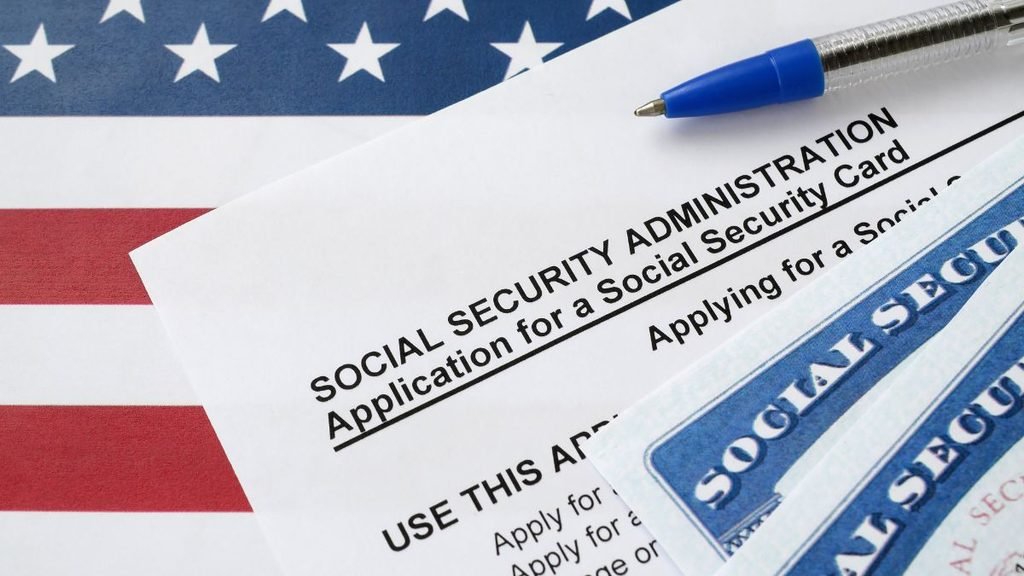
Many Americans continue working during their 60s, either because they enjoy their jobs or still need the income. Claiming Social Security while working is allowed, but payments can be withheld if earnings exceed certain limits before full retirement age.
For 2026, the Social Security Administration uses the following earnings limits.
| Situation | 2026 Earnings Limit | Benefit Withholding |
|---|---|---|
| Under full retirement age all year | $24,480 | $1 withheld for every $2 above the limit |
| Reaching full retirement age in 2026 | $65,160 before the month full retirement age begins | $1 withheld for every $3 above the limit |
| At or above full retirement age | No earnings limit | No withholding under the earnings test |
Suppose a 63-year-old receives Social Security while earning $34,480 from work in 2026. That is $10,000 above the annual limit for someone under full retirement age all year.
Under the standard earnings test, approximately $5,000 in benefits would be withheld. Special rules can apply during the first year of retirement, so the exact withholding depends on the person’s circumstances.
Importantly, withheld benefits are not necessarily lost forever. At full retirement age, Social Security recalculates benefits to account for months when payments were withheld because of earnings.
Once someone reaches full retirement age, the earnings test no longer applies. They can work and receive Social Security without having benefits withheld under that rule, although taxes may still apply.
Your Last Working Years Can Affect the Benefit Calculation

Another factor people sometimes overlook is the difference between stopping work and claiming Social Security. These do not have to happen at the same age.
Social Security generally calculates retirement benefits using the highest 35 years of indexed earnings. If someone has fewer than 35 years of covered earnings, years without earnings are counted as zeros.
A person who continues working into their late 60s may replace earlier low-earning years with higher-earning ones. That can increase the benefit calculated from their earnings record.
Someone who stops working at 62 but delays claiming until 70 can still earn delayed retirement credits after full retirement age. However, they will not gain additional earnings-based increases from years they are no longer working.
This means retiring at 62 and claiming at 70 can produce a different outcome from working until 70 and then claiming. Both can involve delayed benefits, but their earnings histories may differ.
Before making the decision, retirees should review estimates that reflect when they actually expect to stop working.
Taxes Can Change the Amount You Keep

A larger Social Security check does not necessarily translate into an equally large increase in spendable income. Federal income taxes may apply to a portion of benefits, depending on other household income.
The IRS uses a measure that generally includes adjusted gross income, tax-exempt interest, and half of Social Security benefits. Depending on the result and filing status, up to 85% of benefits may be included in taxable income.
Claiming at 62 while still earning wages could therefore create a different tax situation from claiming at 70 after leaving work. Retirement account withdrawals, pension payments, and other income also affect the calculation.
A retiree who delays Social Security and withdraws heavily from a traditional IRA may face higher taxable income during the waiting years. Another retiree may experience lower taxable income after work stops.
State taxes can add another difference because states do not all treat Social Security benefits the same way.
A useful claiming comparison should examine estimated after-tax income, not just the gross monthly benefit shown on a Social Security statement.
Medicare Still Requires Attention at Age 65

Waiting until 70 to collect Social Security does not mean waiting until 70 for Medicare. Medicare eligibility generally begins at 65 for people who meet the program’s requirements.
Someone already collecting Social Security before turning 65 will generally be enrolled automatically in Medicare Part A and Part B. A person delaying Social Security may need to actively sign up for Medicare.
Missing the appropriate enrollment period can result in delayed coverage or penalties. Some people with qualifying employer health insurance can postpone Part B without a penalty, but they should confirm that their coverage meets the rules.
Healthcare costs also affect retirement cash flow. Medicare premiums, prescriptions, supplemental coverage, and other medical expenses may reduce the amount available for everyday spending.
Someone choosing between 62 and 70 should create a separate healthcare plan for the years before and after Medicare eligibility. Social Security claiming age and Medicare enrollment are connected administratively, but they are separate financial decisions.
When Claiming at 62 May Make More Sense
Claiming early may be reasonable when someone has an immediate need for dependable income. It can also be worth considering when waiting would create excessive pressure on limited savings.
The strongest reasons generally relate to current financial needs, household circumstances, health, and the ability to handle the years without benefits.
| Situation | Why Claiming at 62 May Help |
|---|---|
| Limited retirement savings | Provides income without relying entirely on savings |
| Early retirement due to health or work limitations | Helps replace lost employment income |
| High withdrawal pressure | May reduce the need to sell investments |
| Shorter expected retirement | Allows payments to begin sooner |
| Need to avoid borrowing | Can help cover essential monthly expenses |
These situations do not make early claiming automatically correct. For example, a higher-earning married retiree may still need to consider how a smaller benefit could affect a surviving spouse.
The main benefit of claiming at 62 is earlier access to money. The main cost is accepting a reduced monthly payment for potentially many years.
When Waiting Until 70 May Be the Stronger Choice
Delaying benefits may appeal to retirees who have dependable income from other sources and can cover their expenses without creating financial strain.
It can be particularly attractive to people concerned about outliving their savings. A larger monthly Social Security benefit provides income that continues for life under the program’s rules.
| Situation | Why Waiting Until 70 May Help |
|---|---|
| Strong savings or pension income | Makes it easier to cover expenses while waiting |
| Longer expected retirement | Increases the value of larger later payments |
| Higher-earning married spouse | May improve survivor income protection |
| Concern about running out of savings | Provides a larger lifetime income floor |
| Continuing employment | May allow benefits to grow while wages cover expenses |
Waiting should still be balanced against the cost of using other resources. A retiree who must drain emergency savings or take costly debt to delay benefits may be creating a new financial problem.
The larger check matters most when the waiting period is financially manageable and the household can maintain reasonable security throughout it.
Five Questions to Ask Before Choosing Your Claiming Age

There is no need to treat 62 and 70 as the only possible options. Benefits can begin at eligible ages between them, and an intermediate age may provide a workable balance.
Before submitting a Social Security application, retirees can use these questions to test their plans:
- How much income do I need right now? Compare guaranteed income with essential expenses, including housing, food, insurance, and healthcare.
- Can my savings support a delay? Calculate how much would need to come from savings or other accounts before benefits begin.
- What happens if I live to 90 or longer? Test whether the smaller early benefit would still support a comfortable budget late in retirement.
- Will my decision affect my spouse? Consider the difference between spousal benefits and possible survivor benefits.
- Am I likely to keep working? Review the earnings test and whether additional earnings could improve the calculation of future benefits.
A personal my Social Security account can provide estimates for different claiming ages. These estimates should be reviewed alongside the household budget, expected retirement date, taxes, and other income sources.
When the decision has a major effect on savings or survivor benefits, a qualified financial planner or tax professional can help compare the alternatives.