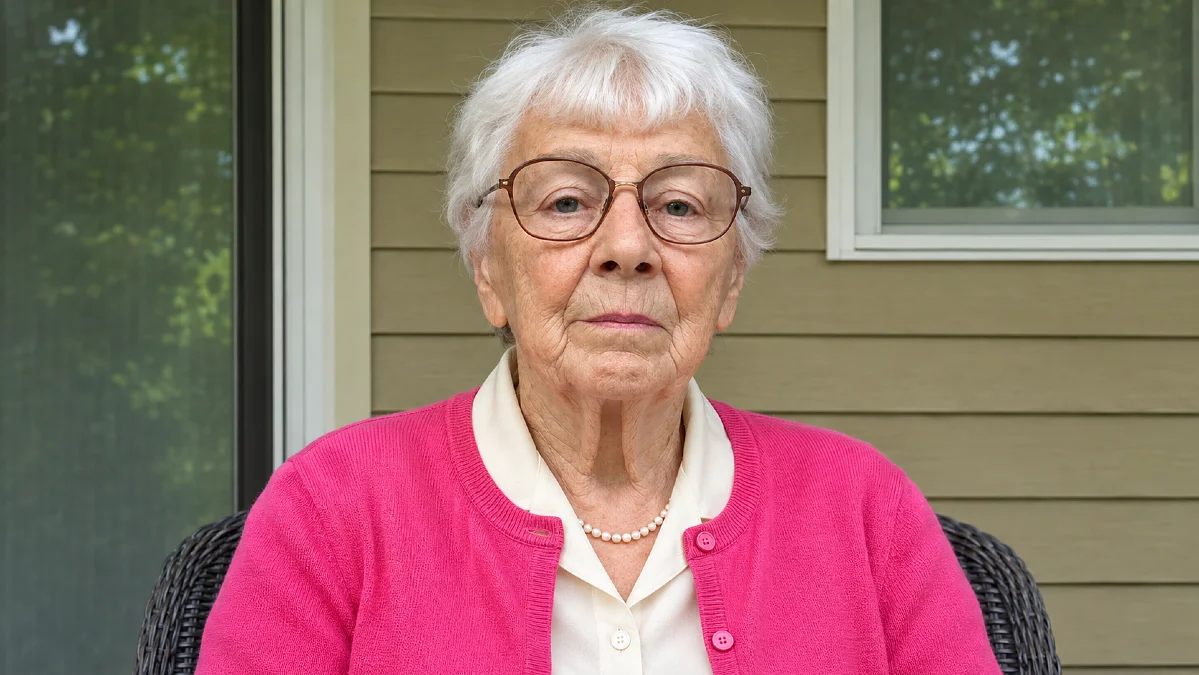
At 84, Mavis knows how easily retirement can become a smaller life. After her husband Roy died, quiet evenings turned into lonely routines, and even ordinary meals began to feel optional. She had spent 38 years sitting through court proceedings, but the hardest stillness came after work ended.
Instead of accepting that withdrawal as inevitable, she began building her days around 12 simple hobbies and habits. Some keep her moving, while others bring friendship, purpose, or a reason to plan for tomorrow.
Her story offers practical ways to stay engaged after 80 without expensive equipment or a packed calendar.
1. Taking a Walk Every Morning
For 38 years, Mavis worked as a court reporter in Green Bay, Wisconsin. Her job required hours of sitting, listening, and recording other people’s words. When retirement arrived, she discovered that spending more time at home could easily become a habit.
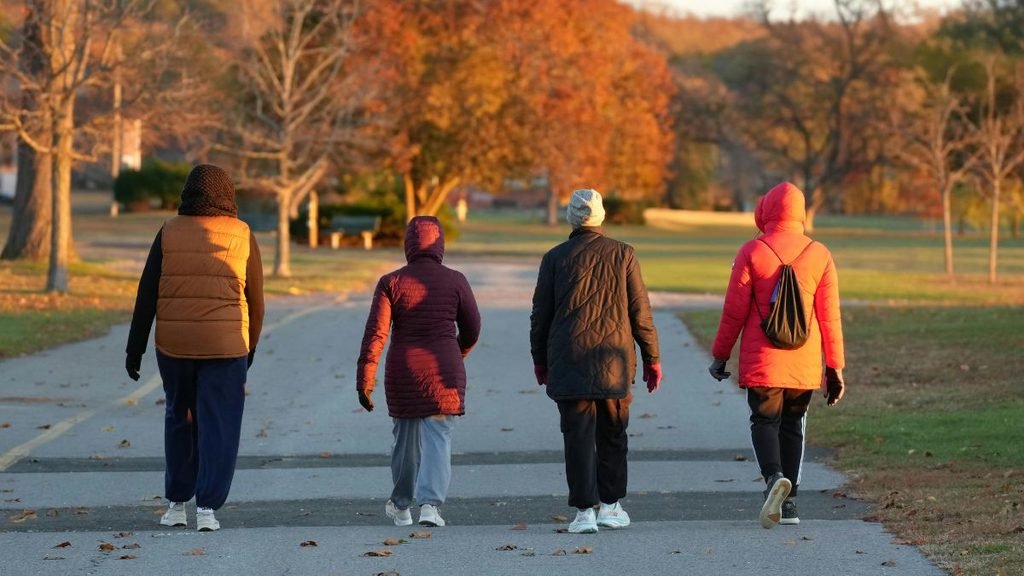
Walking became her way of breaking that pattern. Most mornings, she puts on her shoes and heads outside before 7 a.m., when the neighborhood is still quiet.
She does not measure every step or compete with younger walkers. Her route along Cherry Street gives her time to think, enjoy her surroundings, and begin the day with movement.
At 84, her pace is slower than it once was. That does not bother her because the purpose of walking is not to prove how fast she can move.
Research supports the value of regular physical activity for older adults. The CDC recommends that adults aged 65 and older work toward 150 minutes of moderate aerobic activity weekly, along with muscle strengthening and balance exercises.
However, people who cannot meet those targets can still benefit from movement suited to their abilities. Even a short walk around the block can be a reasonable starting point.
Practical takeaway: Begin with five or ten minutes on a safe, familiar route. Increase the distance gradually if comfortable, and choose indoor walking or supported movement when weather or mobility creates difficulties.
2. Learning Something She Does Not Already Know

Mavis refuses to believe that learning should end after retirement. At 76, she enrolled in a computer class at her local library despite being much older than many of the other students.
The class helped her become more comfortable with online banking, shopping, and everyday technology. More importantly, it gave her confidence to continue handling tasks that mattered to her.
Now, at 84, she is learning to read music. Her granddaughter once found her sitting at the piano, working through a page one note at a time.
Mavis was still struggling with the notes, but the difficulty was part of the attraction. She enjoyed having something new to practice without expecting immediate success.
The National Institute on Aging notes that mentally engaging activities may support cognitive health and well-being. However, learning music or another skill has not been proven to prevent dementia.
For Mavis, the immediate reward is simpler. She has a new goal, something interesting to practice, and another reason to remain curious.
Free and Low-Cost Ways to Keep Learning
A new hobby does not require an expensive course or special equipment. Many communities provide learning opportunities through libraries, community centers, and volunteer organizations.
| Learning Activity | Where to Begin | Main Benefit |
|---|---|---|
| Computer skills | Public library classes | Digital confidence |
| Music | Free lessons or borrowed books | Creative challenge |
| Language learning | Library resources | Mental engagement |
| Drawing | Pencil and paper at home | Creativity |
| Local history | Museum or library programs | Curiosity and connection |
The most useful activity is one the person genuinely enjoys. Someone interested in family history may prefer genealogy, while another person might enjoy learning photography or a new recipe.
Mavis’s experience suggests that being a beginner can remain enjoyable at any age. Progress does not need to be fast to feel worthwhile.
3. Making Useful Things With Her Hands
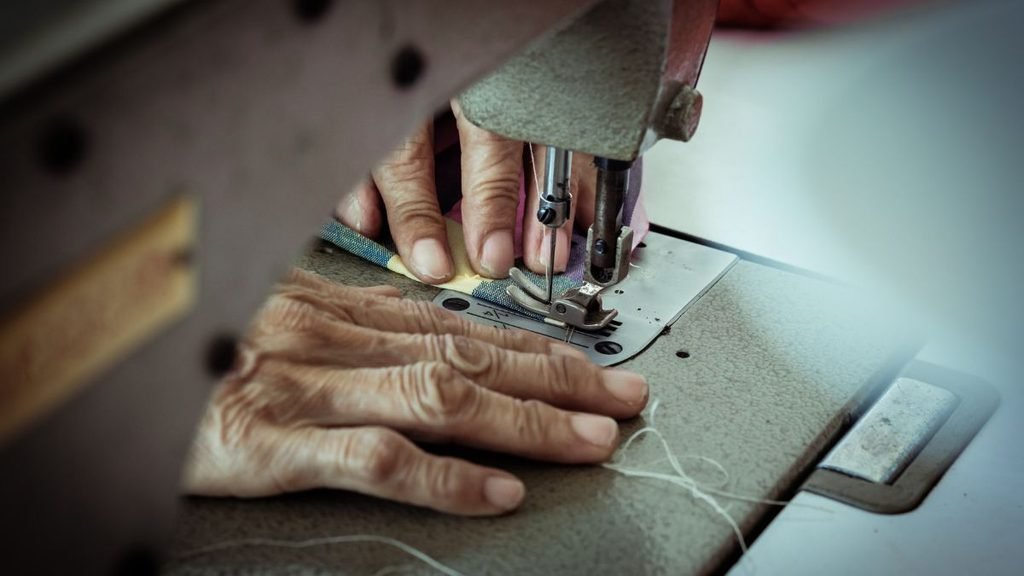
After spending decades typing other people’s words, Mavis developed a special appreciation for creating something of her own. She enjoys activities that produce a visible result, even when the finished item is simple.
Cooking, sewing, gardening, repairing household items, and small craft projects all offer that satisfaction. The activity gives her hands something to do and her attention somewhere useful to settle.
One spring, she decided to restore an old kitchen chair that had been sitting in her basement since Roy died. Beneath several layers of paint, she discovered a beautiful oak surface.
The project took 11 days to complete. Mavis did not rush because she enjoyed watching the chair gradually return to use.
Today, that chair sits at her kitchen table. It serves as a reminder that completing a meaningful project can be satisfying even when it takes longer than expected.
Creative hobbies can provide structure, enjoyment, and opportunities to practice skills. Some activities, such as gardening, also involve physical movement, although the amount varies with the task.
The important part is choosing projects that fit current abilities. A person who cannot lift heavy tools might enjoy knitting, decorating cards, repairing clothing, or arranging flowers instead.
Practical takeaway: Choose one unfinished project that can be completed safely in short sessions. Aim for enjoyment rather than perfection, and allow plenty of time for rest.
4. Making New Friends Instead of Relying Only on Old Ones
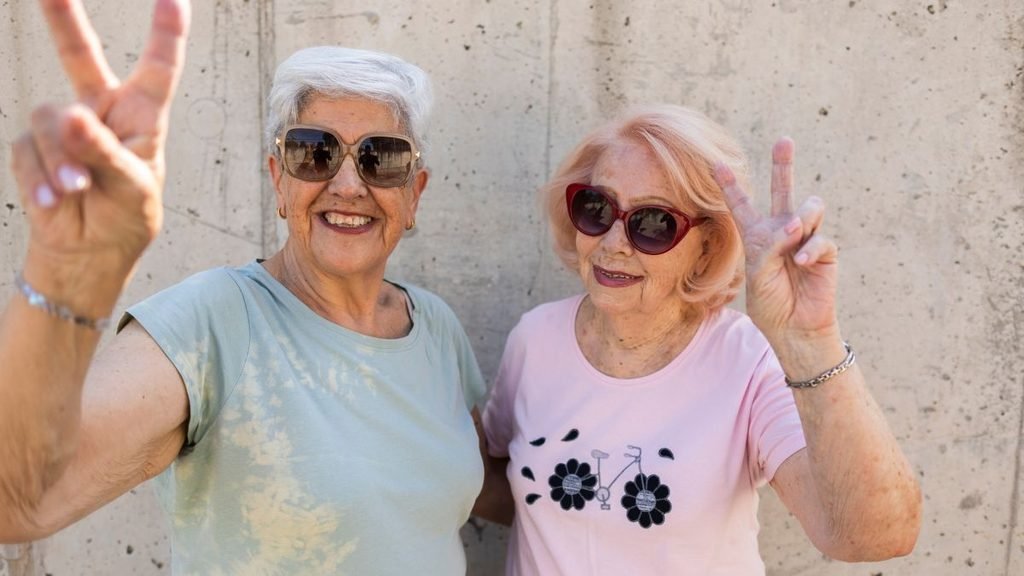
Mavis understands that friendships can change considerably in later life. Over the years, some longtime friends have died, moved away, or developed health problems that make regular visits difficult.
Rather than allowing her social circle to grow smaller, she decided to become more open to meeting people. She started attending a Tuesday group where conversations and shared activities brought familiar faces together.
That is where she met Terry, a woman 23 years younger than her. Their friendship began when Mavis approached a table and started a conversation.
Four years later, Terry remains an important part of her life. Their different ages have not stopped them from sharing jokes, outings, and ordinary conversations.
For older adults, making friends often requires repeated opportunities to see the same people. A weekly class or community group can make those encounters easier than an occasional large gathering.
Social relationships matter for health as well as enjoyment. Research summarized by the National Institute on Aging connects loneliness and social isolation with several physical and emotional health concerns.
Still, living alone does not automatically mean someone is lonely. What matters is having relationships that provide connection, understanding, and support.
Mavis’s approach is simple enough for almost anyone to try. Instead of waiting for someone else to begin a conversation, she takes the first small step.
Practical takeaway: Attend one regular community activity and introduce yourself to someone unfamiliar. A library club, walking group, craft circle, or volunteer program can provide a comfortable place to begin.
5. Recording Family Stories Before They Disappear
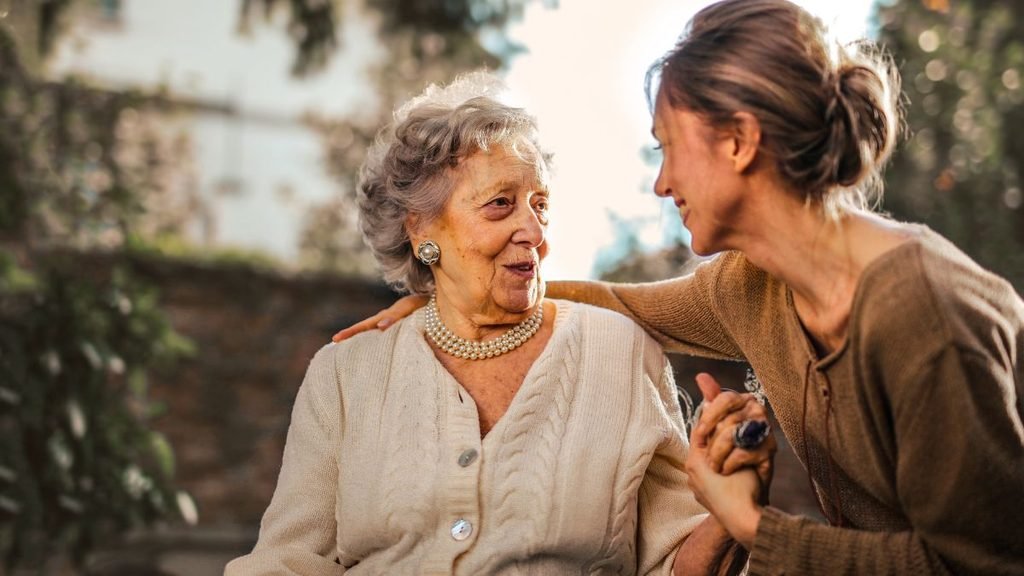
Mavis has lived through decades of family celebrations, disagreements, moves, and unexpected events. She understands that many small details may disappear unless somebody takes the time to preserve them.
Four years ago, she started keeping a notebook in her kitchen drawer. Whenever an old memory comes to mind, she writes it down without worrying about making the pages look like a finished book.
One story involves her mother and aunt, who reportedly stopped speaking for 11 years because of an argument over a casserole dish. By the end of the disagreement, neither could clearly remember whose dish it was.
The story made her family laugh, but it also revealed something about pride and stubbornness. Her daughter had never heard it before and later shared it with others.
Family storytelling gives Mavis a way to contribute something personal. Her memories contain details that younger relatives may never find in photographs or official records.
Writing also provides a meaningful activity that can be done at home. Someone who dislikes writing can record voice messages, organize photographs, or tell stories during family gatherings.
Different Hobbies Offer Different Rewards
Mavis does not expect every activity to improve the same part of her life. Some provide companionship, while others give her a private sense of achievement.
| Hobby | What It Provides | Easy Starting Point |
|---|---|---|
| Family storytelling | Personal connection | Write one memory |
| Knitting or crafts | Creative satisfaction | Complete a small item |
| Group activities | Social contact | Attend once a week |
| Learning music | New challenges | Practice 10 minutes |
| Gardening | Routine and enjoyment | Grow one container plant |
These activities can overlap, which makes them especially useful. A person could teach a grandchild to knit, share stories while gardening, or turn a recipe into a family tradition.
For Mavis, preserving memories is not about becoming famous or writing an important book. It is about giving her family stories they can continue sharing.
6. Playing, Laughing, and Acting Silly Sometimes
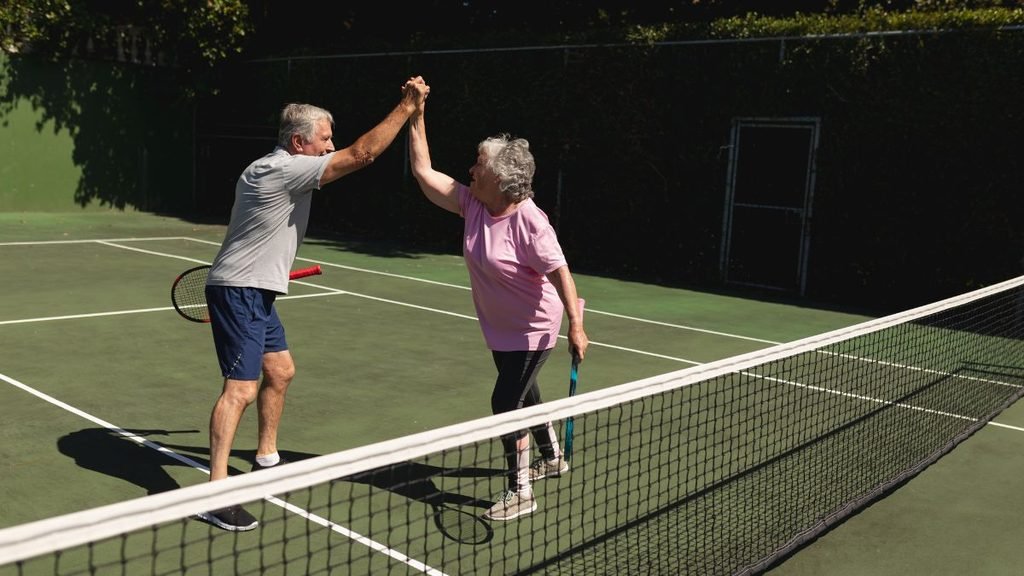
At 84, Mavis believes that adults can become too serious about how they are expected to behave. Somewhere between work, family responsibilities, and growing older, many people stop making time for simple fun.
She refuses to treat enjoyment as something that belongs only to younger people. In her kitchen, she sometimes turns on the radio and dances while completing everyday tasks.
She also feeds birds, gives some of them names, and completes crossword puzzles in pen. None of these activities needs to impress anybody.
One winter, Mavis went sledding with Terry and Terry’s grandson. Getting back up was slower than getting down, but she remembered the experience because it made her laugh.
That particular adventure is not a suitable recommendation for every older adult. Sledding carries injury risks, especially for people with balance problems, osteoporosis, or previous falls.
The broader idea is that play can be adapted to almost any ability. Singing, card games, seated dancing, painting, jokes, and gentle group activities all provide opportunities for enjoyment.
Enjoyable activities may help reduce stress and support emotional well-being. They can also create social opportunities without making every gathering feel like a formal obligation.
Mavis does not need every hour of her day to be productive. Sometimes an activity is worthwhile simply because she enjoys doing it.
Practical takeaway: Make room for something playful each week, even if it lasts only 15 minutes. Choose an activity that feels comfortable rather than one that demands physical effort or special skills.
7. Having a Purpose That Does Not Depend Entirely on Family

Mavis loves her family, but she has learned that family relationships cannot provide the entire structure of retirement. Adult children have jobs, responsibilities, and schedules that often leave less time for visits.
Depending entirely on other people for daily activities can make quiet periods especially difficult. Mavis wanted interests she could continue enjoying even when her family was busy.
Her Tuesday group became one part of that routine. Gardening, writing family stories, and looking after her cat gave her additional responsibilities that belonged to her.
None of these activities is particularly grand or impressive. Their importance comes from giving her something to anticipate and a reason to organize her time.
A sense of purpose can come from many places, including volunteering, mentoring, hobbies, community service, or personal goals. It does not require paid employment or a large social circle.
A retired teacher might help children practice reading. Someone who enjoys plants could assist with a community garden, while another person might organize family photographs.
The National Institute on Aging encourages older adults to participate in meaningful activities suited to their interests and abilities. Regular participation may support social connection and emotional well-being.
For Mavis, the lesson is that retirement still needs room for personal interests. Family can remain deeply important without being responsible for filling every day.
8. Cooking a Proper Meal and Sitting Down to Enjoy It
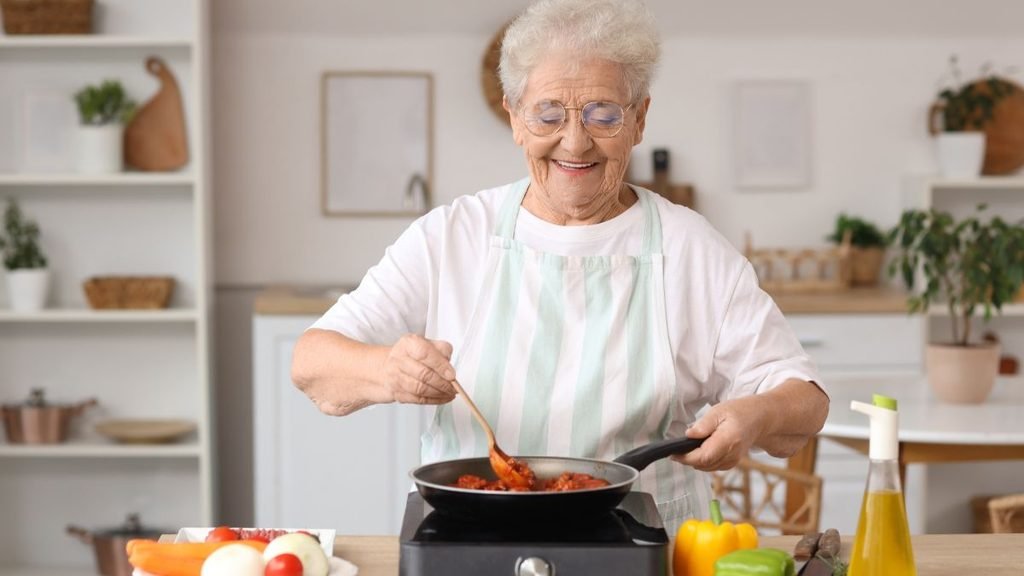
After Roy died, Mavis noticed that cooking for one person could feel unnecessary. Some evenings, a few crackers or a bowl of cereal seemed easier than preparing a complete meal.
Eventually, she decided that her daily meals deserved more attention. She began making time to prepare food and sit at the table instead of eating whatever was convenient while standing in the kitchen.
Her meals are rarely complicated. Sometimes she prepares enough food on Sunday to cover several days, reducing the work required during the week.
The routine gives her day structure, but it also reminds her to pay attention to what she eats. Cooking becomes a small personal project rather than another household chore.
Nutrition matters throughout life, and older adults may have changing needs for protein, vitamins, hydration, and overall food intake. The National Institute on Aging recommends a varied eating pattern with attention to important nutrients.
Cooking everything from scratch is not required for good nutrition. Frozen vegetables, canned beans, prepared ingredients, and simple meals can make eating well easier.
For someone living alone, sharing an occasional meal may also help. Inviting a neighbor, joining a community lunch, or eating with a friend can combine nutrition with companionship.
Practical takeaway: Choose two or three easy, balanced meals to rotate throughout the week. Keep affordable ingredients available, and consider community meal programs if shopping or cooking has become difficult.
9. Keeping One Manageable Physical Challenge

Mavis has noticed that some ordinary tasks require more thought than they once did. Carrying groceries, climbing stairs, and moving household items can demand greater care at 84.
Instead of automatically giving up every difficult task, she tries to remain involved in activities she can still perform safely. She wants to preserve her abilities without pretending that her body has not changed.
Her basement laundry provides one example. The washing machine is located 14 steps below the main floor, and her daughter has suggested moving it upstairs.
Mavis prefers to keep using the stairs while she feels able to do so. In her mind, maintaining a familiar activity helps her remain confident.
However, stairs and heavy laundry baskets can pose serious fall risks. Keeping a task difficult is not beneficial if it creates avoidable danger.
Strength and balance exercises are safer ways to work toward maintaining function. For someone who feels unsteady, a physical therapist can help identify suitable exercises and adaptations.
Staying Active Without Taking Unnecessary Risks
The goal is to preserve useful abilities while respecting physical limitations. These adjustments can help make familiar activities safer.
| Everyday Activity | Safer Approach | When to Reconsider |
|---|---|---|
| Carrying groceries | Use lighter bags | Pain or poor balance |
| Climbing stairs | Use handrails, keep hands free | Dizziness or near falls |
| Gardening | Use raised containers | Difficulty bending |
| Household chores | Divide work into shorter sessions | Excessive fatigue |
| Balance exercises | Use professional guidance | Feeling unsteady |
The CDC recommends activities that strengthen muscles and improve balance. It also encourages older adults to address home hazards, use appropriate handrails, and discuss fall concerns with healthcare professionals.
Mavis’s preference for doing things independently is understandable. Still, accepting an adjustment or asking for help can protect independence rather than diminish it.
10. Spending Time With People From Younger Generations

Mavis enjoys being around younger people because their conversations introduce her to experiences outside her usual routine. She appreciates hearing about changing technology, careers, hobbies, and plans for the future.
Her 29-year-old hairstylist has become one source of those conversations. Their appointments often include discussions about subjects Mavis might not encounter through her usual friends.
She also values the different perspective younger people bring to everyday questions. They often speak naturally about events and activities planned for the coming months or years.
These conversations encourage Mavis to keep thinking about her own future. Rather than focusing only on memories, she finds new topics to discuss and new activities to consider.
Intergenerational relationships can offer benefits in both directions. Younger adults can share current experiences, while older adults may contribute practical knowledge, personal history, and perspective.
The relationship does not need to involve relatives. Community volunteering, library programs, mentoring, neighborhood activities, and shared hobbies can create opportunities for different generations to meet.
Mavis also understands that people her own age remain an important source of support. The aim is to maintain a varied social circle rather than replace friendships with peers.
Practical takeaway: Look for one activity that naturally brings different age groups together. Sharing a skill, volunteering, or joining a community project can help conversations develop around common interests.
11. Managing Her Money and Making Her Own Decisions

Mavis values independence in practical matters, especially decisions involving her finances and personal life. She understands that family members may offer help because they care about her and want to make things easier.
Her daughter has encouraged her to accept more assistance with certain responsibilities. Mavis appreciates the concern but prefers to remain involved in decisions she is capable of making.
She still visits her bank and handles routine financial tasks. When an employee offers to complete something for her, she sometimes asks to be shown how to do it instead.
This approach allows her to learn while maintaining control over decisions that affect her life. It also provides opportunities to practice familiar skills and ask questions.
Financial independence does not mean refusing assistance under every circumstance. Trusted support, accessible banking tools, account alerts, and safeguards against fraud can all help protect older adults.
The Consumer Financial Protection Bureau provides guidance on protecting older adults from financial exploitation. People who need help managing their money can consider carefully chosen arrangements that preserve their preferences and decision-making rights whenever possible.
Mavis’s situation illustrates an important distinction between receiving help and surrendering control. Assistance can make a task easier without removing the older person’s voice.
For someone who enjoys keeping household records, managing a simple budget can even become a satisfying routine. Reviewing bills, planning a grocery budget, and organizing important documents can provide a sense of order.
Practical takeaway: Stay involved in financial decisions to the extent possible, but use trusted assistance when needed. Keep accounts secure, review statements regularly, and avoid sharing passwords or sensitive information unnecessarily.
12. Caring for Something That Depends on Her
Of all the activities in Mavis’s routine, caring for living things may be the most personal. Her garden and cat give her small responsibilities that continue regardless of the weather or her social schedule.
Her cat, Warren, appeared in the garage during the winter after Roy died. Mavis had not planned to adopt a pet, but she began feeding him, and he gradually became part of her household.
Warren now follows a familiar morning routine and expects breakfast at an early hour. Looking after him gives Mavis another reason to begin the day.
She also grows beans and tends plants near her home. Gardening allows her to watch small changes from week to week and enjoy the results of regular attention.
Caring for plants or animals can offer companionship, routine, and a sense of responsibility. Still, adopting a pet also involves expenses, physical work, and long-term care arrangements.
A person who cannot manage a pet might find similar enjoyment in growing herbs, watering indoor plants, or participating in a community garden. Even watching birds from a window can become a relaxing daily interest.
For Mavis, these activities connect her to everyday life in a direct way. She can see the plants growing, recognize Warren’s habits, and enjoy the results of caring for something.
A Simple Seven-Day Hobby Plan
There is no need to begin all 12 hobbies at once. A manageable weekly schedule can combine movement, creativity, learning, and social activities without becoming overwhelming.
| Day | Simple Activity | Suggested Time |
|---|---|---|
| Monday | Walk or do gentle movement | 10–20 minutes |
| Tuesday | Attend a group or call a friend | 20–30 minutes |
| Wednesday | Learn something new | 15 minutes |
| Thursday | Write a family memory | 15 minutes |
| Friday | Cook a favorite meal | As needed |
| Saturday | Garden or make something | 20 minutes |
| Sunday | Enjoy music, games, or family time | Flexible |
These times are examples, not medical targets. Activities should be adjusted for energy, mobility, health conditions, and personal preference.
The schedule also leaves room for rest and unexpected plans. A hobby should make daily life more enjoyable rather than create another list of obligations.
The Three Words Mavis Stopped Saying
Beyond her 12 activities, Mavis describes one change in attitude that influenced how she approached retirement. After Roy died, she frequently used the phrase “At my age” to explain why she avoided unfamiliar activities.
Her daughter eventually pointed out how often she repeated those words. Mavis began noticing that she sometimes rejected an idea before considering whether she could actually do it.
She started replacing broad assumptions about age with more specific questions. Instead of deciding that she was too old to learn music, she considered how she might begin practicing.
That change helped her approach new experiences with greater curiosity. It did not remove physical limitations or make her younger, but it affected the opportunities she was willing to consider.