
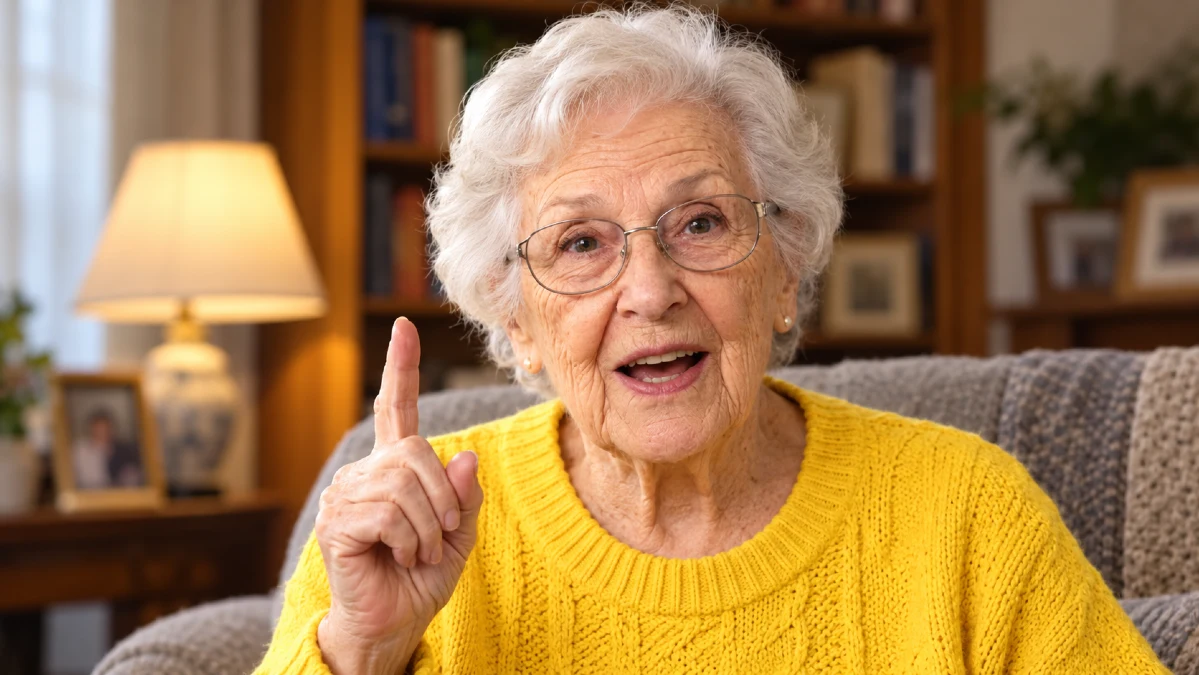
At 92, Linda knows something she desperately wishes she had understood at 60: time does not announce when it is running out.
One day, life is filled with familiar routines, family dinners, and plans for the future. Then someone you love is gone, your body needs help with ordinary tasks, and the years you thought were still ahead suddenly feel much shorter.
Linda spent 38 years working as a high school guidance counselor in Pittsburgh before retiring at 70. She raised children, welcomed grandchildren, enjoyed a long marriage, and believed she had prepared reasonably well for growing older.
She had savings, a husband she loved, and children who cared about her. Yet nothing fully prepared her for losing lifelong friends, becoming a widow, or suffering a stroke that changed her ability to live independently.
1. Build Physical Strength Before Everyday Tasks Become Difficult
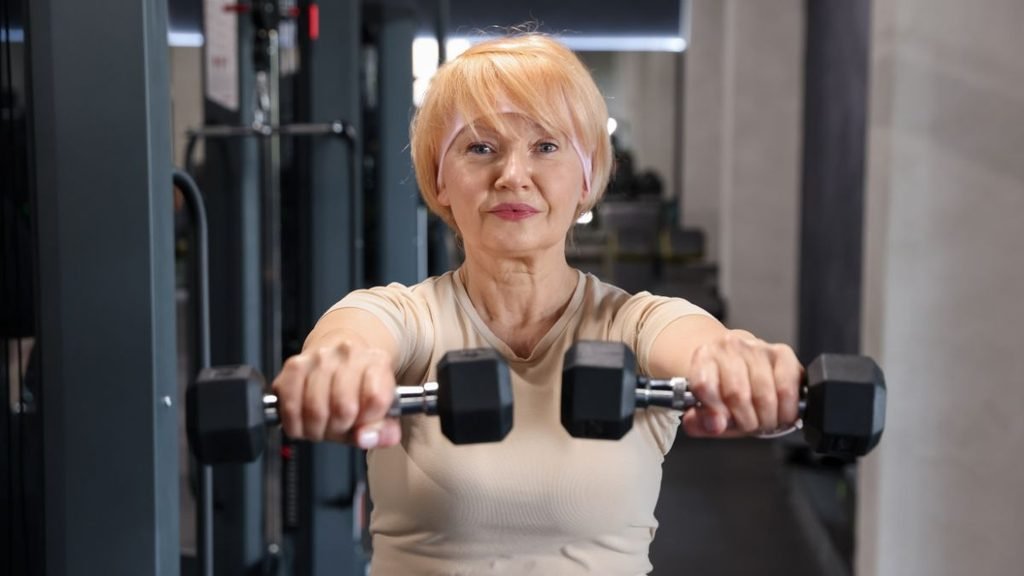
When Linda was 62, walking three miles felt ordinary. She could carry groceries upstairs, spend hours in the garden, and sit on the floor with her grandchildren without worrying about how she would stand up again.
She never considered those abilities special because she had always possessed them. By 75, a long walk required more effort, and by 80, she sometimes needed to rest while climbing the stairs.
At 84, a stroke changed her independence more dramatically than she could have imagined. Tasks that once required little thought suddenly demanded assistance, patience, and careful planning.
Linda’s biggest regret was not treating physical strength as something worth protecting. She exercised occasionally, but she never made maintaining muscle, balance, and flexibility a serious part of her weekly routine.
Growing older does not mean every physical decline is unavoidable. Many older adults can still improve their strength and balance through appropriate exercise, although health conditions and disabilities may affect what is possible.
Linda now encourages people in their 60s to stay active while everyday movement still feels manageable. Walking, strength exercises, and activities that improve balance can help preserve the ability to perform ordinary tasks.
She believes people often appreciate physical independence only after it becomes harder to maintain. The ability to get out of a chair, climb stairs, and move safely around the house deserves more attention than it usually receives.
2. Keep Making Friends, Even When You Already Have Wonderful Ones
For almost 40 years, three women were among the most dependable parts of Linda’s life. Barbara, Eileen, Margaret, and Linda called themselves the Tuesday girls because they met for lunch nearly every Tuesday.
They raised their children, worried about their marriages, celebrated birthdays, and supported one another through difficult family years. Linda assumed those friendships would last forever because they had already shared so much.
Barbara died in 2008. Eileen died in 2014, and Margaret died in 2020. Linda eventually became the only Tuesday girl left.
The hardest part was not simply losing people she loved. It was losing friends who remembered her younger self, knew her parents, and could recall stories that nobody else remembered quite the same way.
Linda’s mistake was believing that lifelong friendships meant she no longer needed new ones. During her 60s, she could have joined more groups, invited neighbors for coffee, and developed friendships outside her familiar circle.
Instead, she continued relying on the same comfortable relationships. She never considered how quickly that circle might become smaller.
At 92, Linda encourages people approaching retirement to keep meeting people of different ages. A younger neighbor, a fellow volunteer, or someone from a weekly class may eventually become an important source of companionship.
Nobody can replace the friends who have died. But new friendships can still bring laughter, conversation, and something pleasant to anticipate during the week.
3. Have the Difficult Conversations About Money, Illness, and Death

Linda’s mother was 89 when she suffered a stroke that left her unable to speak. She lived another three years, but her family spent much of that time wondering what she would have wanted.
They lacked clear answers about medical treatment, finances, and important documents. Decisions became more stressful because everyone was trying to do the right thing without knowing her wishes.
Linda promised herself she would never leave her children in the same position. Yet she continued delaying those conversations because discussing death felt uncomfortable.
She finally sat down with Lisa and Michael when she was 74. They talked about her wishes, where important information could be found, and how she wanted certain decisions handled.
Linda believes she should have had those conversations ten years earlier. Planning would not have prevented illness or death, but it could have reduced uncertainty for the people who cared about her.
She now recommends discussing several important matters before a medical emergency creates additional pressure.
| What to Discuss | Why It Matters |
|---|---|
| Medical care preferences | Helps loved ones understand treatment wishes |
| Will and estate documents | Clarifies how property and belongings should be handled |
| Financial accounts | Makes important information easier to locate |
| Health care decision-maker | Identifies who can speak for someone when necessary |
| Housing and future care | Prepares families for possible changes in independence |
| Important contacts | Helps relatives find people who should be notified |
Linda also believes these discussions should be supported by appropriate legal documents. Families should prepare and review those documents based on their circumstances and local laws.
What she once considered an uncomfortable conversation eventually became one of the most practical ways to protect her family from unnecessary confusion.
4. Retirement Will Not Automatically Give Your Life Meaning
Linda spent decades looking forward to retirement. After 38 years of helping students with academic problems, family troubles, and career decisions, she thought a quieter life would feel wonderful.
When she retired at 70, she expected to enjoy gardening, traveling, reading, and spending more time with her family. Instead, she discovered something unsettling about herself.
For most of her adult life, being a guidance counselor had given her an identity. People needed her advice, expected her to show up, and relied on her to help solve problems.
Once that disappeared, Linda struggled to find a reason to get moving each morning. Without a job title, schedule, or familiar responsibilities, her days began to feel strangely empty.
It took nearly three years before she became comfortable with retirement. Eventually, she discovered watercolor painting, volunteered at the library, and began enjoying ordinary afternoons with her daughter.
Linda’s lesson is to build a meaningful life outside work before retirement begins. Hobbies, friendships, volunteer activities, and personal interests can provide structure when professional responsibilities disappear.
Retirement can offer wonderful freedom, but that freedom may feel uncomfortable when someone has no idea what to do with it.
Linda learned that purpose does not need to be impressive. Caring for a garden, helping someone learn a skill, or having a regular place to volunteer can make an ordinary Tuesday feel worthwhile.
5. Stop Assuming You Have Plenty of Healthy Years Left With Your Spouse

Linda and her husband, Anthony, were married for 63 years. When people heard that number, they often told her how fortunate they were to share so much time together.
They were fortunate, but those years were not all alike. Their early marriage involved raising children, paying bills, and managing responsibilities that left little time for themselves.
Later, they experienced a difficult period when their relationship nearly ended. They worked through it, and their marriage became stronger, especially as they entered their 50s.
Those years gave them the companionship Linda had always wanted. They traveled, enjoyed their grandchildren, and found pleasure in spending ordinary days together.
Then age began changing what they could do. Medical appointments became more frequent, outings required additional planning, and activities they once enjoyed became harder.
Anthony eventually died unexpectedly at a hardware store while Linda was home preparing a grocery list. What she remembers most is how completely ordinary that day had seemed.
Linda wishes they had stopped saving so many enjoyable experiences for later. She wishes they had taken another trip, accepted more invitations, and spent fewer good afternoons worrying about small problems.
Her lesson extends beyond marriage. The people who make life better deserve attention while there are still opportunities to spend meaningful time together.
A nice dinner, a weekend drive, or an evening talking on the porch may eventually become more precious than anything money can buy.
6. Some Arguments Are Not Worth the Years They Take Away
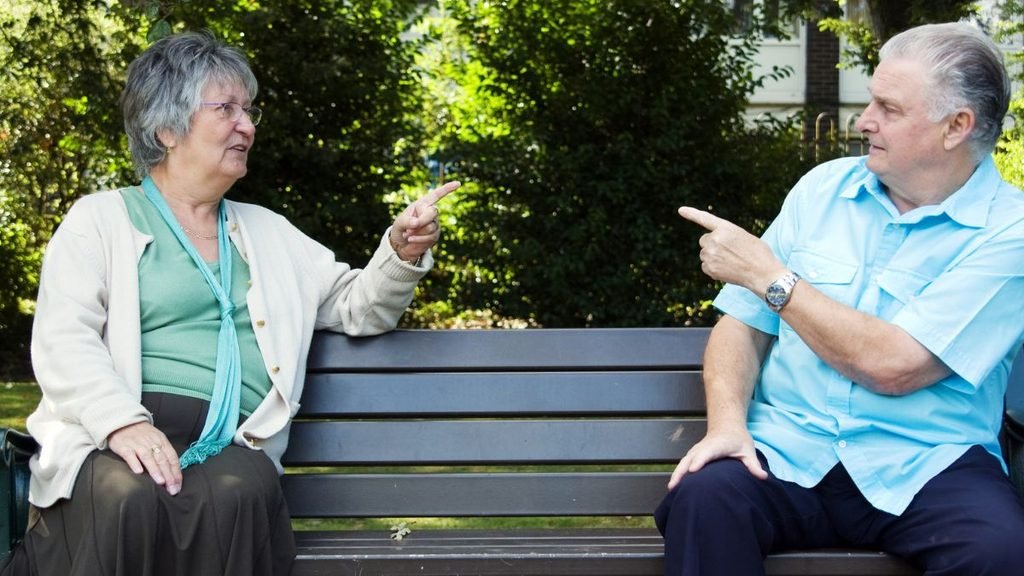
Linda and her brother Frank stopped speaking after a disagreement about their mother’s care and money. Both believed they were right, and neither wanted to apologize first.
At the time, Linda considered her silence a matter of principle. She believed reaching out would mean admitting that everything had been her fault.
Years passed, and what began as an argument slowly became a habit. Holidays came and went without conversations, and family gatherings passed without the two of them sitting together.
Frank died of a heart attack at 79. They had spent eight years not speaking, and the opportunity to repair their relationship was gone.
Linda has thought about those lost years more often than she cares to admit. The disagreement felt enormous when it happened, but it now seems painfully small compared with the years they could have shared.
She learned that making peace does not always require winning an argument. Sometimes it means acknowledging hurt, taking responsibility for personal mistakes, and allowing another person to see that the relationship matters.
That does not mean everyone should return to a harmful relationship. Forgiveness can happen privately, and healthy boundaries remain necessary when someone has caused serious harm.
But Linda believes old disagreements deserve another look when pride is the only thing keeping two people apart.
She can no longer call Frank or hear his voice. The chance to settle their differences disappeared long before she was ready to lose it.
7. Your Adult Children Need Your Love More Than Your Constant Advice

After spending decades as a guidance counselor, Linda became very good at offering advice. Unfortunately, she often brought that professional habit home.
During her 60s, she gave Lisa and Michael opinions about their careers, marriages, parenting choices, and financial decisions. She believed she was helping because she wanted them to avoid unnecessary mistakes.
What Linda did not understand was that her children sometimes needed a mother rather than another person evaluating their decisions.
They wanted her to visit, share meals, enjoy the grandchildren, and listen to what was happening in their lives. They did not always need her to explain what they should do next.
Her relationship with Michael became especially strained, and they spent seven years not speaking. Over time, she recognized how much her attempts to guide him could feel like criticism.
Linda learned that listening can be a greater act of love than giving advice. Adult children need space to build their own lives, even when their decisions differ from what their parents would choose.
She eventually began asking more questions before offering solutions. When family members described a problem, she tried to understand what they were experiencing instead of immediately suggesting an answer.
There is still a place for parental advice, especially when it is requested. But being available, interested, and respectful can strengthen relationships more than constantly trying to prevent every mistake.
8. Write Down Your Memories While the Details Are Still Clear
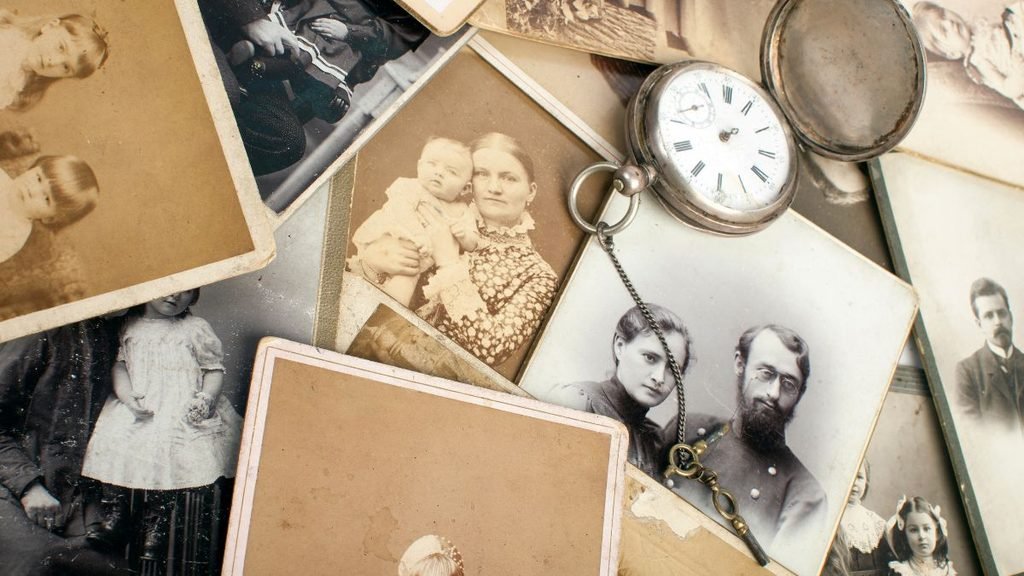
Linda has 11 grandchildren and six great-grandchildren. She keeps a list of birthdays because remembering every date without checking has become difficult.
Some older memories remain surprisingly clear, while other details are harder to recall. The stories that trouble her most are the ones she never wrote down and now struggles to reconstruct.
She wishes she had recorded more about her parents, the house where she grew up, her early marriage, and the years when her children were small.
Some of those family stories existed only in conversations that were never preserved. Over time, the people who could have helped her remember certain details were no longer there.
Linda started keeping a journal at 78. It became one of the simplest and most meaningful habits of her later years.
Now she can leave behind more than photographs. Her writing records family recipes, funny incidents, names, and memories that younger relatives might otherwise never hear.
Linda believes people should begin preserving their stories long before memory becomes a concern. A notebook, voice recording, collection of photographs with captions, or short weekly journal can become a meaningful family keepsake.
She recommends starting with the people and moments that deserve to be remembered. Childhood homes, first jobs, family traditions, and important relationships provide a good beginning.
Memory changes vary greatly between individuals, and significant new memory difficulties should receive medical attention rather than being dismissed as ordinary aging.
Linda sees writing as a way of preserving family history. It gives future generations a chance to understand who their relatives were long before they became grandparents or great-grandparents.
9. Fear Does Not Mean You Are Too Weak to Face What Comes Next

During her 60s, Linda worried about growing older. She feared becoming sick, losing Anthony, and someday depending on other people for ordinary tasks.
Her solution was to avoid thinking about those possibilities. She convinced herself that worrying less about aging meant she was handling it well.
But avoiding difficult subjects did not prepare her for what eventually happened. Anthony died, she suffered a stroke, and she ultimately needed to live with her daughter because she could no longer manage safely on her own.
Those changes were frightening. Linda missed her old routines, felt frustrated by physical limitations, and sometimes wished she could return to the life she had known.
Yet something unexpected happened. Even after losing abilities she once considered essential, she discovered that there were still moments worth enjoying.
She could laugh at her granddaughter’s jokes, look forward to family visits, enjoy a cup of coffee, and appreciate the sound of familiar voices around the house.
Linda learned that courage does not mean living without fear. It means gradually accepting that fear and meaningful experiences can exist at the same time.
She wishes she had spent fewer of her younger retirement years worrying about situations she could not fully control. Preparing for reasonable possibilities would have helped more than repeatedly imagining the worst.
Nobody knows exactly how aging will unfold. Some people remain independent into their 90s, while others experience serious health problems much earlier.
Linda believes the goal is not to eliminate every worry. It is to keep fear from controlling decisions that could make life more enjoyable.
10. Independence Is About Having Choices, Not Refusing Help

Before her stroke, Linda associated independence with doing everything herself. She managed her household, organized appointments, shopped for groceries, and made her own daily decisions.
When those abilities changed, she struggled with needing assistance. Depending on her daughter felt very different from being the person who had once taken care of everyone else.
Over time, Linda began to understand independence differently. She could no longer do everything alone, but she could still express preferences, participate in decisions, and maintain parts of her usual routine.
She learned that accepting help does not erase a person’s dignity. A mobility aid, family assistance, safer housing arrangement, or transportation service can sometimes preserve choices rather than remove them.
Linda now wishes she had thought more seriously about housing before an emergency forced a decision. A comfortable home can become difficult to manage when stairs, bathrooms, maintenance, or isolation turn into daily obstacles.
She believes several practical questions deserve attention before someone reaches their 80s.
| Area to Review | Question Worth Asking |
|---|---|
| Home safety | Could the home remain manageable if balance or mobility changed? |
| Transportation | How would appointments and shopping be handled without driving? |
| Daily support | Who could help with meals or household tasks? |
| Money | Could available finances cover additional care expenses? |
| Medical decisions | Does someone understand the person’s care preferences? |
| Social life | Could friendships continue if leaving home became difficult? |
These discussions may seem premature at 60 or 65. However, planning early can provide more options when circumstances eventually change.
Linda cannot return to the independence she enjoyed at 62. She can still appreciate the decisions she makes today and the people who help her maintain as much control as possible.
11. A Smaller Life Can Still Be a Meaningful One
One of Linda’s hardest adjustments has been accepting that her world looks different from the way it once did.
She previously measured enjoyable days by how much she accomplished. She could work, travel, visit family, run errands, and still have energy left for an evening out.
At 92, a pleasant day might involve a conversation with her daughter, a visit from a grandchild, or a quiet afternoon enjoying something familiar.
For a while, Linda compared everything with the past. She thought about places she could no longer visit and activities she could no longer manage.
That habit made the present feel smaller than it needed to be. Instead of noticing enjoyable experiences, she often focused on everything that had changed.
Linda gradually learned that a meaningful life does not have to remain the same size forever. Happiness may take a different form, but it does not automatically disappear when certain abilities are lost.
She still misses walking without effort and making plans without considering physical limitations. Those losses remain real, and she does not pretend they are easy.
But she has also learned to recognize what remains. Family conversations, creative interests, familiar routines, and the opportunity to make someone laugh still give her days value.
A person who can no longer travel may still enjoy visitors. Someone who stops driving may maintain friendships through regular calls, while a former gardener may find satisfaction tending a few containers.
Adaptation cannot solve every hardship. But Linda believes it can create room for experiences that are still worth having.
12. Ordinary Routines and Small Pleasures Matter More Than She Expected

When Linda was younger, she imagined retirement would involve major experiences. She pictured long vacations, beautiful places, family celebrations, and plenty of time doing whatever she wanted.
Those experiences were wonderful when they happened. Yet at 92, many of the memories she returns to involve days that seemed completely ordinary at the time.
She remembers sitting across from her Tuesday friends, hearing Anthony talk about his work, and laughing with her children over dinner.
She remembers discovering that watercolor painting made an afternoon pass pleasantly. She also remembers the satisfaction of helping someone during her volunteer hours at the library.
Linda came to appreciate how small routines provide comfort when bigger things are changing. Familiar activities gave her something to anticipate and helped make the passing weeks feel meaningful.
She wishes she had appreciated those ordinary experiences earlier instead of treating them as something to get through before the next exciting event.
A satisfying weekly routine does not need to be complicated or expensive.
| Part of Life | A Simple Weekly Habit |
|---|---|
| Friendship | Call or visit someone you enjoy |
| Movement | Make time for activity suited to your abilities |
| Purpose | Help someone or work on a personal project |
| Family | Share a meal or enjoy an unhurried conversation |
| Enjoyment | Spend time on a hobby purely because it feels good |
| Reflection | Write down one memory or something worth appreciating |
Linda does not believe every hour should be filled with activity. Rest and quiet time matter, particularly when health or energy levels change.
But she appreciates having something pleasant ahead, even if that means a Sunday family visit or coffee with a neighbor.
After nine decades, many of the moments she values most are the ones she repeated so often that she barely noticed their importance until they were gone.
13. Time Passes Faster Than You Think, So Stop Saving Life for Later

This is the lesson Linda most wants people in their 60s to understand.
When she was younger, ten years felt like an enormous amount of time. There were careers to build, children to raise, bills to pay, and countless plans that seemed possible somewhere in the future.
After retirement, the years began to feel shorter. Birthdays came around quickly, familiar routines blended together, and suddenly she was remembering events that had happened a decade earlier.
She turned 70, then 80, then 90. Now she is 92, and she often wonders how those years passed so quickly.
Anthony died six years ago. They had shared 63 years of marriage, yet no amount of time together made saying goodbye easy.
Linda still talks to him sometimes before falling asleep. She tells him about the family, the little things that happened during the day, and the moments when she particularly misses him.
She knows he cannot answer. But speaking to him remains one way she feels connected to the life they shared.
If Linda could return to her 60s, she would stop assuming there would always be another opportunity. She would make the phone call, visit the friend, plan the outing, and tell people how much they mattered.
She would spend less time worrying about things that never happened. She would pay more attention to the conversations taking place right in front of her.
Linda would still save money, plan for the future, and handle responsibilities. But she would stop behaving as though enjoying life had to wait until every problem was solved.
Her biggest lesson is that preparing for tomorrow should not mean sacrificing every good opportunity available today.
What Linda Would Tell Anyone in Their 60s Today
If Linda could spend one afternoon with her younger self, she would not use it to warn her about every terrible thing that might happen. She would remind her how much of life was still available to enjoy.
At 60, Linda had a body that allowed her to move freely, friendships that had lasted decades, a husband beside her, and children who were building lives of their own. She did not fully recognize how precious that ordinary combination of circumstances was.
She would encourage her younger self to protect her health without becoming obsessed with aging. She would tell her to expand her friendships, organize important documents, develop interests outside work, and treat family relationships with greater patience.
Most of all, she would remind her that time is not an unlimited resource.
Linda believes people do not need to make every change at once. A single thoughtful action can make the coming year a little better.
That might mean calling someone they miss, scheduling an overdue medical appointment, beginning an appropriate strength routine, discussing future care wishes, or writing down an important family story.