
Layered Haircuts for Wavy Hair: 15 Effortless Ideas with Natural Movement
Wavy hair already has movement built in, so layers just give it somewhere to go.
The right cut can turn frizz-prone lengths into soft, bouncy shape.
Here are fifteen ways to let your waves do the work.
Long Layers with Natural Bend
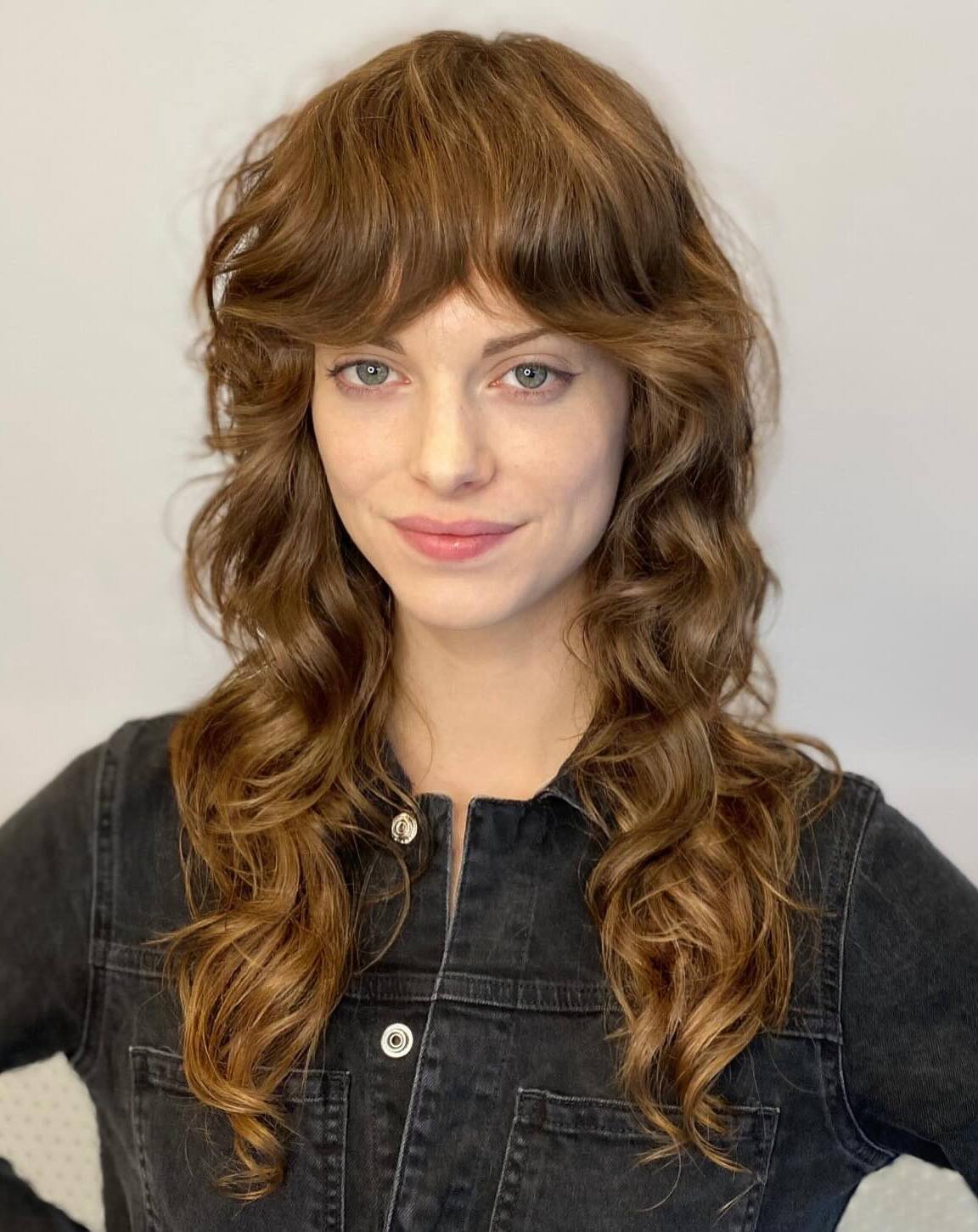
This cut keeps the length but removes weight through the mid-shaft, so the wave pattern can actually show up instead of getting pulled straight.
The layers start low, which means you still get that long, swishy feel without losing volume at the crown.
It works well if you air dry most days and want a style that needs very little product to look finished.
Best for: Thick to medium wavy hair that falls flat under its own weight.
Heat free: Scrunch with a curl cream and let it dry on its own.
Shoulder-Length Layers with Curtain Fringe

Curtain fringe splits down the middle and blends into the layers on each side, so it grows out gracefully instead of turning into an awkward stage.
Shoulder length is the sweet spot for wavy hair because it is long enough to hold a bend but short enough to stay light.
The fringe softens the face without needing to be flat ironed every morning.
Quick styling: Twist the fringe pieces around a finger while damp to encourage the wave.
Feathered Layers with Face-Framing Pieces
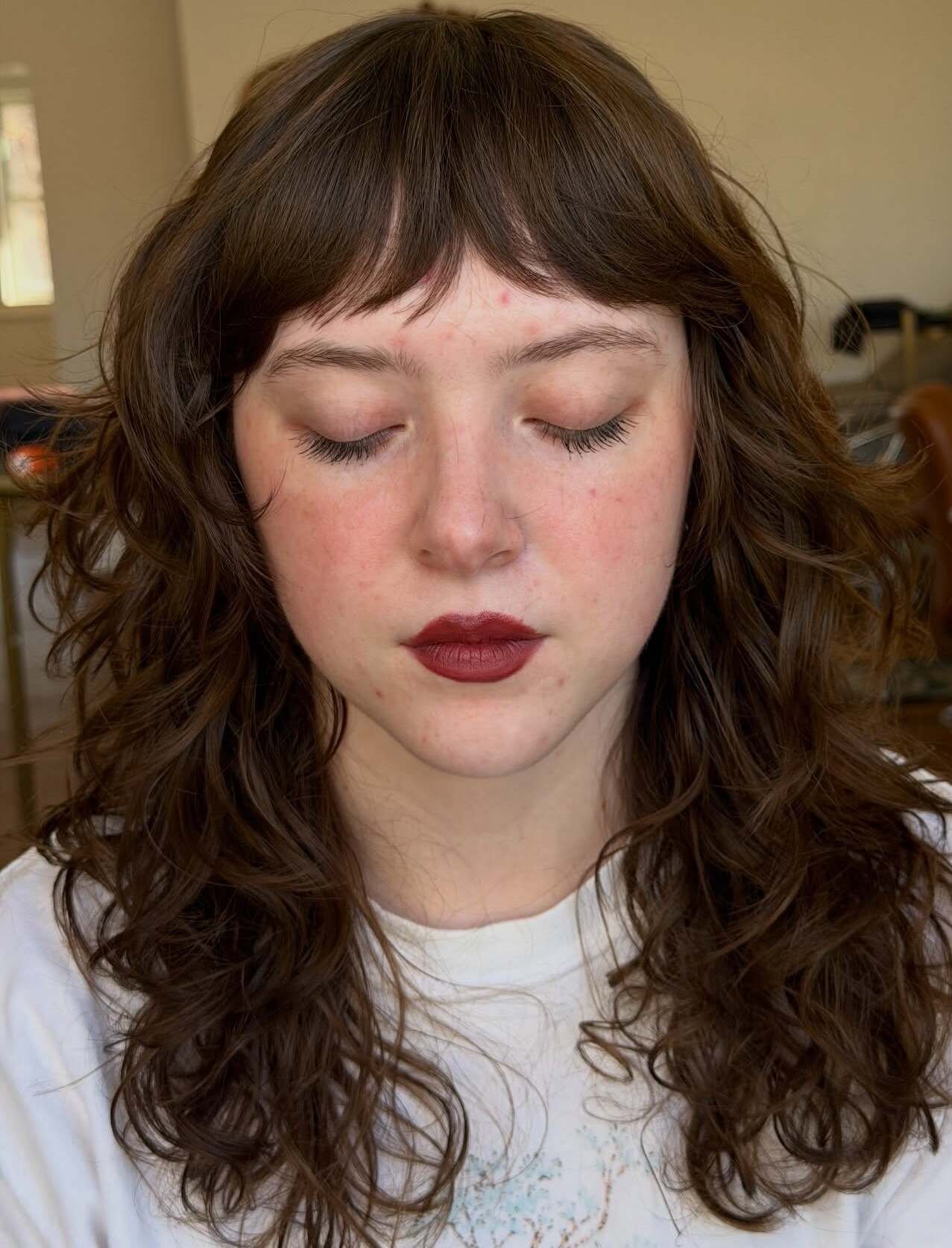
The feathering here is what keeps thick wavy hair from looking like a triangle. Thin layers at the ends flick outward instead of sitting heavy.
Face-framing pieces are cut a little shorter so they curl up toward the cheekbones on their own.
It reads polished even on days when the rest of your hair is left completely undone.
Good to know: Ask your stylist for point cutting instead of blunt layering to keep the feathered effect.
Stays put through: A full workday without needing a touch-up.
Long Layers with a Deep Side Part
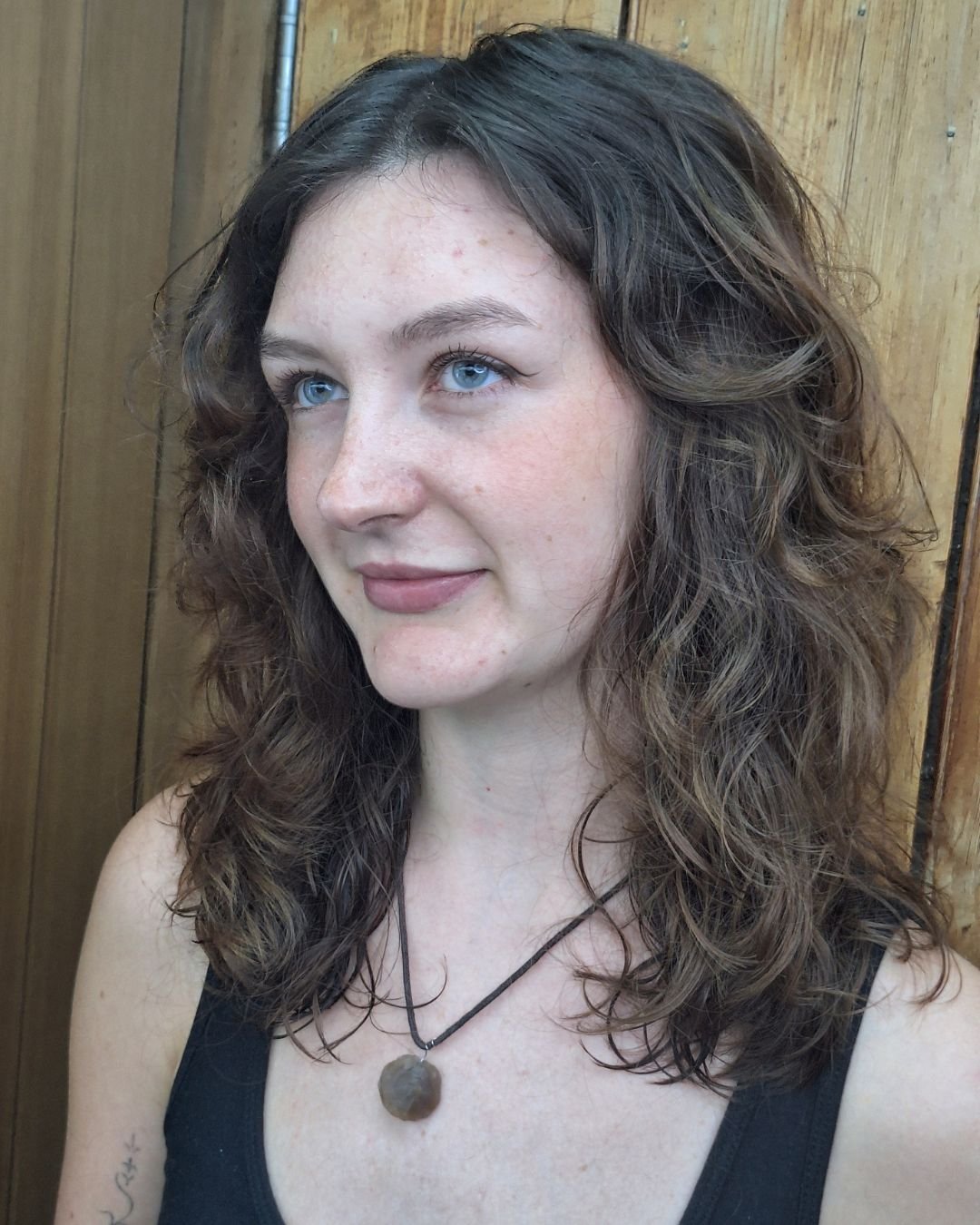
A deep side part changes how the layers fall, giving one side more sweep and the other more volume near the root.
This is an easy way to get a different look out of the same haircut depending on how you part it that day.
The longer layers on the heavier side help balance out the extra volume so nothing looks lopsided.
Pro tip: Switch your part every few weeks to keep the roots from going flat in one spot.
Shaggy Layers with Volume at the Crown
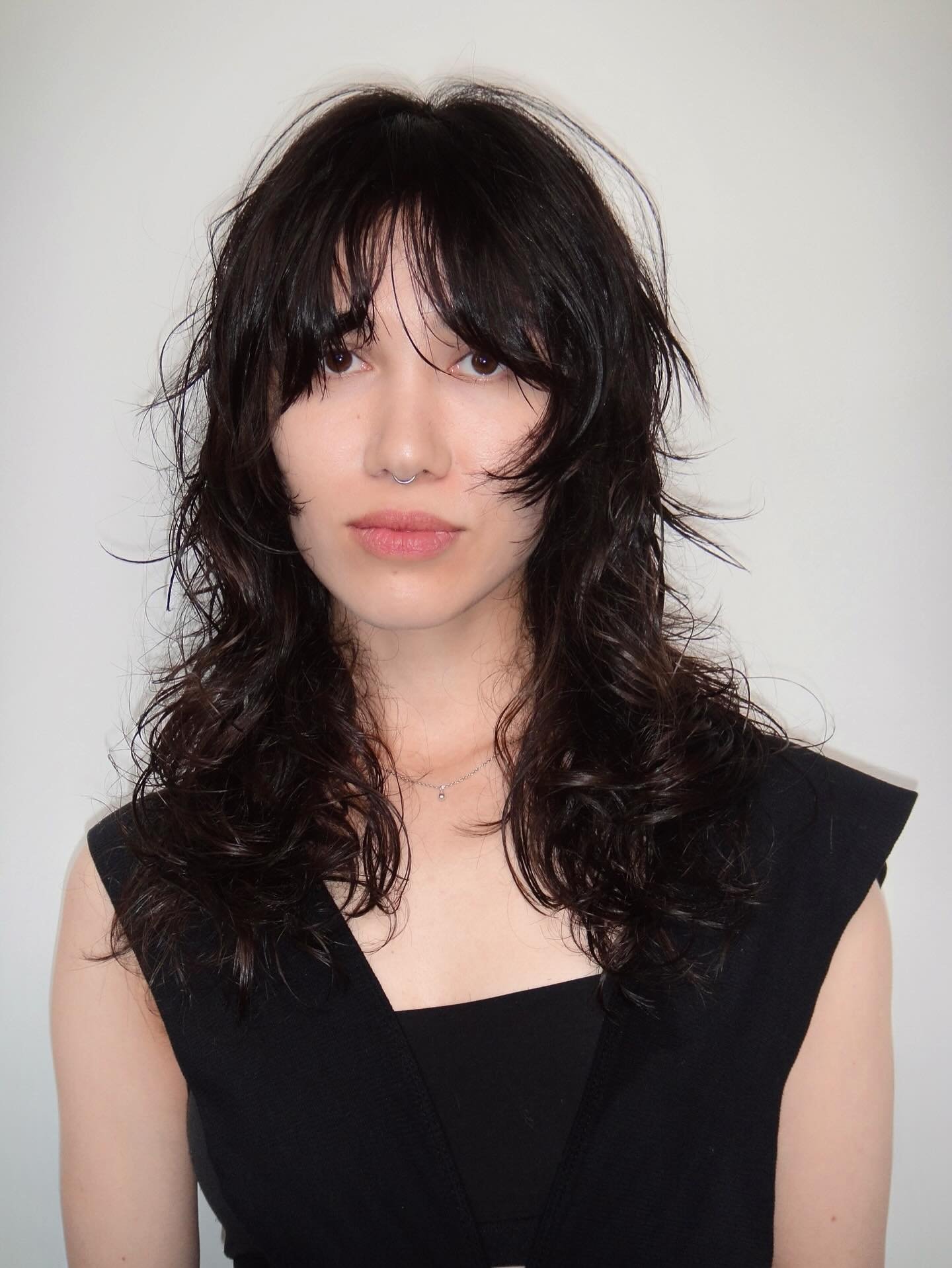
This one leans into the shag, with shorter layers up top that create lift right at the roots.
Wavy hair holds this kind of texture especially well because the layers already have somewhere to break and separate.
It looks intentionally undone, which takes the pressure off getting every piece perfect.
For root volume: Dry the crown upside down for thirty seconds before finishing the rest.
Works great if: Your hair tends to go limp by midday.
Long Layers with Rounded Ends

Rounding off the ends instead of cutting them blunt keeps the silhouette soft, which suits a wave pattern much better than a sharp line.
The layers are subtle here, mostly working around the face rather than throughout the whole head.
It is a low-maintenance option if you want layers without a dramatic change in shape.
At home tip: Diffuse on low heat to keep the ends from frizzing at the edges.
Choppy Layers with a Textured Finish
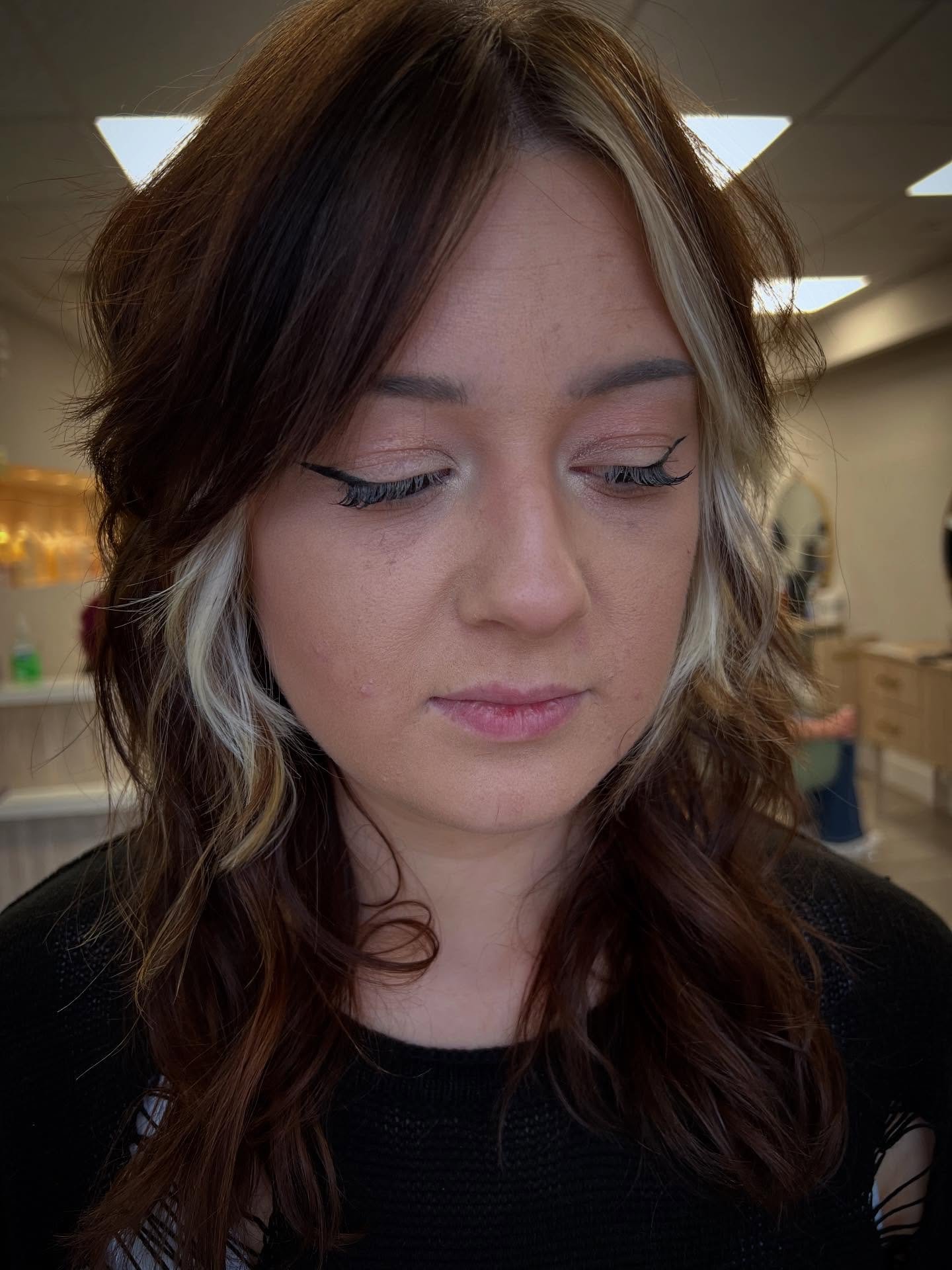
Choppy layers are cut with a razor or slide cutting, which roughs up the ends and gives wavy hair extra grip for texture.
This style photographs well because the pieces catch light differently instead of falling in one smooth sheet.
It also hides the line between wash days since the texture already looks a little undone.
Fighting frizz: A lightweight oil on the ends keeps choppy pieces from puffing up.
Takes about: Fifteen minutes to refresh with a curling wand if needed.
Mid-Length Layers with Soft Waves

Mid-length hits a practical spot between long and short, long enough to tie back but short enough to dry quickly.
The layers here are gentle, mostly there to keep the ends from looking too heavy.
It suits people who want movement without committing to a big length change.
Comfortable all day: Light enough that it won’t drag on your neck in the heat.
Long Layers with a Center Part
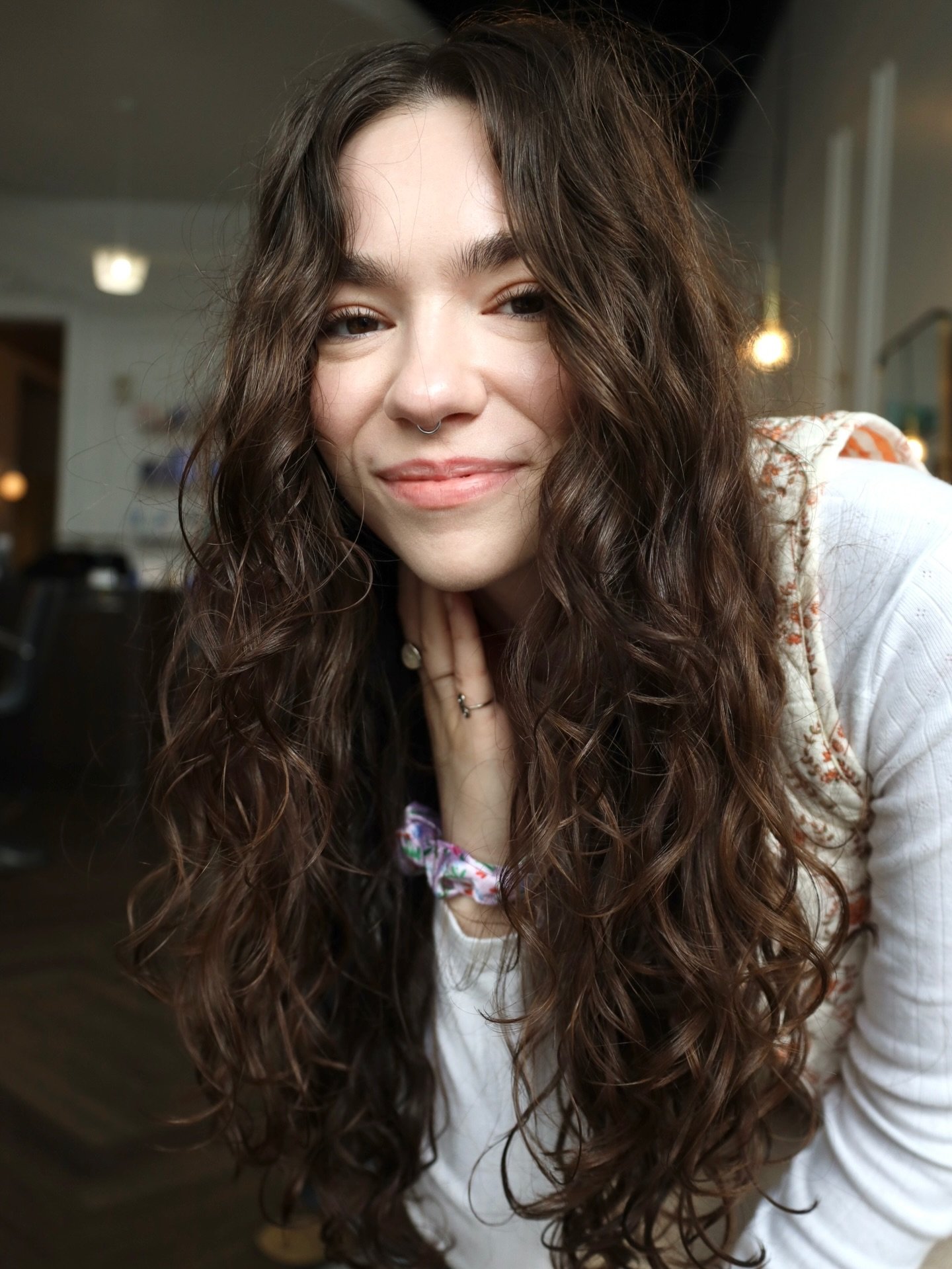
A center part keeps things symmetrical, which lets the layers fall evenly on both sides without any extra styling effort.
This is a good choice if your waves are naturally balanced and you don’t want to fuss with a part every morning.
The layers add just enough shape to keep the front from looking like a curtain.
Easy to maintain: Works with a simple comb-through and no heat tools.
Layered Lob with Bouncy Ends
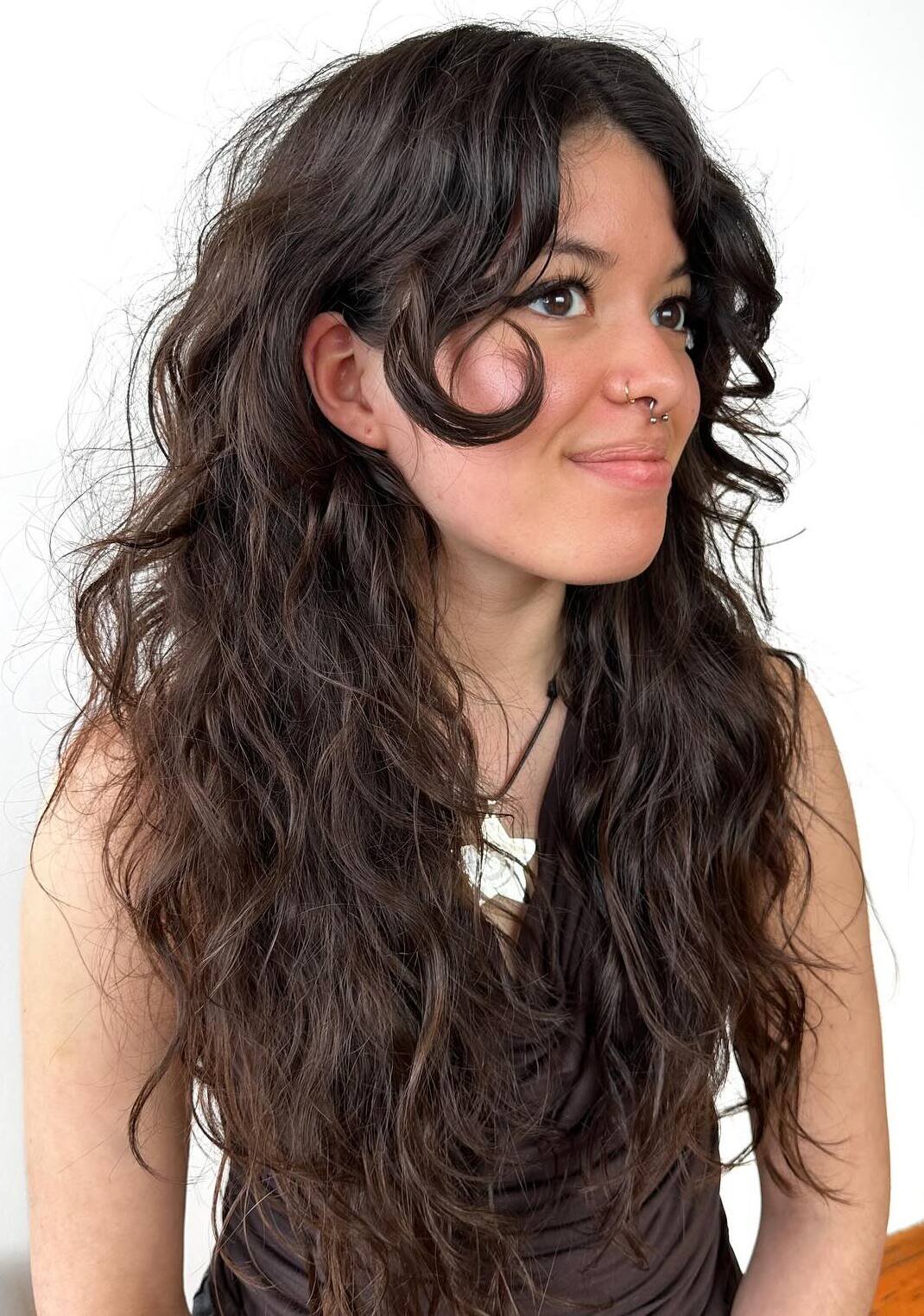
The layered lob keeps most of the length near the jaw and shoulders while thinning out the very ends so they curl up instead of hanging flat.
It is one of the easiest cuts to grow out since there is no dramatic shape to lose.
The layers give it just enough lift to avoid looking like a solid block of hair.
Salon tip: Ask for internal layers only if you want to keep the outline blunt.
For that finish: A sea salt spray brings out the bend without weighing it down.
Long Layers with Subtle Highlights

Layers do double duty when there is color involved, since they help highlights travel through the hair instead of sitting in one flat panel.
The lighter pieces catch on the outside of each wave, which makes the whole cut look more dimensional in person.
It is worth mentioning to your colorist if you already have layers cut in, since placement changes based on the shape.
Ask your stylist: About face-framing highlights to brighten up the layers near the front.
Short Layers with a Rounded Silhouette
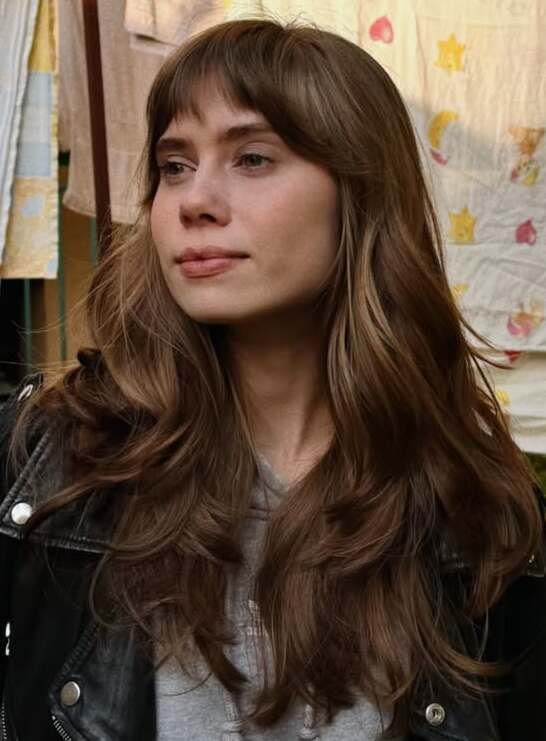
Shorter layers pull the whole shape in closer to the head, which suits waves that get big and want somewhere to settle.
This cut needs a bit more upkeep since shorter layers grow out faster than long ones.
It is a strong option if you want something lower maintenance day to day, even if the trims are more frequent.
Takes about: A trim every eight to ten weeks to hold the shape.
Long Layers with Tousled Beach Texture
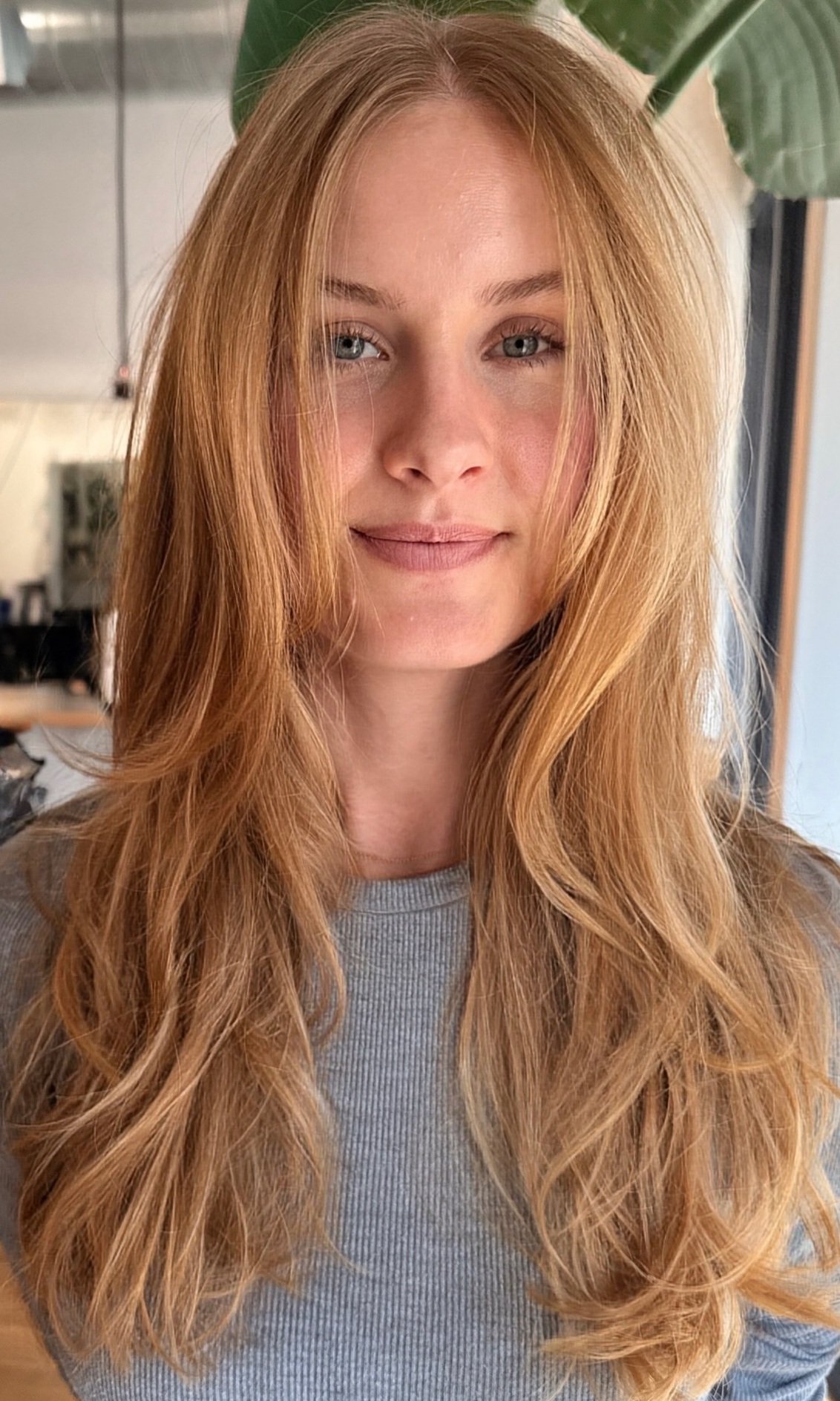
This look leans into a tousled, just-back-from-the-beach texture, which wavy hair naturally does better than most other hair types.
The layers help separate strands so the waves clump together instead of frizzing into one another.
A texturizing spray at the roots is really all this style needs to look finished.
Water friendly: Holds up well in humidity since it’s meant to look a little undone.
Morning hack: Refresh day-old waves with a spritz of water and a scrunch.
Layered Cut with a Blunt Perimeter
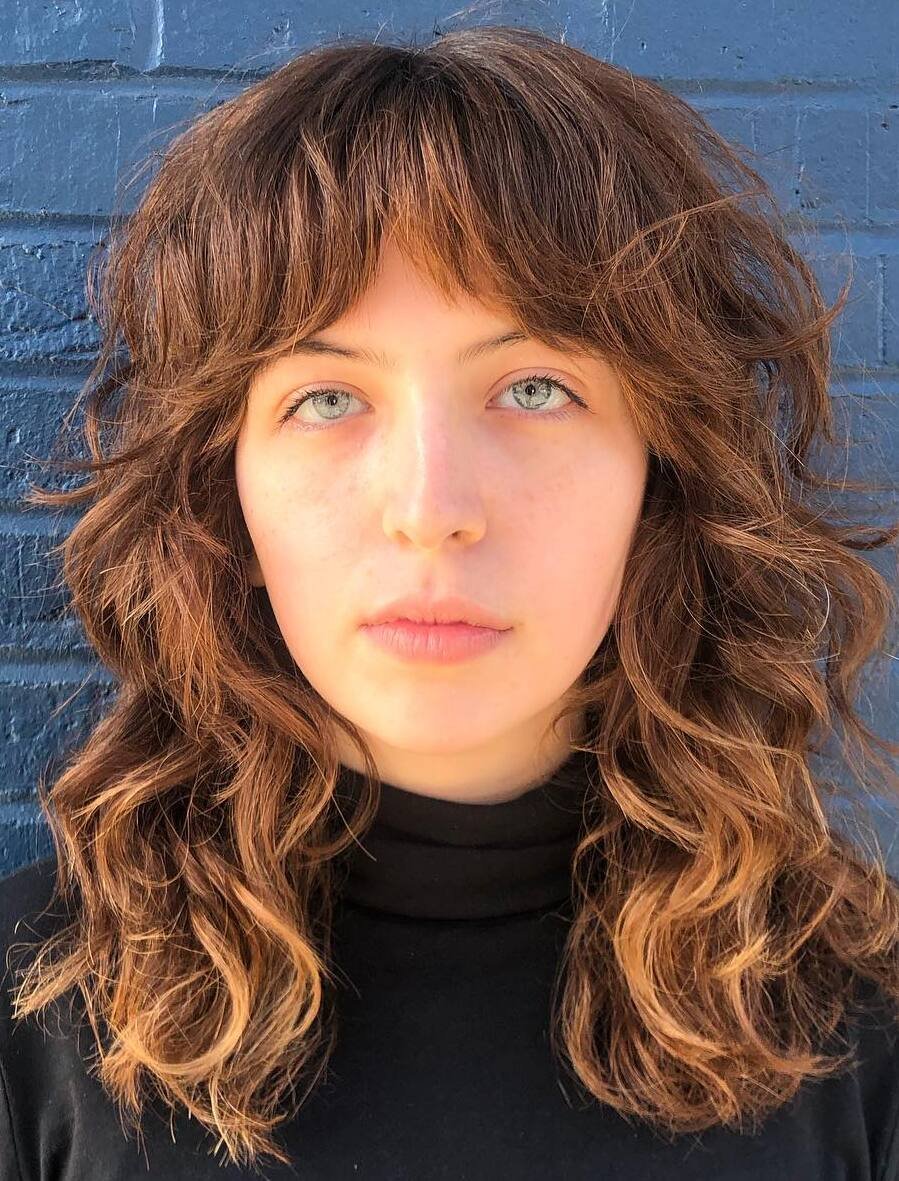
Keeping the outer edge blunt while layering underneath gives you the best of both, a clean line on the outside with movement hidden inside.
This works especially well for finer wavy hair that can look sparse with layers cut all the way through.
From the outside it reads as one solid shape until the waves catch and separate the ends.
Best for: Fine to medium wavy hair that needs the appearance of extra density.
Long Layers with a Natural Middle Part
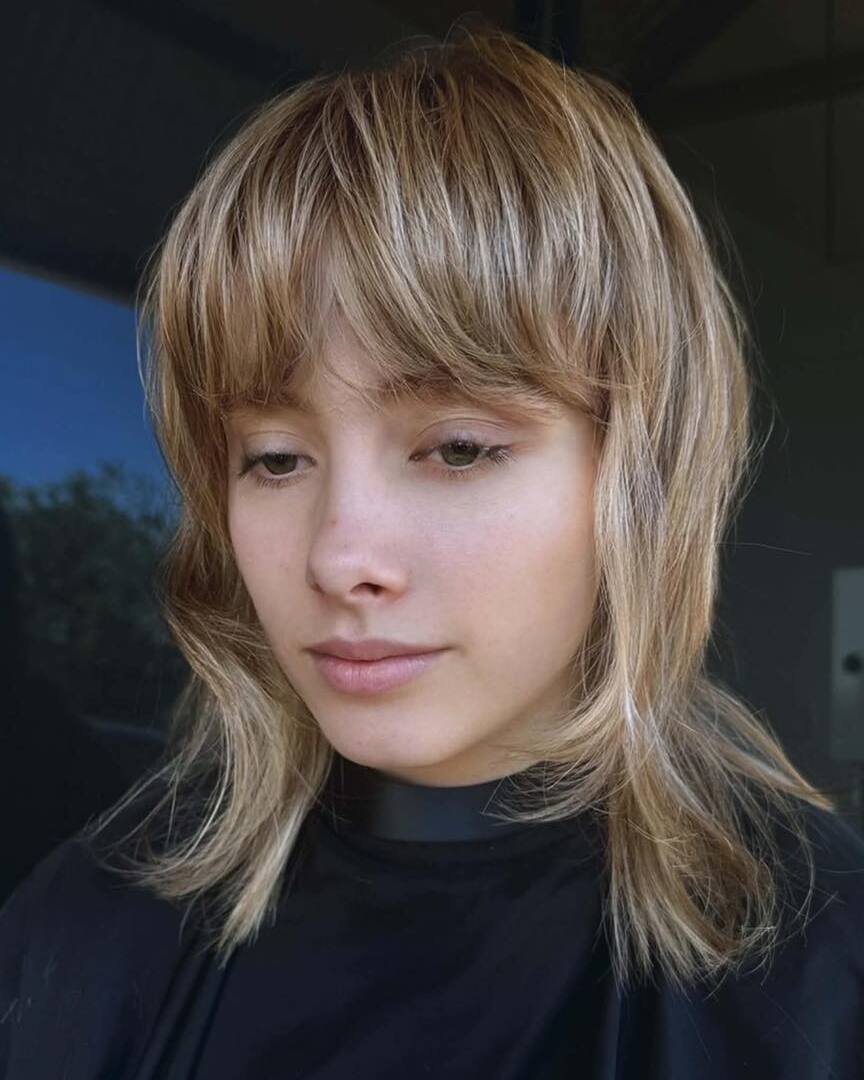
This is a simple, wearable version of layering, where a natural middle part lets the hair fall exactly where it wants to.
The layers are cut long and soft, so the transition between lengths is barely noticeable.
It is a good template to bring to a consultation if you’re not sure how dramatic you want your layers to be.
Keeps it smooth: A light leave-in conditioner prevents the ends from tangling during the day.