
Textured Bob Hairstyles: 15 Ideas
A textured bob makes short hair feel lighter, fuller, and far less predictable.
The right layers can add lift at the crown, movement through the sides, or softness around the face.
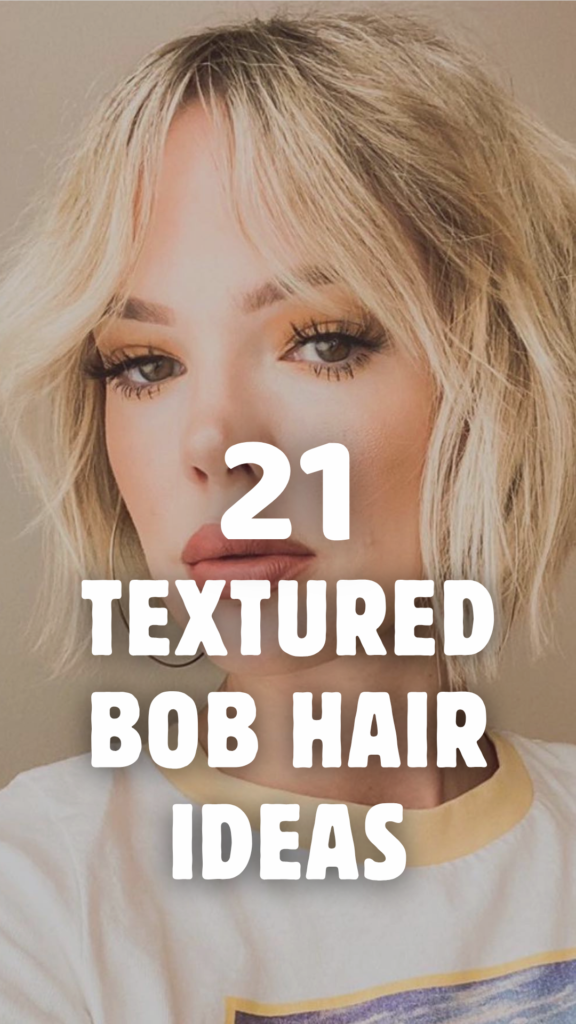
These 15 ideas show how choppy ends, loose waves, fringe, and graduation can give a bob real personality.
Choppy Angled Bob with Tousled Layers
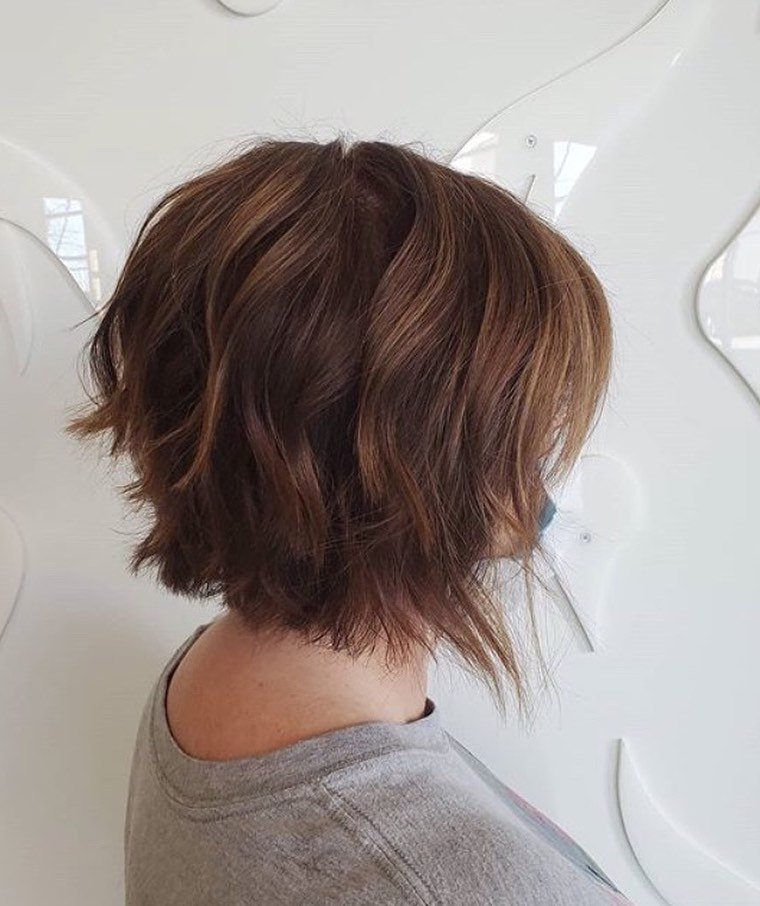
The shorter back gives this bob lift while the longer front pieces keep the shape soft around the face.
Choppy surface layers stop the cut from sitting in one heavy block and make the texture easier to separate.
A slightly undone finish suits the shape better than a perfectly smooth blow-dry.
Best for: Fine to medium hair that needs more movement through the crown.
For that finish: Work a small amount of texture paste through the ends with dry fingers.
Blunt Wavy Bob with Face-Framing Pieces
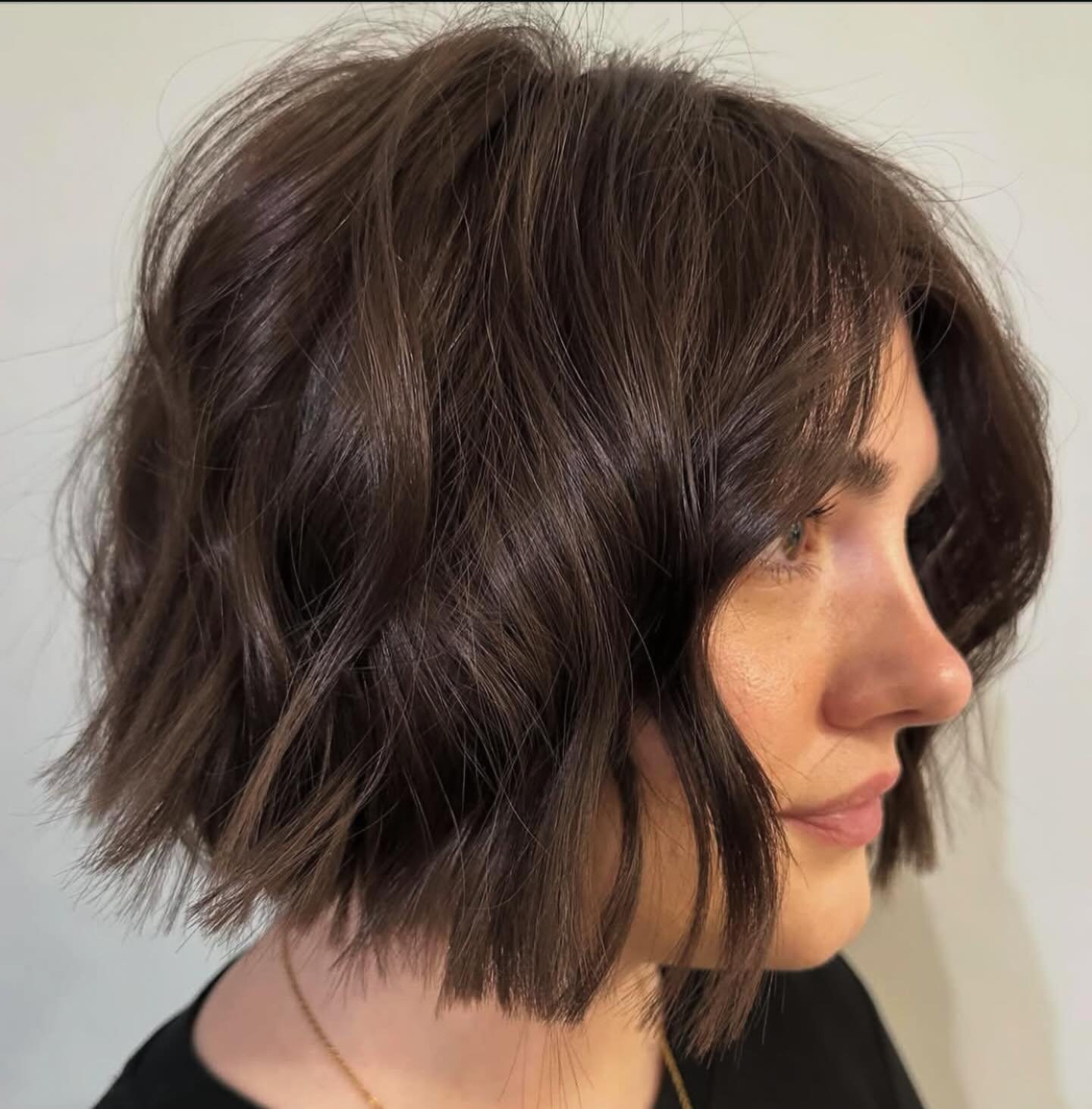
The solid perimeter keeps the ends looking full while the loose bends add softness through the sides.
Long face-framing pieces break up the front without taking too much weight from the main shape.
Leaving the last inch straighter gives the waves a more relaxed, modern finish.
Works great if: Your hair is naturally straight but holds a loose bend well.
Quick styling: Wave the mid-lengths only, then loosen each section with your fingertips.
Short Shaggy Bob with Curtain Fringe
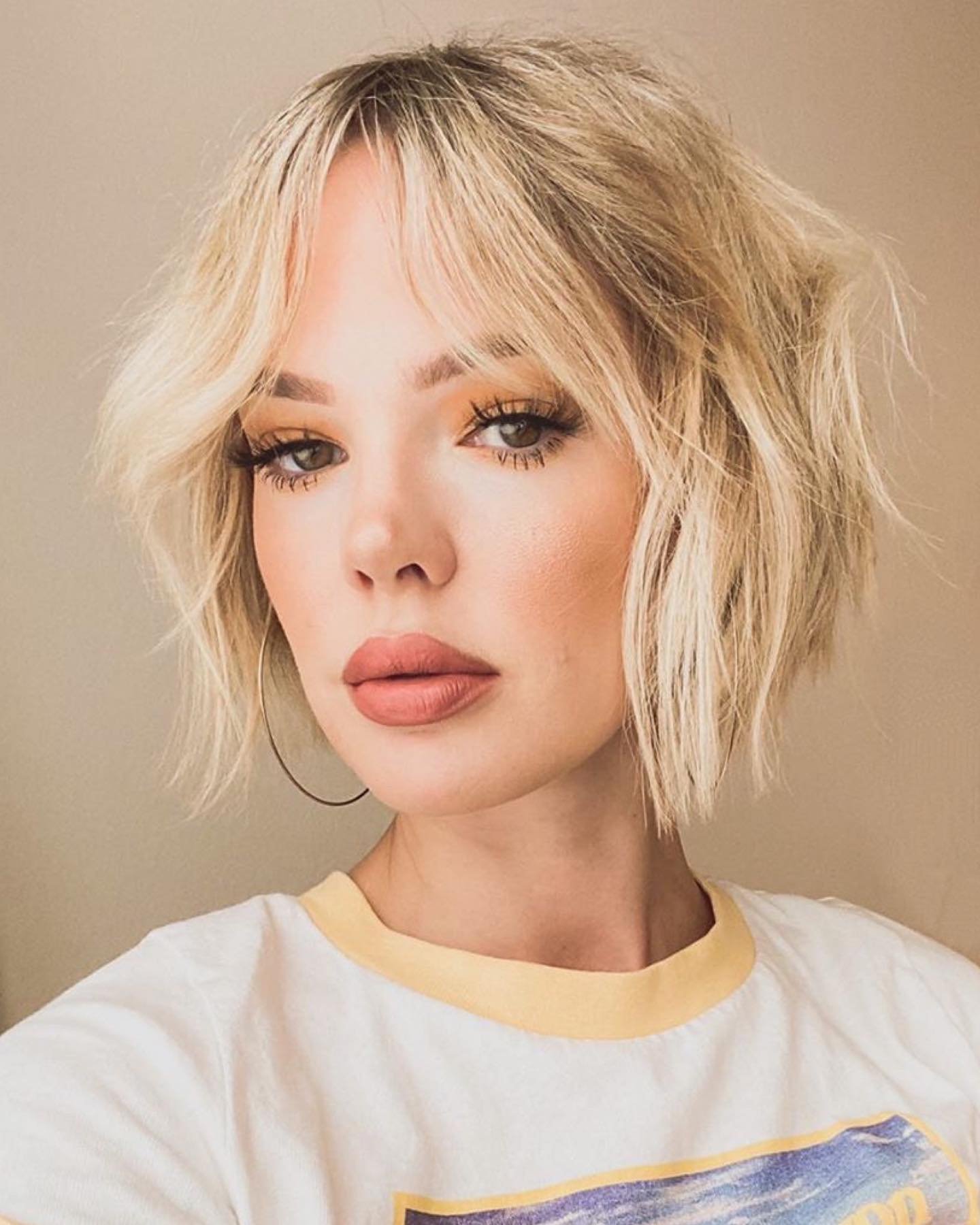
Short, airy layers give this bob lift without creating a stiff rounded shape.
The curtain fringe opens through the centre and blends into the longer pieces beside the cheeks.
A little separation at the ends keeps the style soft, light, and easy to refresh.
For root volume: Lift the crown with your fingers while directing warm air underneath.
Holds better with: A dry texture spray applied below the top layer.
Rounded Layered Bob with Full Fringe
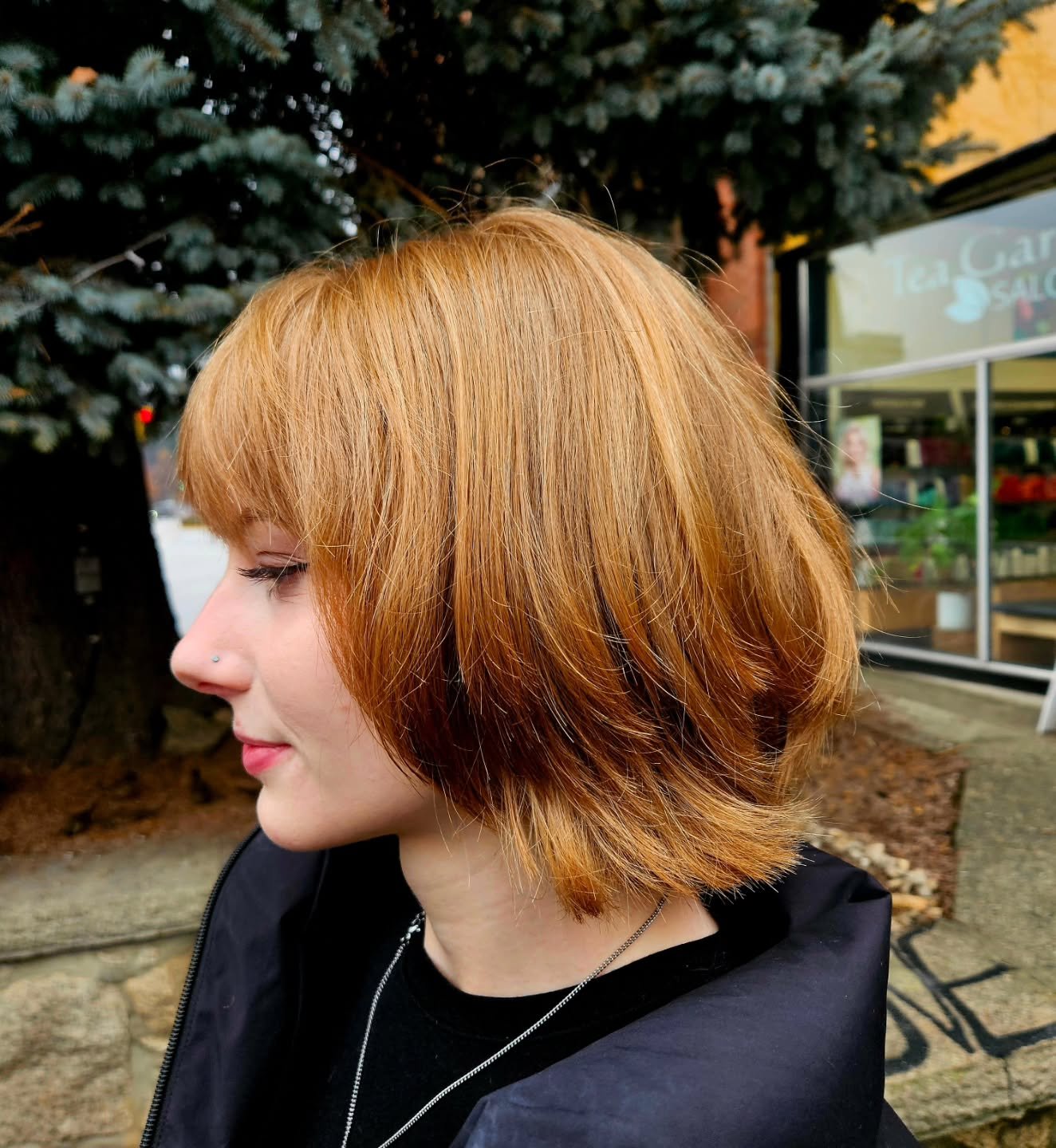
Broad layers give the sides a rounded shape while the flicked ends keep the lower edge from feeling heavy.
The full fringe connects smoothly into the face-framing layers and gives the cut a clear structure.
This bob works best with movement through the ends rather than a tightly tucked-under finish.
Ask your stylist: For long internal layers that preserve fullness around the perimeter.
At home tip: Turn a few ends outward with a round brush and leave the rest softly curved.
Centre-Parted Textured Bob with Loose Waves
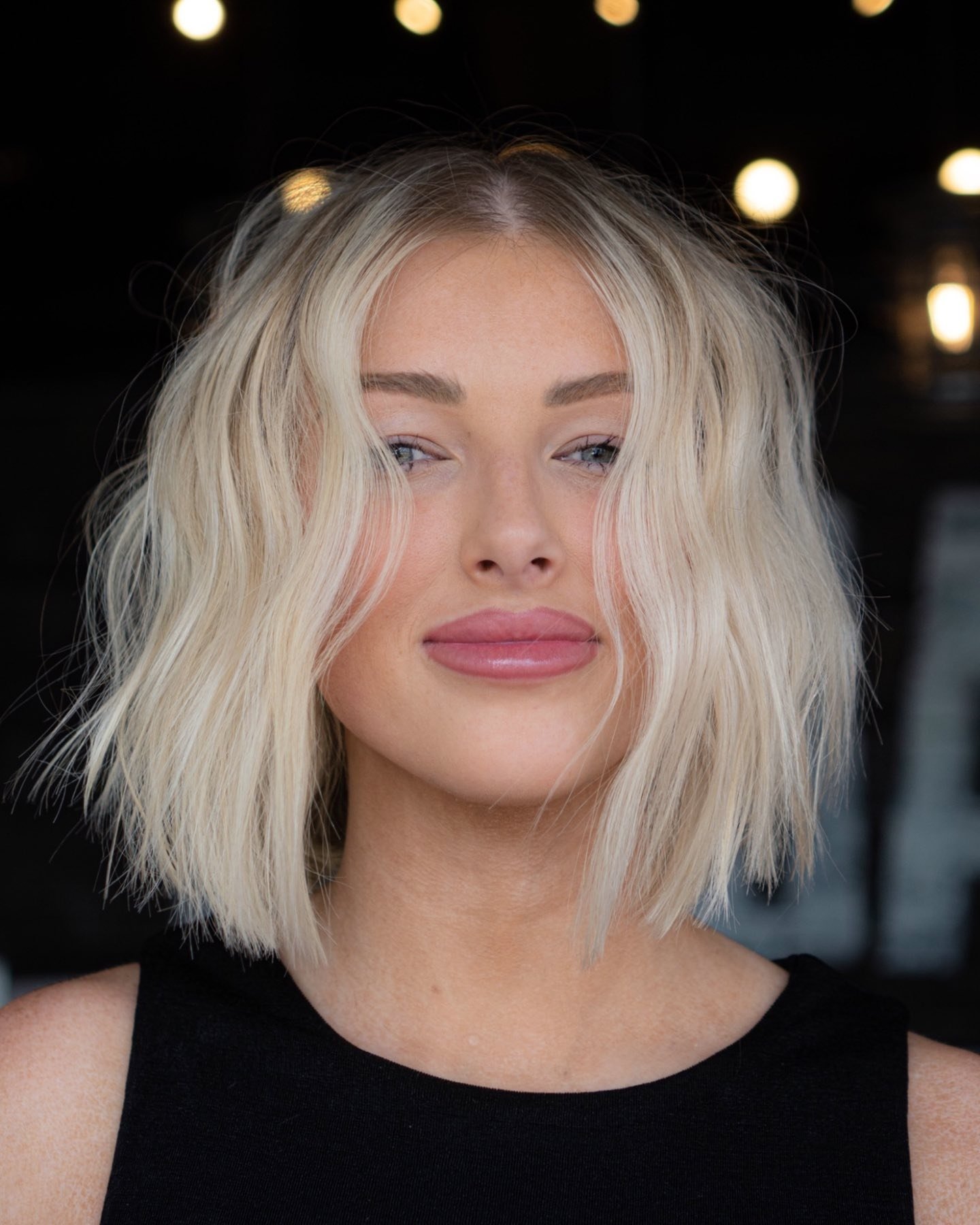
A stronger baseline gives this bob weight while the loose waves create movement across the surface.
The centre part keeps the volume balanced and lets the longer front pieces frame both sides evenly.
Keeping the texture broad and soft prevents the cut from looking overly curled.
Best for: Fine to medium hair that benefits from a fuller lower edge.
For that finish: Use a large barrel and brush through the waves once they cool.
Soft Wavy Bob with a Relaxed Centre Part
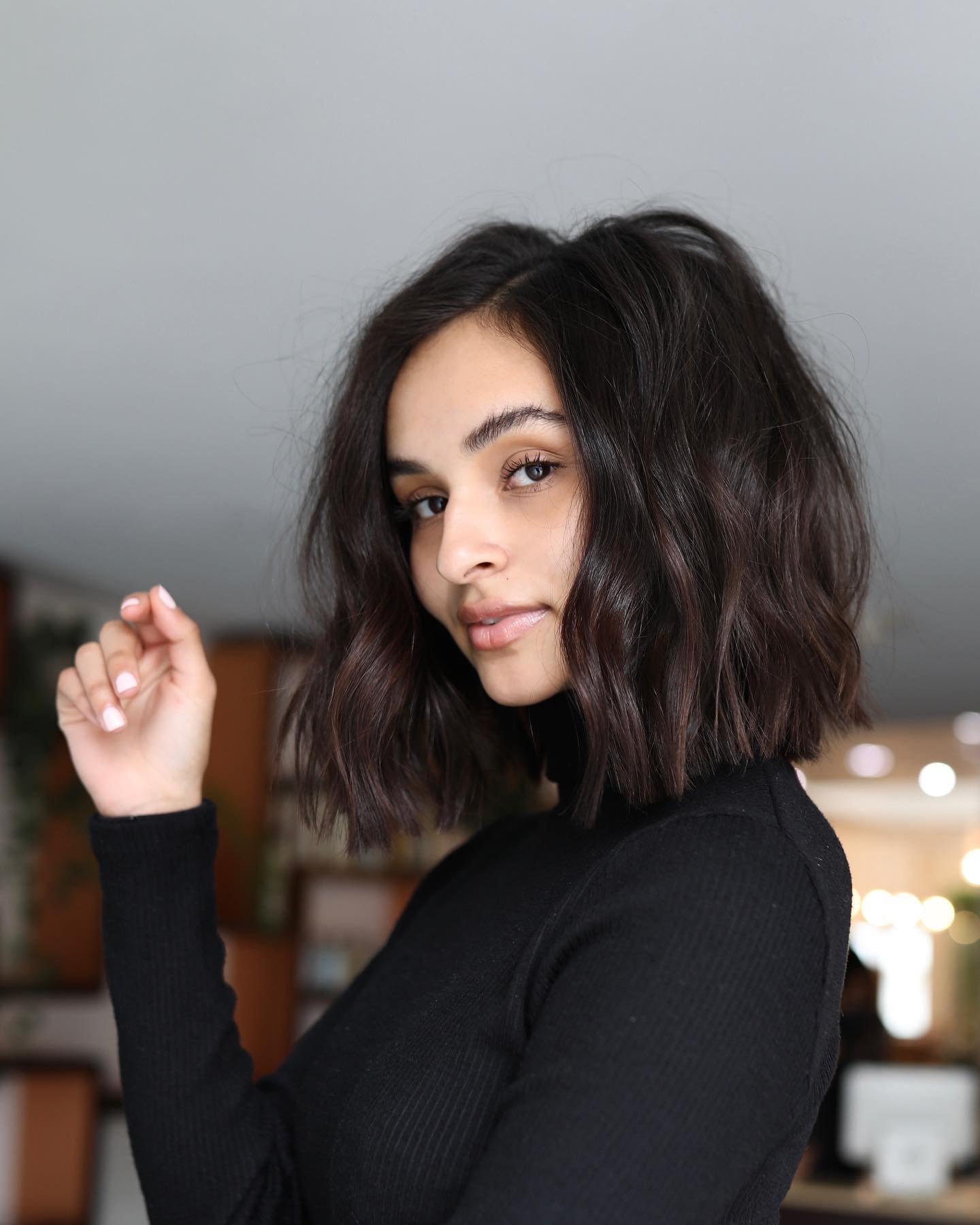
The soft wave pattern gives this one-length bob body without hiding its clean lower shape.
A relaxed centre part keeps the front natural and allows the waves to fall differently on each side.
The slightly separated ends make the style feel easy rather than salon-perfect.
Good to know: Too much oil can flatten the movement and make the ends clump together.
Fighting frizz: Smooth a small amount of lightweight cream over the outer layer only.
Choppy Bob with Wispy Fringe
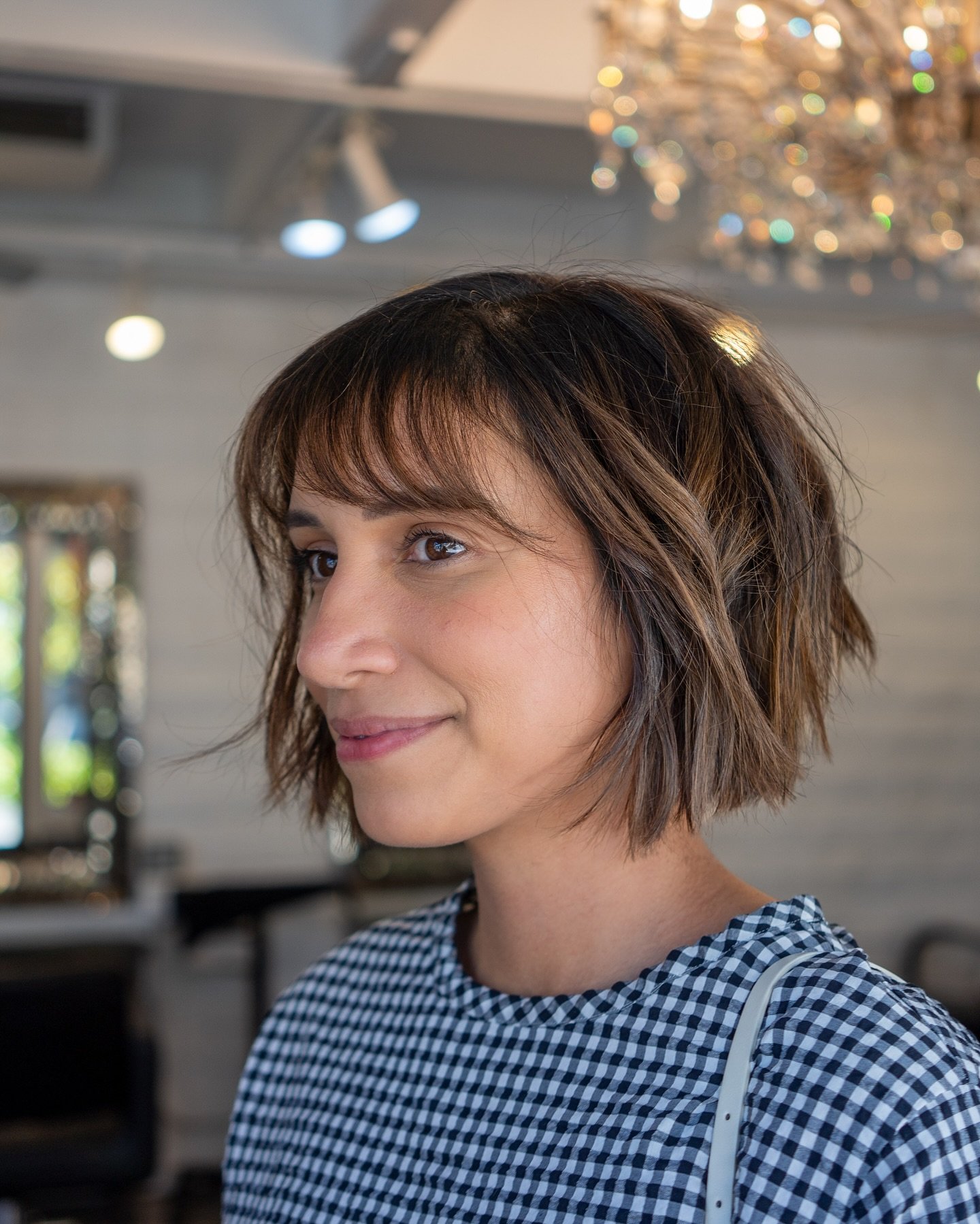
The broken fringe gives the front softness while the uneven ends add a casual, lived-in feel.
Shorter pieces around the sides create lift without removing too much weight from the bob.
This shape does not need perfect styling, which makes it useful for hair with natural bends and quirks.
Easy to maintain: The piecey outline grows out more gently than a precision blunt cut.
Morning hack: Mist the fringe and pinch a few ends into place with styling cream.
Straight Textured Bob with Heavy Fringe
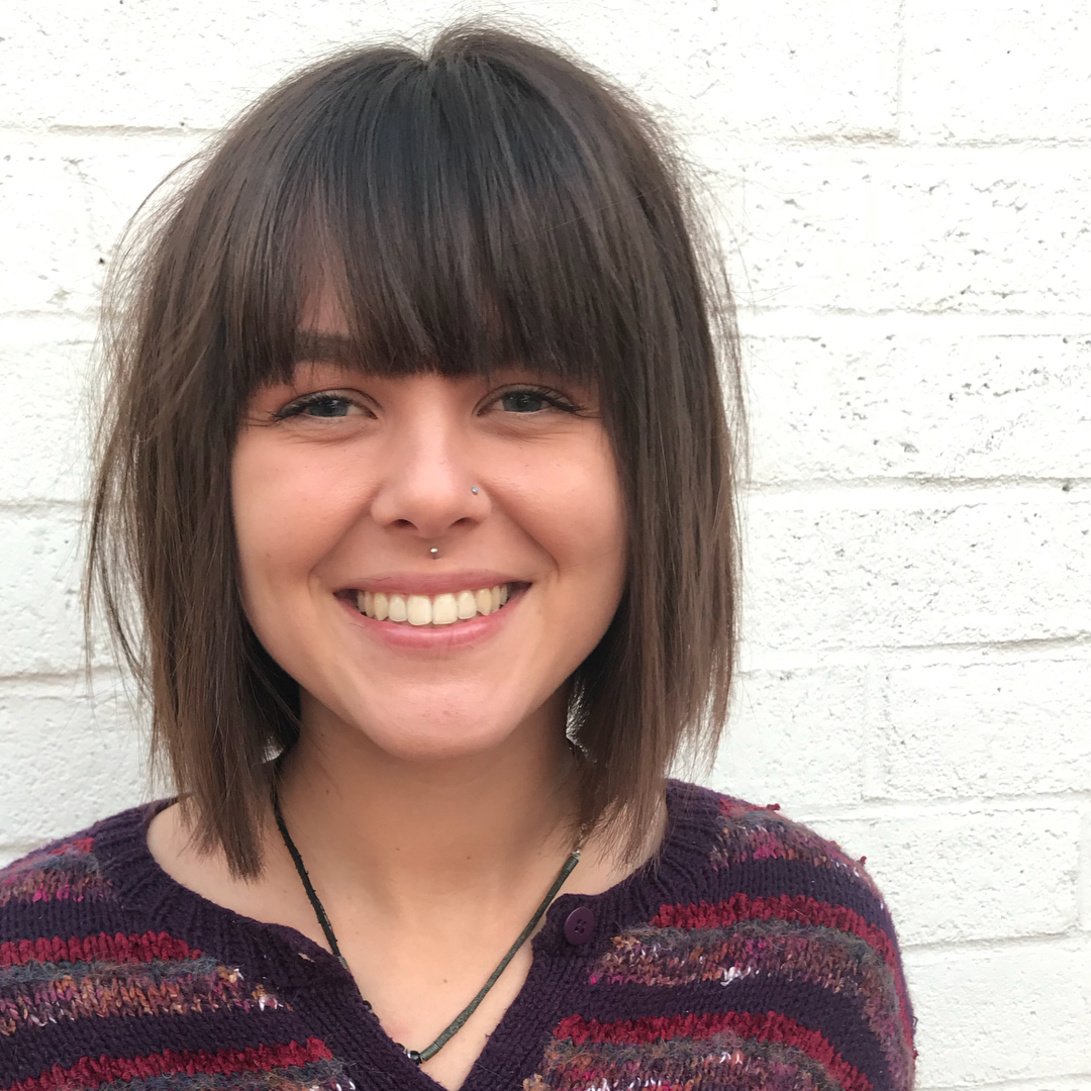
The full fringe gives this bob a strong frame while subtle texture keeps the sides from feeling too solid.
Longer front pieces soften the jawline and create a slight angle through the perimeter.
A smooth finish shows the shape clearly, but the ends should still retain a little natural separation.
Keeps it smooth: Use a flat brush through the lengths and dry the fringe straight down.
Salon tip: Ask for hidden internal texture instead of heavily feathered outer ends.
Asymmetrical Pixie Bob with Short Fringe
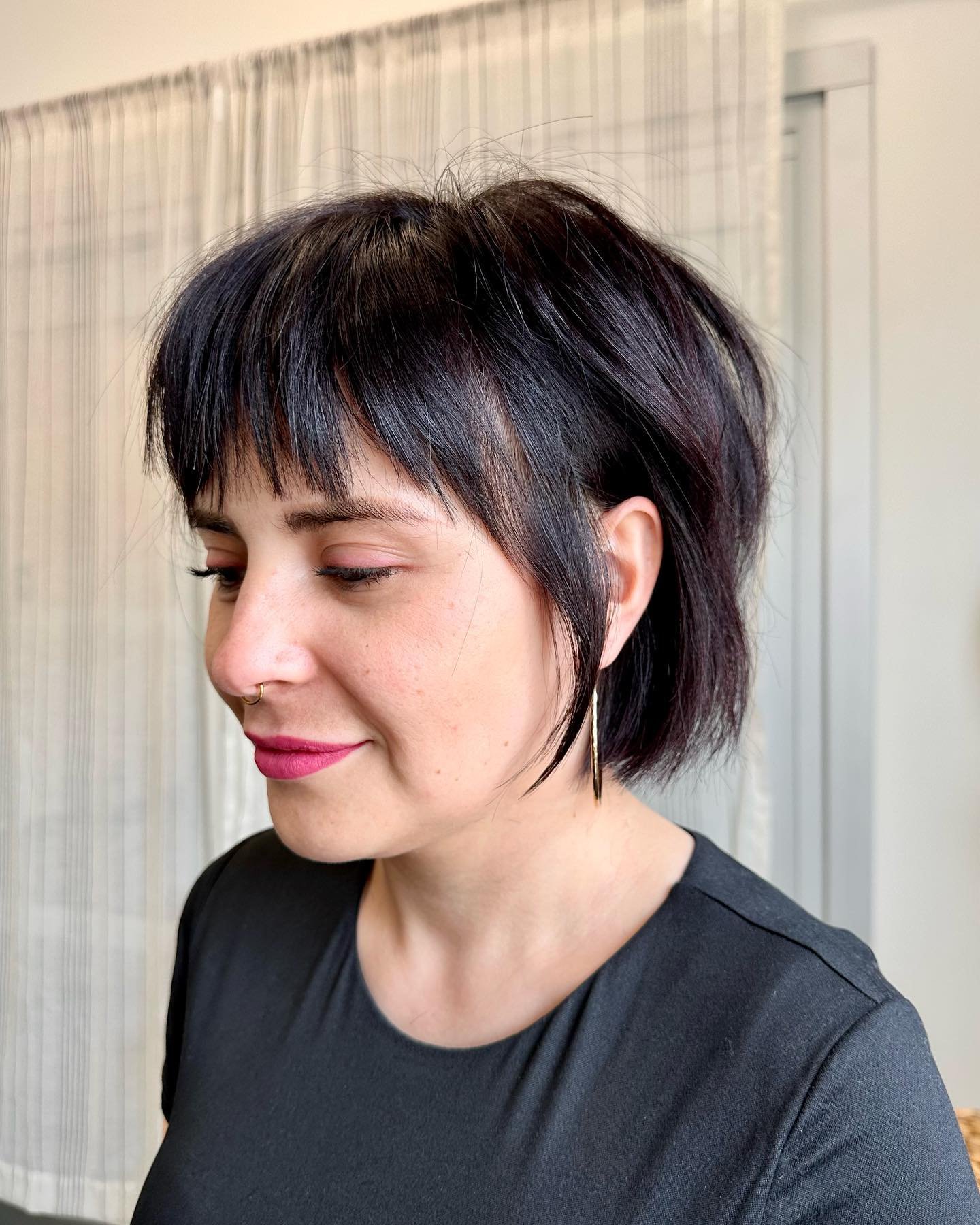
The short fringe and close side give this cut a sharp outline while the longer front piece adds contrast.
Extra fullness through the crown balances the tapered neckline and keeps the profile rounded.
A light piecey finish helps the disconnected lengths look intentional rather than overly polished.
Ask your stylist: To keep enough weight through the crown to support the longer front section.
Quick styling: Smooth the short fringe forward and define the long piece with a small amount of paste.
Tucked Textured Bob with Curtain Pieces
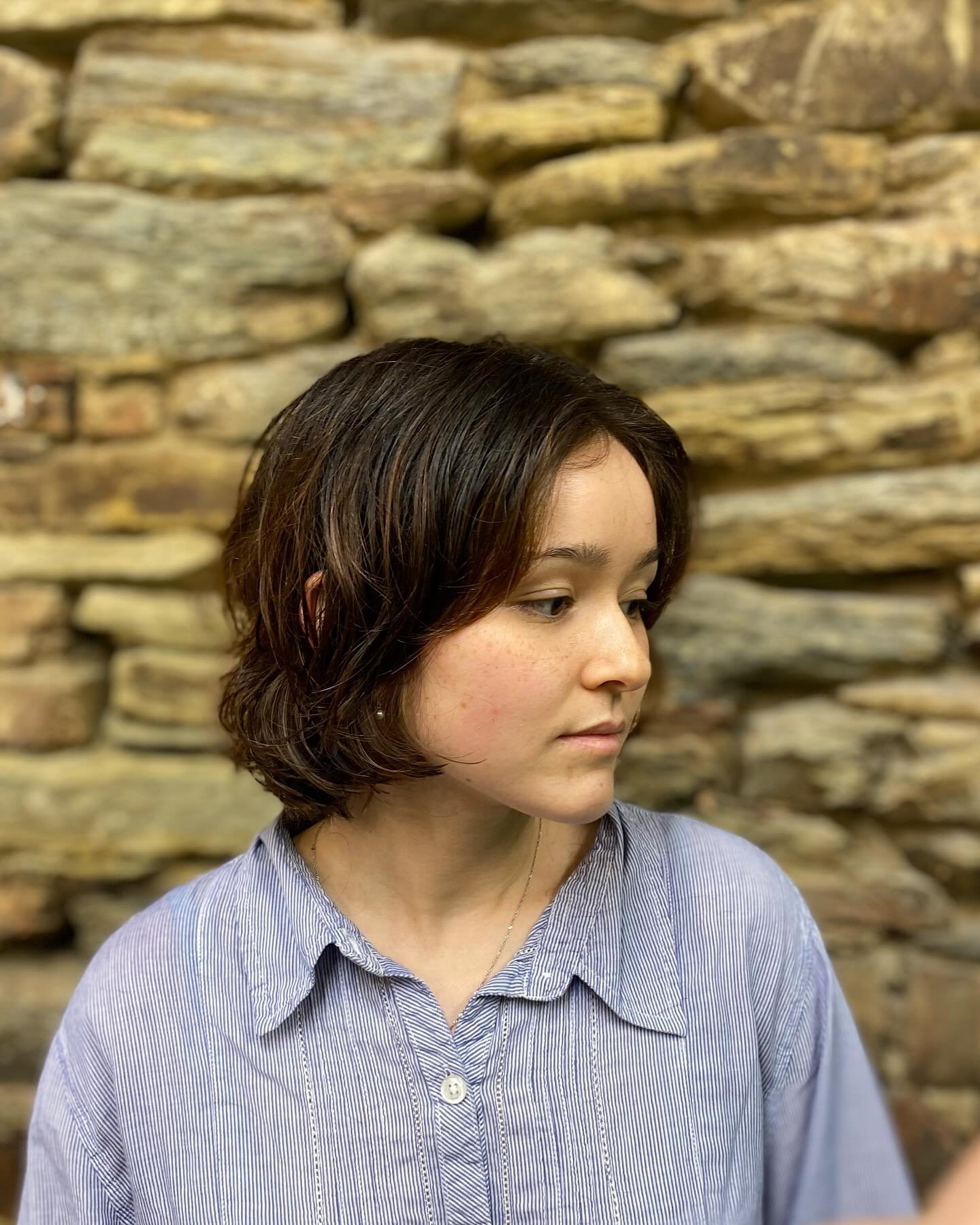
The tucked sides create a compact silhouette while the long curtain pieces keep the front soft.
A gentle outward bend through the lower edge gives the bob movement around the neck.
This shape works well with natural texture because it does not rely on perfect symmetry.
Comfortable all day: Tucking the sides keeps the hair clear of the face without needing clips.
At home tip: Twist the front pieces away from the face while they dry.
Rounded Bob with Flipped Face-Framing Ends
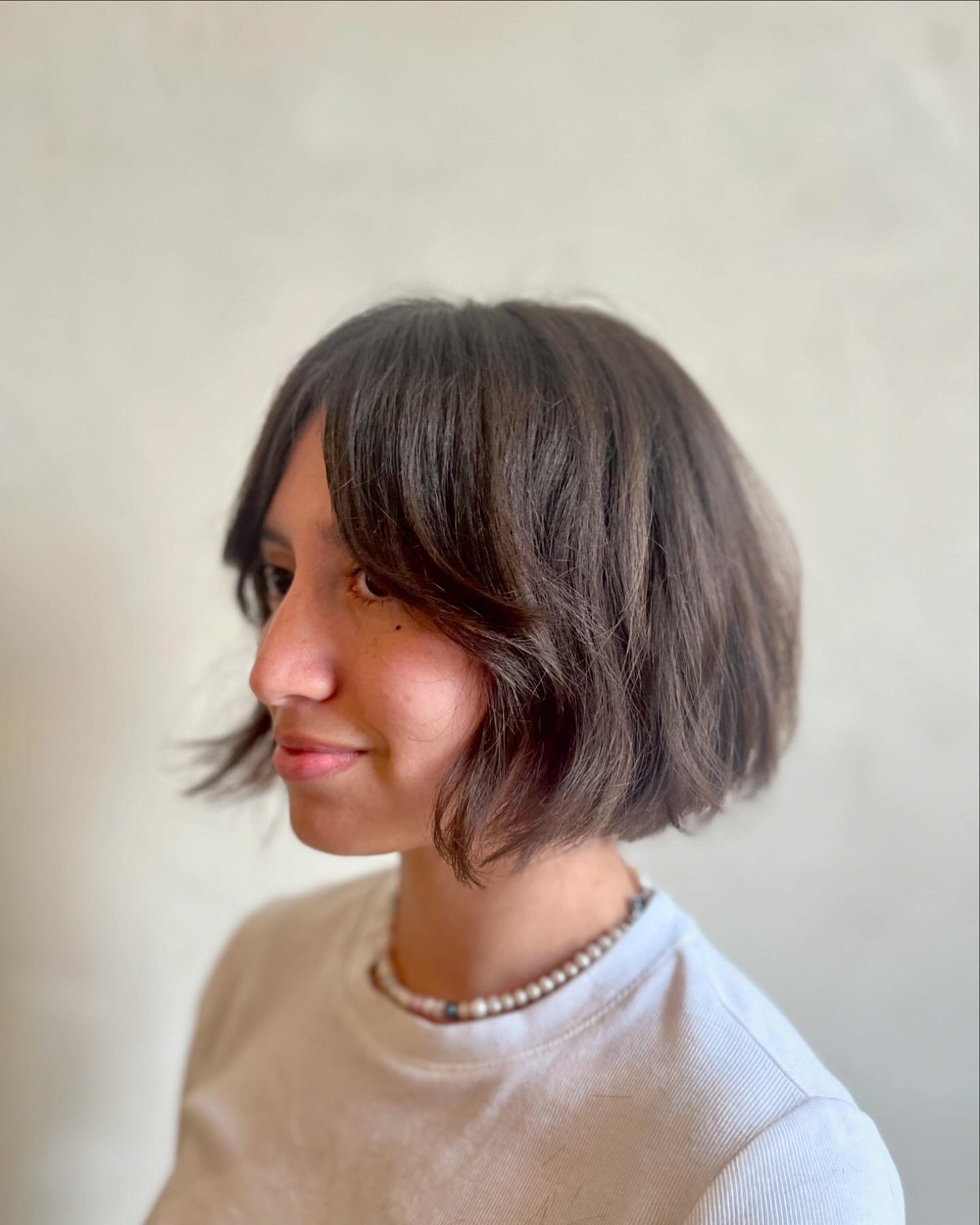
The rounded back gives this bob a neat shape while the front pieces flick outward for a lighter finish.
Long curtain fringe adds movement around the cheekbones without creating a full forehead-covering fringe.
The contrast between the smooth crown and separated ends keeps the cut polished but not rigid.
For that finish: Use a small round brush to turn the front ends away from the face.
Holds better with: A flexible spray applied after the hair has cooled.
Graduated Angled Bob with a Smooth Finish
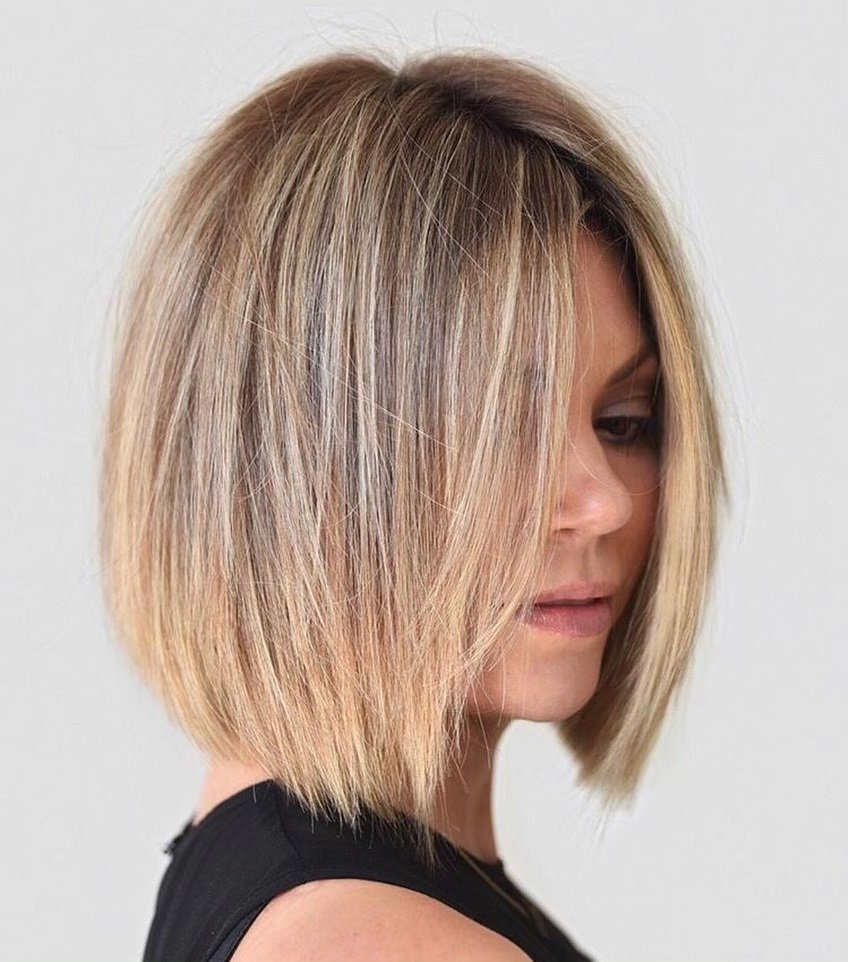
The graduated back creates fullness through the crown while the longer front gives the cut a clean diagonal line.
Soft internal texture removes bulk without weakening the polished outer shape.
This precision bob keeps its form best when the perimeter is trimmed regularly.
Best for: Straight medium to thick hair that needs controlled shape at the back.
Keeps it smooth: Blow-dry the back with a round brush and the front with a paddle brush.
Wavy Bob with Wispy Fringe and Choppy Ends
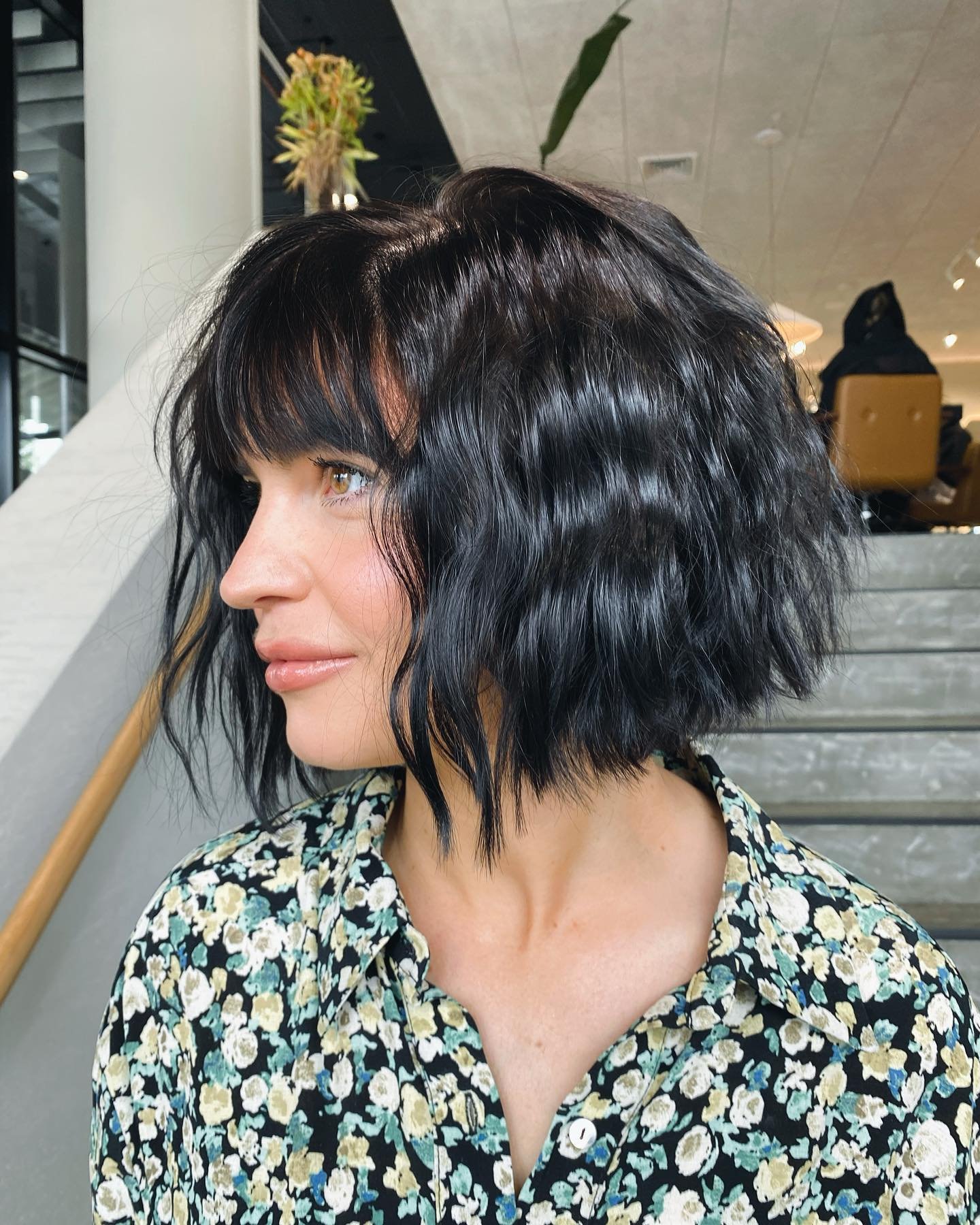
The wispy fringe blends into the side pieces, giving the front a soft and slightly undone frame.
Loose waves add body through the middle while the choppy ends keep the bob from feeling too rounded.
This cut looks strongest when the wave pattern remains irregular and touchable.
Works great if: Your natural wave changes direction from section to section.
For that finish: Diffuse on low airflow and separate only a few outer pieces once dry.
Layered Bob with Centre-Parted Face Framing
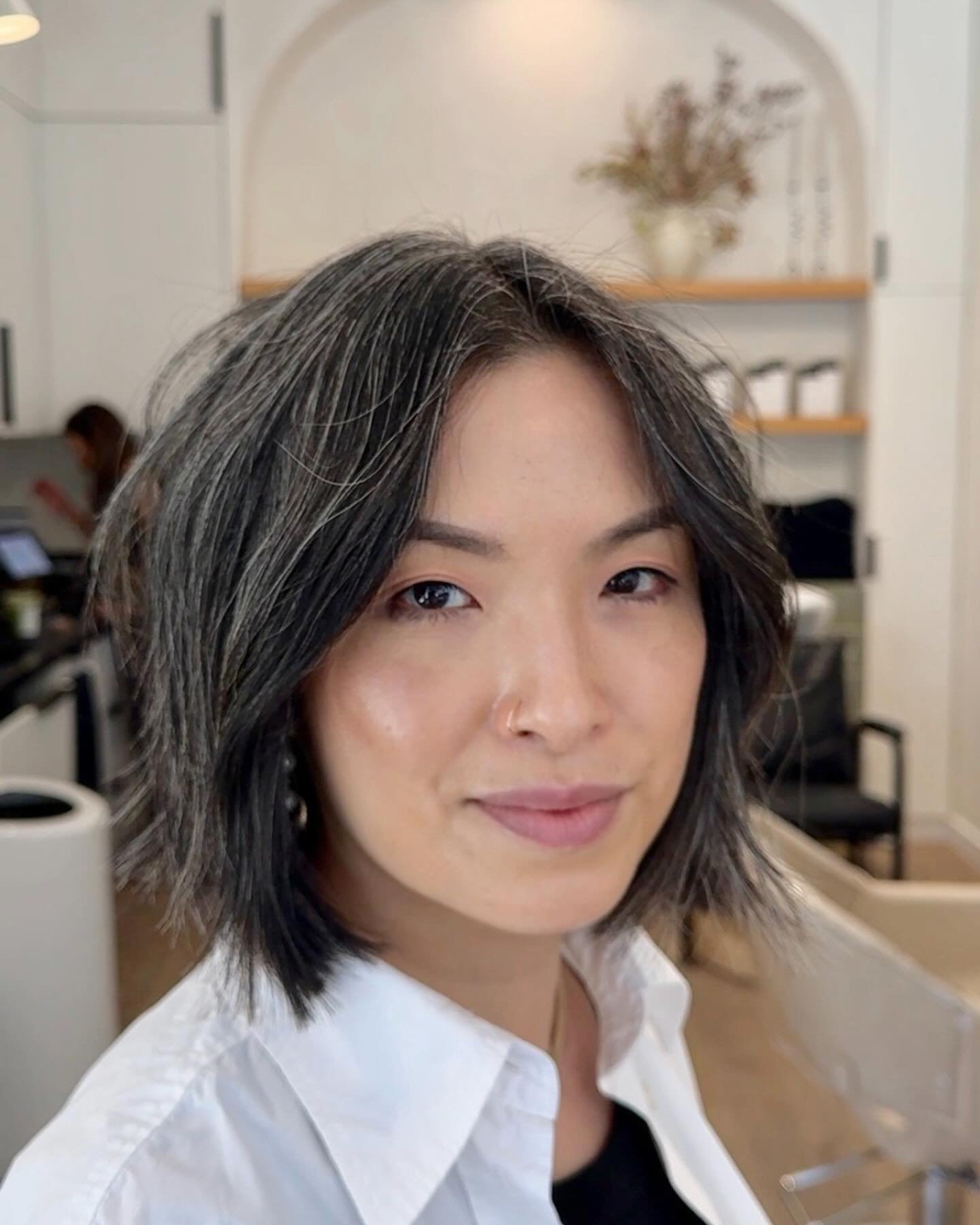
Long face-framing layers open away from the cheeks and give the front a soft, sweeping shape.
Shorter pieces through the sides create movement while the lower edge stays substantial.
A little lift at the crown keeps the bob balanced and stops the ends from carrying all the volume.
For root volume: Dry the crown in the opposite direction before returning it to the centre part.
Salon tip: Keep the shortest front layer long enough to tuck behind the ear.
Side-Parted Tousled Bob with Sweeping Layers
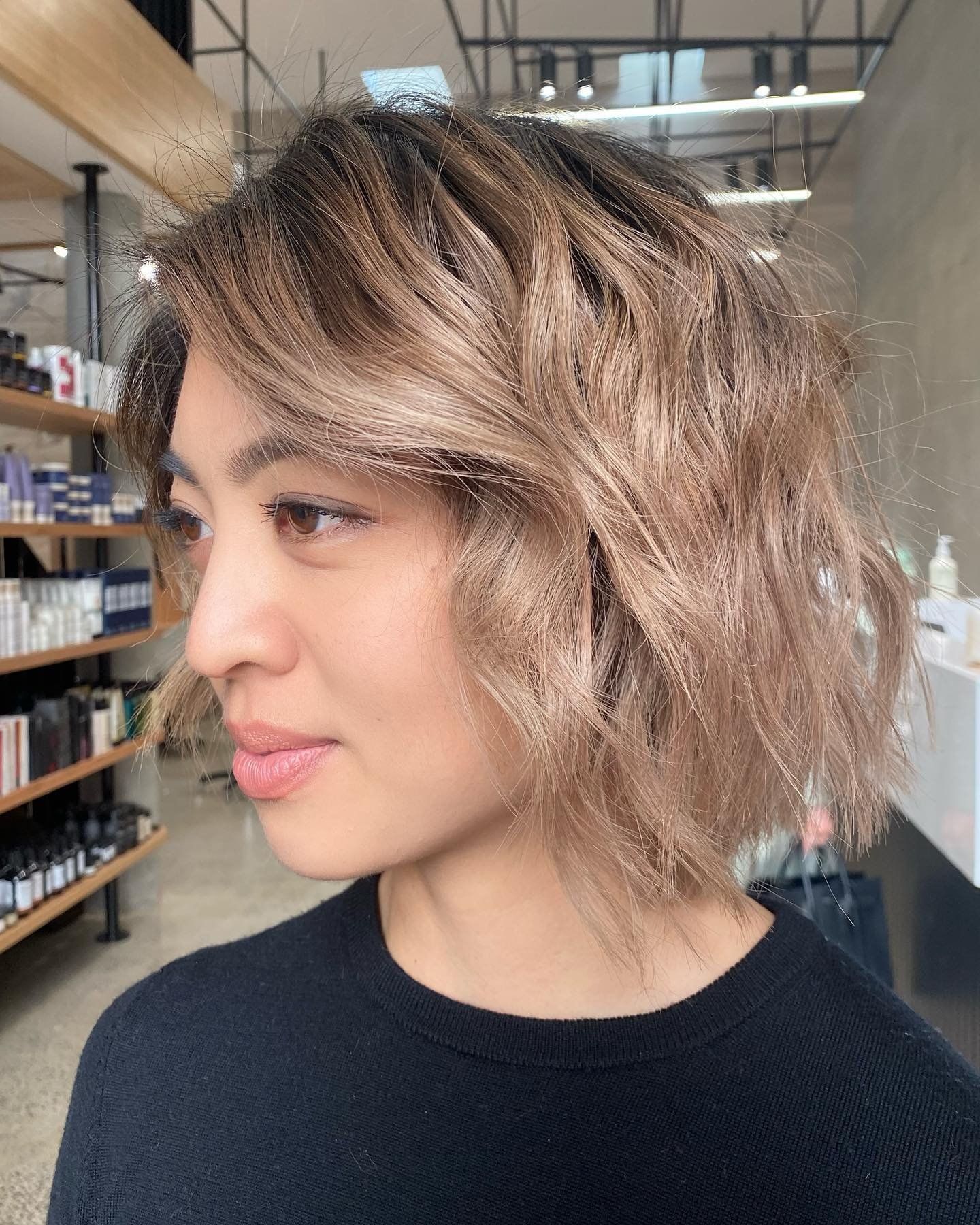
The deep side sweep creates instant movement across the front and adds height near the crown.
Loose bends through the sides make the layered ends look fuller rather than thin or scattered.
Keeping the texture slightly imperfect gives this bob its relaxed, wearable character.
Quick styling: Bend a few large sections away from the face and leave the lower ends straighter.
For that finish: Shake out the roots and separate the layers with dry texture spray.