

Retirement does not always mean the bills get smaller. Groceries, insurance, home repairs, and everyday costs can put pressure on a fixed income, even after decades of careful saving.
Many older adults want to earn a little extra without returning to a demanding full-time job. The encouraging part is that some useful skills developed over a lifetime can still bring in money.
In 2026, part-time income does not have to mean taking a traditional job. Older adults can teach, repair, organize, write, or offer simple services to people in their communities.
The key is finding work that fits their health, schedule, experience, and financial needs. A few paid hours each week may help cover expenses while leaving room to enjoy retirement.
Why Skills You Already Have May Be Your Best Starting Point

Many retirees overlook the value of things they have done for years. Someone who managed a household budget may understand bookkeeping, while a former office worker may be excellent at scheduling and organizing records.
A retired teacher may still enjoy helping students, and someone who has spent decades gardening may know more about growing plants than many beginners.
These abilities do not always require expensive training or a large investment. In some cases, a phone, computer, basic equipment, or a few local contacts may be enough to begin.
However, having a useful skill does not automatically mean customers will pay for it. Retirees still need to find a real need, set reasonable prices, and make sure the work is worth their time.
| Skill Category | Examples | Work Setting |
|---|---|---|
| Teaching | Tutoring, music lessons | Home, online, community centers |
| Office experience | Bookkeeping, scheduling | Remote or local businesses |
| Creative skills | Writing, sewing, photography | Home or client locations |
| Practical experience | Gardening, household repairs | Local neighborhoods |
| Personal services | Pet care, home organizing | Clients’ homes |
| Professional knowledge | Consulting, mentoring | Remote or in person |
The best choice is not always the one with the highest possible pay. For retirees, work that is manageable, dependable, and enjoyable may offer more value than a demanding opportunity with uncertain earnings.
1. Teaching or Tutoring Subjects You Know Well

Retired teachers are not the only older adults who can earn money through tutoring. Anyone with strong knowledge of math, reading, science, English, or another subject may be able to help students who need extra support.
Tutoring can happen at home, in a library, through an education center, or over a video call. The Bureau of Labor Statistics notes that most tutors work part time, making this a possible fit for people who want flexible hours.
A good starting point is offering help in one specific subject rather than trying to teach everything. Former teachers can contact families, community groups, or tutoring centers to explore local opportunities.
Best opportunity: Small group lessons or regular weekly tutoring sessions can offer more predictable work than taking occasional students.
2. Writing and Editing for Small Businesses

Some older adults have spent decades writing reports, business letters, newsletters, or detailed documents. Those skills may still have value to organizations that need clear and accurate communication.
Small businesses, community groups, and independent professionals sometimes need help editing website pages, preparing newsletters, reviewing documents, or improving customer information.
The strongest opportunity may be in subjects retirees already understand. A former healthcare administrator, for example, may be better suited to editing healthcare business materials than writing about unfamiliar subjects.
Writing work can be competitive in 2026, especially as businesses use artificial intelligence for basic drafts. Experience, accuracy, subject knowledge, and personal attention can help distinguish a service.
Best opportunity: Start with proofreading, newsletters, business documents, or editing within a familiar industry.
3. Managing Basic Bookkeeping and Financial Records

A person who spent years managing office accounts or maintaining business records may already understand much of what small companies need.
Local contractors, shop owners, and independent service providers often have invoices, expense records, receipts, and payment information to organize.
Basic bookkeeping services might include entering transactions, organizing digital receipts, preparing invoices, or checking that business records are complete.
Retirees who already understand spreadsheets may only need additional software training to offer a useful service. However, bookkeeping is different from providing tax or financial advice, which may require additional qualifications.
Best opportunity: Offer a limited monthly bookkeeping service to one or two small businesses rather than taking on too many clients.
4. Organizing Schedules and Handling Virtual Office Tasks

Older adults who worked in offices may be comfortable answering inquiries, arranging appointments, maintaining records, and keeping projects on schedule.
These administrative skills can sometimes be offered remotely. A small business owner may need help managing an email inbox, updating a calendar, preparing simple documents, or following up with customers.
The work may suit someone who prefers a quiet home environment and does not want physically demanding duties.
However, remote administrative work requires dependable internet access, basic computer skills, and careful handling of private customer information.
Best opportunity: Look for established local businesses that need a few hours of administrative help each week.
5. Helping People Use Computers, Phones, and Everyday Technology

Technology can be frustrating for people who are unfamiliar with new devices. Older adults who are comfortable using computers and smartphones may be able to help others learn.
Services could include setting up video calls, organizing photographs, learning basic email functions, or understanding how common phone applications work.
A patient person who explains things clearly may be especially useful to beginners who feel uncomfortable asking relatives for help repeatedly.
The important boundary is privacy. Technology helpers should avoid handling clients’ passwords, banking transactions, or sensitive accounts without proper safeguards.
Best opportunity: Offer individual lessons through community groups, senior centers, or personal referrals rather than promising to repair complicated technical problems.
6. Sewing, Alterations, and Clothing Repairs
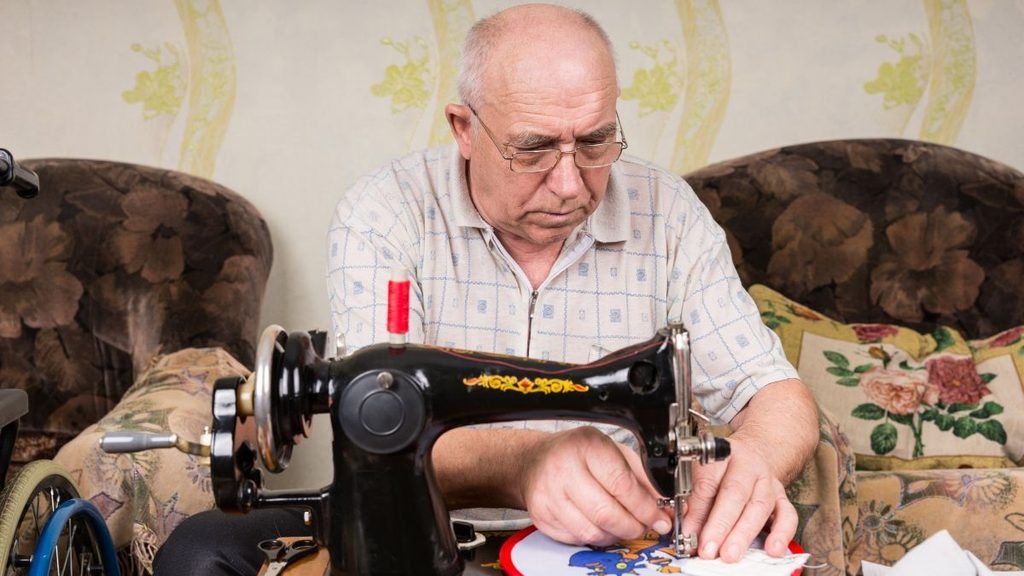
Someone who has sewn clothing for decades may have a practical skill that still solves everyday problems.
Hemming pants, replacing buttons, repairing seams, adjusting simple garments, and mending small tears are examples of services customers may request.
A retired person with a sewing machine and a suitable workspace may be able to complete small projects without leaving home.
The key is to begin with repairs that can be completed confidently. Complicated alterations, expensive formal clothing, and delicate fabrics can create costly mistakes.
Best opportunity: Build a small customer base through neighbors, local clothing shops, and community referrals.
7. Baking and Preparing Specialty Foods

People who have spent years baking bread, cookies, cakes, or other family favorites may enjoy turning that knowledge into occasional income.
Orders for celebrations, holiday gatherings, and small events may provide opportunities. Specialty products can also appeal to people who want something they cannot easily find in a grocery store.
However, food businesses come with rules. State and local cottage food laws determine which homemade products can be sold and may require permits, labels, training, or other steps. These requirements vary significantly by location.
Ingredients, packaging, delivery, and preparation time must also be included when setting prices. A popular product is not necessarily profitable if its costs are too high.
Best opportunity: Start with a small menu of products that can be prepared consistently, legally, and at a reasonable cost.
8. Gardening and Helping Neighbors Maintain Their Plants

Many older adults have spent years learning what grows well in their area. They understand watering, pruning, soil preparation, and seasonal plant care.
That knowledge may be useful to neighbors who want attractive gardens but lack the time or experience to maintain them.
Possible services include preparing container gardens, planting flowers, starting seedlings, advising beginners, or completing light seasonal maintenance.
Physical limits matter. Carrying heavy soil bags, using ladders, working in extreme heat, or operating powerful equipment can turn a pleasant activity into an unsafe one.
Best opportunity: Focus on container gardening, plant care, and small seasonal projects rather than demanding landscaping work.
9. Handling Small Household Repairs and Maintenance
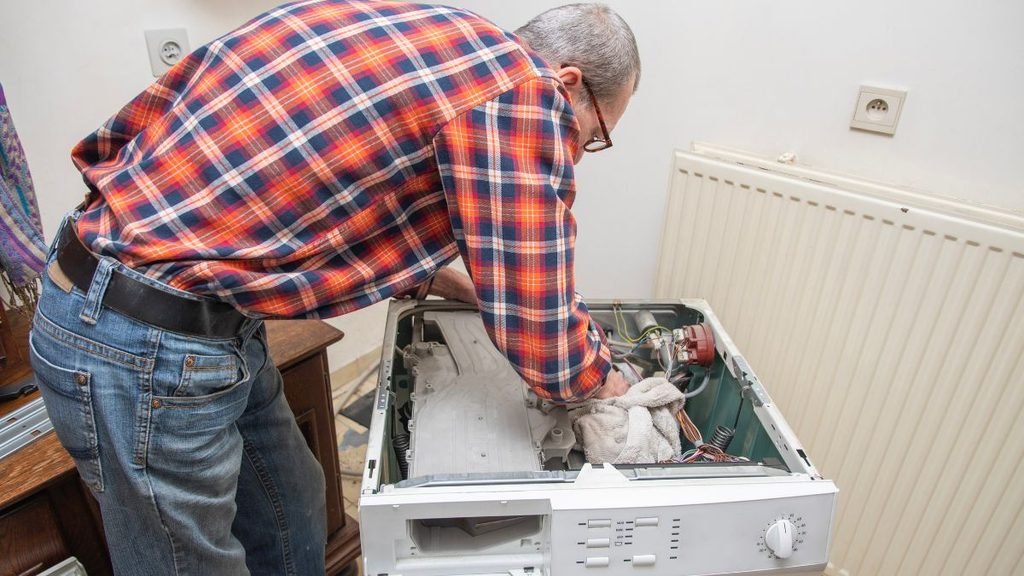
Someone who has repaired things around the house for 30 or 40 years may have skills that neighbors appreciate.
Replacing cabinet handles, adjusting doors, assembling furniture, repairing minor household items, or handling simple maintenance tasks may provide occasional work.
The best approach is to choose a narrow range of services that can be completed safely with familiar tools.
Electrical work, plumbing, structural repairs, and other regulated activities may require professional licenses. Retirees should avoid jobs beyond their skills, licensing, or physical abilities.
Best opportunity: Offer clearly defined, low-risk maintenance services to local homeowners, with written prices agreed upon before work begins.
10. Organizing Closets, Paperwork, and Household Spaces

Organization is a skill that many people develop through years of managing homes, offices, or family responsibilities.
Some households need help sorting closets, arranging storage areas, preparing for a move, or organizing everyday paperwork.
Older adults who have downsized their own homes may understand how difficult it can be for someone to sort through decades of belongings.
This service requires patience and respect. Customers may have strong emotional attachments to their possessions, and decisions about keeping or discarding items should remain theirs.
Best opportunity: Offer short organizing sessions focused on one room, closet, or manageable project at a time.
11. Caring for Pets While Their Owners Are Away

People who have owned and cared for animals may enjoy helping pet owners with everyday needs.
Pet sitting, feeding cats, short dog walks, and checking on animals while owners travel are possible services.
For some retirees, spending time with animals may feel more enjoyable than traditional part-time employment. Regular customers may also provide repeat bookings.
Still, pet care carries responsibility. Retirees need to consider animal behavior, emergency arrangements, insurance, physical demands, and whether they can safely manage a particular pet.
Best opportunity: Begin with familiar animals and nearby households before accepting longer assignments or more demanding pets.
12. Taking Photographs for Families and Local Businesses

Photography may provide income for older adults who already understand cameras, lighting, and basic photo editing.
Families sometimes need portraits, while small businesses may need photographs of products, workplaces, or staff members.
A retired person with reliable camera equipment could offer simple sessions without trying to compete immediately with established wedding or commercial photographers.
Photography can involve travel, standing, editing time, and equipment costs. The actual earnings depend on how much customers pay after those expenses are considered.
Best opportunity: Begin with family portraits, small product photography projects, or simple business photographs.
13. Teaching Music, Art, or Traditional Crafts

Some of the most interesting retirement skills are developed outside a person’s career.
Playing piano, painting, knitting, woodworking, quilting, and other creative activities can take years to master.
Older adults who enjoy explaining techniques may be able to teach beginners individually or through community programs.
Teaching may provide a steadier opportunity than selling finished products, especially when materials are expensive or each item takes many hours to create.
Best opportunity: Offer beginner classes built around one skill, with a clear project that students can complete.
14. Sharing Professional Experience Through Consulting or Mentoring

A long career can produce knowledge that is difficult to gain from short training courses.
Former managers, engineers, sales professionals, accountants, administrators, and business owners may understand common workplace problems and how to solve them.
Some small organizations may be willing to pay for help with staff training, procedures, planning, or improving specific business operations.
But consulting requires more than saying someone has 40 years of experience. Potential customers need to understand the particular problem that person can solve.
Retirees should also respect confidentiality agreements, professional licensing rules, and any restrictions from previous employers.
Best opportunity: Offer one clearly defined service, such as reviewing a business process or training new employees, instead of advertising general advice.
Which Skills Are Easiest to Start Without Spending Much Money?
A retirement side business does not have to begin with thousands of dollars in equipment, advertising, or training.
The following comparison shows how these skills differ in their basic requirements. Actual expenses and physical demands depend on the service.
| Skill | Typical Starting Investment | Physical Demands |
|---|---|---|
| Tutoring | Low | Low |
| Writing and editing | Low if a computer is available | Low |
| Basic bookkeeping | Low to moderate | Low |
| Virtual office assistance | Low | Low |
| Technology lessons | Low | Low |
| Sewing and repairs | Low if equipment is owned | Low to moderate |
| Baking | Moderate | Moderate |
| Gardening | Low to moderate | Moderate to high |
| Household maintenance | Varies by tools and work | Moderate |
| Home organizing | Low | Moderate |
| Pet care | Low to moderate | Varies |
| Photography | Moderate to high | Moderate |
| Creative lessons | Low if supplies are owned | Low to moderate |
| Consulting | Low | Low |
These descriptions are general starting points, not promises about the cost of running a business.
Someone who already owns the required equipment may have a lower starting cost than a beginner who needs to buy everything.
For older adults working on a limited budget, testing demand before spending money is often the safer approach.
How Much Could a Few Hours of Work Actually Bring In?

Extra income does not have to replace a full-time salary to make a difference. Even a modest amount may help with groceries, transportation, household bills, or occasional personal expenses.
However, the amount someone charges is not the same as the amount they keep. Supplies, transportation, taxes, equipment, and unpaid preparation time all affect the final result.
Here are three simple examples of possible gross income, assuming four paid weeks each month.
| Hypothetical Hourly Rate | Paid Hours Weekly | Gross Income in 4 Weeks |
|---|---|---|
| $25 | 4 hours | $400 |
| $30 | 6 hours | $720 |
| $40 | 8 hours | $1,280 |
These figures are examples for planning, not typical or guaranteed rates for the skills listed above.
A tutoring session might involve unpaid preparation, while photography may involve several hours of editing after the appointment. A gardening job may require transportation and supplies.
The most useful question is not simply how much a customer pays. It is how much money remains after expenses and how much total time the work requires.
What Happens to Social Security When Retirees Start Earning Again in 2026?
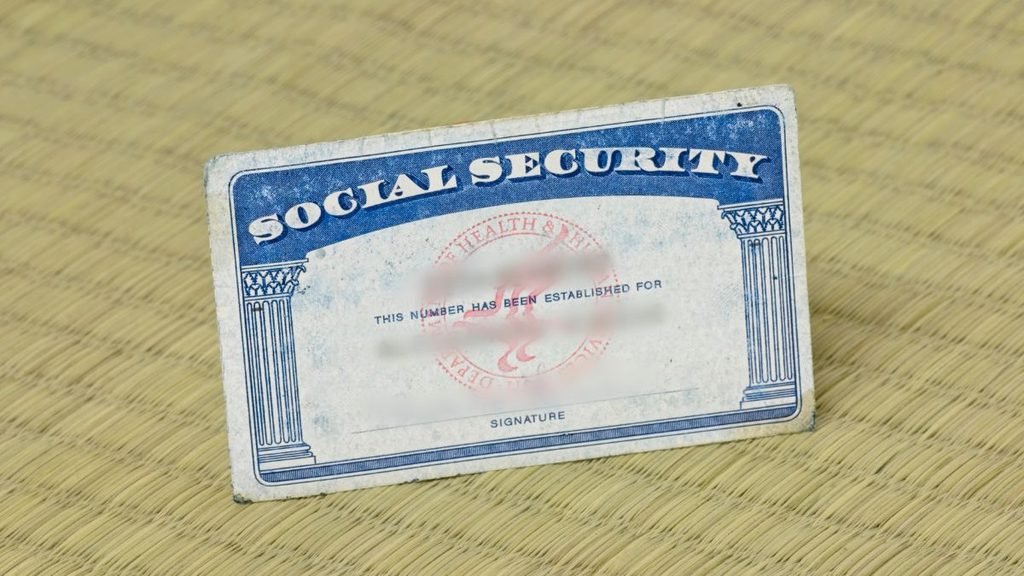
This is one of the most important questions for older adults considering part-time work.
Social Security retirement benefits can be affected by employment earnings before someone reaches full retirement age. The rules change once full retirement age is reached.
The Social Security Administration has established the following earnings limits for 2026.
| Retirement Status | 2026 Earnings Limit | Effect on Benefits |
|---|---|---|
| Under full retirement age throughout 2026 | $24,480 annually | $1 withheld for every $2 earned above the limit |
| Reaching full retirement age during 2026 | $65,160 for earnings before that month | $1 withheld for every $3 above the applicable limit |
| At or above full retirement age | No earnings limit | No retirement benefit reduction under the earnings test |
For example, someone who remains below full retirement age throughout 2026 and earns $30,000 in covered wages would exceed the annual limit by $5,520.
Under the standard earnings test, that could result in $2,760 in Social Security retirement benefits being withheld. Special rules can apply during the first year of retirement.
Once full retirement age is reached, there is no earnings test reduction. Social Security also recalculates benefits to account for months when payments were withheld because of excess earnings.
These rules should not be confused with income taxes. Even retirees who have reached full retirement age may owe taxes on earnings, and additional income can make more of their Social Security benefits taxable.
Part-Time Income Can Still Create a Tax Bill
Some retirees assume that a small side business does not need to be reported because it produces only occasional income.
That assumption can be costly. The IRS generally requires people with $400 or more in net self-employment earnings to file and pay applicable self-employment taxes, even if they already receive Social Security or Medicare.
Independent workers may also need to make estimated tax payments. Keeping clear records of payments, receipts, and business expenses makes it easier to understand how much they actually earn.