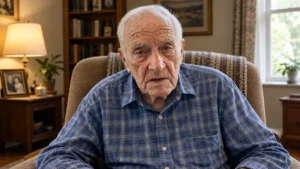

Life between 65 and 75 can feel surprisingly different from what people expected. Retirement may bring freedom, but it can also bring quieter days, changing friendships, new physical limits, and questions about where life is heading.
Things that once felt easy may suddenly require more energy, patience, or planning. These changes can happen so slowly that many older adults barely notice them until their daily lives begin to feel different.
This decade is not simply about getting older. It is often about learning how to live differently. Understanding six common changes can help older adults protect their independence, maintain meaningful relationships, and find new reasons to enjoy the years ahead.
Why the Years Between 65 and 75 Can Feel So Different
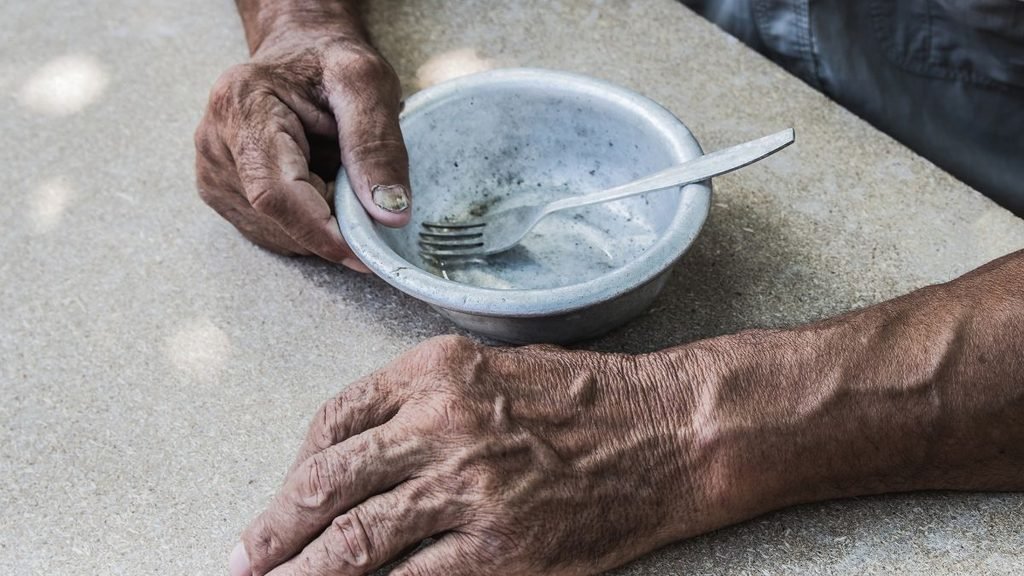
For much of adulthood, life follows a familiar pattern. People work, raise families, manage responsibilities, and make plans around schedules that rarely leave much room for reflection.
By 65, many of those responsibilities have changed. Retirement may replace a demanding career, children may have their own households, and friendships that once felt permanent may become harder to maintain.
At the same time, physical abilities, energy levels, and personal priorities can begin shifting. Some people feel healthier and more confident than ever, while others face unexpected challenges that require adjustments.
What makes this period unusual is how many different parts of life can change at once. Financial security might improve while social connections weaken. Free time may increase just as familiar sources of purpose disappear.
Not everyone experiences these changes in the same way or at the same age. Still, recognizing the patterns can make it easier to respond before small difficulties become larger problems.
| Area of Life | What May Change Between 65 and 75 | What Can Help |
|---|---|---|
| Daily routine | Familiar days begin feeling repetitive | New activities and weekly plans |
| Friendships | Social contact becomes less frequent | Regular calls and community involvement |
| Independence | Certain tasks require more assistance | Accepting support before problems grow |
| Physical activity | Movement requires more planning | Consistent, suitable exercise |
| Emotional well-being | Losses and memories become more noticeable | Supportive relationships and healthy grieving |
| Personal identity | Old responsibilities no longer define daily life | New interests, goals, and meaningful roles |
These changes do not automatically make later life unhappy. They simply show why the habits that worked at 50 may need adjusting at 70.
Familiar Routines Can Slowly Make Life Feel Smaller

One unexpected challenge during these years is how easily comfortable routines can turn into repetition. A familiar breakfast, the same television programs, and regular trips to the same stores may begin filling nearly every day.
There is nothing wrong with enjoying familiar activities. Predictable routines can provide comfort, reduce stress, and make daily life easier to manage.
The problem begins when familiar activities become the only activities. Someone who once enjoyed exploring new places might gradually stop trying different restaurants, meeting new people, or learning unfamiliar skills.
Over time, the days can begin blending together. Monday feels much like Thursday, and the weeks pass without many experiences that stand out in memory.
Adding something unfamiliar to the week can restore a sense of interest and anticipation. It does not require expensive travel, demanding activities, or major lifestyle changes.
A different walking route might reveal a neighborhood garden that has gone unnoticed for years. Reading a new author, attending a community event, or trying an unfamiliar recipe can bring variety into an otherwise predictable week.
Learning and new experiences can also challenge attention, memory, and problem-solving skills. They are not guaranteed ways to prevent cognitive decline, but they can support mental engagement and enjoyment.
The goal is not to abandon routines that provide comfort. It is to leave enough room for curiosity so that life continues offering something worth discovering.
Friendships May Become Harder to Maintain

Social connections often change gradually after retirement. Former coworkers become occasional acquaintances, old friends move away, and people who once met regularly may begin seeing each other only a few times a year.
The change can be difficult to notice because it rarely happens all at once. Someone might decline a dinner invitation because they feel tired, postpone a phone call, or stop attending an activity that once brought regular conversation.
Eventually, weeks may pass without meaningful social contact. A person who spent decades surrounded by coworkers and family members can suddenly find themselves spending most of their time alone.
Living alone and feeling lonely are not the same thing. Many older adults enjoy quiet independence and feel satisfied with a small circle of close relationships.
Loneliness becomes a concern when someone wants companionship but struggles to find it. That feeling can develop even among people who have children, neighbors, and longtime friends.
One difficulty is that reconnecting may require more effort than it once did. Work no longer creates automatic conversations, while transportation difficulties, health concerns, and changing interests can make social plans harder.
Regular contact can make a difference without requiring a crowded calendar. A weekly lunch, a phone call with a friend, or a familiar conversation at a community center can help maintain a sense of belonging.
Small interactions also matter. Greeting a neighbor, speaking with someone at the library, or recognizing familiar faces during a morning walk can make daily life feel more connected.
Friendship after 65 often depends less on how many people someone knows and more on whether those relationships continue receiving attention. Reaching out first can be worthwhile, even when the other person has been quiet for a while.
Accepting Help Can Become an Unexpected Emotional Challenge

Independence means a great deal to people who have spent their lives working, raising families, managing households, and solving problems. Many older adults take understandable pride in handling responsibilities without assistance.
That confidence can make accepting help surprisingly uncomfortable. Something as ordinary as asking for a ride, hiring someone to maintain the yard, or requesting assistance with heavy groceries may feel like losing part of one’s independence.
Some people hesitate because they do not want to inconvenience their families. Others worry that admitting difficulty will cause relatives to question whether they can continue living alone.
These concerns are understandable, but refusing every form of assistance can sometimes make independence harder to maintain.
Consider someone who struggles to climb a ladder but insists on cleaning the gutters personally. Accepting help with that task could reduce the risk of injury while allowing the person to continue handling dozens of other responsibilities.
The same principle applies to transportation, household maintenance, shopping, and home modifications. Using a delivery service or asking for assistance with demanding tasks does not mean surrendering control over daily life.
In many cases, support provides more choices rather than fewer. Someone who accepts occasional transportation help may continue visiting friends, attending appointments, and participating in community activities.
It can also help to distinguish between assistance and dependence. Receiving help with one task does not mean someone is incapable of managing the rest of their life.
Older adults who discuss their preferences with trusted relatives or caregivers may find it easier to receive support without feeling that decisions are being made for them.
The goal is to preserve personal dignity and decision-making while recognizing that independence does not have to mean doing everything alone.
The Body May Begin Asking for More Attention

Physical changes between 65 and 75 can be subtle. Someone may notice that rising from a low chair takes more effort, carrying groceries feels heavier, or walking uphill requires more rest.
These changes do not happen to everyone, and they should not automatically be dismissed as normal aging. Medical conditions, medications, inactivity, sleep problems, and other treatable issues can affect strength and energy.
Still, changes in muscle strength, flexibility, and balance become increasingly relevant as people grow older. Activities that once required little thought may begin demanding more attention.
One response is to avoid anything that feels uncomfortable or uncertain. Someone might stop using stairs, reduce their walking distance, or abandon a favorite outdoor activity because it no longer feels as easy.
Avoiding unsafe activities is sensible, but avoiding too much movement can create additional problems. Long periods of inactivity may contribute to reduced strength, endurance, and confidence.
Regular, appropriate movement can help older adults maintain everyday abilities. Walking, gentle strengthening exercises, balance practice, swimming, and other suitable activities can support physical function.
The CDC generally recommends that adults 65 and older aim for at least 150 minutes of moderate aerobic activity each week, along with muscle-strengthening activities on two days and regular balance work.
Those recommendations are goals, not a requirement that everyone must meet regardless of their health. People with physical limitations can benefit from activity suited to their abilities and medical circumstances.
| Everyday Activity | Change Worth Noticing | Helpful Response |
|---|---|---|
| Rising from a chair | Requires more effort than before | Discuss suitable leg-strengthening exercises |
| Walking outdoors | Distance or confidence is decreasing | Build a manageable walking routine |
| Climbing stairs | Balance or strength feels uncertain | Review safety and possible home changes |
| Carrying groceries | Heavy bags feel difficult | Use lighter bags or delivery assistance |
| Leaving home | Fear of falling is limiting activities | Seek a balance and fall-risk assessment |
A new fall, sudden weakness, dizziness, or a noticeable decline in walking ability deserves medical attention. Older adults should not assume that every new physical problem is simply something they must accept.
Maintaining movement is less about matching the abilities of younger adults and more about protecting the ability to participate in everyday life.
Grief Can Become Part of Ordinary Days
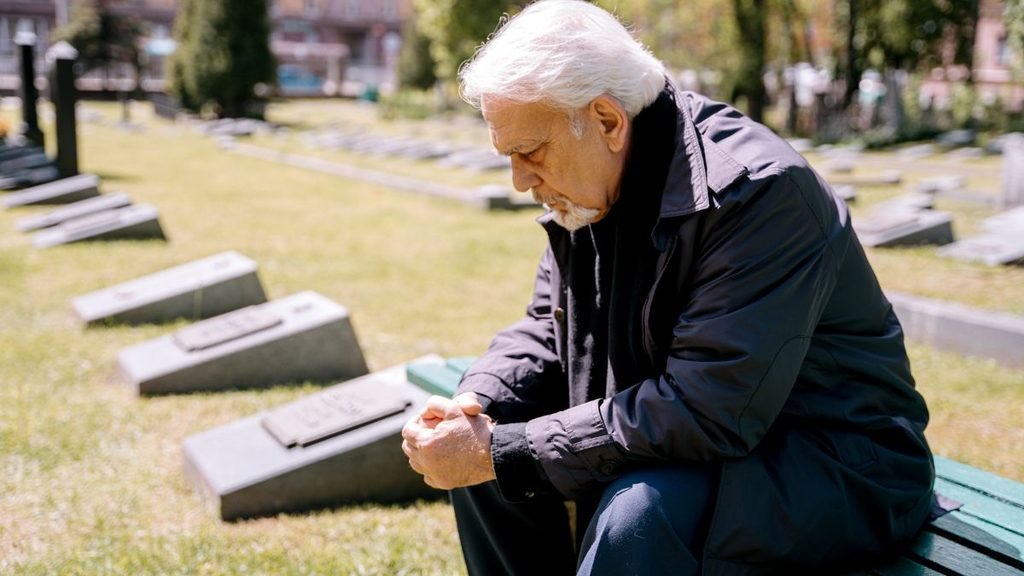
By their late 60s or early 70s, many people have experienced meaningful losses. Parents may be gone, longtime friends may have died, and some are adjusting to life without a spouse or partner.
These losses can change ordinary moments in unexpected ways. A familiar song may bring back memories of someone who is no longer alive, while an empty chair at the dinner table may remind a person of years spent together.
Grief does not always follow a predictable timeline. Some people experience intense sadness soon after a loss, while others notice waves of emotion appearing months or years later.
There can also be grief for things that are not people. Selling a longtime family home, leaving a familiar neighborhood, or losing the ability to enjoy a favorite activity may bring genuine sadness.
These experiences can make the years between 65 and 75 emotionally demanding, even when daily life appears comfortable from the outside.
Many older adults become skilled at continuing their responsibilities while carrying private sadness. They pay bills, prepare meals, attend family gatherings, and answer questions about how they are doing without discussing what they truly feel.
Remembering loved ones does not mean someone has failed to move forward. Sharing stories, keeping meaningful photographs, or maintaining family traditions can help preserve important connections.
At the same time, grief does not have to prevent new experiences. Someone can miss a spouse deeply while enjoying a new friendship, learning a skill, or participating in activities that bring happiness.
Support groups, trusted friends, family conversations, and grief counseling may help when sadness becomes difficult to manage. If grief leads to persistent hopelessness, severe isolation, or an inability to handle daily responsibilities, professional support is especially important.
The goal is not to erase the past. It is to make room for memories while continuing to build a meaningful present.
A Sense of Purpose May Need to Be Rebuilt

Perhaps the most unexpected change after 65 involves personal identity. For decades, people often understand themselves through the roles they perform.
They are employees, business owners, parents, supervisors, caregivers, or people who solve problems for others. Their responsibilities give structure to mornings and provide reasons to make plans.
Retirement and changing family relationships can remove several of those roles within a relatively short period. Adult children may need less assistance, former coworkers stop calling about projects, and a once-busy calendar becomes unusually quiet.
At first, the freedom may feel wonderful. Sleeping later, traveling, spending more time at home, and enjoying hobbies can provide a welcome break from years of responsibility.
But after the excitement settles, some older adults begin wondering what they want their days to mean. A life without deadlines can feel peaceful, yet it can also feel strangely directionless.
Purpose after 65 does not have to look like the purpose someone had at 45. It no longer needs to come from earning a salary, managing employees, or being responsible for everyone else’s needs.
For one person, purpose might mean tending a garden and sharing vegetables with neighbors. For another, it could involve mentoring younger people, volunteering, painting, caring for a pet, or becoming more involved in a community organization.
Part-time work can provide structure and satisfaction for people who enjoy remaining professionally active. Others may find meaning in learning, creative activities, or spending quiet time with people they love.
Research has linked a stronger sense of purpose in later life with several measures of well-being. That does not mean everyone needs a major mission, only that meaningful activities can provide direction and personal satisfaction.
Purpose can also change from year to year. Someone who enjoys volunteering at 66 may prefer gardening at 72, and there is nothing wrong with allowing interests to develop.
The most useful question may be whether something in the coming week feels personally meaningful. Having an activity, relationship, or goal that matters can give ordinary days a stronger sense of direction.
Financial Security and Independence Still Matter

Although emotional and social changes receive less attention, practical concerns remain part of this transition. Housing costs, healthcare expenses, savings, and transportation can strongly influence what older adults are able to do.
Financial security does not necessarily mean having a large retirement account. Someone with predictable income, manageable bills, stable housing, and modest emergency savings may feel more comfortable than a wealthier person facing constant financial pressure.
Housing also affects independence. A familiar home can provide security, but difficult stairs, expensive repairs, or limited access to transportation may eventually make daily life harder.
Some older adults choose to downsize, move closer to family, or make adjustments to their homes. Others remain comfortable in the same place for decades with only minor changes.
These decisions are deeply personal. What matters is whether the living arrangement remains affordable, reasonably safe, and supportive of the person’s desired lifestyle.
A helpful retirement review looks beyond savings balances. It considers whether money, housing, physical ability, relationships, and personal freedom still work together to support a satisfying daily life.
Small Changes Can Make This Decade More Rewarding

Older adults do not need to rebuild their entire lives simply because they have reached a particular birthday. Often, a few practical adjustments can protect the things that matter most.
Someone who feels isolated might benefit from one regular social activity. A person worried about physical limitations could begin with an appropriate exercise plan, while someone struggling with retirement boredom might explore a new interest.
The following four-week plan offers a simple starting point.
| Week | Area to Strengthen | Small Step to Try |
|---|---|---|
| Week 1 | Curiosity | Visit a new place or try an unfamiliar activity |
| Week 2 | Connection | Call an old friend or arrange a regular social outing |
| Week 3 | Independence | Identify one difficult task and explore safer ways to manage it |
| Week 4 | Purpose | Choose one meaningful activity to include in the weekly routine |
There is no requirement to complete every step or follow a perfect schedule. Someone managing health problems, family responsibilities, or financial pressure may need a slower approach.
What matters is noticing which parts of life deserve more attention. Small actions that are repeated consistently may be easier to maintain than dramatic changes that quickly become overwhelming.
It also helps to think about what is already going well. A stable home, trusted friendship, enjoyable hobby, or ability to handle everyday tasks may provide a valuable foundation.
Learning to Adjust Without Giving Up Independence

One lesson this decade can teach is that independence changes over time. The strategies that supported someone through their working years may not be the same strategies that serve them best during retirement.
A person who once measured success through productivity may begin valuing peaceful mornings and meaningful relationships. Someone who proudly handled every household chore may discover that accepting occasional help leaves more energy for enjoyable activities.
These adjustments do not have to represent defeat. They can reflect a more thoughtful understanding of personal needs, abilities, and priorities.
There is also no single correct way to experience life between 65 and 75. Some people travel frequently, others continue working, and many enjoy quieter routines centered on home, family, hobbies, and friendships.
The goal is not to preserve every part of life exactly as it once was. It is to protect the freedom to keep making meaningful choices.
That may involve changing routines, adapting physical activities, asking for help, or building new relationships. Each adjustment can create opportunities that might otherwise remain unexplored.
Why This Transition Can Also Bring Unexpected Happiness

It is easy to focus on what becomes harder with age, but the years between 65 and 75 can offer meaningful benefits. Many people have a clearer understanding of their preferences and feel less pressure to meet expectations that shaped their younger years.
They may become more selective about friendships, more protective of personal time, and more willing to enjoy simple activities without worrying about whether those activities appear impressive.
A quiet breakfast, an afternoon with grandchildren, a conversation with an old friend, or time spent outdoors can become deeply satisfying parts of life. These experiences may provide a sense of contentment that earlier years did not always allow.
Growing older also offers opportunities to reconsider priorities. Responsibilities that once demanded enormous amounts of attention may no longer control the calendar, leaving room for interests that were postponed for years.
For some, this becomes a period of greater confidence and personal freedom. For others, it takes time to adjust to changes in health, relationships, or financial circumstances.
Both experiences deserve recognition. Aging does not follow one emotional pattern, and happiness is not reserved for people who remain healthy, wealthy, or constantly active.